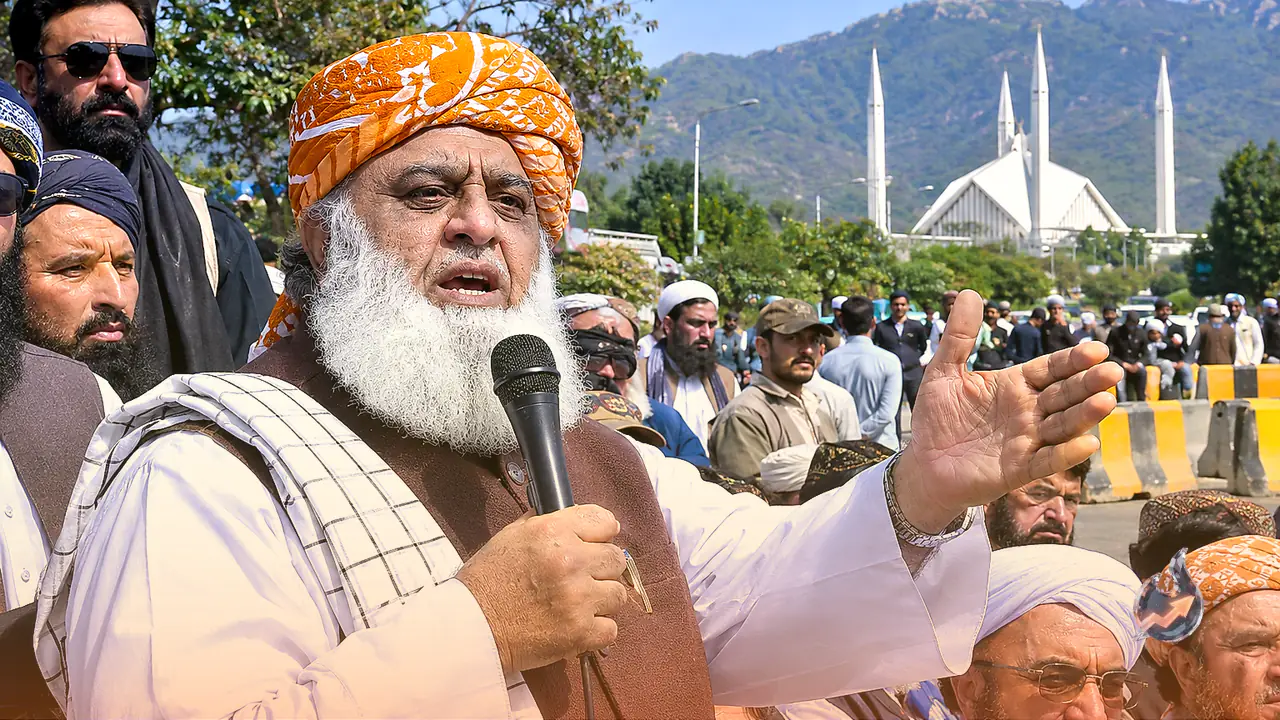

Political tensions in Pakistan have escalated sharply as Jamiat Ulema-e-Islam-Fazl (JUI-F) chief Maulana Fazlur Rehman launched a direct confrontation against the administration of Shahbaz Sharif and the country's military establishment. Following a series of government restrictions and arrests aimed at blocking party rallies, the cleric has announced a nationwide strike and comprehensive road blockades. He made it clear that the ongoing agitation will continue until all detained party workers are released and travel restrictions are lifted from the highways.
Severe Administrative Restrictions Prior to Sargodha Rally
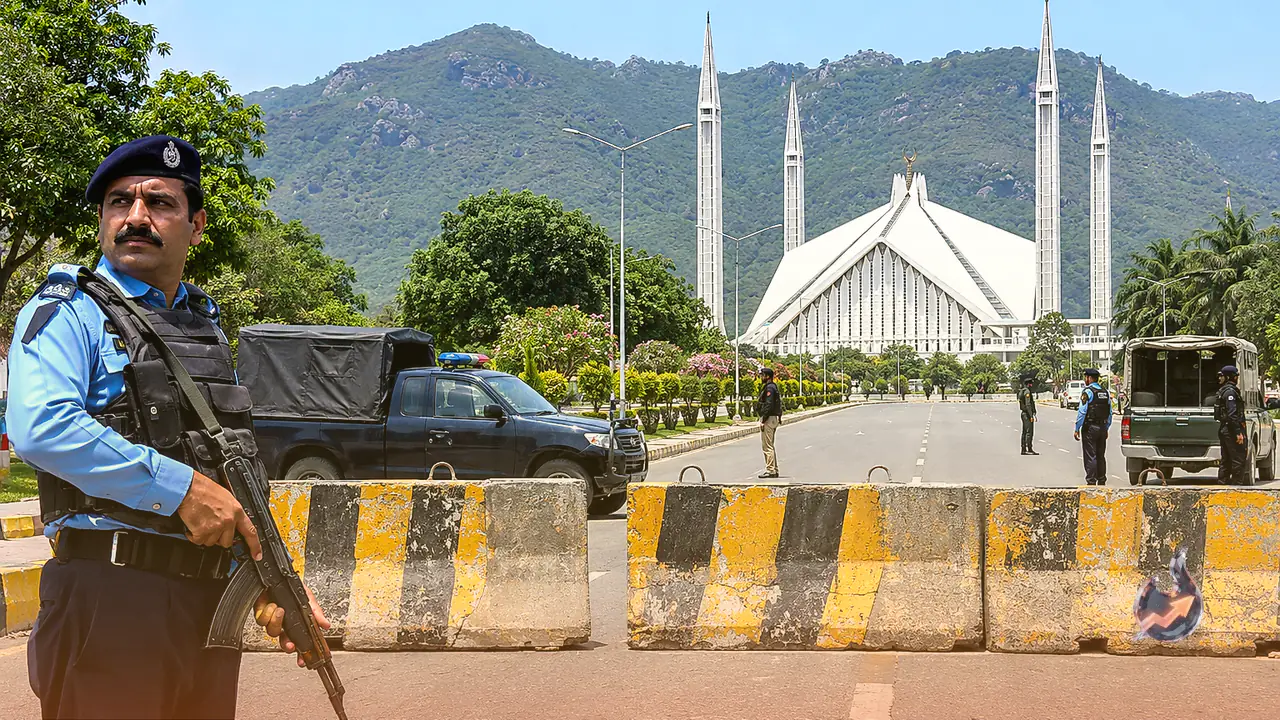
The latest crisis began when the JUI-F scheduled a major political gathering in Sargodha, located in Punjab province. Anticipating the event, the provincial administration initiated strict measures to block the gathering. Authorities imposed a thirty-day ban preventing Maulana Fazlur Rehman and nine other senior party leaders from entering Sargodha. Additionally, several key motorways and roads were closed to traffic. While the government attributed these closures to adverse weather conditions, the party maintained that the routes were deliberately sealed despite clear skies.
Widespread Worker Arrests and Sharp Backlash
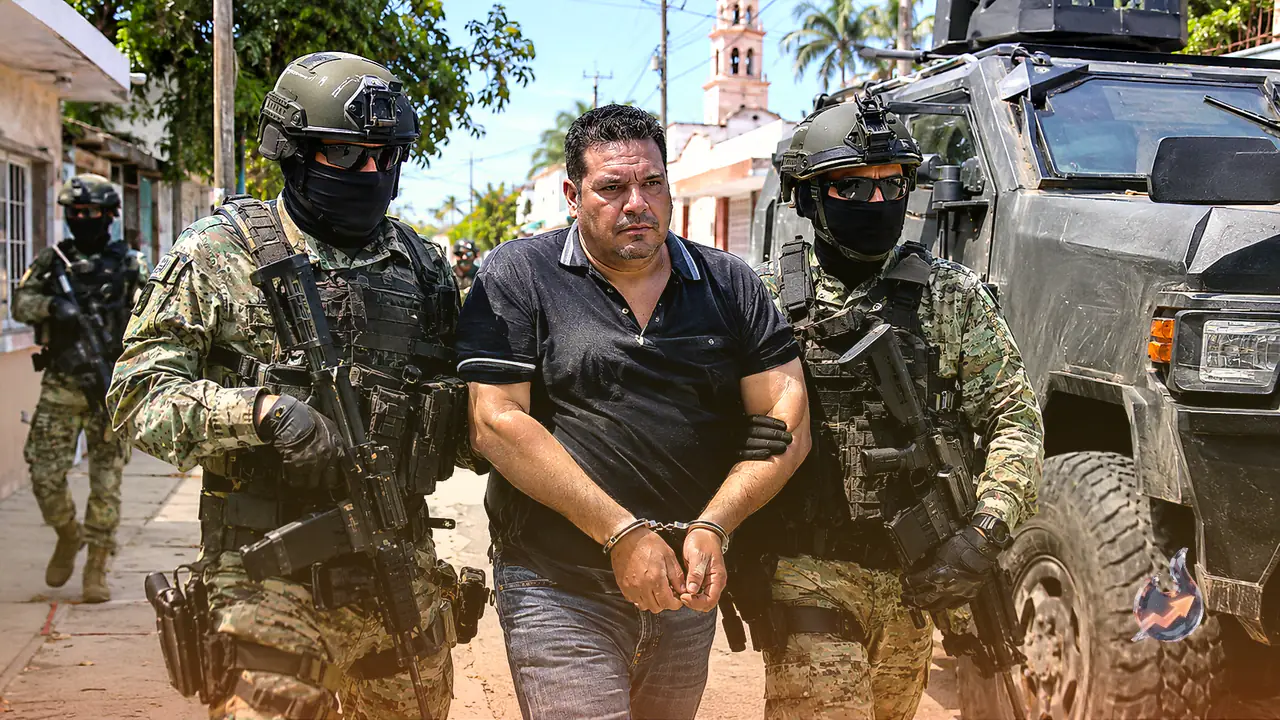
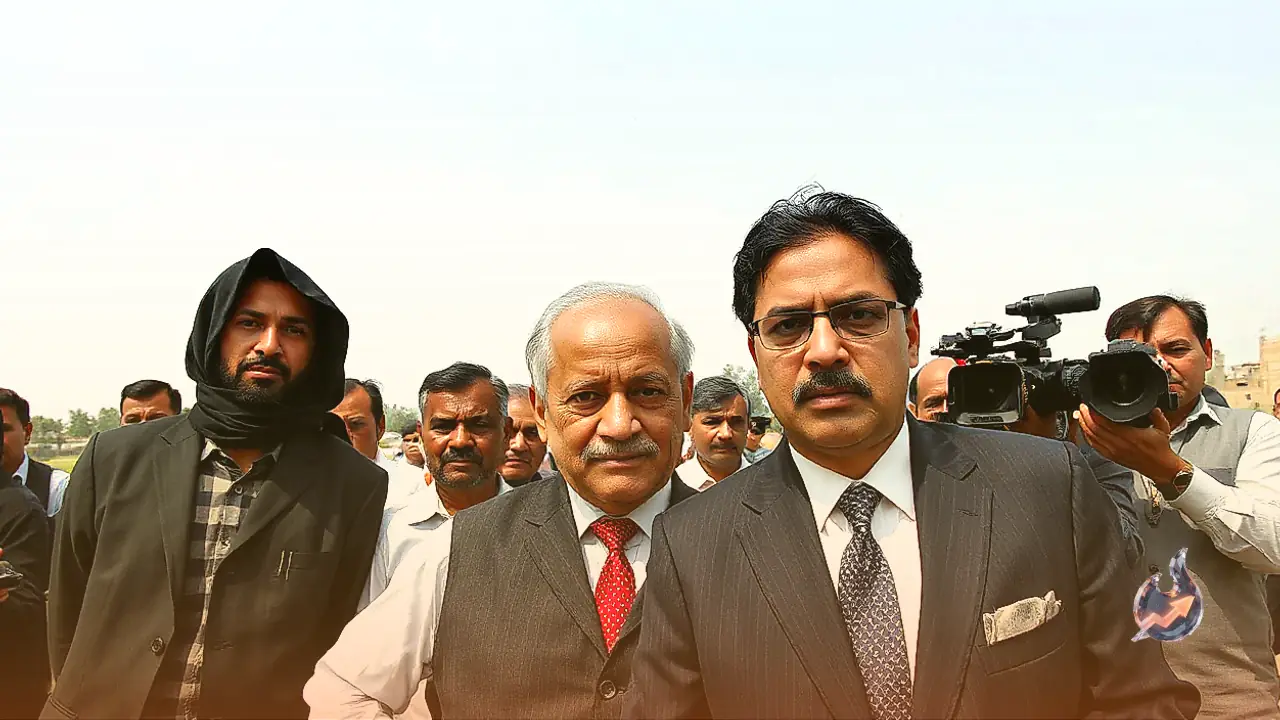
The party alleged that law enforcement agencies conducted raids across multiple regions in Punjab, taking hundreds of activists into custody. Reports also indicated that JUI-F Secretary General Maulana Abdul Ghafoor Haideri and Punjab President Maulana Amjad Khan were either detained or placed under house arrest. Condemning these actions, Maulana Fazlur Rehman termed the crackdown an assault on democratic rights. He argued that the constitution guarantees every political formation the peaceful right to assemble, questioning why his party was being singled out for prevention.
Nationwide Road Blockades and Escalating Confrontation
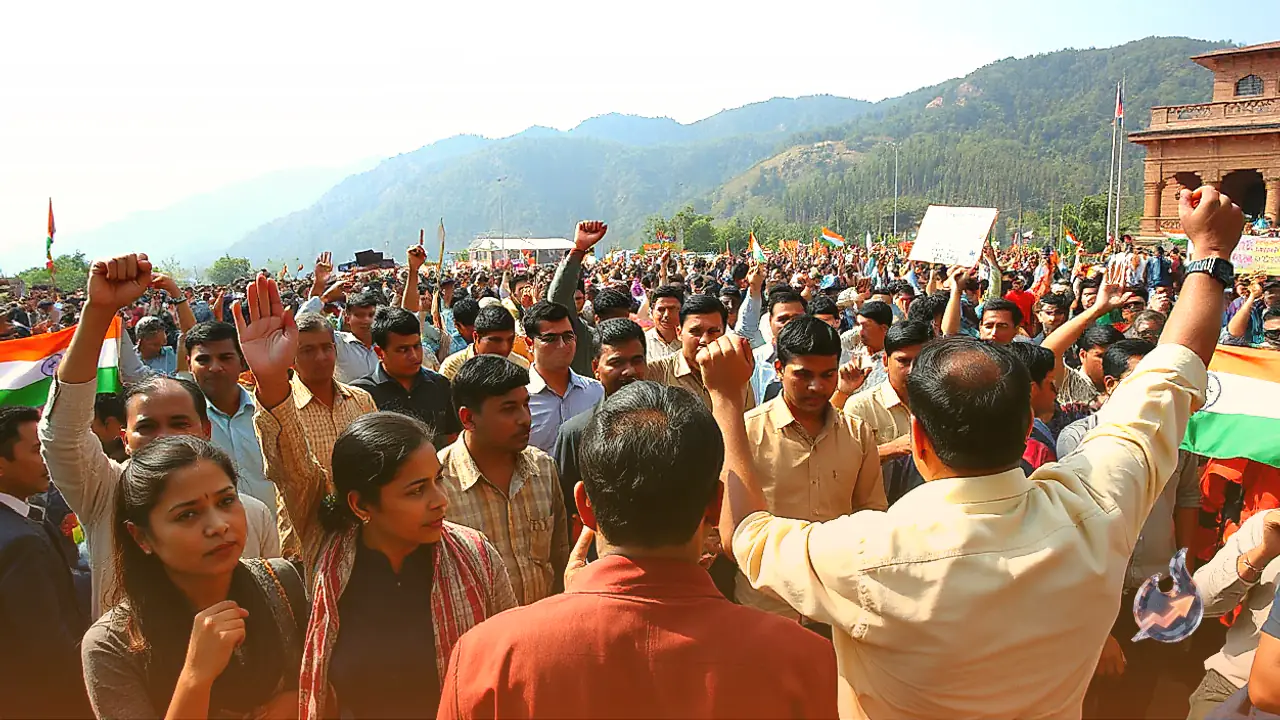
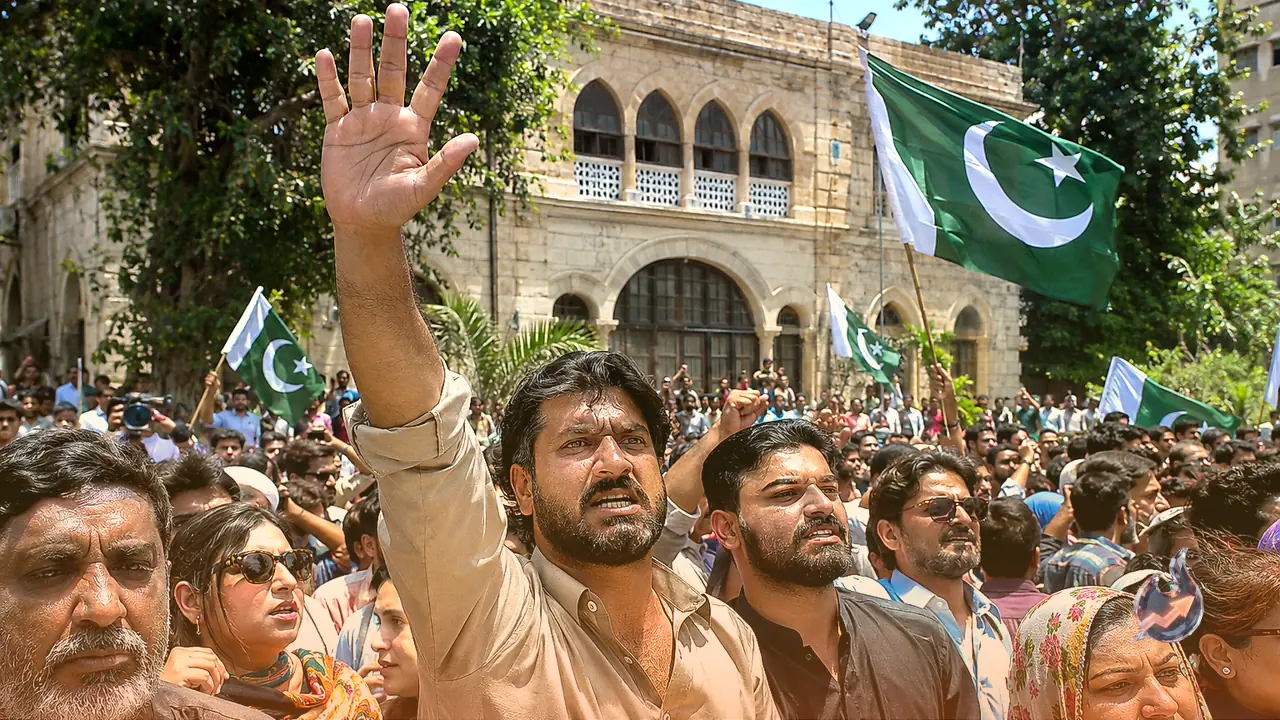
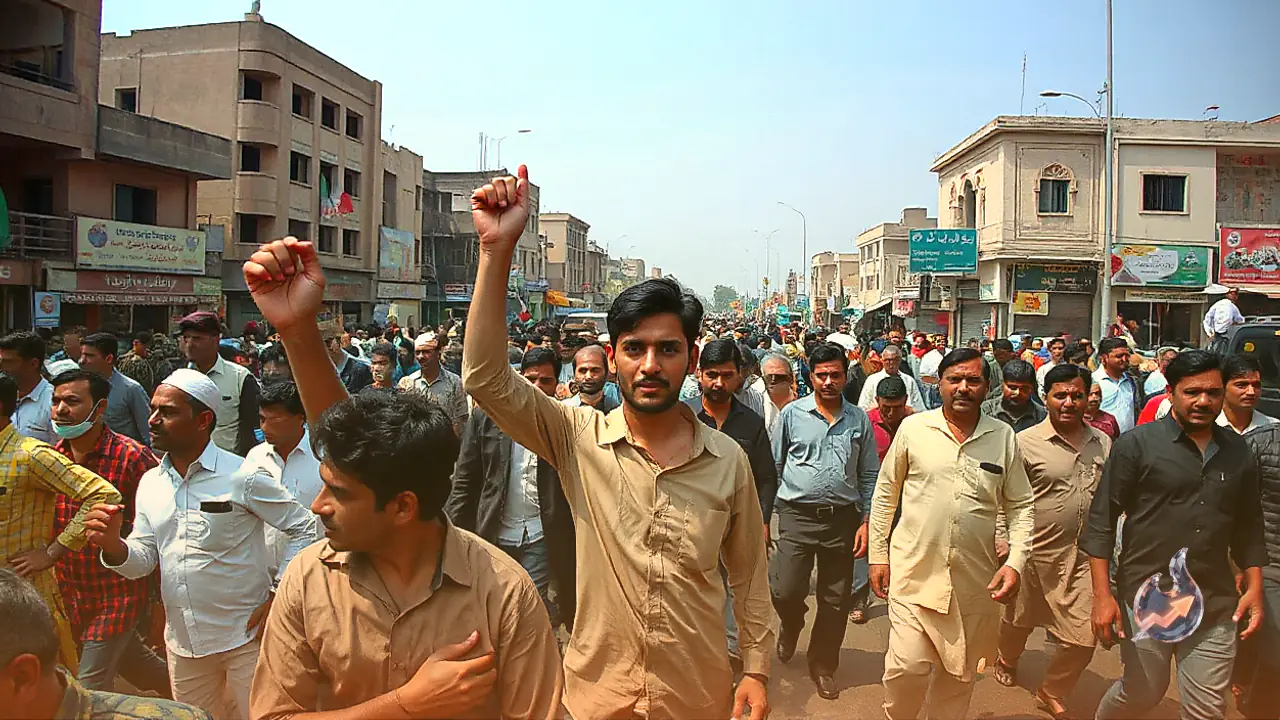
Despite the official prohibitions, the cleric vowed to reach Sargodha and urged his supporters to take to the streets across regions stretching from Chitral and Kohistan down to Karachi, Badin, and Balochistan. This call triggered sit-ins and protests in several cities, disrupting traffic on major transit routes. The Maulana warned that if the authorities fail to release the detained members and lift political curbs, the protests will intensify further. This mounting standoff has placed intense pressure on the ruling administration as observers watch to see how the government responds to the unfolding crisis.