





















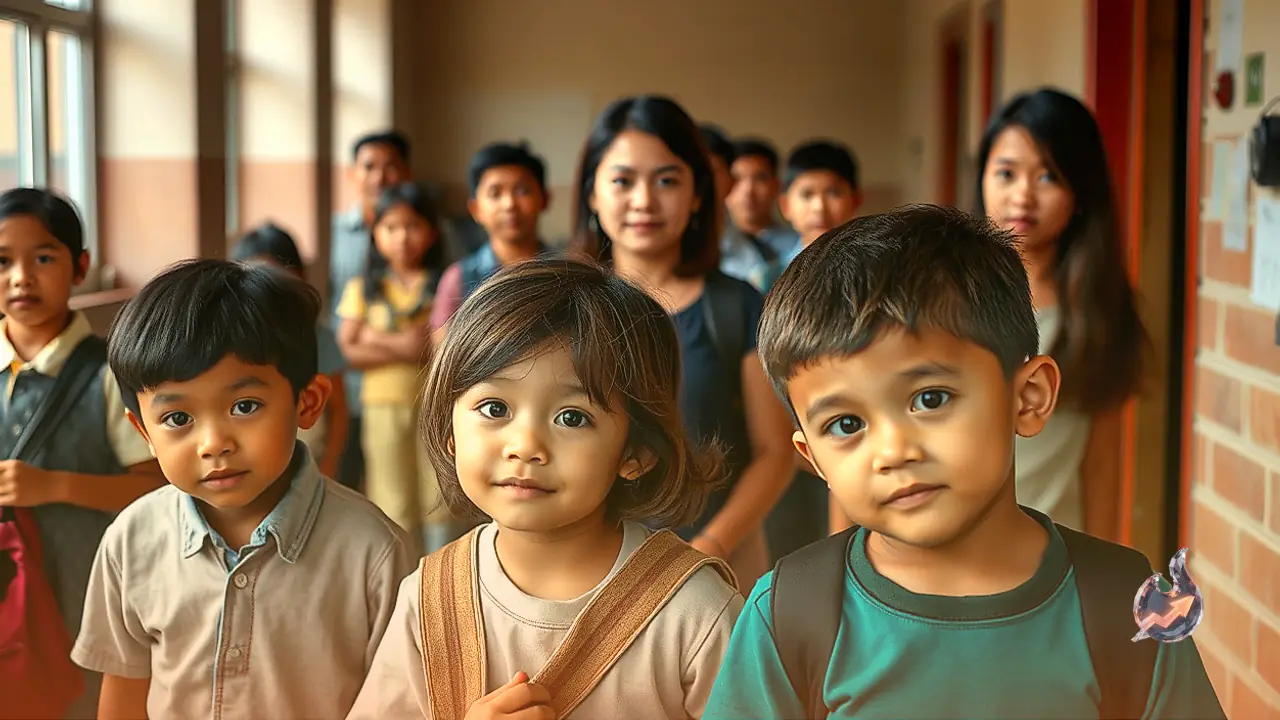

School gates often bustle with energy as classes end, but not every child walks out with a cheerful smile. Parents sometimes notice their child tossing their backpack aside, walking straight into the bedroom without a word, or sitting quietly at the dining table with distant eyes. When asked how the school day went, the reply is frequently reduced to a brief remark that everything was fine. Behind that simple phrase, however, lies an unspoken emotional struggle that sensitive youngsters find difficult to put into words. A vibrant playground can feel surprisingly lonely when a child struggles to connect with peers.
Children rarely articulate their emotional distress in a structured manner right away. They do not announce directly that they feel broken inside or that they are unable to make friends. Instead, their concerns surface through small observations: nobody laughed at their joke, a peer group ran off without waiting for them, or the lunch break felt unexpectedly quiet and endless. Recognizing these subtle signs allows parents to intervene constructively before loneliness turns into chronic self-doubt.
Listen Without Interrupting Instead of Offering Quick Advice
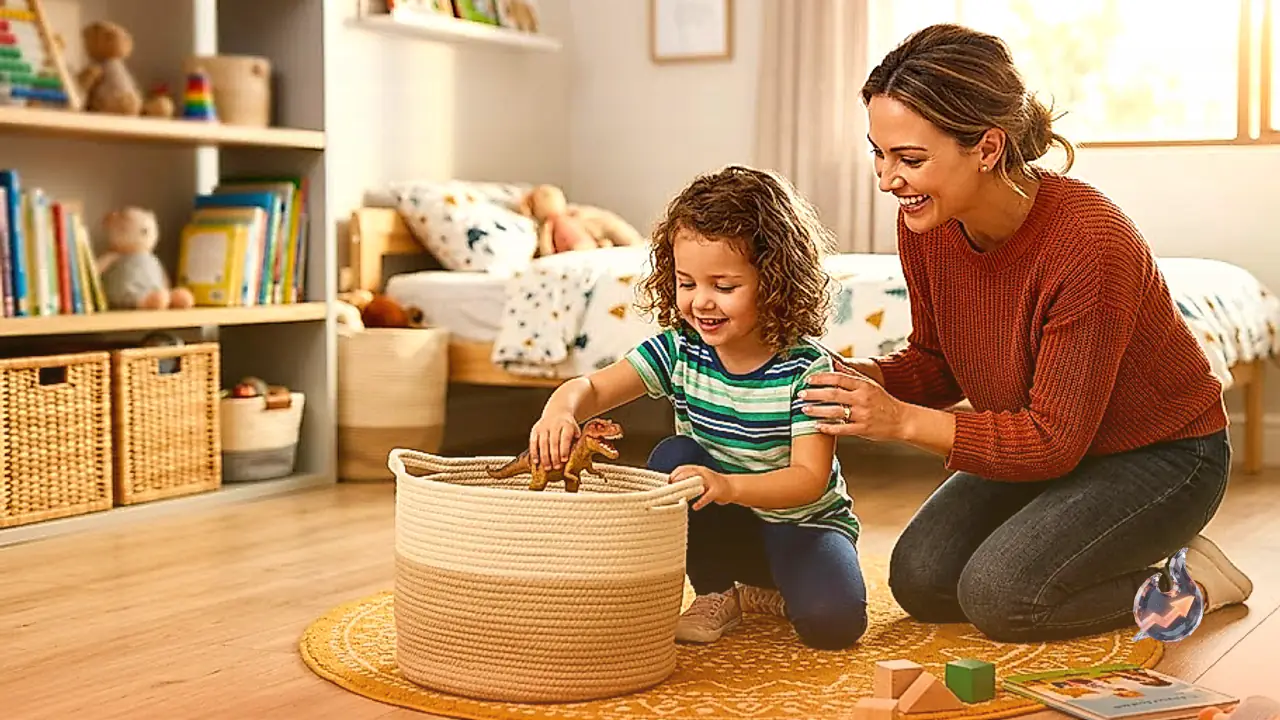
When a child begins to talk about their school day, a typical parental reaction is to jump immediately into problem-solving mode. Parents often urge the child to walk up to other classmates or sit next to someone else the following day. While well-intentioned, immediate instructions can overwhelm a child who is not looking for a quick fix. In that vulnerable moment, they simply need someone to acknowledge their quiet reality and sit beside them without pressure. Listening patiently without passing judgment or dispensing immediate lessons creates an environment of emotional safety, reassuring the young mind that their feelings are understood.
Partner With the Teacher to Understand Classroom Dynamics
Classroom teachers often observe behaviors that children hesitate to describe at home. Rather than approaching the school defensively or like an investigator, parents should schedule a friendly, collaborative discussion with the educator. Inquire about how the child interacts during group activities or free time, whether they approach peers only to hesitate and withdraw, or if they prefer sitting quietly in a corner of the room. These observations provide vital context about social dynamics that the child might not know how to explain.
Create Low-Pressure Social Settings Outside the Classroom
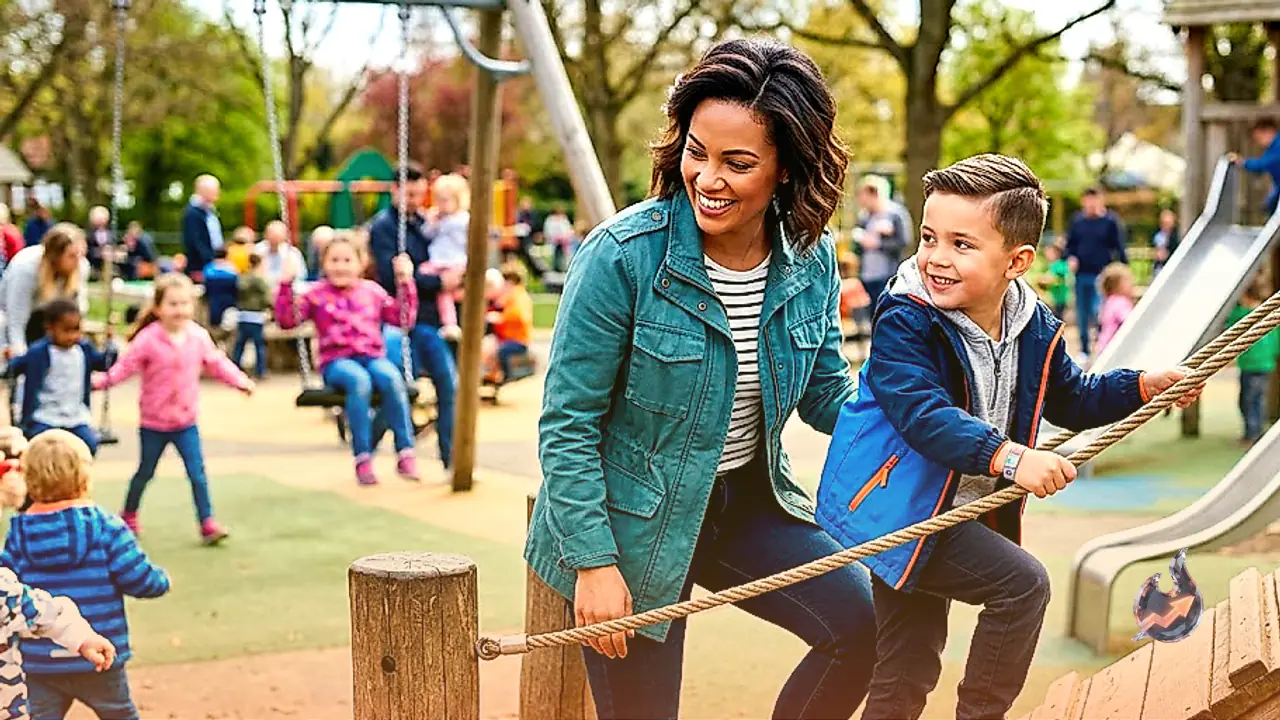
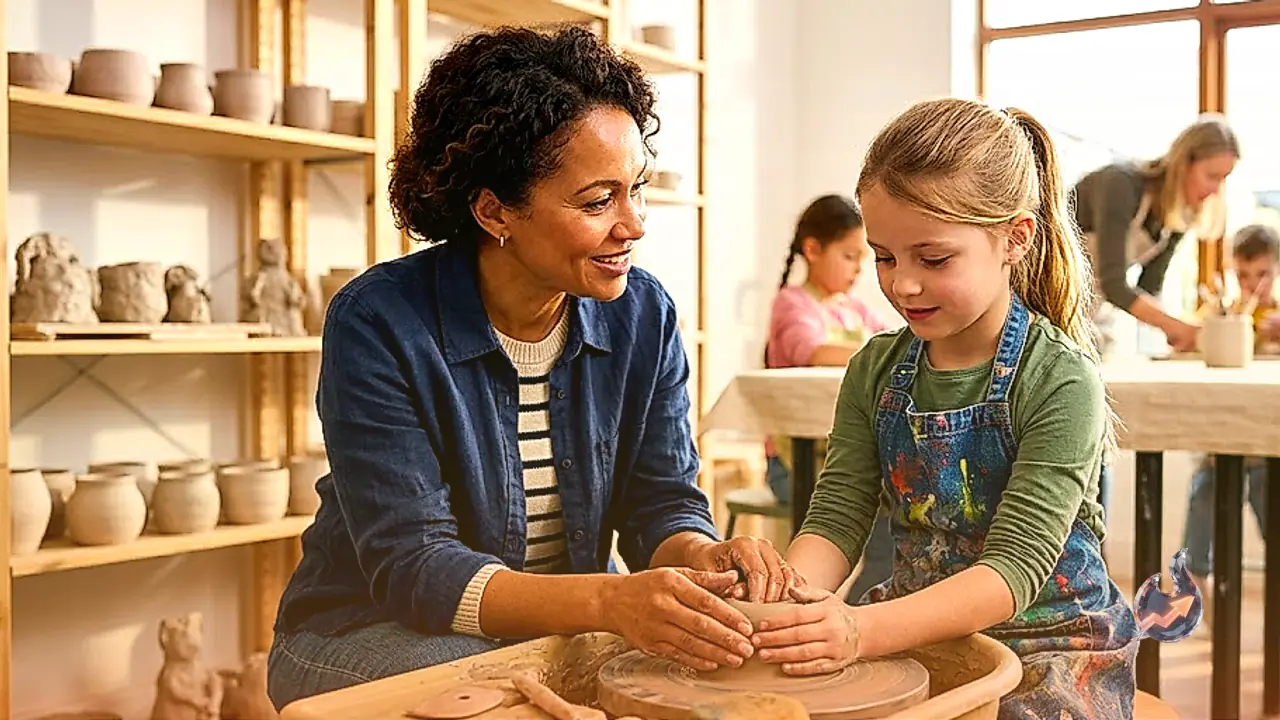
Not every personality thrives in the loud, fast-paced environment of a crowded schoolyard. Some children feel significantly more comfortable forming connections in smaller, quieter environments. Arranging a simple playdate at a local park with just one familiar peer allows conversation to happen naturally. Enrolling the child in an activity aligned with their genuine interests, such as art, athletics, or music, creates common ground where shared enthusiasm breaks the ice organically. Interacting regularly with cousins or neighborhood companions also builds a solid foundation of social confidence that serves as a protective buffer at school.
Help Them Process Social Rejection Without Self-Blame
One of the most intimidating experiences for a young student is stepping up to a group and asking to join a game, only to be met with hesitation or a refusal. Sensitive children often internalize that rejection and assume something is wrong with them personally. Parents can gently normalize these experiences by explaining that a casual refusal from peers is not a reflection of individual worth. Encouraging them to view each morning as a fresh opportunity prevents the disappointment of previous interactions from becoming an enduring burden.
Reaffirm Self-Worth Beyond Social Acceptance
Ultimately, a child needs to understand that personal value is not measured by the number of greetings received in a hallway. Parents should nurture the specific talents and hobbies that bring the child genuine joy, whether that involves sketching, playing football, baking, reading stories, or building creative crafts. Real confidence does not stem from external validation from every peer; it grows from the inner understanding that being solitary does not mean being incomplete. Once this self-assurance takes root, a child can navigate the playground with genuine poise and self-belief.