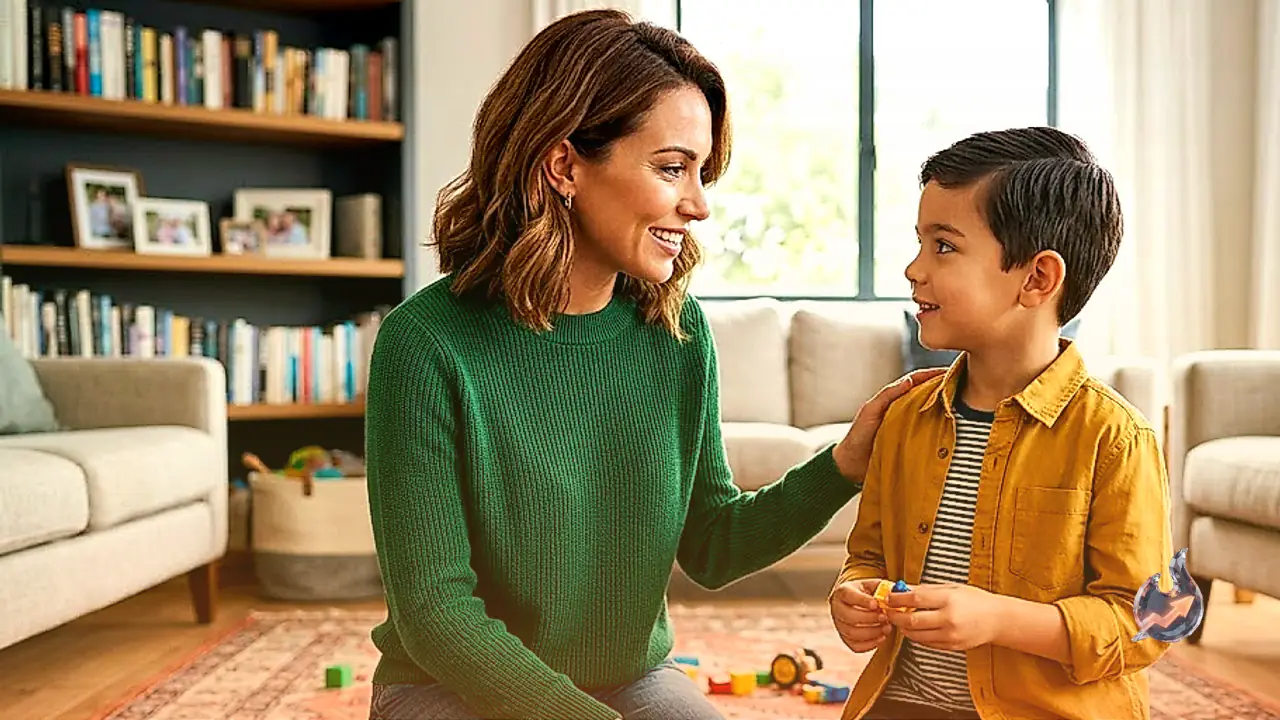

























In today's fast paced world, many parents fall into the routine of asking a generic question when their children return home, such as asking how their day went. Children typically offer a brief, polite response, and the conversation quickly comes to an end. However, this superficial exchange rarely provides insight into a child's inner thoughts or emotional well-being. If you wish to build a deeper connection with your child and nurture their self-confidence, changing your approach to daily conversations is essential. Asking targeted questions helps children feel valued, demonstrating that their experiences and emotions genuinely matter to their parents.
1. What Was the Best Moment of Your Day?
Prompting a child to reflect on the highlight of their day encourages them to focus on positive experiences. Among all the events that take place during school hours, recalling a joyful moment brings an immediate smile to their face and strengthens an optimistic mindset. When children regularly articulate their happy moments and achievements, it boosts their self-esteem and teaches them to look for positivity even after a tiring day.
2. Did Anything Happen Today That Bothered or Upset You?
Not every day at school goes smoothly for a child. They may encounter disagreements with classmates, feel overwhelmed by academic tasks, or feel hurt by a teacher's reprimand. Children often internalize these difficult emotions rather than speaking up spontaneously. Asking explicitly about troubling events creates a safe environment where they feel comfortable opening up. This allows parents to identify hidden struggles early and offer timely guidance before minor worries turn into major anxieties.
3. What New Concept or Skill Did You Discover Today?
Inquiring about new learnings transforms education into an exciting personal milestone. When children explain a new topic, skill, or fact they absorbed during the day, it instills a sense of pride in their personal progress. This simple question fosters a lifelong curiosity and enthusiasm for learning, helping children view school not merely as a daily obligation, but as an engaging space for self-improvement.
4. Did You Help Anyone Today, or Did Someone Assist You?
This question plays a vital role in developing empathy, social awareness, and cooperation in young minds. Discussing instances of mutual support helps children understand the importance of kindness and community. It teaches them to appreciate help received from others while encouraging them to extend a helping hand whenever possible, laying the foundation for strong and healthy interpersonal relationships.
5. What Are You Looking Forward to at School Tomorrow?
Asking about the upcoming day builds forward-looking optimism. When children anticipate tomorrow's schedule, whether it involves an interesting class, a fun activity, or catching up with friends, they develop a positive outlook toward the future. This habit encourages thoughtful planning and enables them to express their hopes and ideas openly.
Children Need an Understanding Listener More Than Regular Advice
Engaging in meaningful daily conversations is far more than a simple routine; it forms the core of a child's emotional and psychological development. Spending a few dedicated minutes every evening to actively listen allows children to feel secure, respected, and loved within the family unit. Children often do not need continuous lectures or advice; they need a patient listener who understands their perspective. By introducing these five targeted questions into your daily routine, you will soon notice a significant improvement in your child's communication skills and self-assurance.