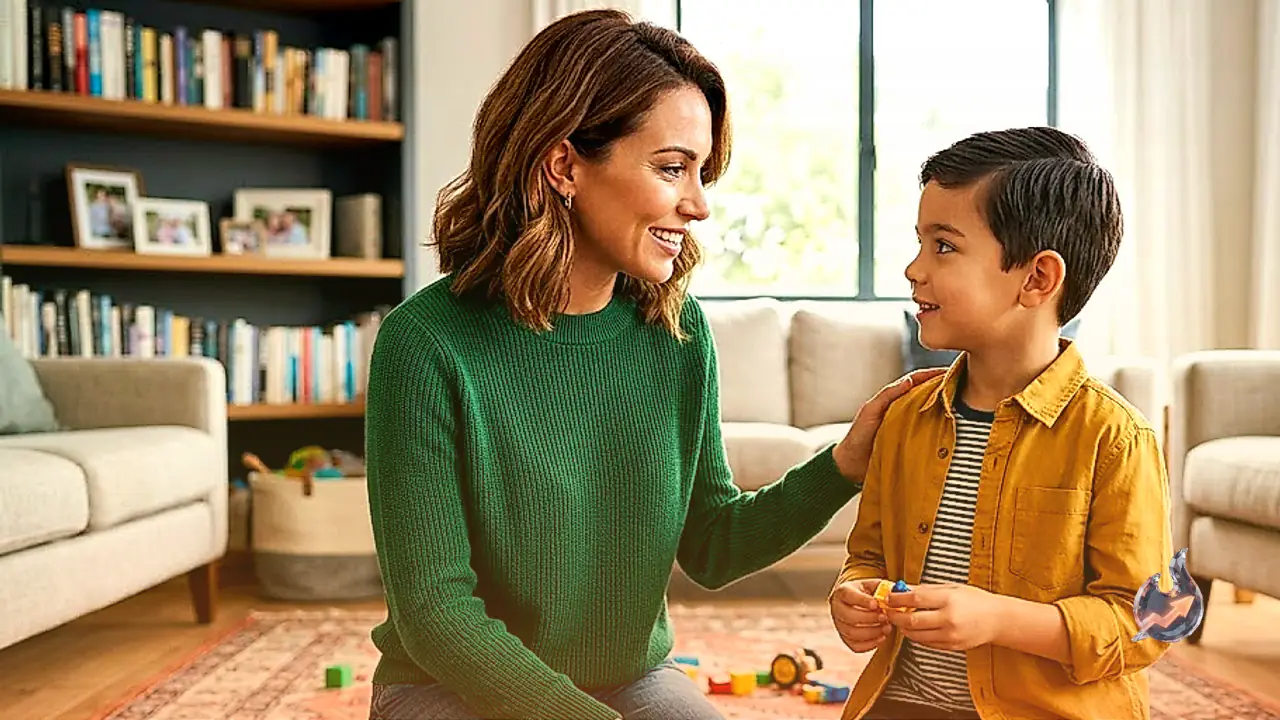
























When children constantly demand chips, chocolates, burgers, or packaged snacks, the default reaction for many parents is to scold, enforce strict bans, or argue at the dinner table. However, continuous restriction and forceful discipline often backfire, driving kids to crave forbidden foods even more. Recently, a father demonstrated a remarkably creative approach to transform his daughter's dietary habits. By designing an engaging mock ultrasound environment, he visually illustrated how junk food and nutritious meals interact inside the human body. This inventive technique offers a fresh perspective on encouraging healthy eating through positive engagement rather than fear or strict control.
Building Nutritional Understanding Through Play and Visuals
Children possess active imaginations and naturally absorb lessons when they are framed as games rather than lectures. When parents outright forbid packaged snacks, children frequently view it as an arbitrary restriction. Conversely, presenting the consequences of food choices through an interactive activity allows children to grasp the cause-and-effect relationship on their own terms. The simulated ultrasound experiment was not intended to terrorize the child with fake medical threats, but rather to demystify bodily functions in a relatable, visual manner. Similar creative parenting concepts have gained traction across online communities, including commentary shared by content creators like Kemi Reacts highlighting constructive parenting methods.
The Body Detective Game: Fostering Curiosity Instead of Fear
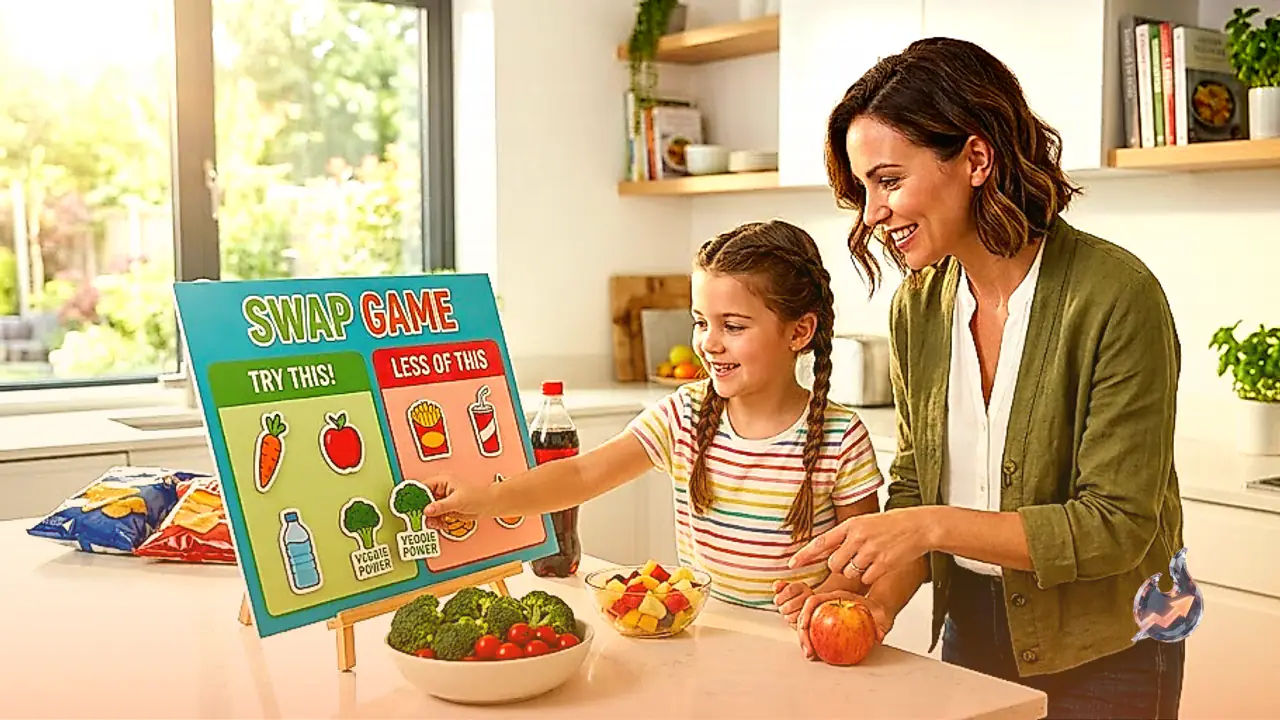
A common mistake in traditional parenting is using fear tactics, such as warning children that eating junk food will cause worms in their stomach or require hospital visits. Experts emphasize that such frightening statements build unhealthy anxiety around food. A more constructive alternative is engaging children in interactive activities like a Body Detective game. Parents can utilize toys, simple drawings, or age-appropriate educational videos on digital screens to show how fresh fruits, vegetables, lentils, and home-cooked meals supply essential energy for play and learning. Explaining that excessive packaged food makes the body feel sluggish helps children understand why nutrient-dense foods are necessary for their daily activities.
Replacing Total Bans with Controlled Choices and Autonomy
Child development specialists advocate for a balanced attitude toward treats rather than total prohibition. Completely banning items like pizza, chips, or chocolates often elevates their appeal in a child's mind. Instead of declaring these items permanently off-limits, parents should focus on managing portion sizes and frequency. Furthermore, granting children structured choices empowers them to make positive decisions. For instance, asking a child whether they would prefer a bowl of seasonal fruits or a homemade healthy snack gives them a sense of autonomy. When children feel in control of their choice within healthy parameters, they accept the outcome much more willingly.
Leading by Example and Family Snack Routines
Children mirror the behavior of the adults around them far more than they listen to verbal instructions. If parents regularly consume processed, packaged snacks in the evening while commanding their children to eat plain vegetables, the lesson loses its credibility. Cultivating long-term dietary habits requires the entire household to participate in a healthy routine. When families sit together to share nutritious options such as roasted fox nuts, roasted chickpeas, fresh fruits, and homemade snacks, wholesome eating becomes a natural part of daily life. Transforming a child's relationship with food requires patience, constructive choices, and consistent positive modeling rather than intimidation.