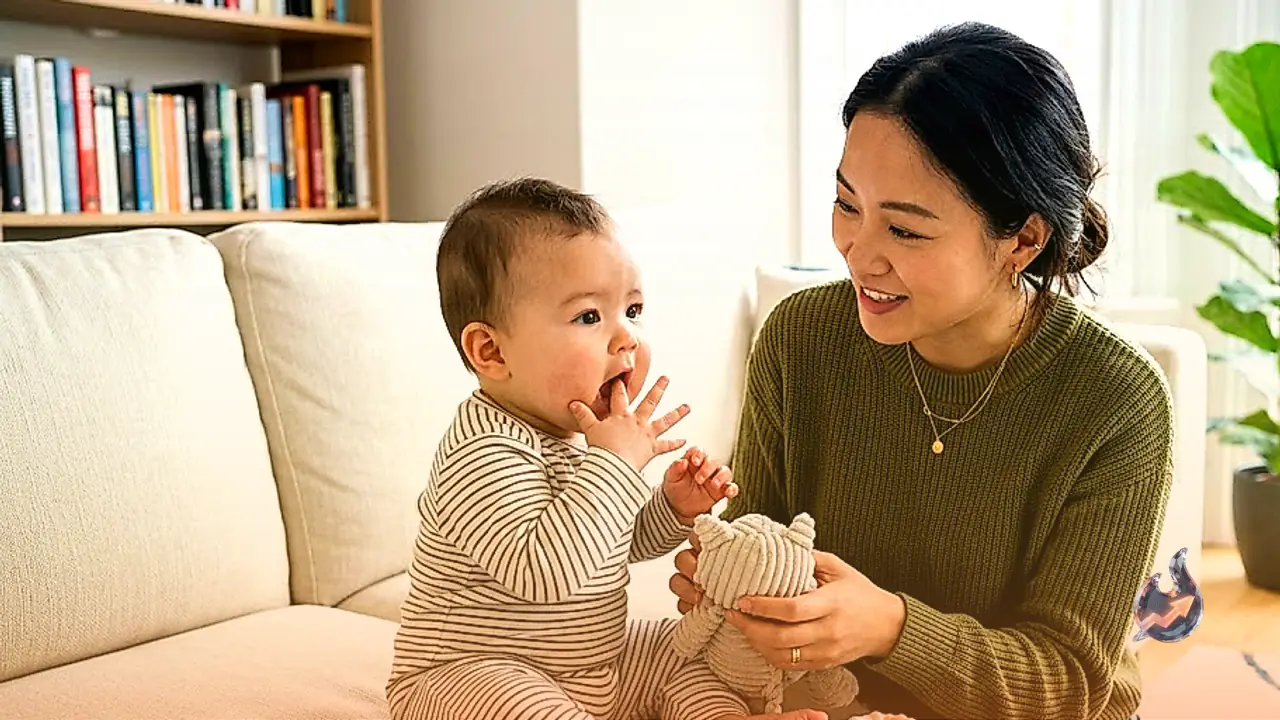

























A familiar observation in many households is that daughters often form a deep emotional connection with their fathers, while sons frequently confide in their mothers with ease. Although this is not a universal rule and every family structure operates differently, child development experts and family therapists note that specific psychological, social, and behavioral factors foster these distinct parental bonds.
Why Daughters Form Strong Emotional Connections with Fathers: 5 Key Factors
Child psychologists highlight that the father-daughter dynamic is heavily influenced by trust, validation, and a sense of protection. The primary reasons contributing to this strong bond include
- A Sense of Security and Protection: From early childhood, daughters frequently perceive their fathers as a reliable source of strength. When a father provides steady support during challenging moments, it reinforces a lasting sense of emotional and physical security in the daughter.
- Building Self-Confidence and Encouragement: When a father actively praises his daughter's achievements, encourages her decision-making, and values her perspective, her self-worth increases significantly. This validation makes her feel comfortable sharing her thoughts with him first.
- Shaping Future Relationship Expectations: Experts emphasize that how a father treats his daughter sets a benchmark for how she expects to be treated in future personal and social interactions. Respectful and supportive paternal behavior fosters healthier long-term relationship standards.
- Quality Time Built Through Daily Activities: Small shared moments such as school drop-offs, playing sports, helping with homework, and going on trips strengthen the emotional foundation between a father and daughter, creating cherished lifetime memories.
- Paternal Sensitivity and Protective Perspective: Fathers often display an extra layer of sensitivity and attentiveness toward their daughters. This protective inclination naturally draws daughters closer to their fathers emotionally.
Why Sons Form Deep Emotional Bonds with Mothers: 5 Core Reasons
Similarly, the close relationship between sons and mothers is anchored in early nurturing and non-judgmental acceptance. Key reasons behind this attachment include
- The Primary Bond Formed in Early Childhood: From birth, a child's earliest physical touch and comfort come from the mother. Nursing, holding, and continuous early care build an initial emotional foundation that stays strong as the son grows.
- Uninhibited Emotional Expression: Many sons feel more comfortable discussing their fears, doubts, and setbacks with their mothers. They trust that their mother will listen patiently without offering harsh judgment or immediate criticism.
- Unconditional Love and Comfort: During times of illness, mistakes, or distress, a mother's presence offers a unique sense of reassurance. This unconditional care reassures the son that he is valued regardless of his shortcomings.
- Daily Nurturing and Consistent Interaction: Regular routines such as preparing meals, organizing school schedules, and attending to daily needs create continuous opportunities for communication, naturally drawing mothers and sons closer.
- Learning Empathy and Values: Sons frequently absorb emotional intelligence, compassion, and family values by observing their mothers. This guidance plays a vital role in shaping their character and interpersonal skills.
Understanding Family Variations
It is important to remember that these patterns are not absolute. In many homes, daughters consider their mothers their closest confidantes, and sons share everything openly with their fathers. The true depth of any parent-child relationship depends on the quality of time invested, active listening, and the openness of the home atmosphere.
Practical Parenting Tips for Balanced Bonding
Parents seeking to cultivate balanced and healthy emotional connections with all their children can implement these essential strategies
- Allocate Equal Quality Time: Spend dedicated, individual time with each child so neither feels secondary or overlooked.
- Practice Active Listening: Hear children out without interrupting them or offering premature judgments.
- Maintain Love alongside Discipline: Balance warmth and affection with clear, healthy boundaries and guidance.
- Foster Open Communication: Create a safe household environment where children feel comfortable reaching out to either parent.
- Engage in Shared Family Activities: Plan outings, games, and projects that involve both parents and all children together.