






















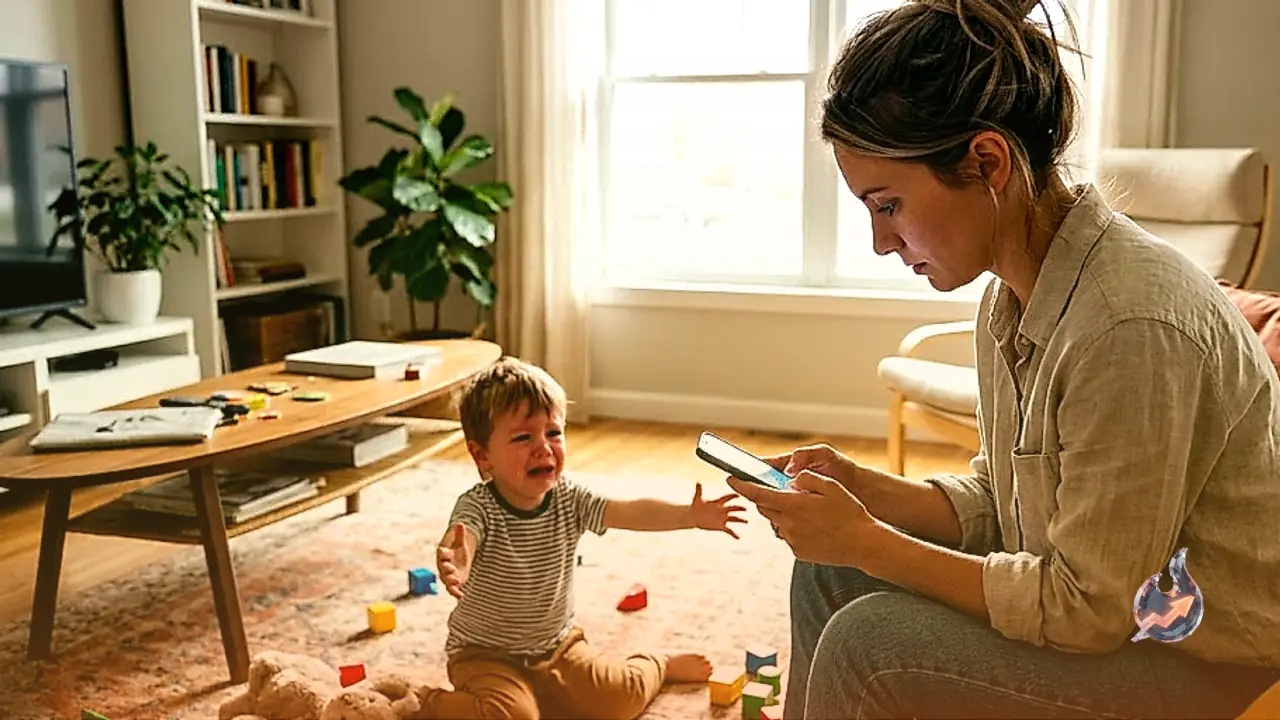

When a child starts crying, avoiding the urge to immediately scold them or force them into silence is crucial. For young children, processing complex emotions like anger, frustration, fear, and sadness is genuinely difficult. Crying often serves as their primary tool for communication when words fail them. Parents should sit close to the child and ask in a calm tone what is bothering them. This approach reassures the child that someone cares about their feelings and wants to understand them.
Validating Their Perspective
Adults frequently dismiss a child's tears by asking what is worth crying over or telling them it is a trivial matter. However, what seems insignificant to an adult can feel enormous to a child. Instead of ignoring their distress, validate their emotions completely. For instance, if a child is crying over a broken toy, acknowledge that you understand why they feel upset. This practice gradually teaches children how to recognize and process their own feelings properly.
Teaching Verbal Expression
If a child relies solely on crying to communicate their needs or problems, gently guide them toward expressing themselves with words instead. For example, when they cry for a specific toy, ask them directly if that is what they want. Explain that they can simply ask for things rather than crying. This does not mean ignoring them when they cry; providing emotional support while teaching alternative ways of expressing feelings is equally vital for their development.
The Impact of Parental Behavior
Children constantly learn by observing the behavior of the people around them. If parents frequently lose their temper or react with anger over minor inconveniences, children naturally pick up those same habits. Therefore, staying calm when a child cries is essential. If you feel overwhelmed, pause for a moment, take a deep breath, and then speak to the child. A calm parental demeanor teaches children how to manage their own emotions over time.
Physical Triggers and Routine
Frequent irritability and crying can sometimes stem from physical factors such as hunger, exhaustion, lack of sleep, or exposure to excessive noise and stimulation. Establishing a consistent schedule for sleeping, eating, and playing helps prevent these issues. Additionally, ensure the child gets adequate rest throughout the day. Spending quality time with them, playing together, and listening patiently without rushing makes a significant difference.
Knowing When to Seek Professional Help
While occasional crying is entirely normal for children, excessive crying, prolonged distress, or sudden behavioral shifts require careful attention. If the crying begins to negatively impact the child's sleep, eating habits, school routine, or daily activities, consulting a pediatrician is advisable. Professional guidance can help parents understand and address their child's underlying emotional and behavioral needs effectively.