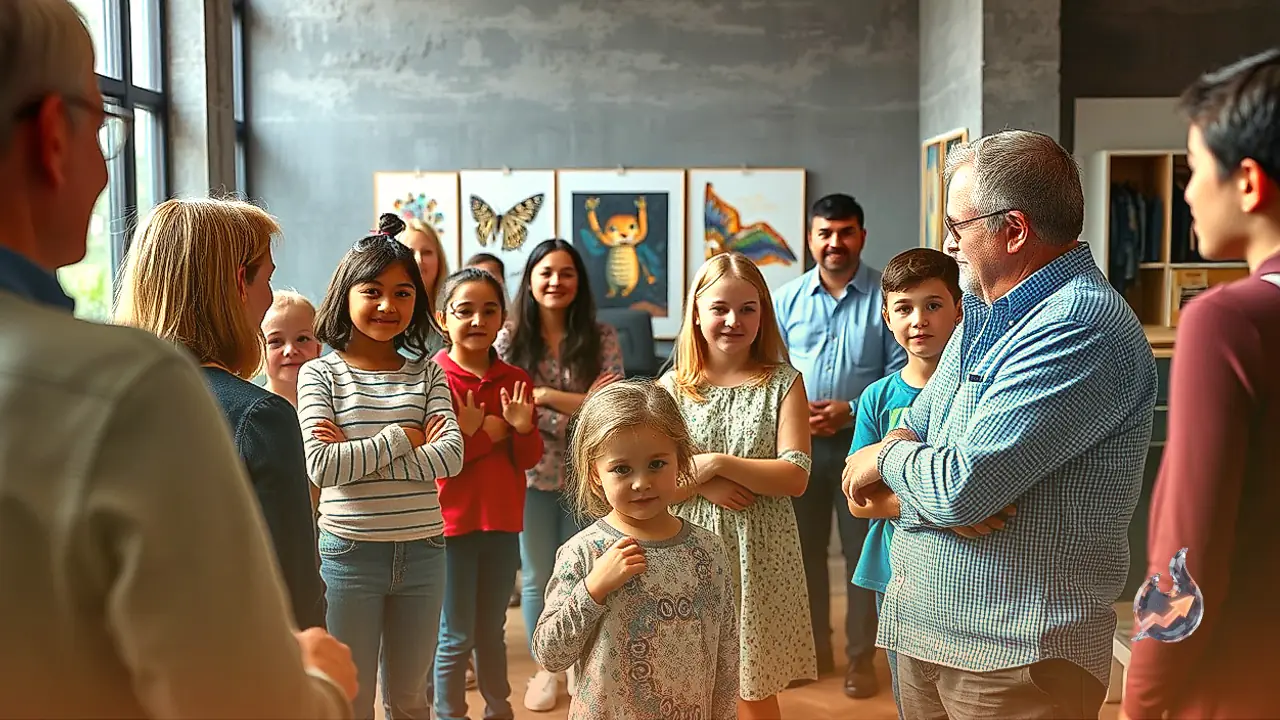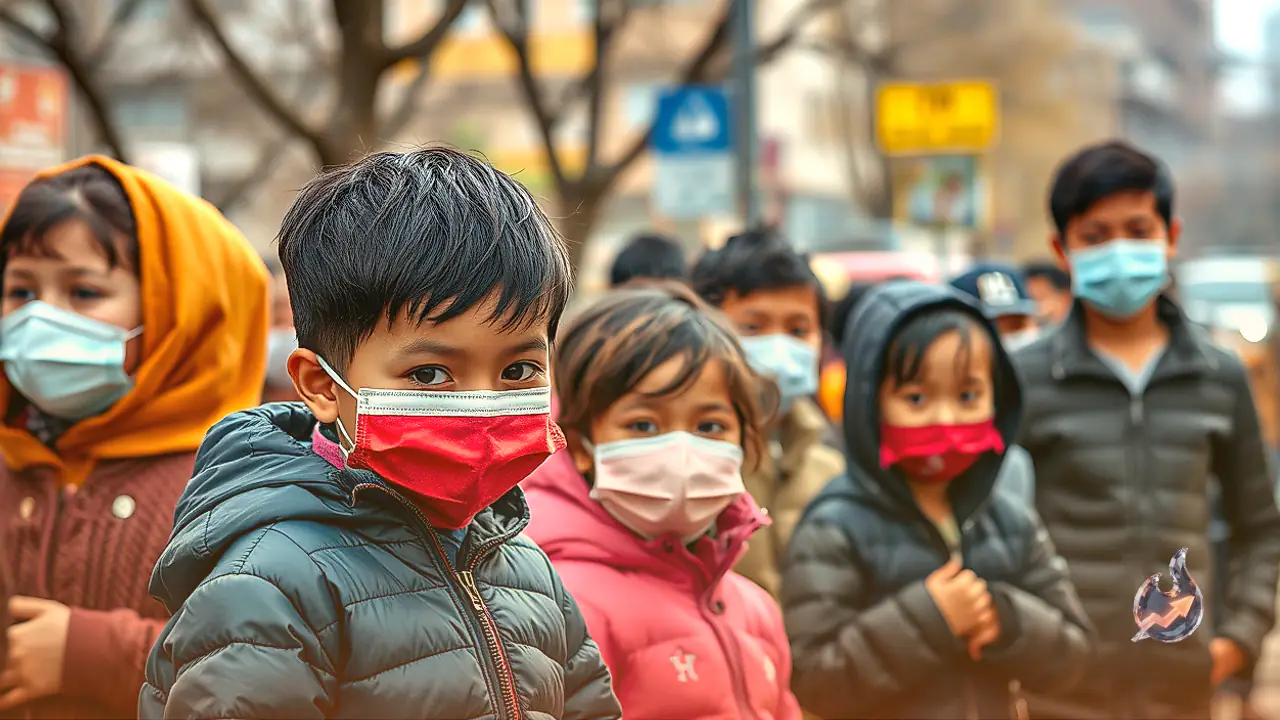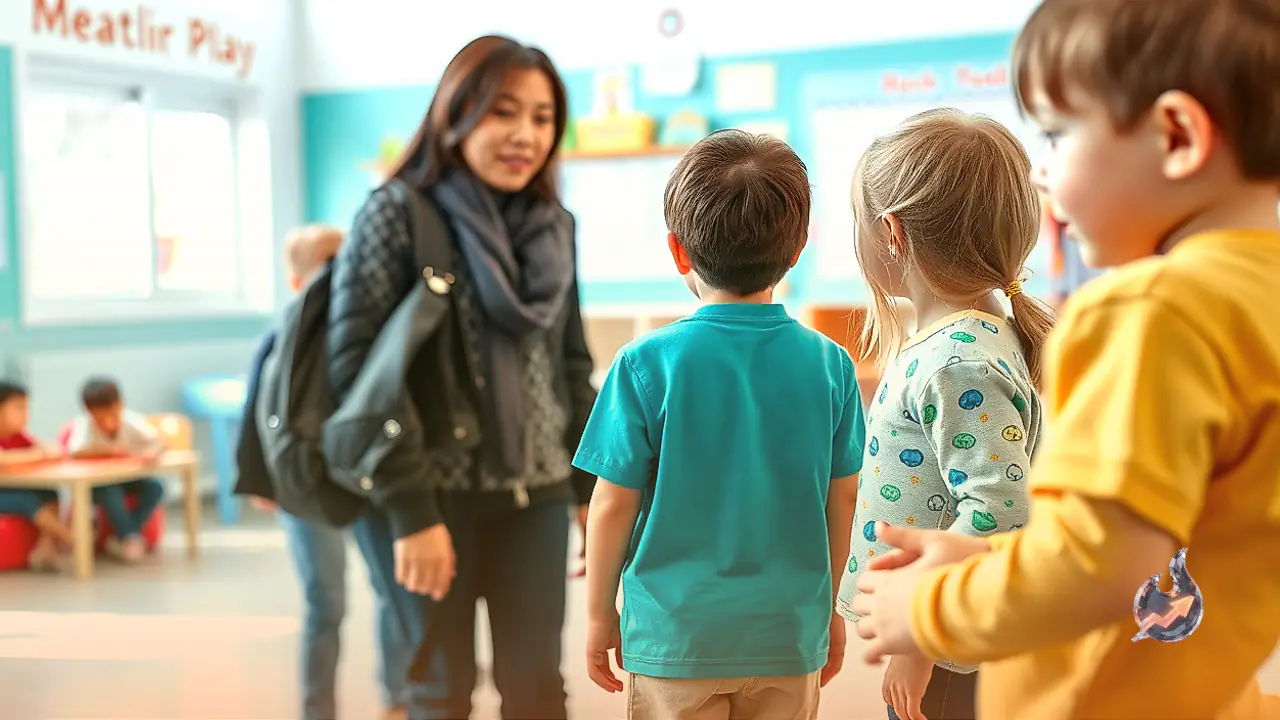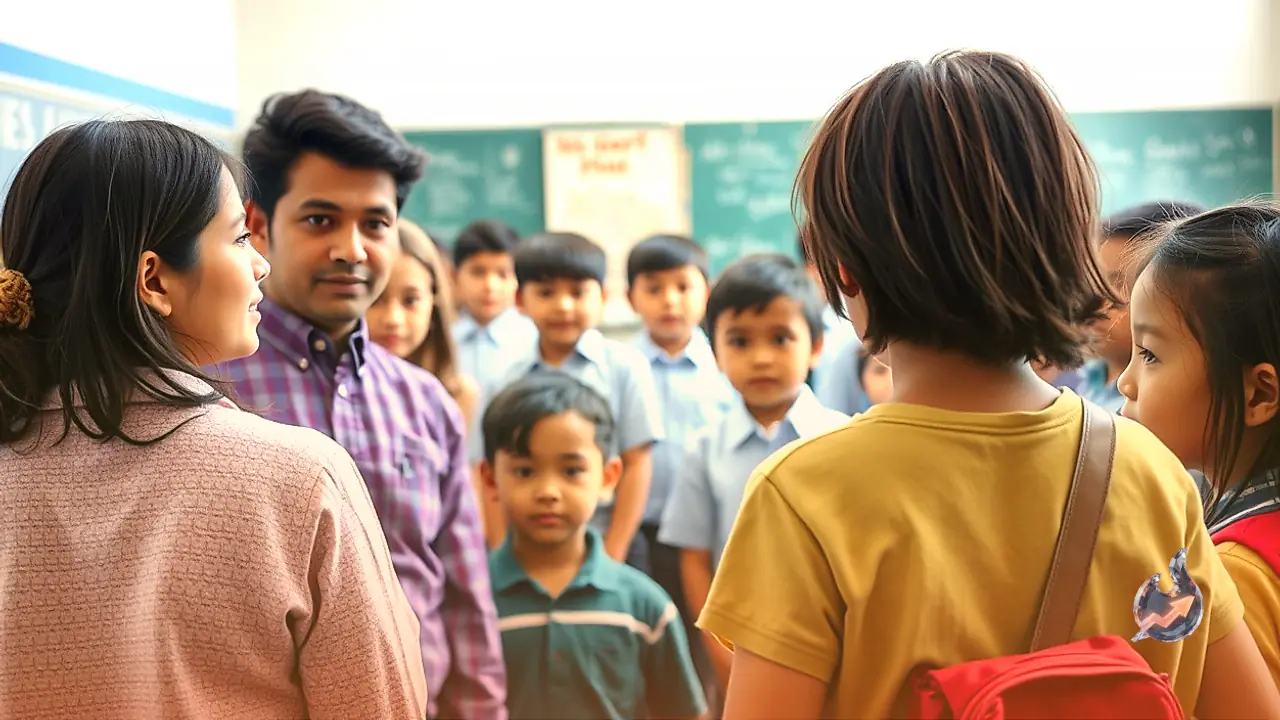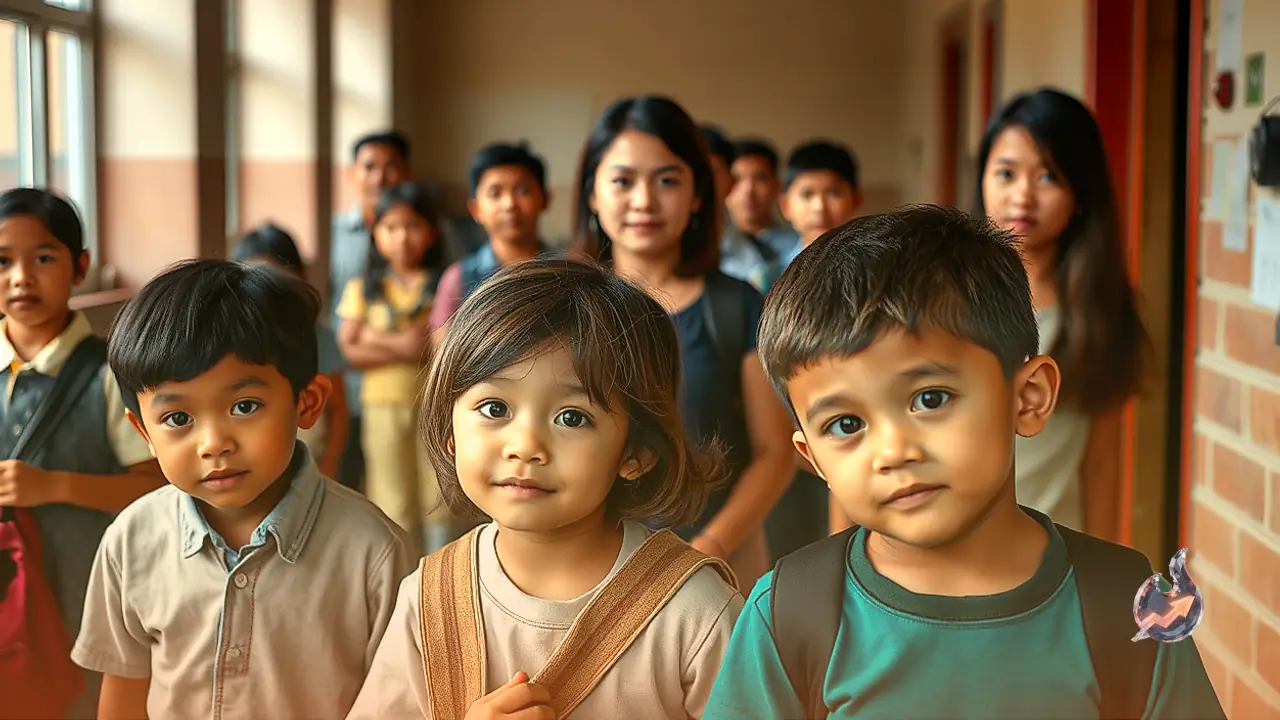
























The mere announcement of a school trip brings immense joy and excitement to children. Traveling alongside classmates, exploring unfamiliar destinations, and sharing late-night conversations form memories that students cherish for a lifetime. However, for parents, sending a child away from home inevitably introduces a degree of nervousness and apprehension. Concerns regarding whether the child will eat properly, manage their belongings, or remain safe amidst crowded tourist spots frequently occupy a parent’s mind. These worries are completely understandable. Nevertheless, instead of letting anxiety overwhelm the experience, parents can prepare their children by discussing essential safety practices prior to departure. Establishing clear guidelines ensures that parents remain relaxed while children learn to navigate their outing responsibly.
Memorizing Emergency Contacts and Home Address
Prior to embarking on the trip, children should be able to recall their parents’ full names and primary telephone numbers accurately. While smartphones and digital gadgets are common today, technical issues such as loss of cellular network coverage or drained batteries often occur during travel. Relying solely on electronic devices can be risky, making verbal memorization essential. Additionally, parents should write their full name, mobile number, and residential address on a slip of paper and place it inside an interior pocket of the child’s backpack or behind their school identification card. Children must be instructed that in the event of an emergency or separation from the group, they should approach a police officer, security staff member, or trusted adult to make a phone call to that emergency contact number.
Adhering to the Buddy System and Group Movement
During sightseeing and group activities, children frequently get distracted by sights and sounds, leading them to wander away from their peers. It is vital to emphasize that students must never venture off alone under any circumstances. They should remain in close proximity to their designated school group and supervising teachers at all times. Even for basic needs such as using the restroom, children should follow the buddy system by informing a teacher and taking at least one classmate along. The buddy system ensures that two students look out for each other continuously, drastically minimizing the risk of anyone getting lost or left behind in crowded areas.
Exercising Caution Around Strangers
Educating children on how to interact with unfamiliar individuals during a journey is a critical aspect of personal safety. Children should be taught not to trust strangers blindly regardless of how friendly they appear. If a stranger offers food, beverages, or gifts, invites them to walk toward secluded areas, or tries to engage in overly personal conversation, the child should immediately step back and maintain distance. Students should be advised to inform their accompanying teacher or tour guide right away without any hesitation. Parents must reassure their children that reporting uncomfortable interactions will not get them into trouble, but is instead a crucial step in ensuring their well-being.
Taking Personal Responsibility for Health and Belongings
While parents handle every minor detail at home, a school excursion offers an opportunity for children to develop personal responsibility. Parents should remind their children to stay adequately hydrated by drinking clean water regularly and to avoid unhygienic or uncovered street food that could cause stomach ailments. Furthermore, children must take ownership of their personal items, including their identification card, backpack, money, and personal electronics. If a child requires daily prescription medication, parents must explain the dosage schedule clearly to both the child and the lead teacher supervising the trip.
Communicating Openly with Supervising Teachers
Reluctance to speak up due to shyness or fear of authority often prevents children from reporting discomfort during school outings. Before departure, parents should reassure their children that teachers are present specifically to protect and support them. If a child feels unwell, anxious, or experiences any uncomfortable situation, they should feel confident approaching their teacher immediately. Emphasize that seeking assistance promptly is a smart and mature decision that ensures a smooth and enjoyable trip.
Guiding Children with Empathy and Positive Reinforcement
When preparing a child for an excursion, parents should avoid overwhelming them with stern warnings or scare tactics. Safety instructions should not feel like restrictive rules or punishments; rather, they should be framed as smart travel hacks that empower the child. Presenting safety guidelines in a warm, encouraging manner helps children absorb the information positively, enabling them to enjoy their journey while staying safe and responsible.