























Unpredictable temperature swings during seasonal transitions often lead to a rapid increase in viral illnesses across households. While adults frequently manage through minor throat irritation or mild fatigue, infants and toddlers face severe vulnerability because their immune systems are still developing. Sharp variations between daytime warmth and evening chill commonly trigger bouts of runny noses, persistent coughs, sore throats, and high body temperatures in young children. Managing these recurrent seasonal sicknesses can become deeply stressful for parents, yet establishing systematic lifestyle safeguards and basic domestic hygiene offers reliable protection against contagious infections.
Wholesome Home Cooking Outweighs Packaged Treats
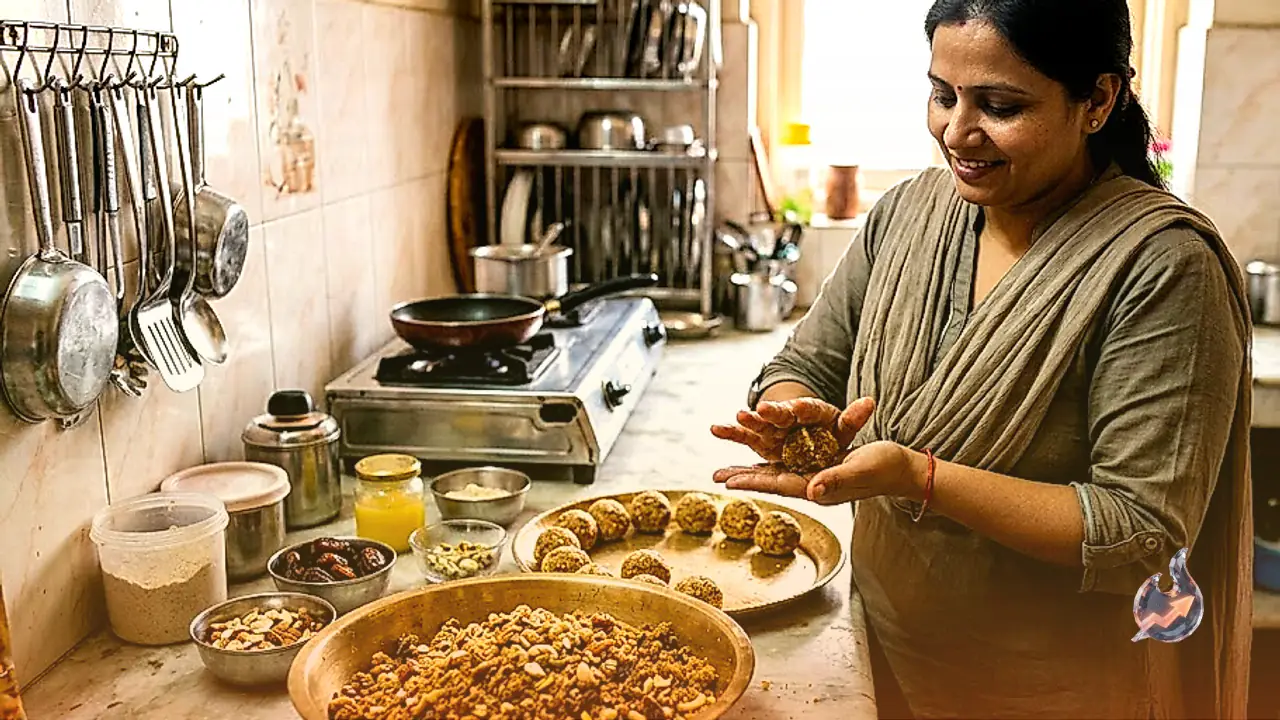
Addressing these seasonal health challenges, Dr. Prem Prakash, Head of the Department and Pediatrician at Purnea Government Medical College, emphasizes that erratic dietary habits combined with fluctuating weather conditions accelerate illness among both children and adults. While mature bodies can absorb minor viral stress with relative ease, the impact on infants is far more acute. To protect younger children from recurrent viral bouts, parents must strictly eliminate commercial market snacks, processed foods, and heavily spiced street items from their routine. Children need pure, clean, freshly prepared domestic meals. Nutritious home-cooked food ensures smooth digestion and supplies vital nutrients that shield developing internal organs from viral stress.
Strict Adherence to Childhood Immunization Schedules
Building resilient natural defenses requires thorough attention to pediatric vaccines. Dr. Prem Prakash underscores that parents must diligently complete every scheduled vaccination prescribed from birth up through the growing years. Immunization acts as the body's primary shield against severe contagious pathogens and builds long-term biological resistance against dangerous respiratory illnesses. Skipping or postponing routine vaccination appointments leaves young children defenseless against opportunistic infections, making them far more prone to falling sick whenever seasonal temperatures fluctuate.
Preventive Isolation and Masking Within the Household
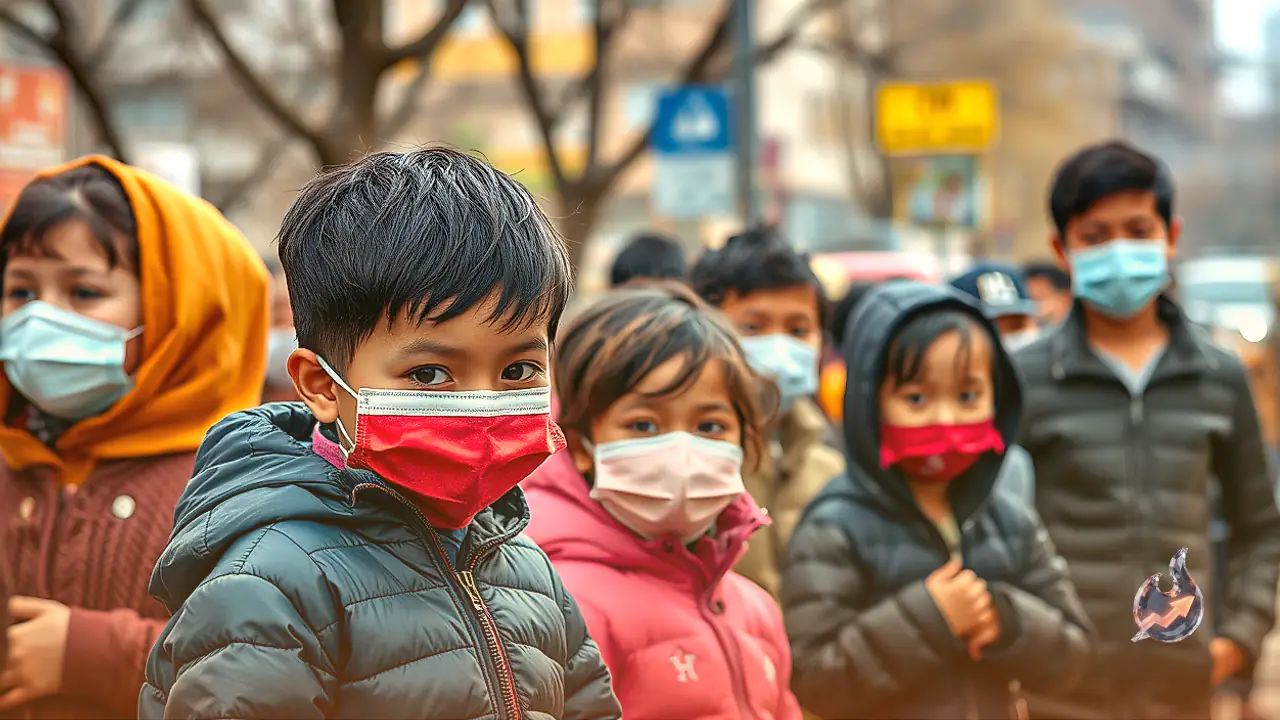
A frequent trigger for pediatric illness is viral spread among family members residing under the same roof. When an adult contracts a common cold or respiratory tract infection, the airborne droplets spread quickly across domestic living spaces, placing infants at serious risk. Medical specialists strongly advise that any family member experiencing cold symptoms should immediately wear a face mask indoors. Maintaining safe physical distance from infants is critical during the contagious phase. Infected caregivers must refrain from holding, cuddling, or closely embracing young children until symptoms fully subside, thereby halting direct viral transmission.
Eliminating Refrigerated Cold Items and Stale Meals
Temperature regulation of food and drink is equally crucial while weather patterns remain unstable. Parents should completely avoid giving children cold water straight from the refrigerator, chilled packaged beverages, stale leftovers, or meals stored inside refrigerators for extended durations. Such items can rapidly inflame the delicate throat lining and weaken immunity. Instead, the daily diet should center on vibrant green leafy vegetables, freshly cut seasonal fruits, and warm, freshly prepared wholesome foods. A continuous intake of fresh produce actively strengthens immune defenses and supports healthy physical development throughout childhood.