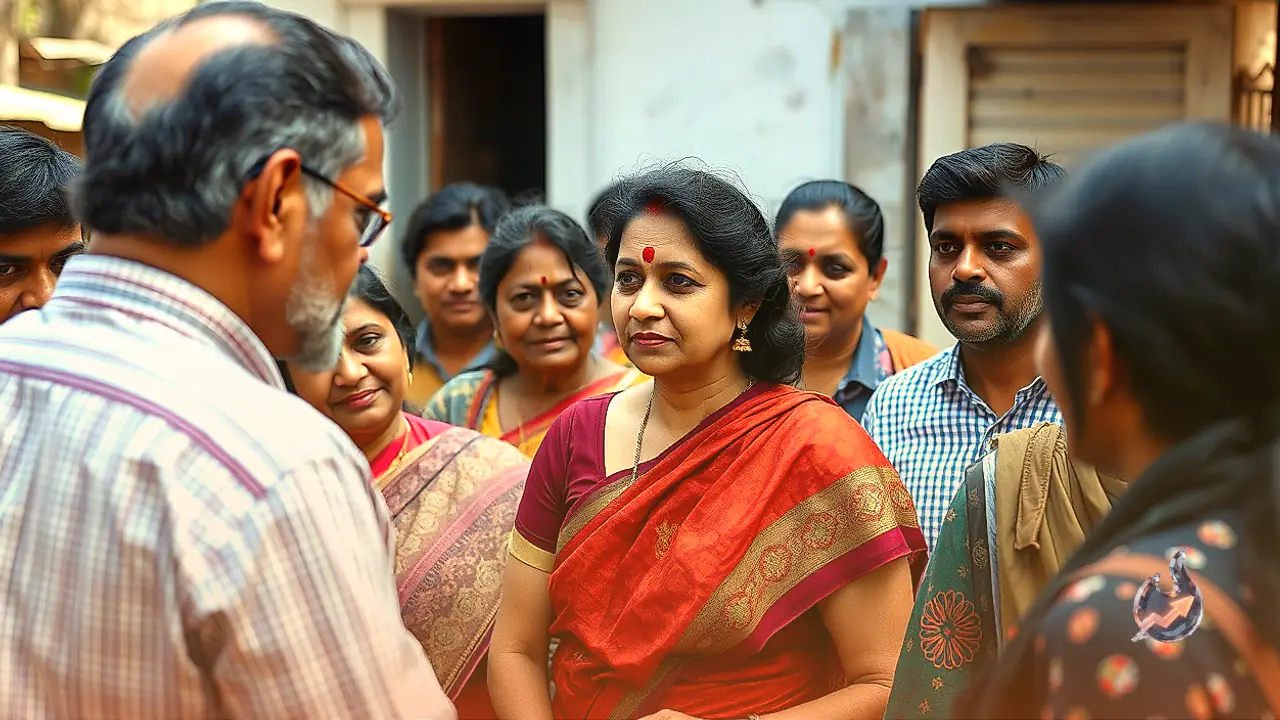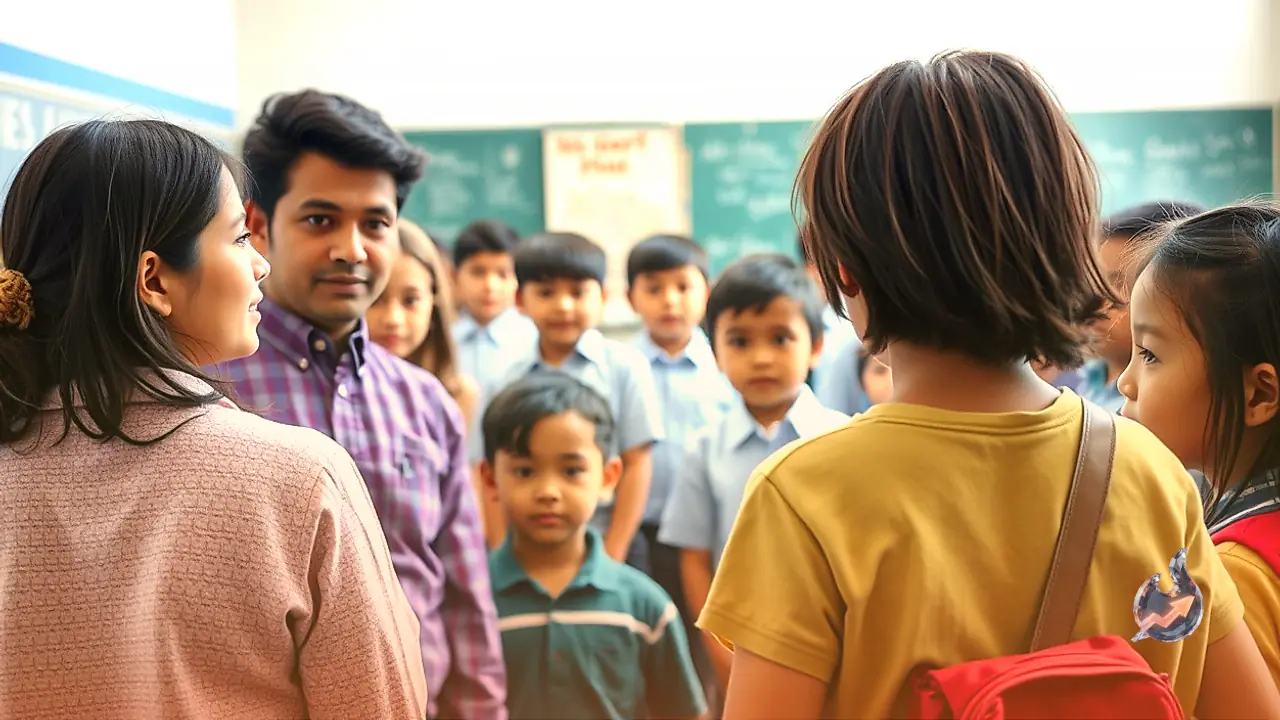




















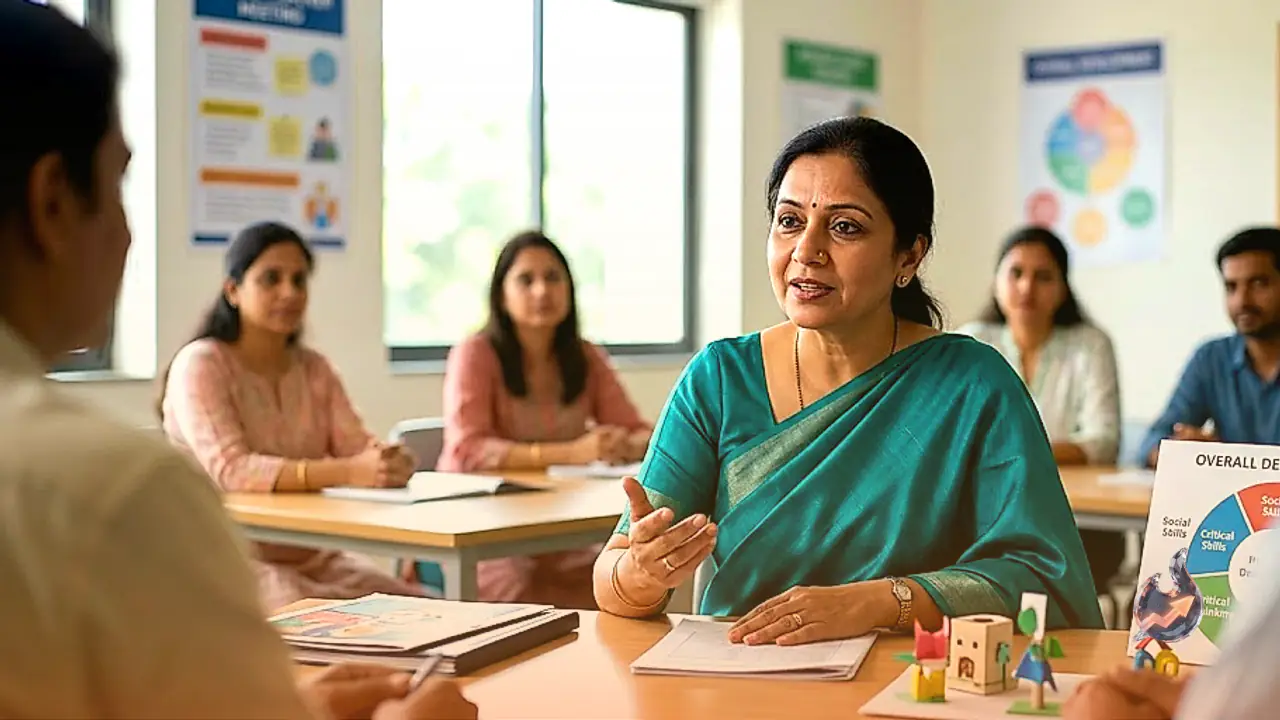

In most schools, Parent-Teacher Meetings (PTMs) are often treated as mere formal sessions dedicated to reviewing report cards and calculating academic scores. Parents typically meet class teachers, check marks across subjects, and scold or lecture their child if the results fall short of expectations. However, educational experts point out that a PTM is a far more significant opportunity than a simple numbers check. This platform allows parents to gain deeper insights into how their child is adapting to the classroom environment, how well they get along with peers, and what unique strengths or underlying difficulties they might be experiencing.
Focus on Conceptual Understanding Over Rote Memorization
Understanding how a child learns during classroom instruction is far more critical than simply looking at final examination marks. During interactions with teachers, parents should strive to understand whether the child is merely memorizing answers to pass exams or genuinely grasping the underlying concepts of the subject. It is essential to inquire about the subjects where the child demonstrates strong natural comprehension and the specific areas where they require additional guidance or support. Furthermore, if a child hesitates to ask questions or holds back from participating in class discussions, parents should consult the teacher to learn effective techniques that can be practiced at home to overcome hesitation and build academic confidence.
Evaluating Emotional Well-being and Social Adaptation
A child's social and emotional well-being is just as vital to their overall development as their academic performance. While conversing with teachers, parents ought to ask how the child behaves in the classroom context—whether they interact freely with classmates or show signs of isolation. It is equally important to discuss their participation and spirit of collaboration in team activities and group projects. If a child expresses any distress at home or hesitates to attend school, parents must proactively inform the teacher so that any underlying emotional or social concerns can be addressed jointly without delay.
Identifying and Nurturing Inherent Talents
Every child possesses distinct learning patterns, interests, and innate talents, and not every student is destined to excel purely in academic subjects. During a PTM, parents should ask teachers about the child's inclinations outside the standard syllabus, such as in sports, arts, music, leadership roles, or scientific exploration. Once both teachers and parents recognize these special talents and areas of interest, they can coordinate efforts at school and home to provide appropriate encouragement, guidance, and platforms for the child's multi-faceted growth.
Crucial Errors Parents Must Avoid During PTMs
Certain common mistakes made by parents during parent-teacher interactions can negatively impact a child's morale and self-esteem. To make these meetings constructive, parents should keep the following precautions in mind
- Avoid Comparisons: Never compare your child's academic grades or behavioral habits with their siblings or class toppers, as this can foster feelings of inferiority and resentment.
- Do Not React Angrily to Feedback: If a teacher points out a shortcoming or behavioral issue, view it as an opportunity for constructive improvement rather than starting an argument or defending errors.
- Do Not Humiliate the Child: Refrain from scolding, reprimanding, or shaming your child in front of the teacher or peers during the meeting, as it damages their self-respect.
Moving Beyond Formal Complaints to Informal Dialogues
According to Nishi Dhanjal, Principal of Dharav High School located on Ajmer Road in Jaipur, a PTM is not merely a formal meeting to compute marks or log complaints. Instead, it serves as an excellent opportunity to build a meaningful partnership between parents and educators. She emphasizes that parents should not confine their discussions to academic grades alone, but should actively engage with teachers regarding the child's overall behavior, emotional health, social perspective, and level of self-confidence.
Institutions like Dharav High School in Jaipur believe that communication between schools and parents should extend beyond traditional, rigid PTM structures. Incorporating informal sessions such as 'Coffee & Conversations' offers a relaxed atmosphere where parents and teachers can sit together to discuss evolving challenges, changing interests, and mental health matters without hesitation. When the home and school collaborate effectively, a solid foundation is laid for the child's overall growth and future success.