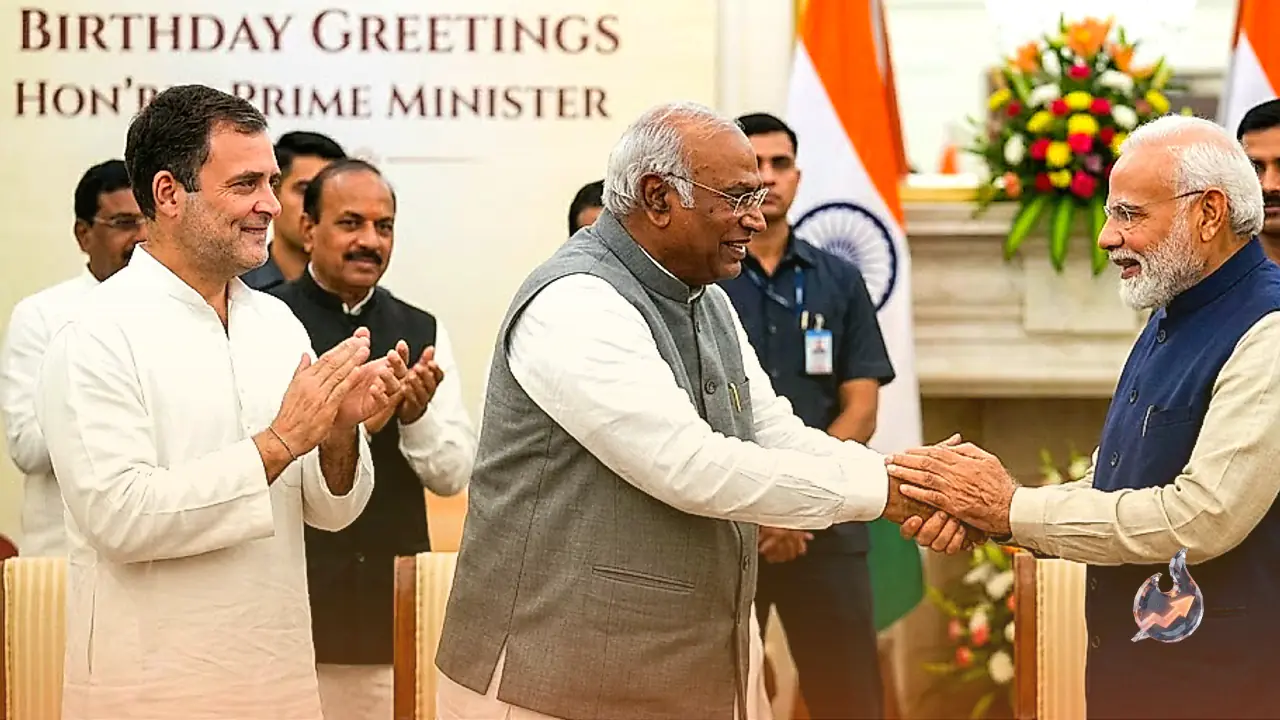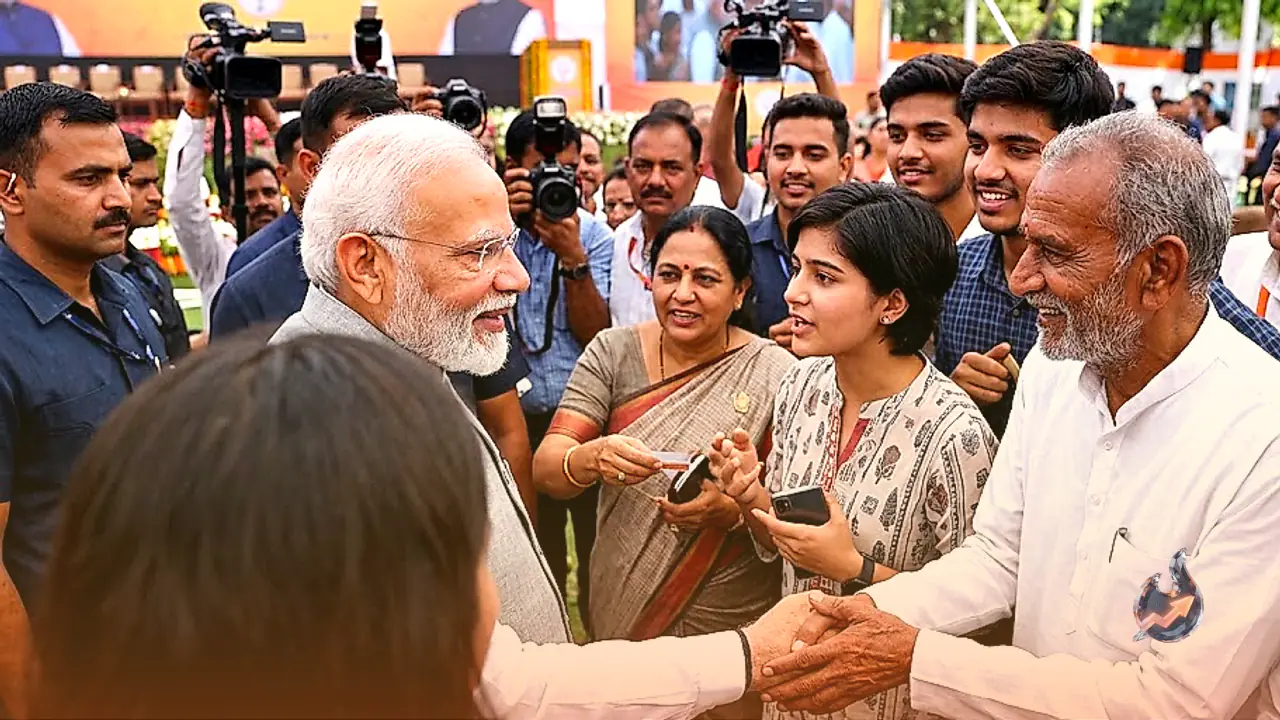
















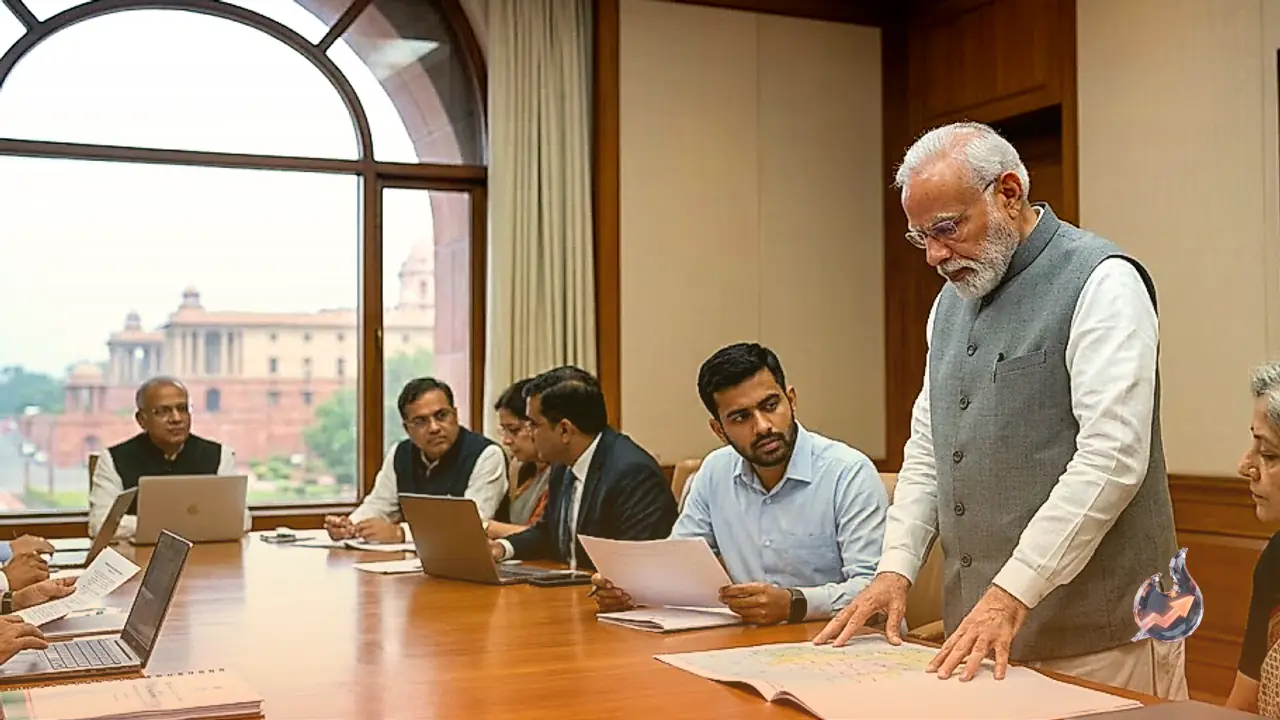

Prime Minister Narendra Modi recently celebrated his 76th birthday. This personal and political milestone arrives at a critical juncture for both the Bharatiya Janata Party (BJP) and his administration, as they navigate an array of unprecedented challenges. Although Modi's personal popularity remains remarkably high among the Indian electorate, the sudden rise of new socio-political currents, particularly around issues affecting the youth, has generated visible anxiety within the ruling establishment. How the Prime Minister steers himself, his party, and the government through these complex political waters is likely to be revealed in the upcoming legislative assembly elections in Uttar Pradesh, Uttarakhand, Punjab, and Goa. The outcomes of these high-stakes state elections will not only chart the future trajectory of Indian politics but also signal whether Narendra Modi will lead the alliance as the prime ministerial candidate for a fourth term in 2029 or begin grooming a political successor. By the time of the 2029 general elections, Modi will be 79 years old, just one year shy of his 80th birthday.
The 2024 Mandate and the Subsequent State Election Resurgence
Historically, similarly challenging and complex political landscapes emerged during the 2024 Lok Sabha elections, when the BJP fell short of achieving a simple majority on its own. This outcome was a significant strategic setback for the party, especially given its ambitious campaign slogan, "Abki baar 400 paar." Despite this initial shock, the party demonstrated its trademark resilience and organizational strength by launching a formidable electoral comeback. This turnaround began with an unexpected victory in the challenging assembly elections in Haryana. Following this triumph, the party secured decisive victories in crucial state assembly elections across Maharashtra, Bihar, and West Bengal, successfully re-establishing its political dominance across three major geographic directions of the country, excluding the south.
The electoral triumph in West Bengal stands out as one of the most remarkable achievements of Narendra Modi's political career. He successfully led the BJP to victory in a state that had long been an impregnable bastion of Left-wing politics before becoming a stronghold of Mamata Banerjee and the Trinamool Congress. This dramatic victory altered the national political discourse, largely overshadowing the struggles the BJP faced during the 2024 general elections. Until recently, it appeared that major policy proposals such as "One Nation, One Election" and constituency delimitation, coupled with the strategic passage of the women's reservation bill, would push the opposition into irrelevance. Regional parties, in particular, seemed to be fracturing under this pressure. The Trinamool Congress in West Bengal, the Biju Janata Dal (BJD) in Odisha, the Rashtriya Janata Dal (RJD) in Bihar, alongside Uddhav Thackeray's faction of the Shiv Sena and Sharad Pawar's Nationalist Congress Party (NCP) in Maharashtra, all appeared to be losing ground. It seemed highly probable that, with the exception of the Indian National Congress and regional Dravidian parties in the south, the country was heading toward an almost opposition-free political landscape.
The Rise of the CJP and Shifting Dynamics of Youth Outreach
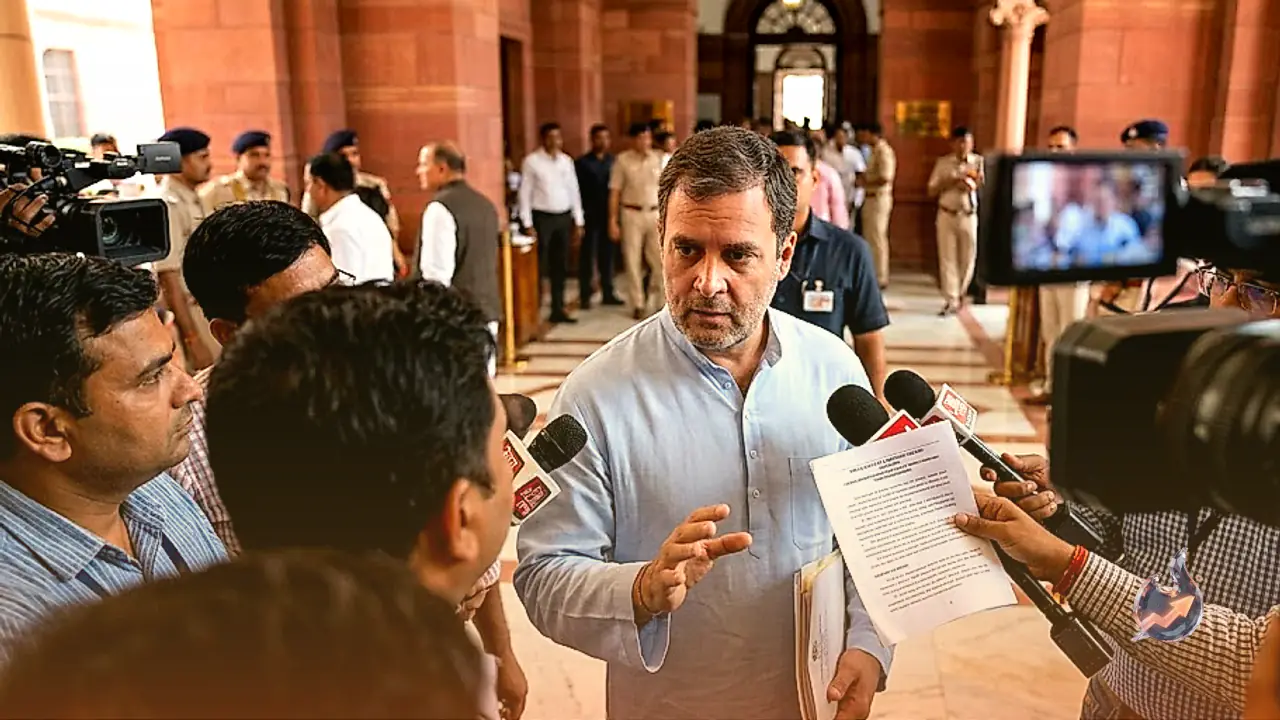
However, this political trajectory was disrupted in July by the sudden emergence of a non-political group called the 'Cockroach Janata Party' (CJP). The rapid rise of this group created a massive political storm, forcing the central government to make a rare concession by accepting the resignation of the Union Education Minister. This marked the first time the current administration appeared to bend under the weight of external public pressure. Following this event, traditional core campaign themes of Hindutva and nationalism seemed to lose their historical resonance among Gen Z and younger voters. In response to this shifting dynamic, Prime Minister Modi made a notable effort to connect directly with younger audiences, addressing them as "Friends." At 75 years of age, Modi was seen adapting to modern digital communication, actively engaging with mobile screens to bridge the generational divide. Amid these evolving youth aspirations, the Prime Minister faces a renewed political challenge. The opposition leader, whom Modi has historically dismissed as a "Shehzada" disconnected from India's grassroots reality, is now successfully engaging with college students through structured dialogue programs, while receiving significant and serious coverage across mainstream media outlets.
Coalition Pressures and the Uniform Civil Code Dilemma
The implementation of a Uniform Civil Code (UCC) has long been a core ideological objective for the BJP. However, the government's current strategy on this sensitive matter is facing scrutiny from within its own coalition. Union Home Minister Amit Shah's declaration that the UCC would be implemented across 21 NDA-governed states by 2029 has made key regional allies cautious and uncomfortable. The Telugu Desam Party (TDP), a vital coalition partner based in Andhra Pradesh, openly expressed its reservations, stating that no prior consultation had taken place regarding this policy. Similarly, other crucial partners such as Nitish Kumar's JD(U) in Bihar, Chirag Paswan's LJP, and Jayant Chaudhary's RLD have shown little enthusiasm for standing alongside the BJP on this controversial legislative issue.
The Signature Bold Moves: Demonetisation, Article 370, and Ram Mandir
Both supporters and critics of Prime Minister Modi have consistently admired his relentless energy and determination. Modi's political mindset is often compared to a cricketer who refuses to accept defeat until the final delivery of the match has been bowled. An aggressive and highly persuasive orator, he possesses a rare ability to transform crises into opportunities. While the Gujarat riots initially impacted the country's international reputation, Modi managed to channel the domestic political fallout to establish himself firmly as a prominent champion of Hindutva politics.
Throughout his career, Modi's governance style has been defined by high-impact, unexpected decisions. Following his first election victory, his most disruptive decision came in 2016 with the implementation of demonetisation. Although this policy caused temporary economic disruption, the BJP's subsequent landslide victory in the Uttar Pradesh assembly elections was largely attributed to it. Modi successfully convinced the electorate that the move was a necessary crusade against black money and national security threats. This bold approach was mirrored in his second term when, on August 5, 2019, his administration revoked Article 370, stripping Jammu and Kashmir of its special status and cementing his status as a staunch nationalist leader. This ideological momentum culminated on January 22, 2024, with the consecration of the Ram Lalla idol in the newly constructed temple in Ayodhya, where Modi served as the chief patron (Yajman), deeply reinforcing his legacy among Hindutva supporters.
A Legacy of Infrastructure, Welfare Initiatives, and Analytical Perspectives
Nevertheless, it would be incomplete to evaluate his leadership solely through the lens of ideological issues. Over his 12-year tenure as Prime Minister, his administration has driven massive development, particularly in modernising India's physical infrastructure over the past decade. The 'Swachh Bharat Abhiyan' (Clean India Mission) was a nationwide public hygiene campaign that altered the collective consciousness of the country regarding sanitation. While complete cleanliness remains an ongoing challenge, the credit for shifting public attitudes toward hygiene lies largely with this campaign and Modi's personal advocacy. Additionally, significant advancements in green energy stand as a major hallmark of his government's developmental agenda.
On the social welfare front, the administration has introduced several targeted initiatives aimed at uplifting marginalized communities. Under the Pradhan Mantri Jan Dhan Yojana, the government facilitated banking access for millions of unbanked citizens, opening over 31 crore zero-balance accounts. Furthermore, the Pradhan Mantri Awas Yojana launched an ambitious housing drive aiming to construct approximately 1 crore homes for the homeless. Similarly, the Ujjwala Yojana provided clean cooking gas connections to impoverished households, significantly improving health outcomes for women in rural areas.
This comprehensive analysis is provided by Rasheed Kidwai, a senior journalist, political analyst, and Visiting Fellow at the Observer Research Foundation (ORF). Kidwai has written extensively on both Indian politics and the cultural influence of Hindi cinema. He is the author of several acclaimed books, including 'Sonia: A Biography', 'Ballot: Ten Episodes That Have Shaped India's Democracy', 'Neta-Abhineta: Bollywood Star Power in Indian Politics', 'The House of Scindias: A Saga of Power, Politics and Intrigue', and 'Bharat Ke Pradhan Mantri'. Readers and observers can share their feedback or contact him directly via email at rasheedkidwai@gmail.com.