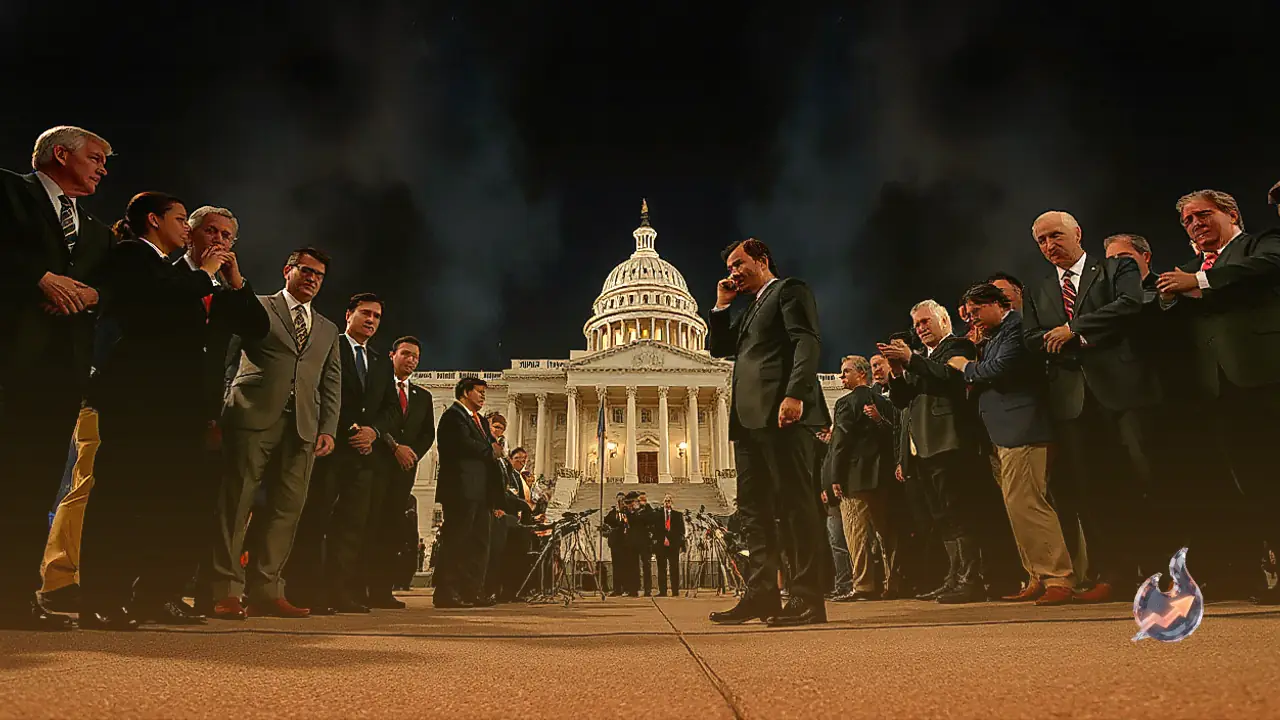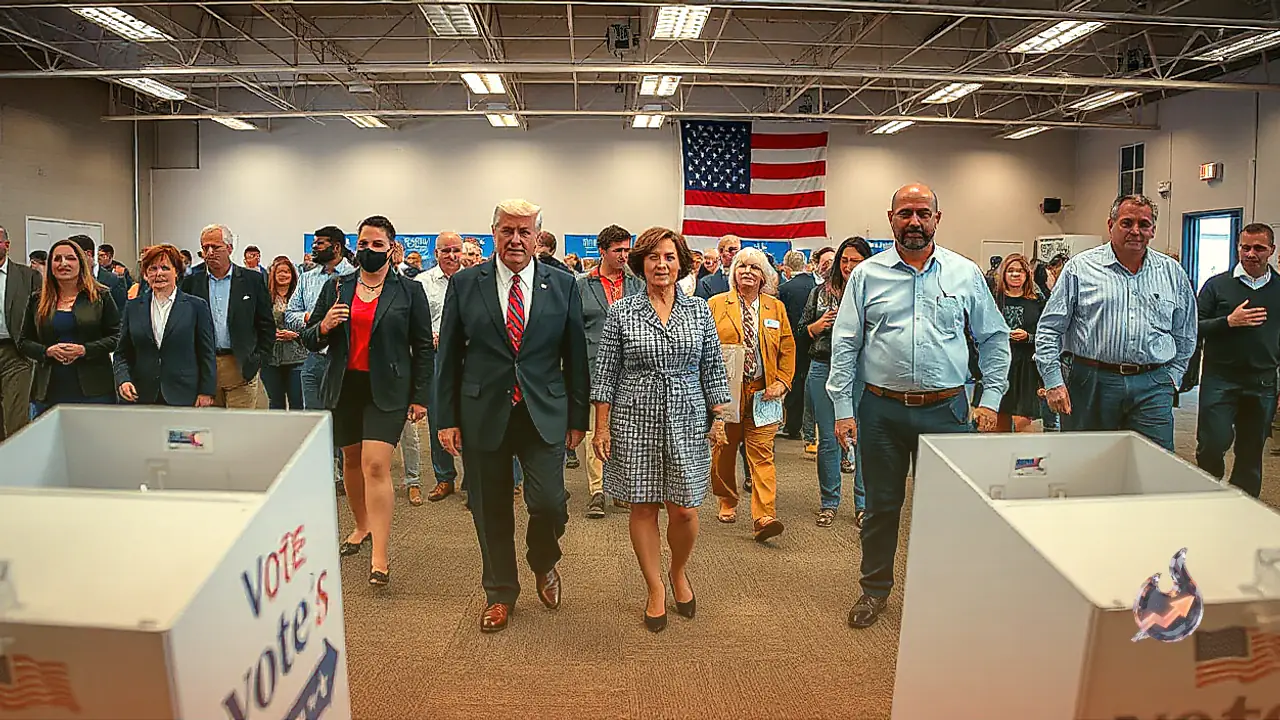




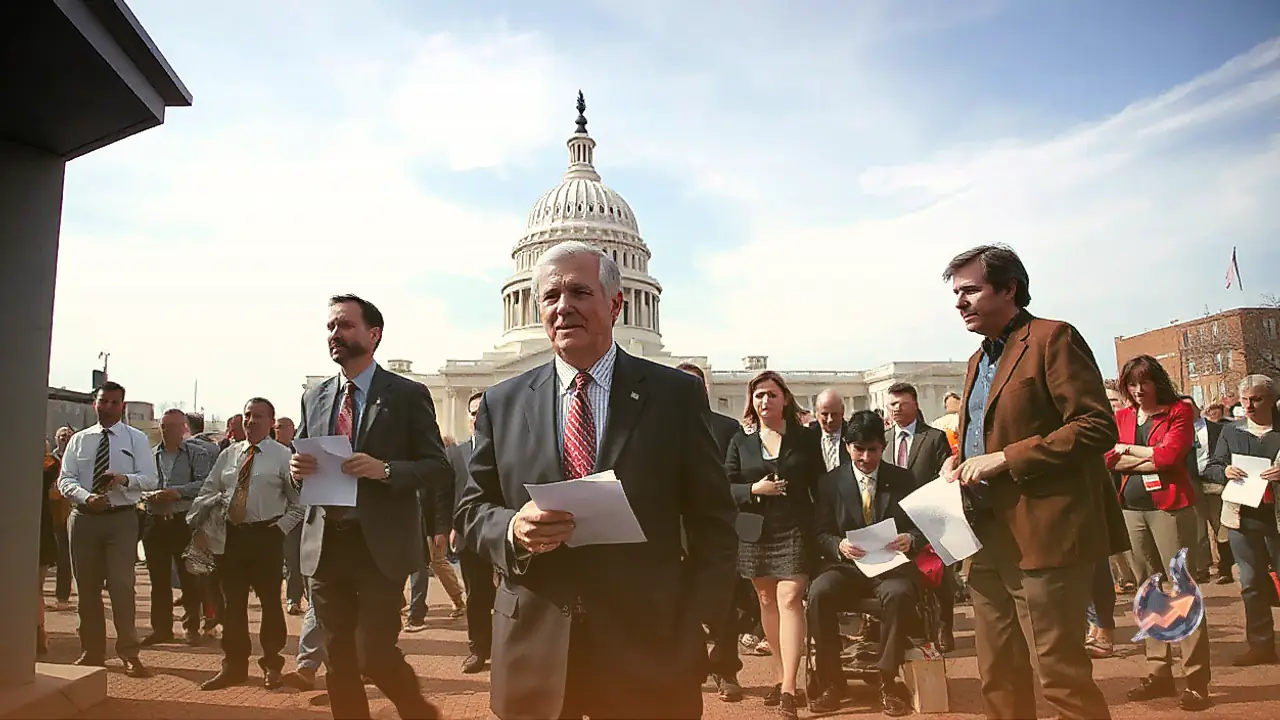
















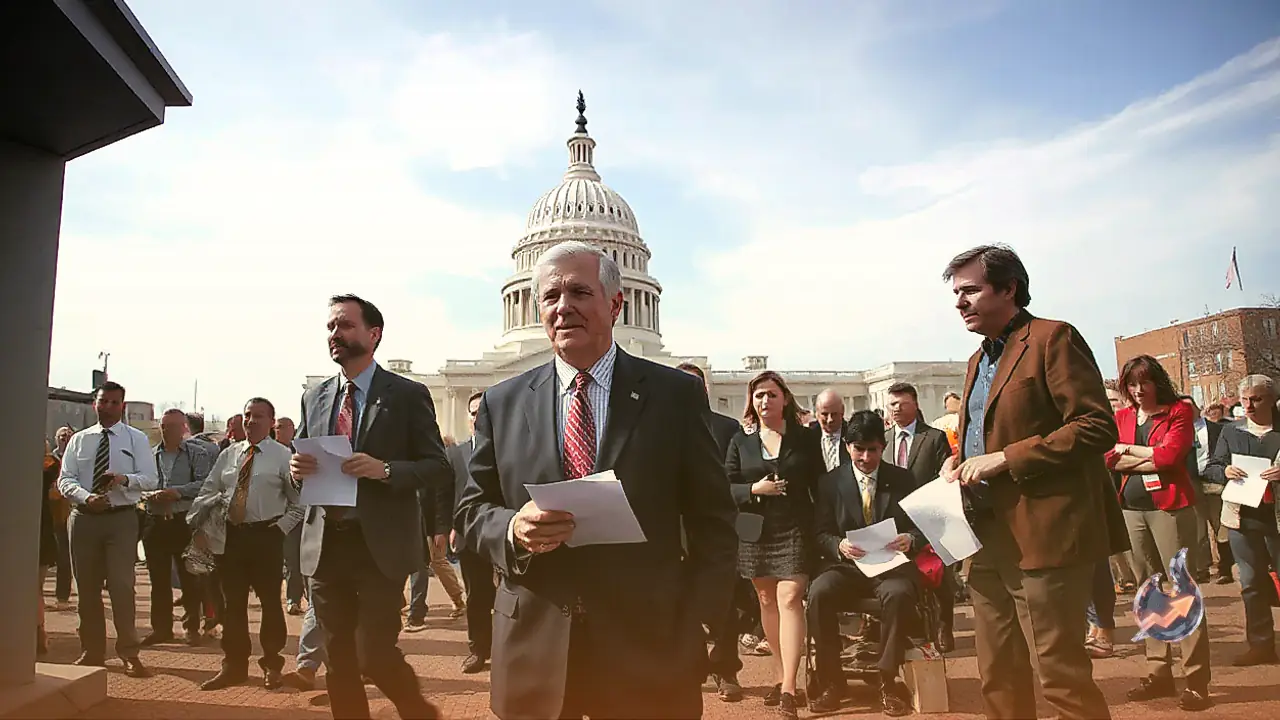

Voters in the United States delivered a significant setback to President Donald Trump in the recent midterm elections. The Republican Party suffered broad losses across the country, resulting in the Democratic Party securing a governing majority in both chambers of Congress, namely the House of Representatives and the Senate. Political observers noted that the outcome arrived without much surprise, following months of trade friction caused by tariff warnings, public strain in relations with long-standing global allies, and heightened geopolitical tensions arising from military strikes against Iran. Furthermore, a sharp rise in domestic US fuel prices severely affected consumer sentiment, translating directly into opposition at the ballot box.
Despite the electoral loss, indications suggest that Donald Trump is unlikely to fundamentally alter his governing style. In public statements following the election, he asserted that had his own name appeared on the ballot, his party would have achieved a major victory. Although he conducted an extensive campaign schedule across multiple states on behalf of Republican candidates, he has refrained from accepting personal responsibility for the defeat. Analysts emphasize that Trump has rarely slowed his pace or altered his course when encountering political obstacles, particularly given that he is not focused on an immediate personal re-election effort.
Congressional Oversight and Limits of Executive Power
With Democrats assuming control of both the House of Representatives and the Senate, the administration will face a substantial increase in legislative scrutiny. Under the US constitutional system, congressional committees hold broad powers to launch formal investigations. Consequently, lawmakers are expected to examine Trump's real estate business ventures, family financial earnings, and the substantial treasury expenditures incurred during military operations linked to Iran.
Nevertheless, the American presidency retains extensive constitutional authority that operates independently of congressional majorities. President Trump maintains the ability to enact policy through Executive Orders. Moreover, in foreign relations and defense affairs, the president wields VETO power. Overriding a presidential veto requires a two-thirds supermajority in both the House of Representatives and the Senate, a high threshold that limits the opposition's ability to easily nullify executive directives. As a result, the legislative branch is expected to exercise rigorous oversight without completely neutralizing executive action.
Recalling the Horrors of the 1984 Anti-Sikh Violence
Parallel to modern political developments, historical recollections brought back memories of the devastating events of November 1, 2, and 3, 1984. Following the assassination of Prime Minister Indira Gandhi, widespread violence targeting members of the Sikh community erupted across the streets of Delhi. Media teams present on the ground at the time, including journalist Tavleen Singh, navigated areas such as Trilokpuri, where roads and central dividers were lined with mutilated and burned bodies.
Eyewitness reports from those days described unchecked mob violence, including horrific incidents where victims were targeted with burning tires placed around their necks. Law enforcement presence was entirely absent from these locations during the peak of the violence, leaving vulnerable residents without immediate police protection or rescue assistance.
Conditions at the Subzi Mandi Mortuary
The severity of the crisis was particularly visible at the Subzi Mandi mortuary in Delhi, where the remains of violence victims were stacked on top of one another. The gruesome conditions inside the facility caused visiting photojournalists to lose consciousness from shock, requiring companions to use meltwater from mortuary ice slabs to revive them.
Four decades later, the trauma remains deeply embedded among survivors and affected families. For those who lost family members, witnessed their homes destroyed, or saw loved ones killed during those early days of November 1984, the historical memory remains a haunting testament to administrative failure and human loss.