





















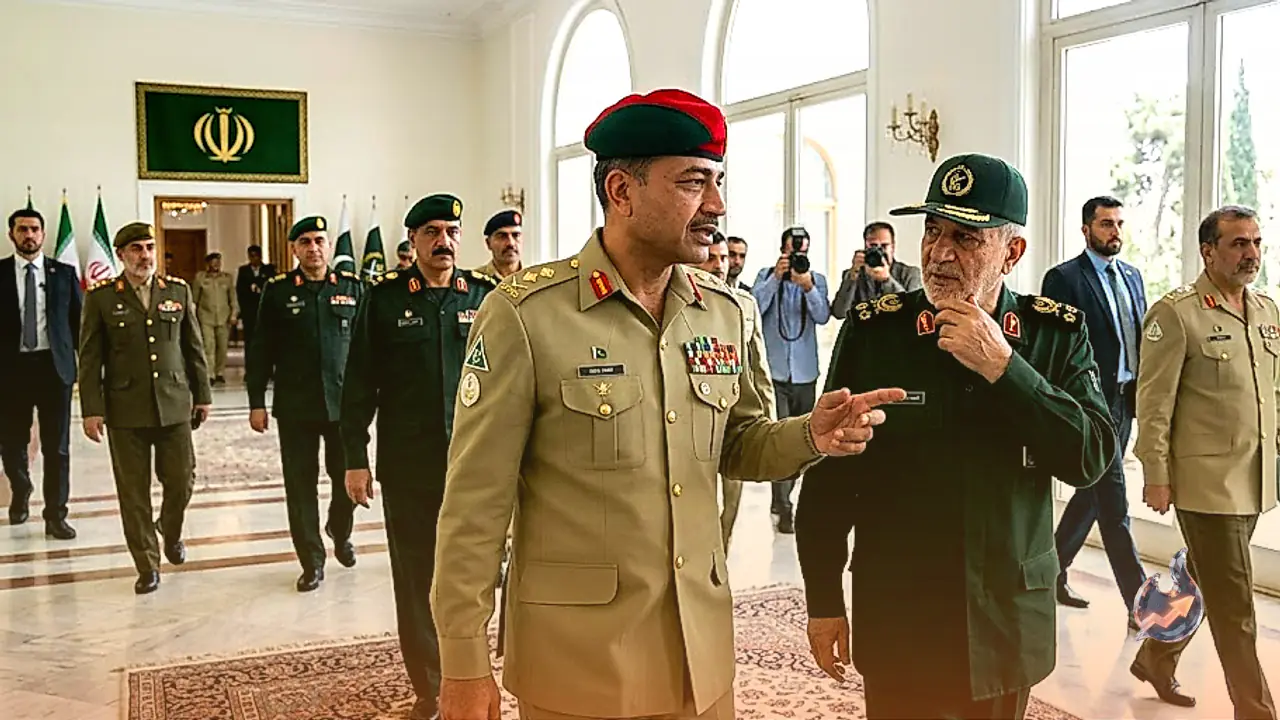

The visit to Tehran by Pakistan's army chief Field Marshal Asim Munir has been officially confirmed by Iranian Foreign Ministry spokesperson Esmaeil Baghaei. This diplomatic outreach unfolds against the backdrop of sharply deteriorating relations between Washington and Tehran, with communication channels largely frozen and the United States signaling the implementation of severe economic restrictions against the Iranian state. As questions swirl regarding potential mediation efforts or alternative geopolitical maneuvers, regional observers are closely monitoring the unfolding discussions.
Bilateral talks are slated to cover a broad spectrum of regional peace and security concerns, with particular emphasis on the impending economic sanctions threatened by US President Donald Trump. Tensions in the wider Gulf area remain pronounced, underscored by disruptions in oil transit through the Strait of Hormuz and warnings regarding unapproved tanker movements. According to official disclosures from Islamabad, the agenda encompasses ongoing regional developments, the multifaceted economic crisis in Iran, and the overarching friction with American authorities.
Washington has previously issued strict warnings directed at any international actors attempting to extend economic relief or assistance to the Iranian administration, drawing firm counter-threats from Tehran. In this delicate climate, the utility of Pakistan attempting to act as a diplomatic go-between faces skepticism, given past reservations expressed by Iranian officials regarding Islamabad's reliability and a diminished appetite from the current US leadership for traditional intermediaries.
Navigating the Aftermath of the Makkah Pact
The timing of this visit follows closely on the heels of the Makkah joint defense agreement signed on August 7, 2026, by Saudi Arabia, Turkey, and Pakistan. This collective security framework stipulates that an act of aggression against any single member state will be treated as an attack on all three signatories. The establishment of this arrangement prompted immediate anxiety within political circles in Tehran, where concerns were raised that the security pact could eventually be leveraged against Iranian strategic interests.
A primary objective of the visit is widely perceived as an effort to alleviate these security apprehensions and reassure Iranian leadership. While deepening its defense cooperation with Riyadh and Ankara, Islamabad seeks to maintain an open diplomatic dialogue with Tehran, attempting to frame the Makkah agreement as a stabilizing mechanism for the broader region rather than an exclusionary alliance designed to isolate Iran.