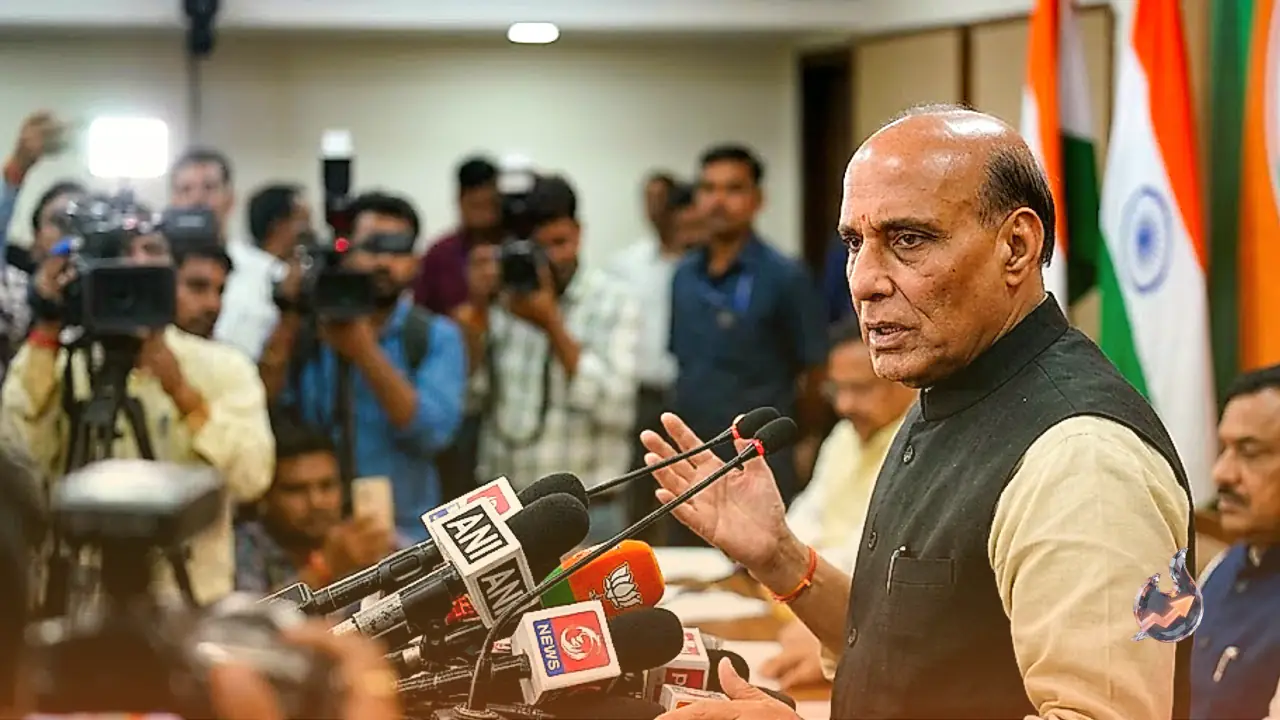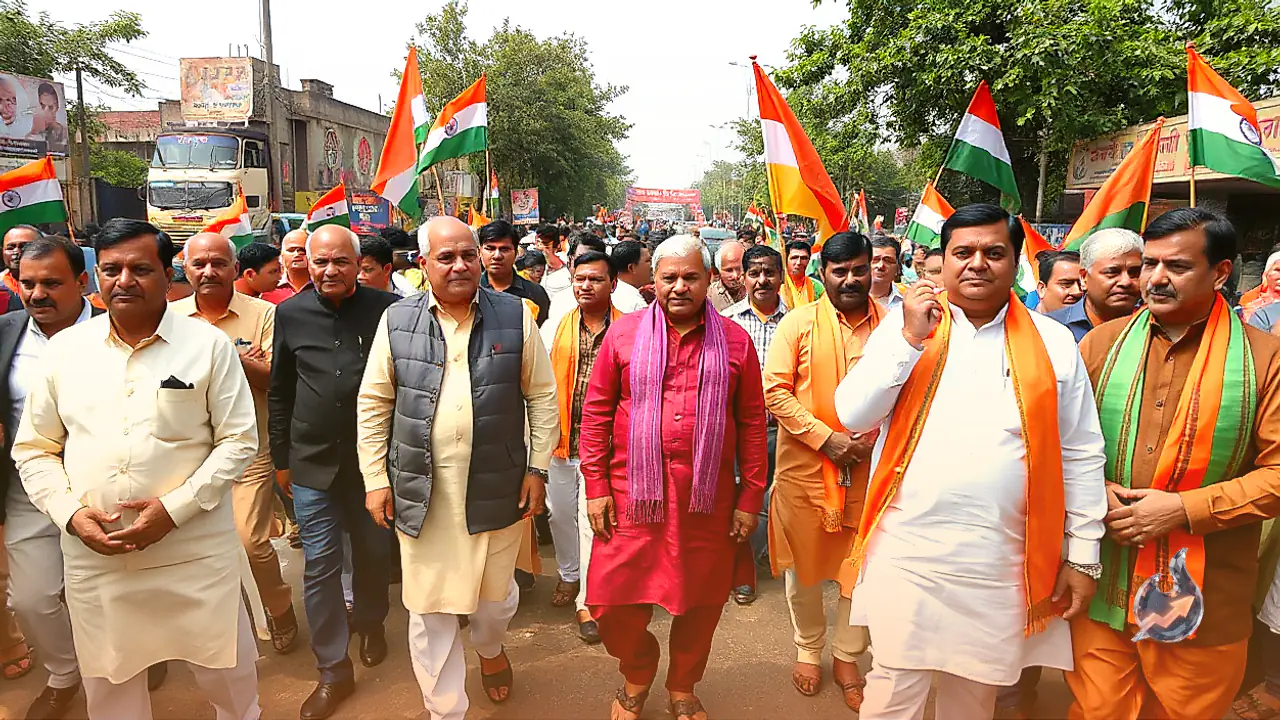


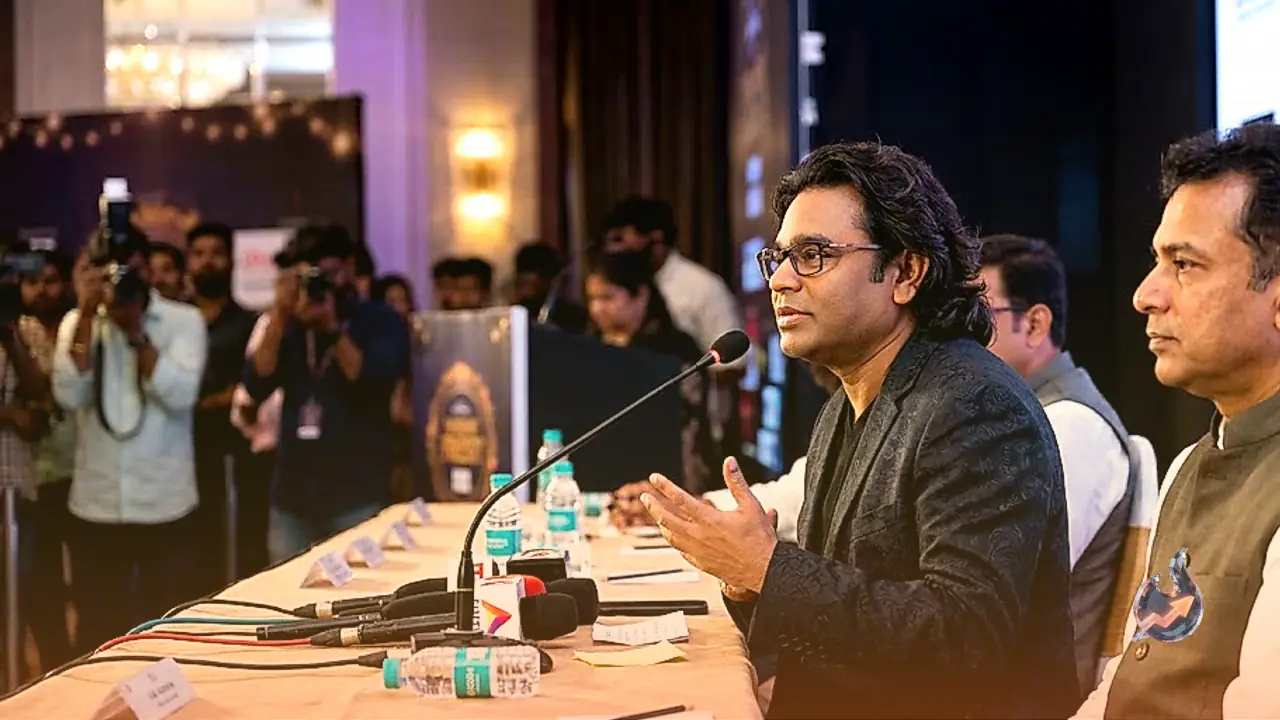


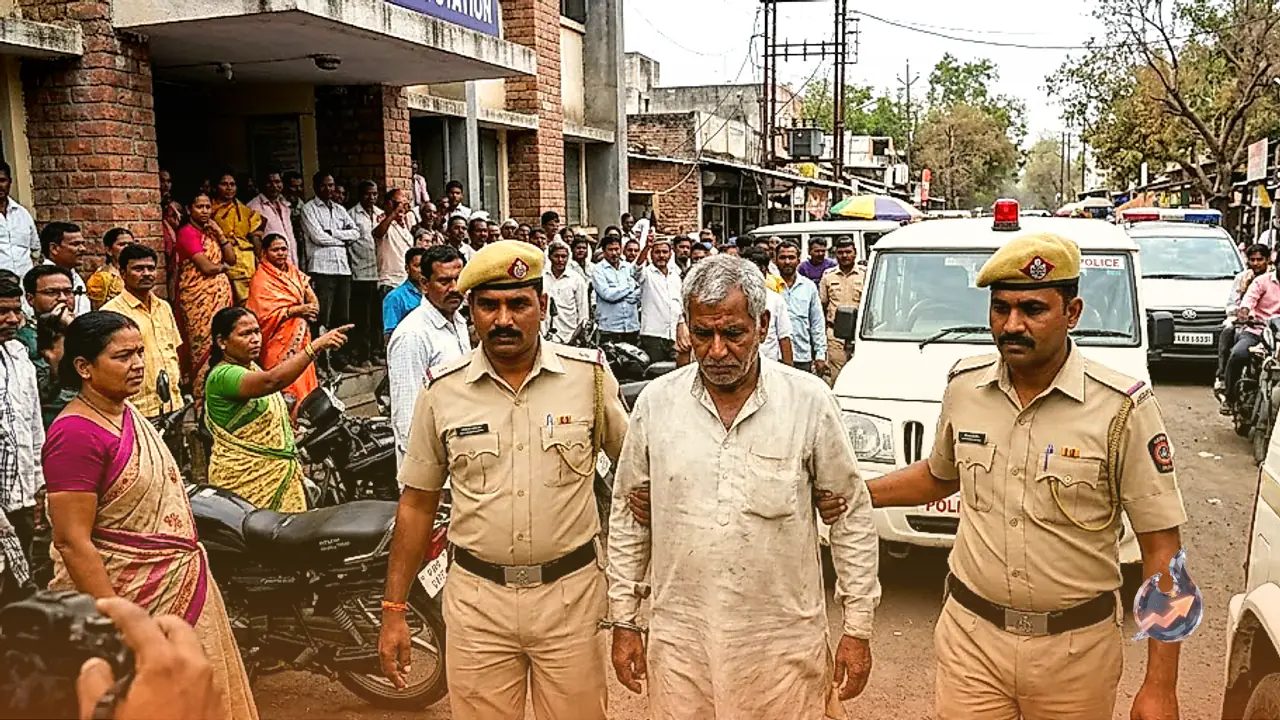















Political activities are intensifying in Uttar Pradesh ahead of the 2027 assembly elections, with the holy city of Ayodhya experiencing early campaign developments. While the opposition Samajwadi Party has initiated early strategic discussions and field management regarding potential candidates, the performance and political report card of incumbent Bharatiya Janata Party MLA Ved Prakash Gupta have come under heavy public scrutiny. Local residents, traders, and shopkeepers hold contrasting views regarding his tenure. While many acknowledge significant improvements in urban infrastructure and tourism facilities following recent development drives, there is growing criticism regarding the representative's personal accessibility, public engagement, and persistent civic issues across residential neighborhoods.
Infrastructure Progress Against Unresolved Everyday Problems
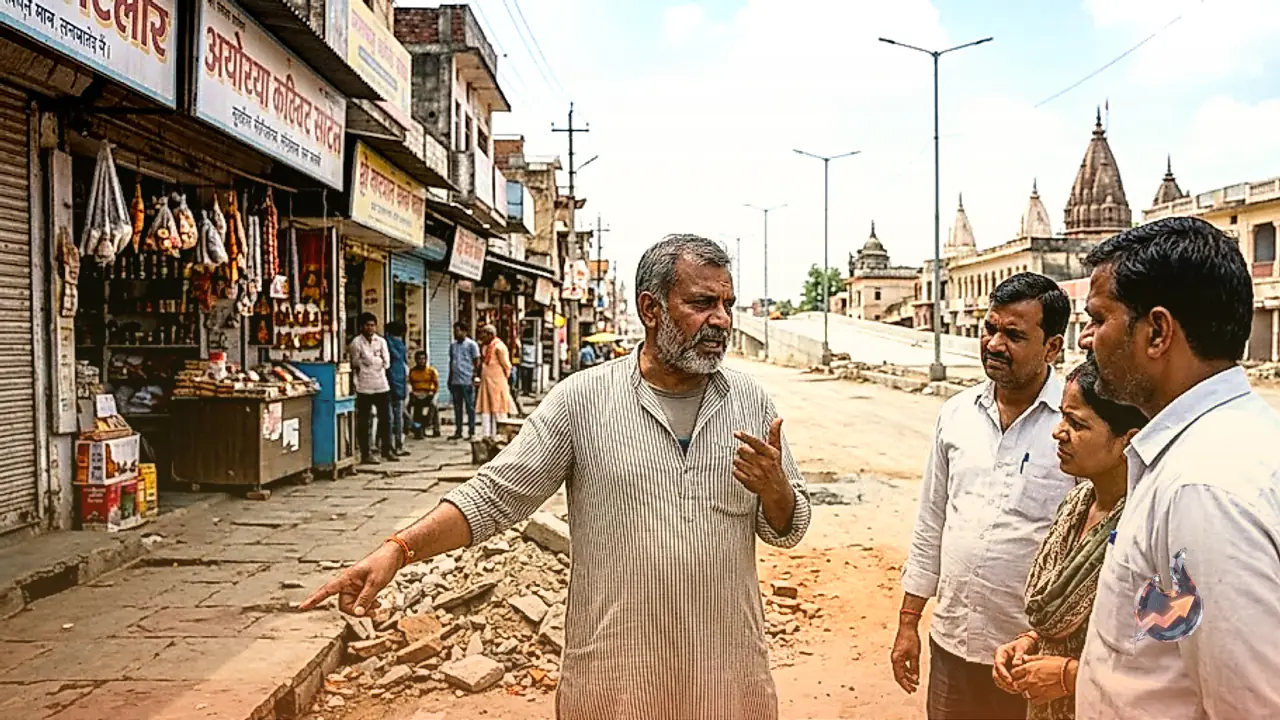
Ayodhya has witnessed notable changes in its public infrastructure over recent years. Following the construction of the Sri Ram Temple, major initiatives were undertaken to widen primary roads, overhaul electrical networks, strengthen drinking water distribution, execute urban beautification, and enhance facilities for religious tourists. Many citizens view the updated traffic movement plans and civic expansion as clear indicators of regional growth. However, beneath these visible urban upgrades, long-standing local concerns continue to trouble residents. Internal colony roads, inadequate drainage networks, frequent traffic gridlocks, and a scarcity of local employment opportunities remain significant issues. Residents note that while infrastructural work has progressed, dissatisfaction has emerged over the elected representative's limited personal outreach.
Voter Dissatisfaction and Opposition Mobilization
Local resident Dhruv Gupta voiced sharp opposition to the ruling party's sitting lawmaker. He stated that citizens and traders in Ayodhya are deeply dissatisfied with the approach of current BJP MLA Ved Prakash Gupta, alleging that the representative has failed to stand by voters during times of personal difficulty or community hardship. Gupta asserted that electors are prepared to seek leadership change in the upcoming election, predicting a victory for Samajwadi Party candidate Pawan Pandey and the formation of an Akhilesh Yadav led government in Uttar Pradesh. He further claimed that development claims primarily benefited political figures rather than resolving Ayodhya's core needs. According to him, the Samajwadi Party and Pawan Pandey maintain continuous contact with shopkeepers and households, drawing parallels to the recent Lok Sabha election outcomes in the region.
Urban Restoration Versus Representative Accessibility
Offering an assessment of both achievements and governance gaps, local resident Omprakash noted that visible development has taken place in Ayodhya ahead of the 2027 polls. He highlighted the restoration of historic ghats, the rejuvenation of traditional ponds and water bodies, and the construction of new arterial roads across the city. At the same time, Omprakash pointed out shortcomings in direct public interaction. He emphasized that the local MLA should have conducted regular constituency visits to engage directly with citizens and address individual grievances. Key civic friction points including poor drainage systems, recurring waterlogging in various pockets, and severe traffic congestion caused by high-profile vehicle movements require focused attention from local leadership.
Disconnect with Local Traders Sparks Demands for Change
Expressing discontent over representative outreach, local merchant Sunil remarked that the business community feels neglected by the sitting lawmaker. He pointed out that throughout his tenure, the MLA never visited local shopkeepers or inquired about their well-being along their commercial route. Sunil questioned how voters could support a representative who remains absent from public interaction. This sustained lack of communication has led local traders to consider alternative candidates for the upcoming assembly elections, stressing that active presence and continuous dialogue are essential obligations for any elected public official.