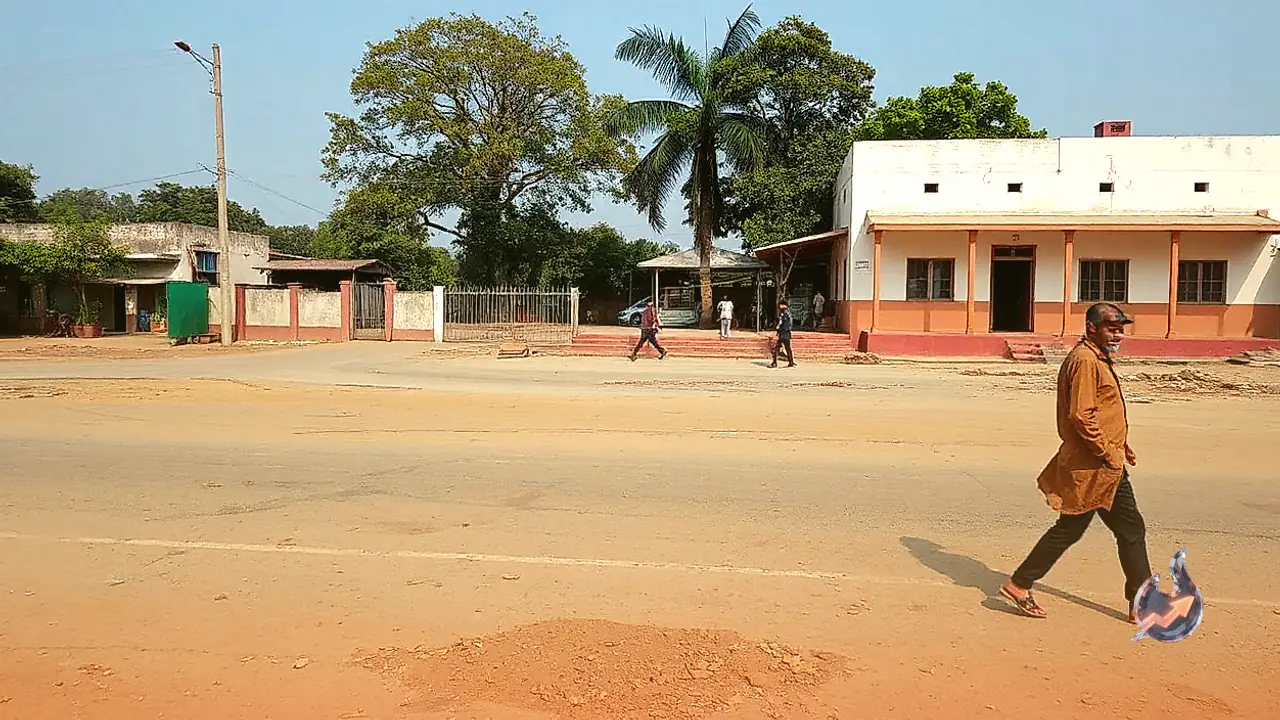

















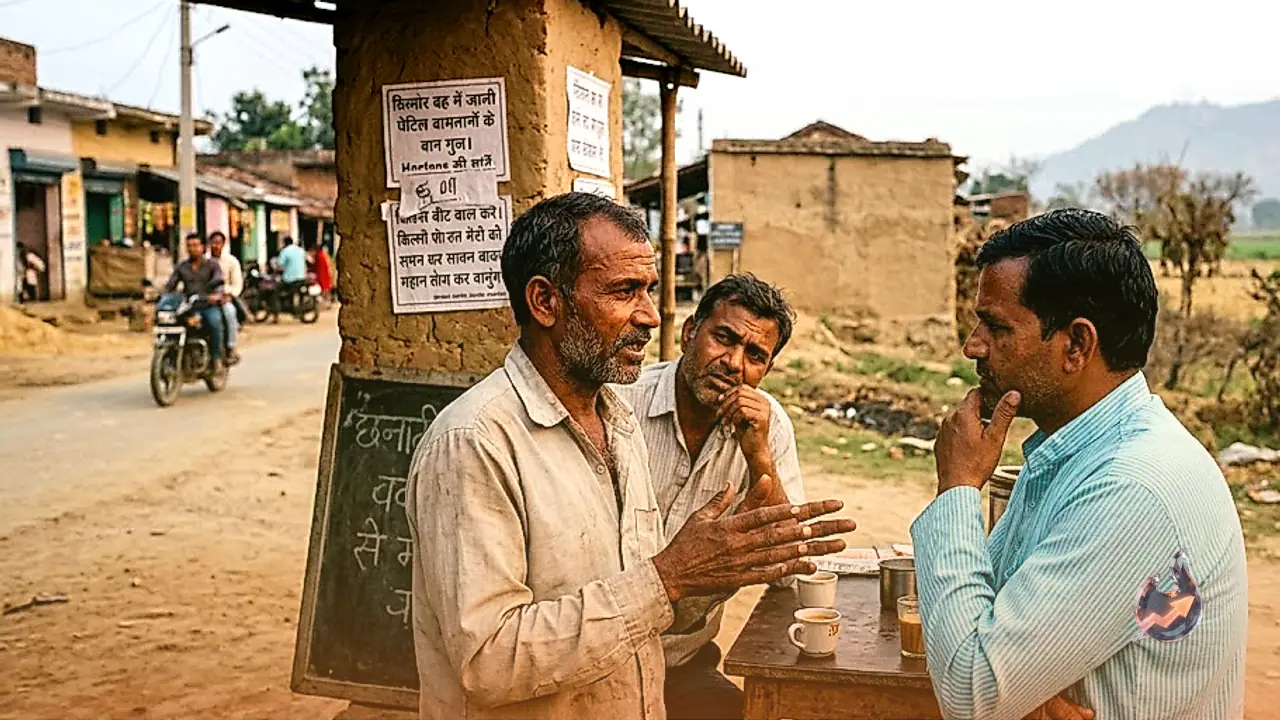

With the 2027 Uttar Pradesh Legislative Assembly elections approaching, political discourse has gathered significant momentum across the Chhanbey constituency in Mirzapur district. From local tea stalls to market squares in Drumandganj, voters are actively debating the qualifications and accessibility required in their next elected representative. Citizens are closely evaluating the incumbent administration's achievements in road infrastructure, public healthcare, and overall civic administration over the past five years.
Support for MLA Rinki Kol's Uncontroversial Record
During discussions at the Drumandganj market, resident Jai Prakash Upadhyay observed that development initiatives have taken place in the constituency and that the current representative has made all reasonable efforts to address local needs. He specifically highlighted ongoing advocacy for constructing the key road at Matwar. Adding to this perspective, Mukesh Kumar Tiwari noted that MLA Rinki Kol maintains an uncontroversial public profile. He remarked that compared to previous representatives who were often linked to political disputes, her clean record makes her a favorable candidate among a section of the electorate. Similarly, Shivraj Dubey praised her modest and approachable demeanor, which resonates positively with local residents.
Concerns Regarding Ground-Level Infrastructure and Accessibility
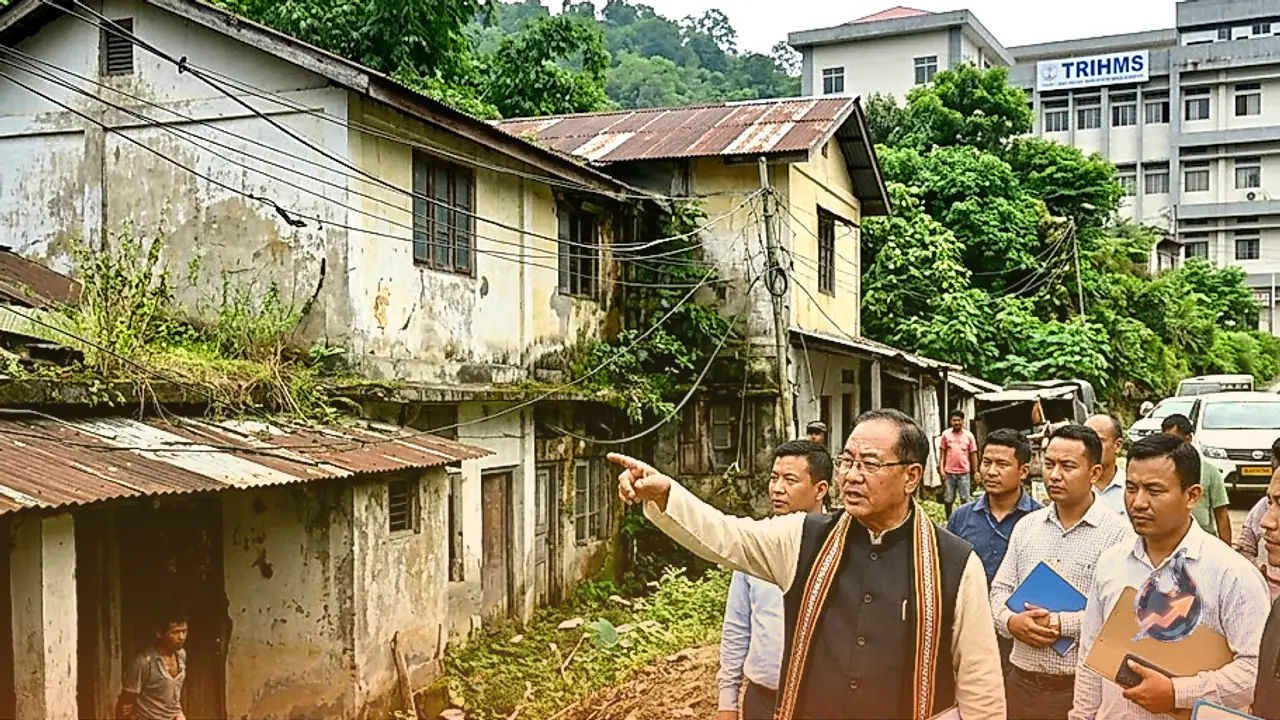
Conversely, a substantial segment of the constituency expressed dissatisfaction regarding physical progress and leadership availability. Resident Umesh Keshari pointed out that fresh development projects are barely visible on the ground. He noted that the most recognizable work remains a concrete platform near the Ram Leela Maidan built during the tenure of her late husband, Rahul Kol, where the foundation stone still stands today. Expressing concern over civic amenities, Baraudha resident JP Mishra highlighted the deteriorating condition of roads and drainage channels. He emphasized that voters are seeking a candidate who remains physically accessible during times of crisis rather than staying absent from public life.
Deficits in Healthcare Facilities and Rainy Season Distress
Ramesh Kumar Vishwakarma voiced criticism over the lack of noticeable improvements, stating that promised development projects failed to materialize in public everyday life during the five-year term. Examining basic public services, Raju Mishra drew attention to the primary health center, where medical officers frequently fail to show up, leaving residents without essential medical care. He further cited monsoon hardship, noting that several houses collapsed during heavy rainfall without receiving timely assistance or administrative relief. Resident Shyamlal concurred, stating that minimal contact with the representative has left citizens navigating daily infrastructure struggles independently.