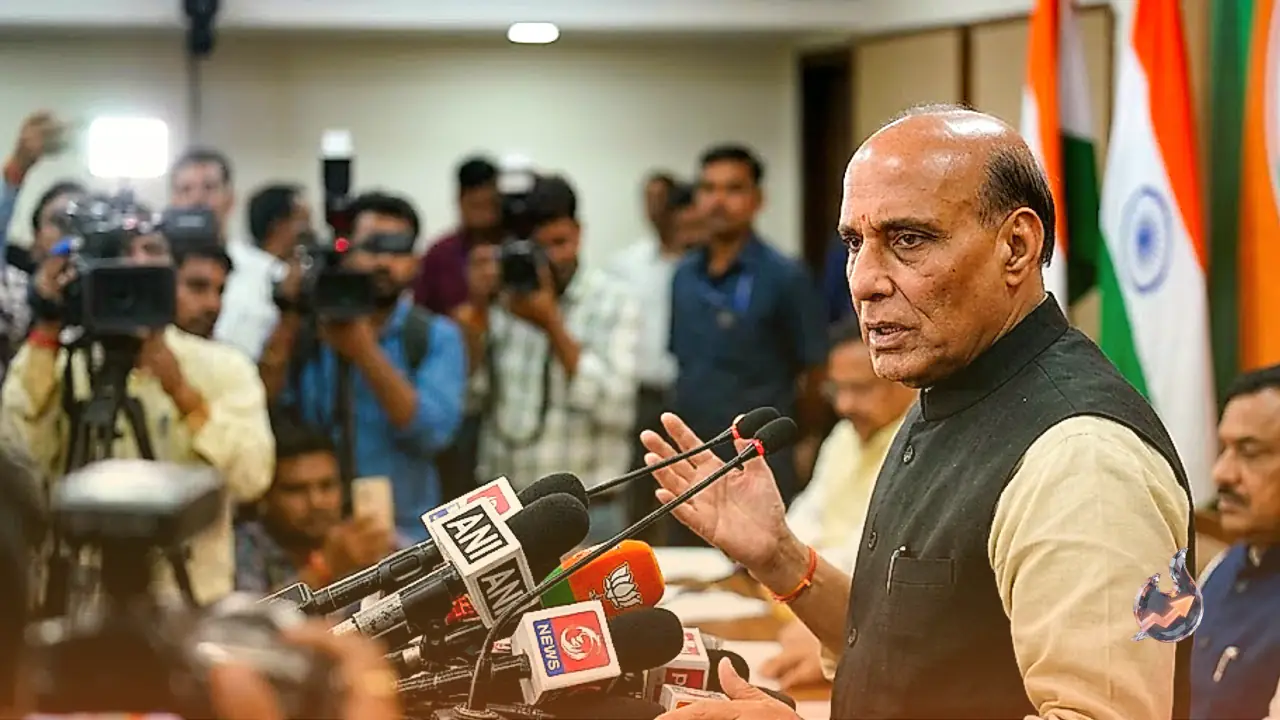

















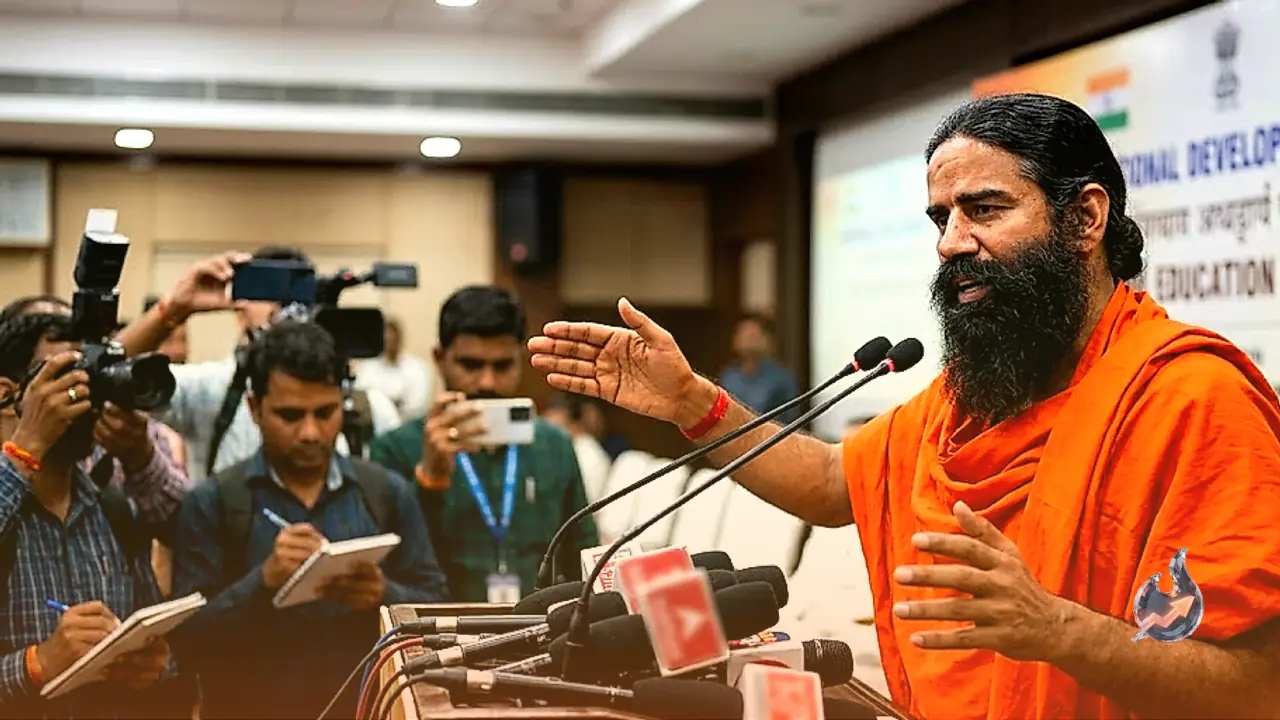

Emphasizing the pressing need for structural administrative transparency, educational equity, and social harmony across the country, yoga leader Baba Ramdev has shared a comprehensive vision for national development. Reflecting on the mass public movements conducted between 2009 and 2013, he clarified that the fundamental objective of those agitations was not merely a transition of political power, but a fundamental transformation of the operational system. While acknowledging that noticeable progress has occurred in areas such as healthcare, education, anti-corruption measures, and public administration, he asserted that a total revolution remains necessary to realize the nation's full potential.
Democratic Agitations and Systemic Accountability
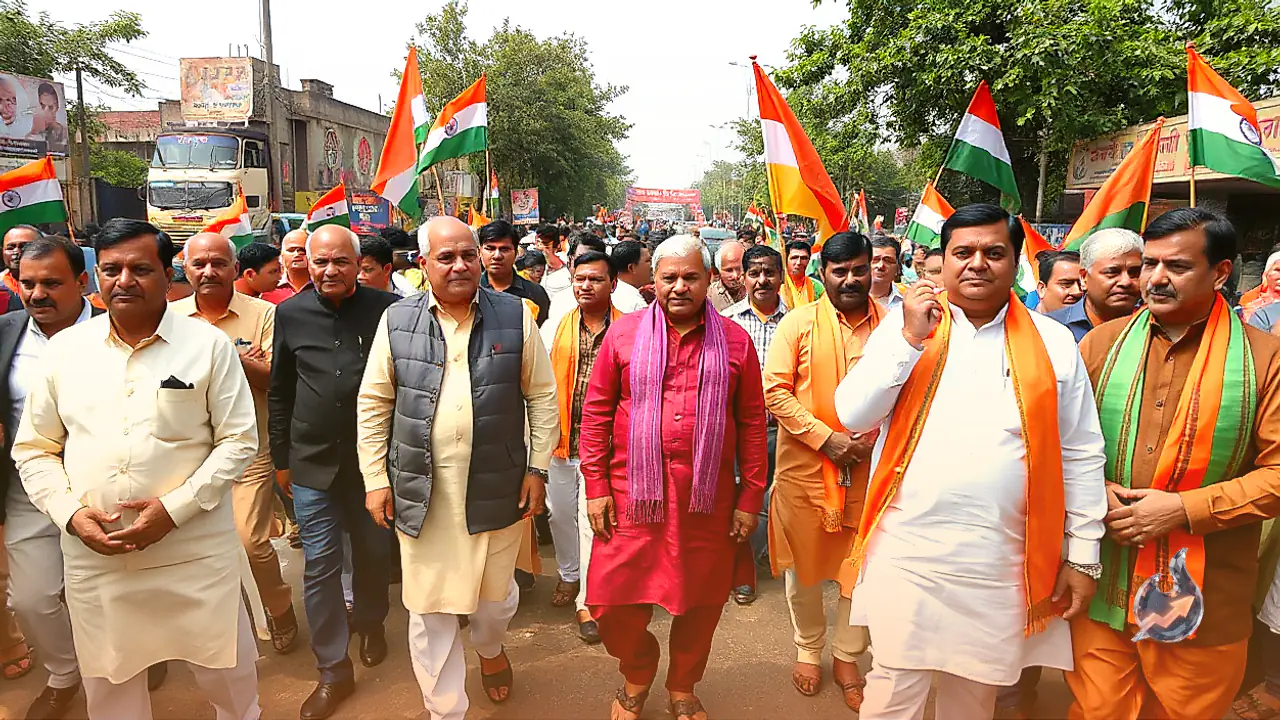
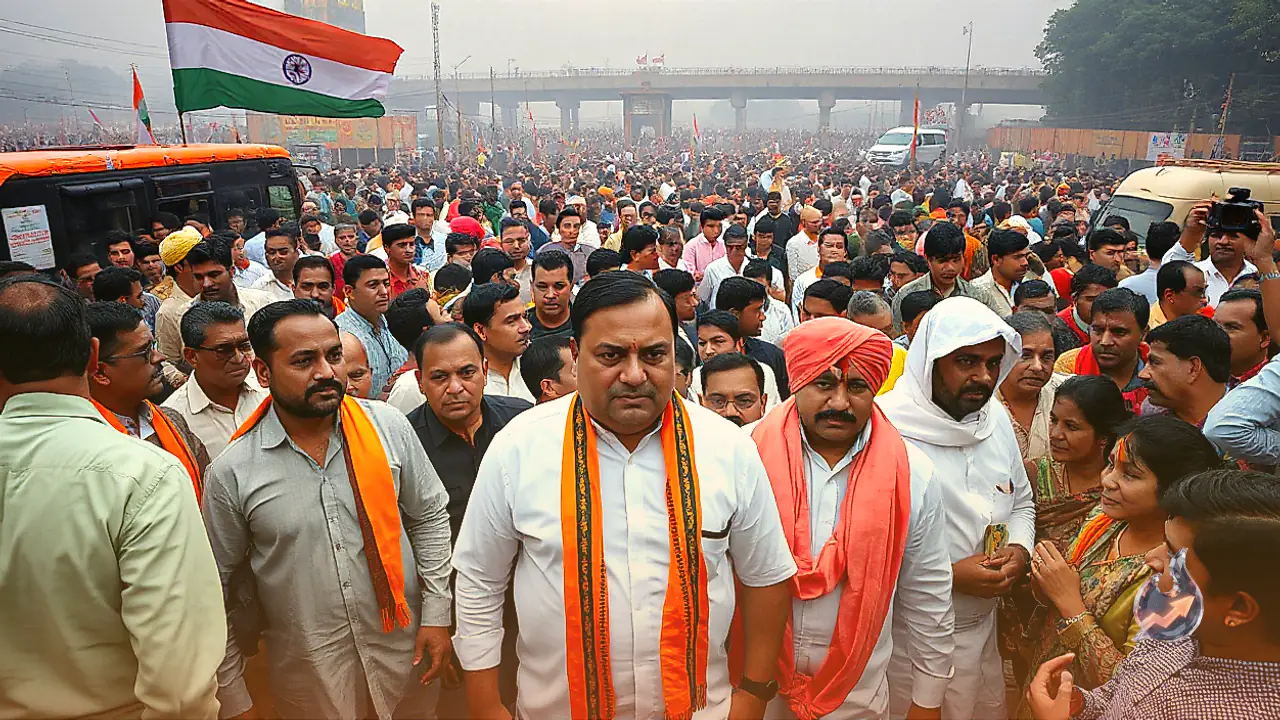
Elaborating on the role of public demonstrations in a functioning democracy, Baba Ramdev stated that expressing dissent is an inherent constitutional right of every citizen. However, he stressed that the methodology of any protest must remain strictly peaceful, civilized, and within constitutional boundaries. Instances of violence, derogatory language, or infiltration by criminal elements cannot be tolerated under any circumstances. He noted that the administration and government machinery must actively listen to the legitimate grievances of students, youth, farmers, and the general public. Should defects exist within the governance structure, the opposition must pose robust questions, and citizens should responsibly utilize democratic channels to make their voices heard.
Reimagining the Education System and Universal Access
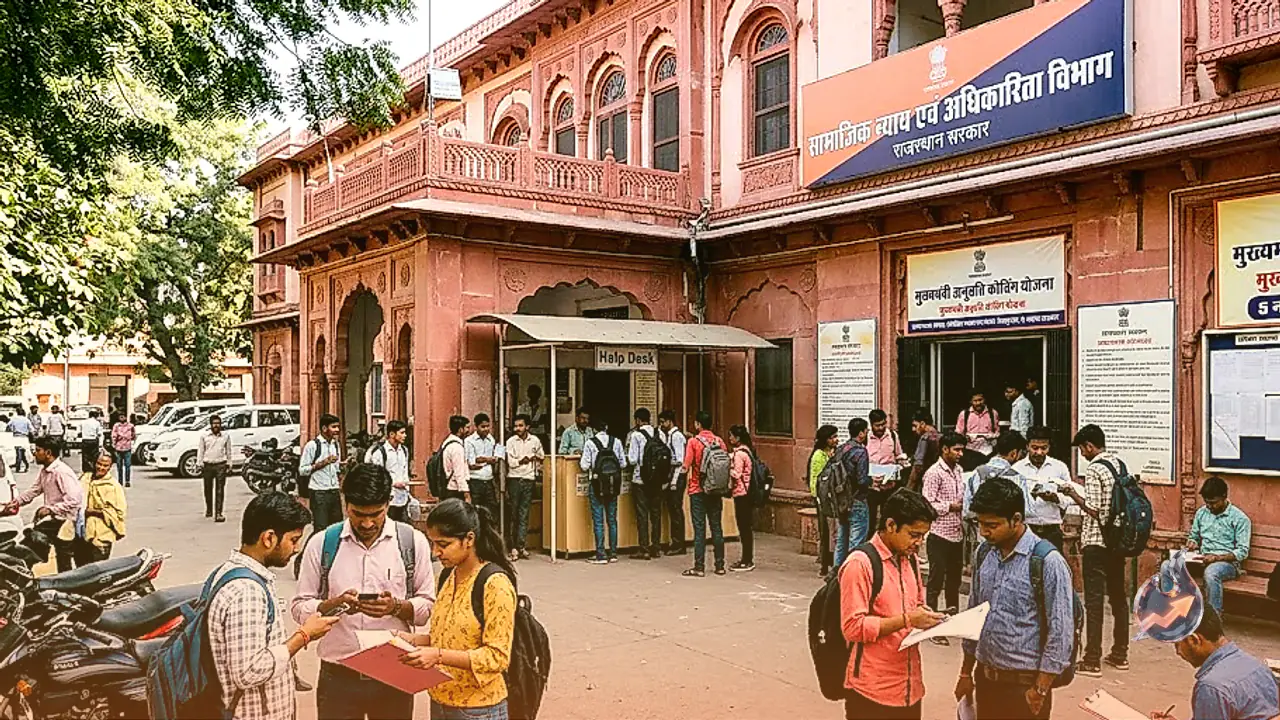
Critiquing the current educational infrastructure, Baba Ramdev proposed fundamental reforms aimed at creating an equitable environment for students. He advocated for completely free education up to the 12th grade for every child in the nation. Furthermore, he highlighted the urgent necessity of eliminating the stark quality gap between public and private educational institutions. Implementing a uniform One Nation, One Education System model across the country would ensure equal learning opportunities regardless of socioeconomic background. He emphasized that acquiring academic degrees alone is insufficient unless the education system directly aligns with practical employment generation for the youth.
Addressing Paper Leaks and Examination Pressures
Expressing deep concern over recurring paper leak scandals and related educational controversies, Baba Ramdev insisted that these critical vulnerabilities must not be ignored. Questioning the multiplying number of entrance and competitive examinations, he suggested that enhancing and standardizing the quality of instruction from school to higher education levels would naturally reduce student reliance on multiple separate tests. Honesty and public accountability must form the primary pillars of the institutional framework. Systemic overhaul, he added, cannot remain confined to a single ministry or government office; it must permeate police stations, schools, colleges, healthcare facilities, and local administrative bodies.
Targeting VIP Culture and Building a Developed Nation by 2047
Addressing Prime Minister Narendra Modi's resolution to transform India into a fully developed nation by the year 2047, Baba Ramdev remarked that such a monumental goal cannot be achieved through the efforts of a single leader or government alone. It demands the relentless hard work, discipline, and collective enterprise of all 145 crore citizens. Simultaneously, he delivered a sharp critique of prevailing VIP culture, arguing that a true democracy permits no fundamental disparity between the basic rights and respect accorded to an ordinary citizen versus a powerful figure. Governance should reflect the active, equal participation of millions of citizens rather than concentrating authority in individual political leaders.
Perspectives on Political Dynamics and National Interest
When asked about shifting political dynamics and the growing political presence of Rahul Gandhi, Baba Ramdev refrained from singling out individual politicians, choosing instead to focus on core democratic principles. He asserted that ultimate sovereign power in a democracy resides with the 145 crore citizens of the country. Political organizations must rise above partisan divisions and consistently prioritize paramount national interests over narrow factional agenda.
Defining Hindu Rashtra and Fostering Social Unity
Clarifying his perspective on the concept of Hindu Rashtra, Baba Ramdev stated that it should never be restricted to religious slogans or temple worship. In his view, the true essence of Hindu Rashtra centers on exemplary moral character, ethical conduct, personal diligence, courage, and robust social cohesion. The Constitution of India guarantees equal rights to every citizen, making it imperative to eradicate hatred based on caste, creed, or community so that every individual enjoys dignity and equality.
Utilization of Temple Donations and Moral Duties
Addressing the management of offerings and financial donations received by temples across the nation, Baba Ramdev advocated directing these funds toward social welfare causes, including the operation of Gurukuls, cow shelters, and educational initiatives for the underprivileged. He condemned thefts and financial misappropriation at places of worship as severe offenses, demanding strict legal action against perpetrators. Concluding his address, he urged citizens to bridge social divides and recognize that national strength expands only when people balance their constitutional rights with their fundamental duties.