























Political circles in the national capital are currently abuzz with intense speculation as corridors of power prepare for potential major legislative moves. For quite some time, discussions have revolved around when crucial draft laws such as the Foreign Contribution Regulation Act amendment and constituency delimitation would be formally introduced. While opposition groups previously questioned the whereabouts of top leaders like Prime Minister Narendra Modi and Home Minister Amit Shah, those questions have abruptly stopped. The underlying sentiment in political quarters is that significant developments are imminent within Parliament, which has immediately put the entire opposition alliance on high alert.
Strict Whips Issued to Lawmakers
In response to this sudden surge in parliamentary urgency, the ruling Bharatiya Janata Party has officially issued a strict whip to all its parliamentarians. Every party member has been specifically instructed to remain present inside the parliamentary complex on August 11, 12, and 13. Following suit, the principal opposition Congress party has also directed its lawmakers to ensure their attendance during the same period. This synchronized issuance of formal whips by major political formations has created an unmistakable atmosphere of high stakes, signaling that major parliamentary business or unexpected legislative maneuvers could unfold over the coming days.
Government Counters Opposition Protests With Numbers
The Modi administration appears to be systematically countering the aggressive protests and disruptive posturing of the opposition by relying firmly on numbers. Over the next four days, unfolding events are widely expected to rattle the opposition camp significantly. Although the government has not yet made any formal public announcement regarding the delimitation exercise or the FCRA bill, the rapid sequence of internal party directives and issued whips speaks volumes. The Congress party has categorically stated that it will not allow the FCRA legislation to pass under any circumstances, adding that if any possibility of advancing the bill arises, they will make a collective decision only after consulting their broader opposition coalition partners.
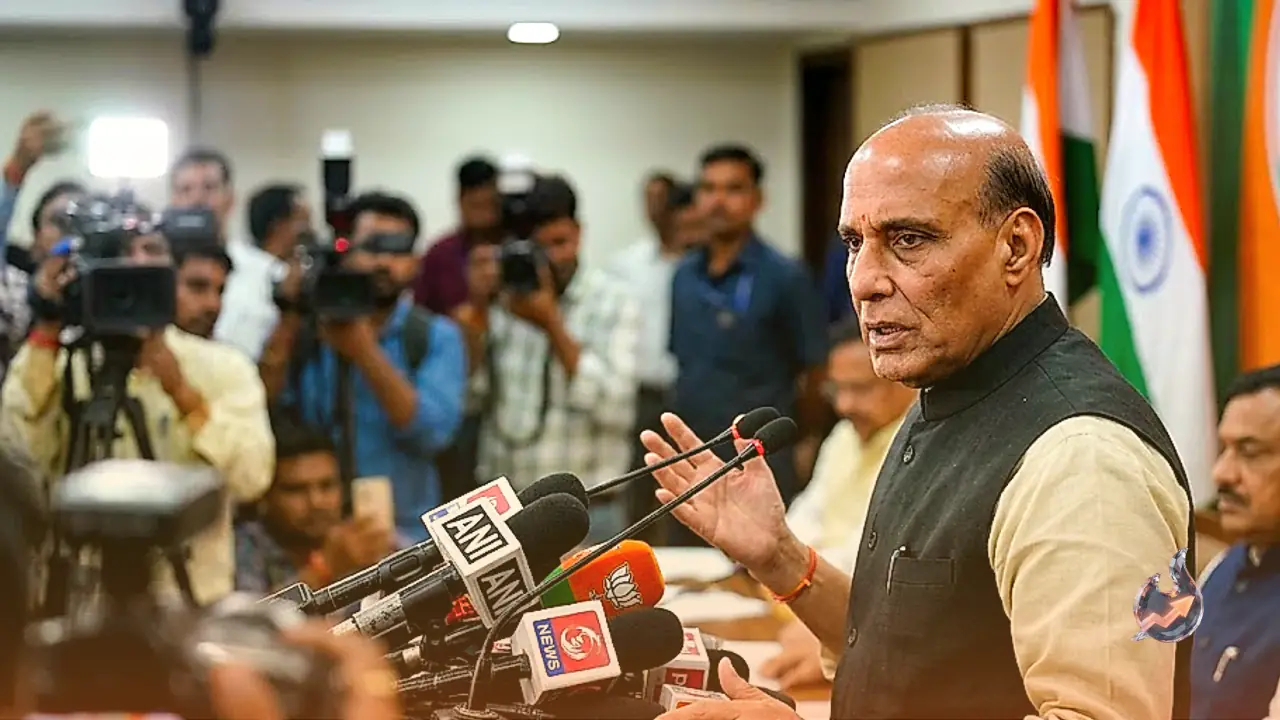
Opposition alliance leader and Congress President Mallikarjun Kharge addressed the media, stating that they intend to firmly oppose any changes to the FCRA framework. He noted that a formal all-party meeting of floor leaders would be convened to deliberate on the matter, emphasizing that the collective decision taken by leaders across all participating opposition parties would dictate their final parliamentary strategy.
Shifting Alignments and Leadership Meetings
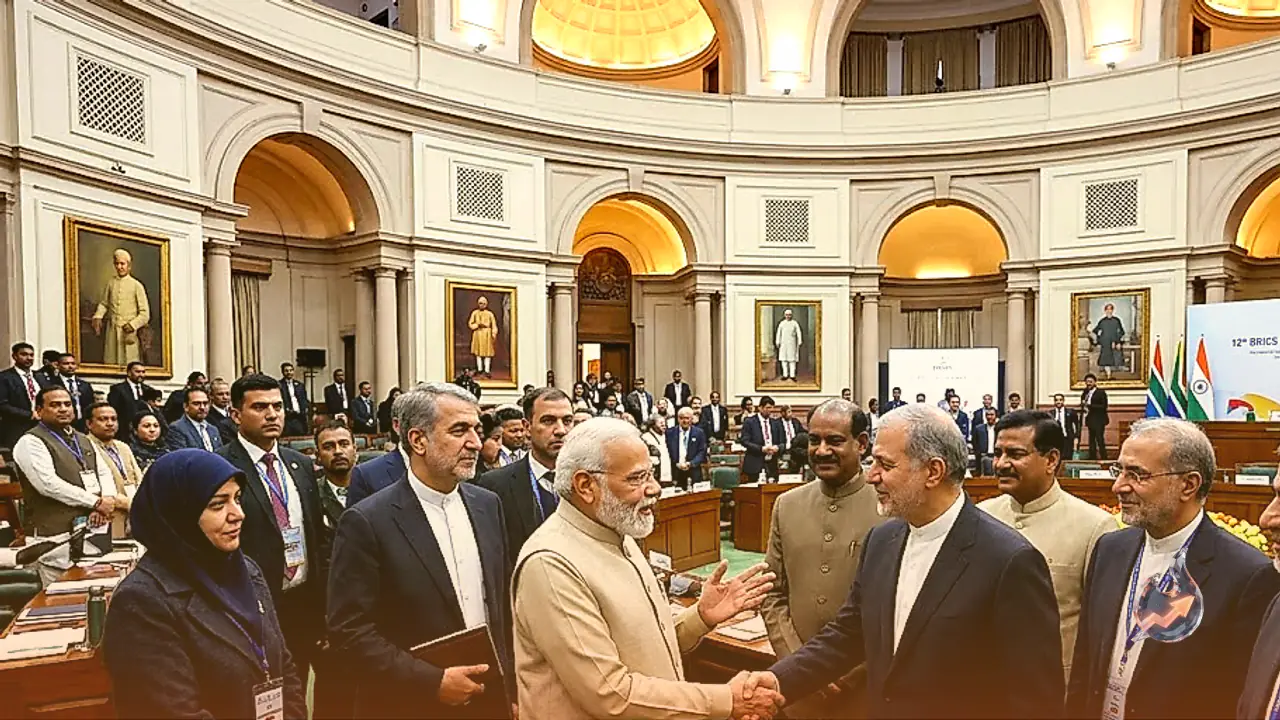
Even as top opposition figures voice firm resistance, certain individual MPs within the broader opposition camp have begun extending positive signals toward the government's legislative agenda. Eight members of parliament belonging to the Nationalist Congress Party faction led by Sharad Pawar are scheduled to meet Prime Minister Narendra Modi in Parliament. This impending high-level interaction has generated immediate ripples across Maharashtra's volatile political landscape, prompting analysts to question whether the ruling administration has successfully begun consolidating adequate numbers to ensure smooth passage of key bills.
Addressing queries regarding the scheduled interaction, NCP Lok Sabha MP Supriya Sule remarked that seeking shelter with an umbrella or raincoat during heavy downpours is basic common sense, adding that visiting the nation's prime minister involves serious responsibilities rather than trivial negotiations. She stressed that the prime minister commands inherent institutional respect, and their parliamentary delegation is visiting him strictly to discuss matters of public policy. Expressing deep dismay over contemporary political commentary, she lamented that routine political interactions are frequently reduced to base gossip, noting with profound regret that serious policy-making processes are no longer afforded the respect they deserve by observers.
Political Aftershocks in Maharashtra
All eight Lok Sabha members representing the Sharad Pawar faction of the NCP are slated to hold discussions with Prime Minister Narendra Modi on August 10. These deliberations are expected to cover a wide spectrum of regional and national governance issues. The confirmation of this scheduled meeting has immediately stirred considerable political turbulence across Maharashtra. Yet, the central question persists among political observers regarding why opposition factions harbor such deep apprehension toward legislative measures involving foreign contributions or constituency boundaries.
Offering perspective on the necessity of legislative reforms, BJP MP Manoj Tiwari asserted that while past bills received pressured support that proved appropriate at the time, enacted laws must ultimately be brought into active implementation. He argued that effective implementation is contingent upon conducting timely delimitation exercises. Citing demographic shifts, he noted that the population of cities like Lucknow has multiplied exponentially over the past two decades. Constitutional provisions dictate that individual parliamentary constituencies should ideally represent between 1.2 to 1.5 million residents, whereas several contemporary constituencies now accommodate upwards of 4 million people.
Elaborating further, Tiwari noted that his own parliamentary constituency currently encompasses roughly 2.6 million registered voters, raising genuine questions about how an elected representative can effectively deliver justice to such a massive populace without rationalizing boundaries. He argued that administrative stagnation cannot persist if constituency sizes remain static, contending that delimitation is an absolute prerequisite for proper legislative expansion. He further claimed that opposition elements are indirectly attempting to obstruct women empowerment initiatives, expressing confidence that discerning lawmakers nationwide recognize the necessity of the women reservation bill, which he predicts will pass despite ongoing political friction.
Strategic Preparations and Ministerial Priorities
Uncertainty and anxiety remain palpable within opposition ranks, driven by persistent fears that while they expend energy on parliamentary disruptions, the government might execute major legislative actions during the closing moments of the session. While the executive branch has maintained formal silence regarding specific timelines for the FCRA, delimitation, or women reservation bills, Union Parliamentary Affairs Minister Kiren Rijiju has explicitly designated these legislative proposals as core government priorities. He affirmed that both bills will certainly be introduced on the floor of the house, though specific schedules governing their introduction and final passage will be communicated at an appropriate juncture.
Simultaneously, high-level consultations—including Prime Minister Narendra Modi meeting newly elected parliamentarians and Home Minister Amit Shah holding individual dialogues with legislators from various political formations—have significantly accelerated political momentum. Beyond financial transparency laws, another profound policy debate centered around constituency delimitation has ignited political friction spanning from southern states to northern heartlands.
While debates surrounding the FCRA primarily concern foreign funding oversight and political transparency, the controversy over delimitation directly engages the fundamental arithmetic of political power. This core reality explains why numerous opposition leaders experience acute anxiety at the mere mention of boundary redrawing. Regional parties across southern India harbor persistent fears that a reallocation of legislative seats based strictly on modern population metrics could diminish their collective political leverage, whereas several northern states anticipate proportionate gains.