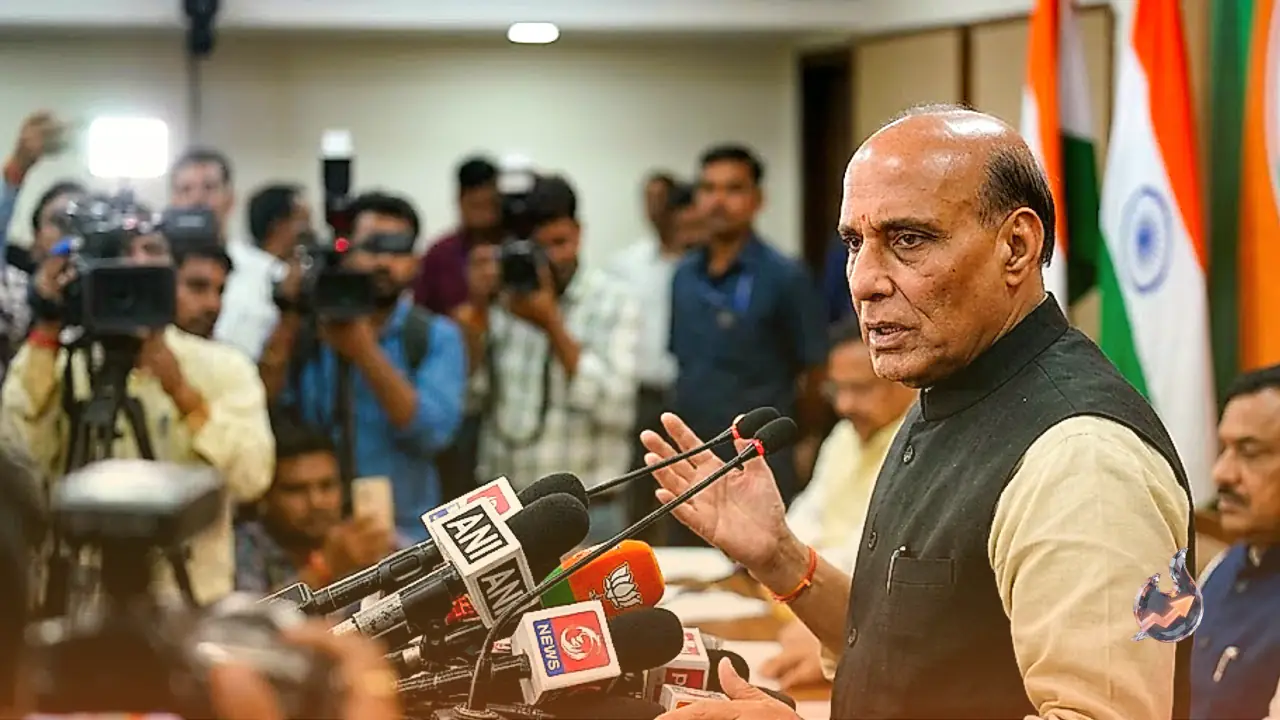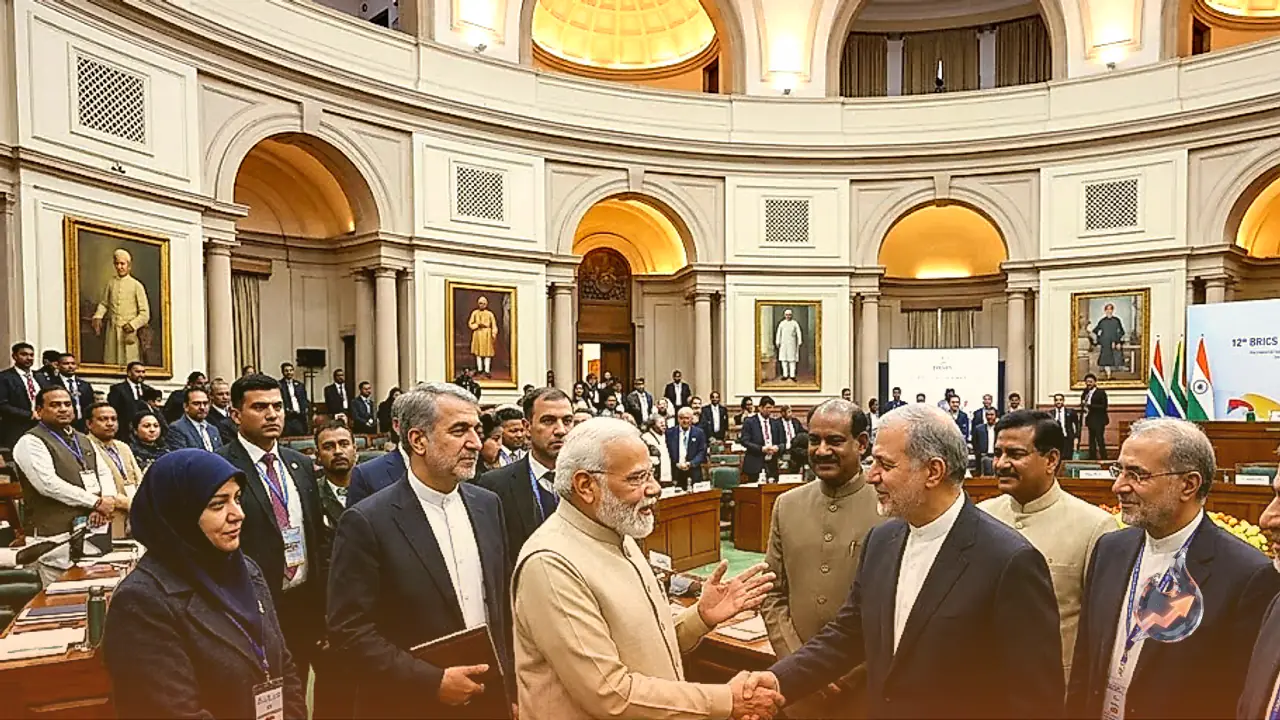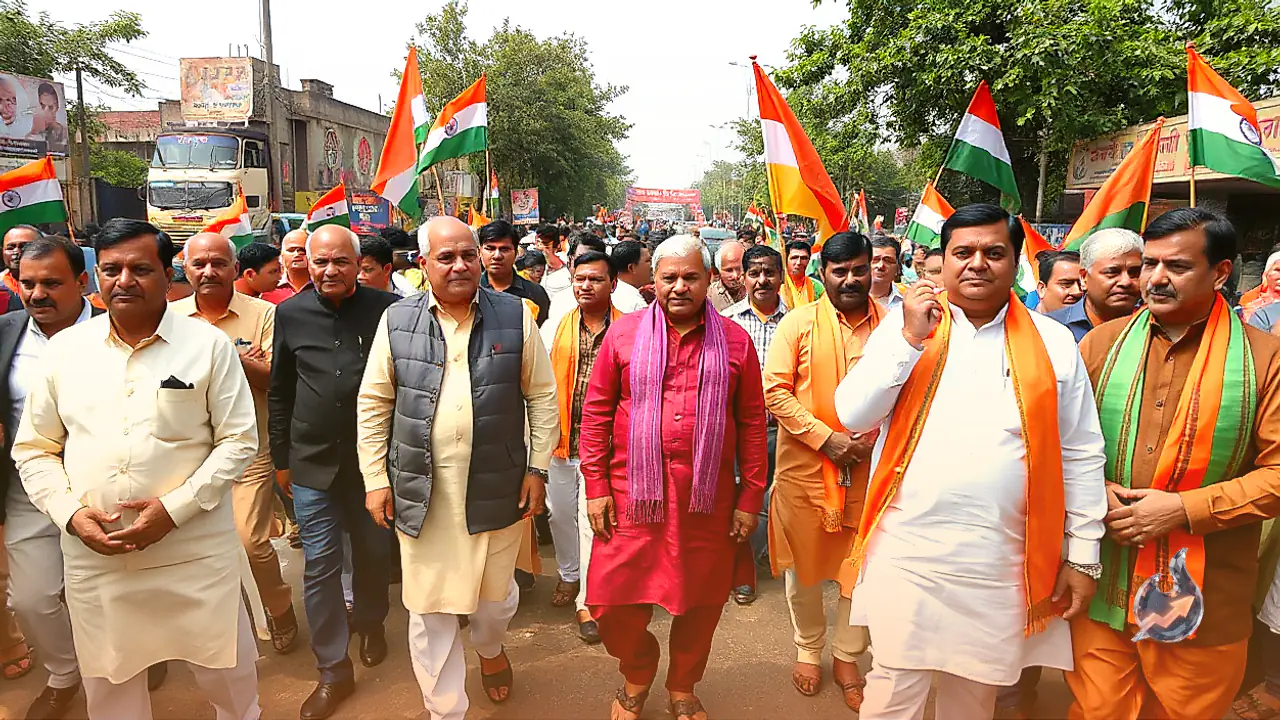


















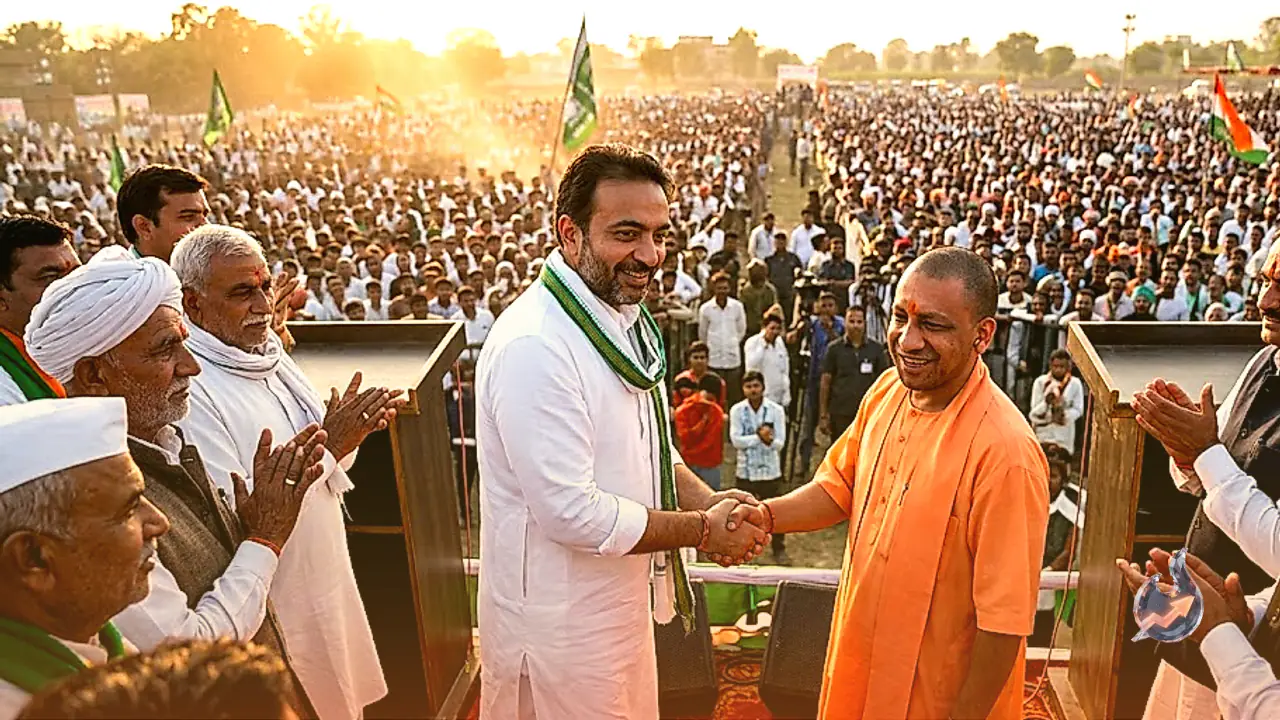

As the political landscape of Uttar Pradesh gears up for the 2027 assembly elections, the western region of the state is witnessing a massive strategic overhaul. The Bharatiya Janata Party and its key regional ally, the Rashtriya Lok Dal, are actively laying the groundwork for a comprehensive electoral sweep. Chief Minister Yogi Adityanath has already initiated a series of high-energy rallies across the region, while the Rashtriya Lok Dal is simultaneously strengthening its grassroots presence. The political maneuvers currently unfolding suggest that Western Uttar Pradesh is poised for a significant and historic transformation. Over the past few weeks, the political posture of Rashtriya Lok Dal chief and Union Minister Jayant Chaudhary has visibly shifted, increasingly reflecting the ideological hues of the Bharatiya Janata Party.
Why Jayant Chaudhary Abandoned the Traditional Demographics
For a long time, Jayant Chaudhary championed the cause of Jat-Muslim unity, a strategy heavily relied upon during his previous alliance with the Samajwadi Party. However, the current political climate indicates a deliberate departure from this traditional approach. He has now firmly decided to steer the political legacy of his grandfather, Chaudhary Charan Singh, in a completely new direction. By bringing veteran leaders like K.C. Tyagi into the party fold, the Rashtriya Lok Dal has crafted a formidable social coalition combining the Jat, Brahmin, and Tyagi communities, setting a robust foundation for the 2027 electoral battle.
Chief Minister Yogi Adityanath's Strategic Guidance
The corridors of power are buzzing with discussions regarding recent strategic meetings between Chief Minister Yogi Adityanath and Jayant Chaudhary. It is widely believed that following crucial guidance from the Chief Minister, the Rashtriya Lok Dal leader has actively begun implementing this new three-pronged demographic chemistry. This emerging social engineering has undoubtedly triggered anxiety within the strategic camps of Samajwadi Party chief Akhilesh Yadav and the Congress leadership.
The Catalyst: Insights from the Lok Sabha Elections
For several decades, the politics of Western Uttar Pradesh revolved predominantly around agrarian issues, with the Jat and Muslim communities forming the bedrock of this political narrative. This alliance was the cornerstone of the region's electoral dynamics. However, maintaining this specific demographic equation became increasingly challenging for Jayant Chaudhary following his strategic entry into the National Democratic Alliance just prior to the 2024 Lok Sabha elections.
The detailed polling data and subsequent results of the recent parliamentary elections provided a stark reality check. It became evident that the Muslim electorate had decisively consolidated its support behind the Samajwadi Party and Congress alliance. Recognizing this definitive shift, Jayant Chaudhary understood that clinging to an outdated political framework would not yield future dividends. Furthermore, persisting with the old narrative carried the risk of alienating the crucial urban and upper-caste Hindu voting blocs. Consequently, a complete overhaul of the party's social engineering strategy became imperative for long-term survival and growth.
Decoding the New Electoral Formula
The strategic response to this challenge is a newly formulated social equation. Across approximately eighty to ninety assembly constituencies in Western Uttar Pradesh, the combined demographic weight of the Jat, Brahmin, and Tyagi communities holds massive political significance. The Jat community represents the traditional, deeply loyal core voter base of the Rashtriya Lok Dal, consistently standing by the Chaudhary family through various political cycles. The primary objective of the new strategy is to seamlessly integrate this robust agrarian base with the influential upper-caste communities, thereby constructing an unbeatable electoral advantage.
The Political Clout of Dominant Communities
The Brahmin community, which is ideologically resolute and plays a decisive role in the urban and semi-urban constituencies of the region, has traditionally aligned with the Bharatiya Janata Party. Integrating their support with the Rashtriya Lok Dal’s rural machinery creates a highly potent combination. Meanwhile, the Tyagi community represents a highly influential and prosperous agrarian segment in the region. Over recent times, this particular community had harbored certain grievances against the ruling establishment. The strategic induction of seasoned politicians like K.C. Tyagi into the Rashtriya Lok Dal is viewed as a masterstroke aimed at forming a new, cohesive political triad. This move is specifically designed to address and resolve the dissatisfaction within the Tyagi community, effectively drawing them back into the mainstream fabric of agrarian politics.
Blending Agrarian Pride with Cultural Nationalism
Political analysts heavily emphasize the role of Chief Minister Yogi Adityanath behind this massive ideological and strategic realignment. The political atmosphere in Western Uttar Pradesh is currently deeply infused with themes of cultural nationalism, heavily influenced by matters such as the Shrikant Janmabhoomi movement and the annual Kanwar Yatra. The Chief Minister has reportedly conveyed a crystal-clear message to the Rashtriya Lok Dal leadership: achieving a clean sweep in the 2027 assembly elections requires blending agrarian pride with Sanatan identity and upper-caste aspirations. Embracing this strategic mantra, Jayant Chaudhary has already greenlit a series of intellectual summits specifically targeting the Brahmin and Tyagi communities across key districts like Baghpat, Muzaffarnagar, Meerut, and Ghaziabad.
Countering the Opposition's Strategy
Furthermore, the narrative of cultural nationalism is being sharply contrasted against the opposition's rhetoric. In a direct attack on Samajwadi Party president Akhilesh Yadav, Chief Minister Yogi Adityanath has once again brought the discourse around graveyard allocations back into the political spotlight, aiming to polarize the debate and consolidate the Hindu vote bank.
Ultimately, this innovative social experiment by the Bharatiya Janata Party and the Rashtriya Lok Dal serves as a robust counter-offensive against the much-touted formula heavily promoted by Akhilesh Yadav. If Jayant Chaudhary successfully manages to unite and sustain this new demographic triangle at the grassroots level, the opposition alliance will find it exceptionally difficult to even secure a foothold in Western Uttar Pradesh. Should this strategic coalition hold firm, it would not be surprising to see the ruling coalition script another historic victory in the impending 2027 political battleground.