

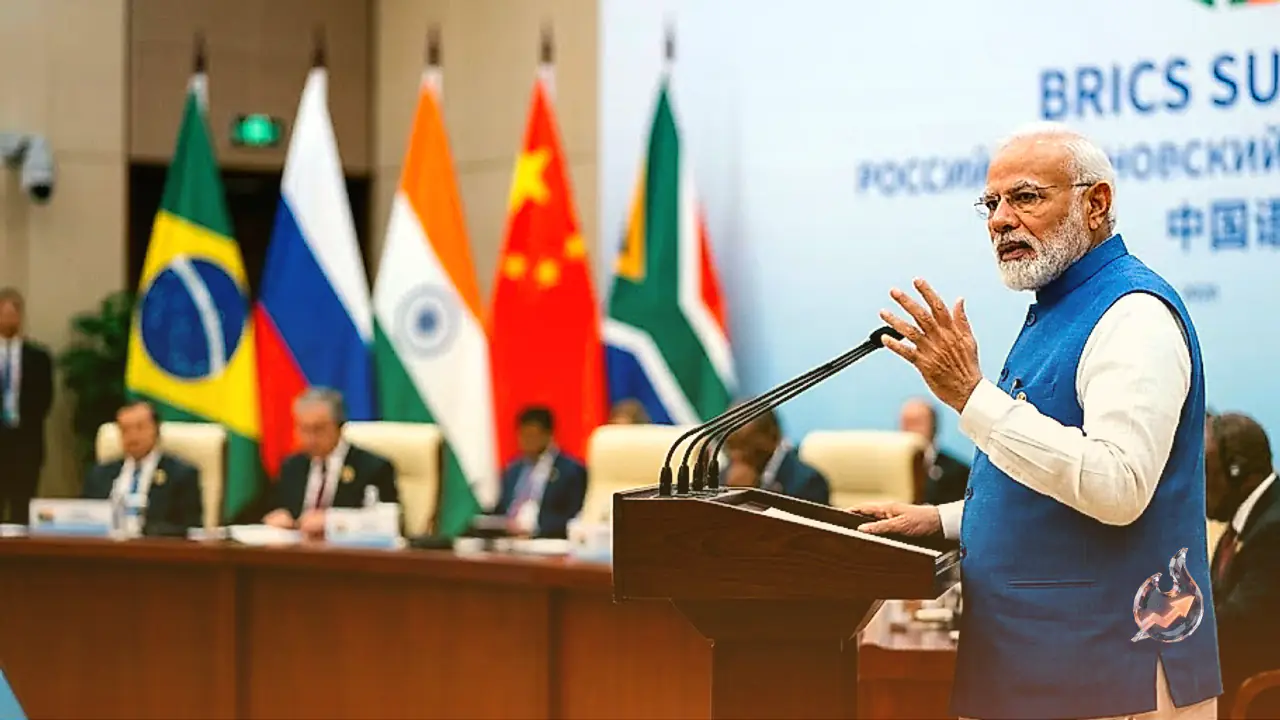



















The ongoing BRICS summit at Bharat Mandapam in New Delhi has entered a crucial phase, with today's agenda prioritizing global development, collaborative frameworks, and pressing shared challenges. Designed around themes of resilience, innovation, and sustainable cooperation, the high-profile gathering brought partner and outreach nation leaders together for a customary group photograph earlier in the day. Following the photo session, the open plenary session commenced, providing a platform for heads of state to articulate their perspectives on international economic growth and multilateral cooperation.
High-Level Bilateral Engagements
Alongside the main multilateral proceedings, Prime Minister Narendra Modi has a packed schedule of bilateral meetings with visiting dignitaries. The afternoon engagements feature talks with Kazakhstan President Kassym-Jomart Tokayev, followed by scheduled discussions with Philippines President Ferdinand R. Marcos Jr., Egypt President Abdel Fattah el-Sisi, and South Africa President Matamela Cyril Ramaphosa. Later in the evening, further diplomatic exchanges are lined up with Burundi President Evariste Ndayishimiye, Nigeria Vice President Senator Kashim Shettima, and Uganda Vice President Jessica Alupo, all hosted within the Bharat Mandapam complex.
Consensus on the New Delhi Declaration
A major diplomatic breakthrough of the summit has been the unanimous adoption of the New Delhi Declaration 2026 by all member states. Reaching this consensus required multiple rounds of intense negotiations to bridge differing viewpoints on various regional and global issues. Ultimately, the document was accepted without any objections from member nations, establishing a clear roadmap and defining the collective priorities of the bloc moving forward.
Political Demands for Greater Transparency
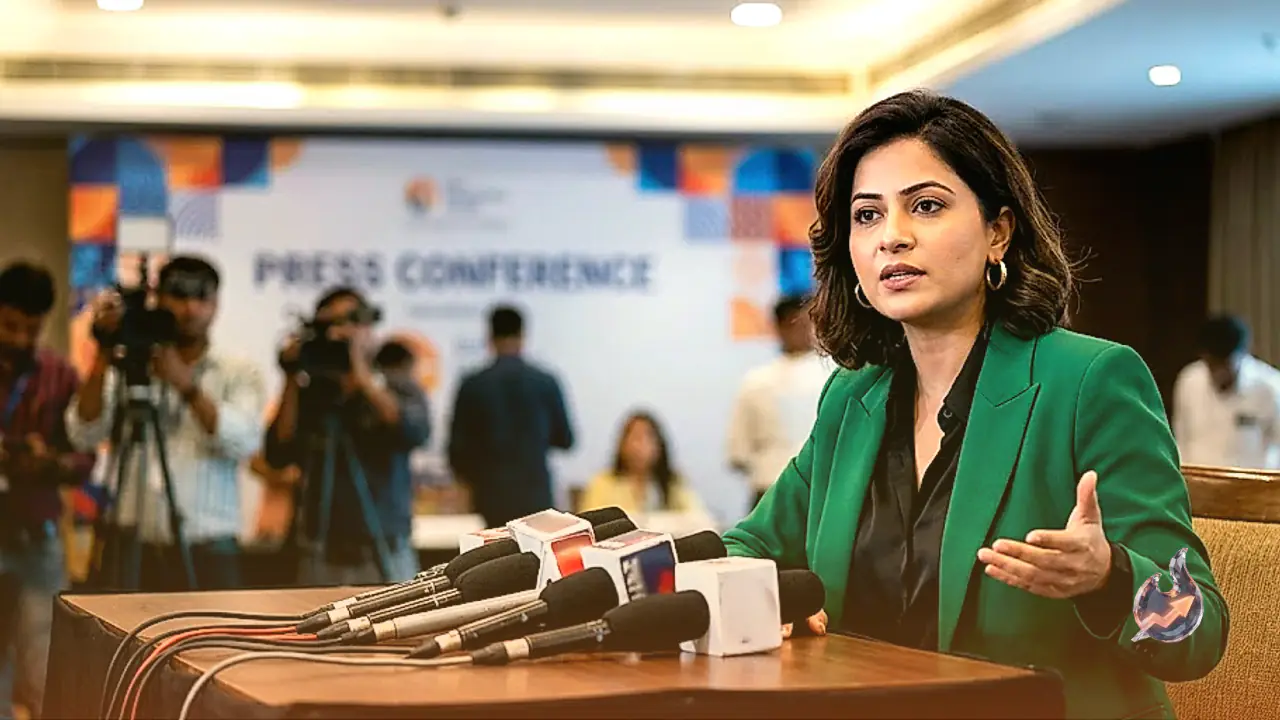
Amid the diplomatic activities, domestic political friction has emerged as the opposition Congress party called for a formal press conference from the leadership regarding the summit results. Congress foreign affairs department head Salman Khurshid argued that India needs to actively work on rebuilding its influence and trust among the nations of the Global South. The party contended that the central government's diplomatic footprint during the ongoing West Asian conflicts has remained limited, asserting that sustained and impactful actions are essential beyond mere declarations of solidarity.


