


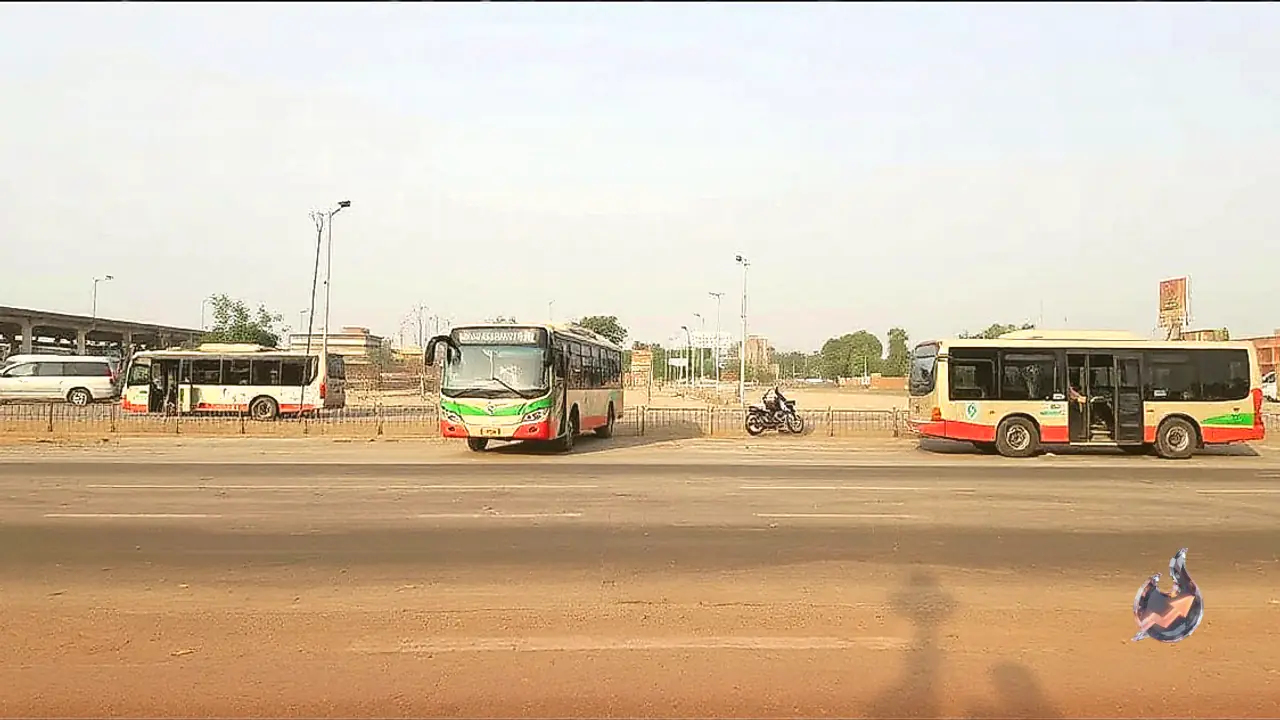


















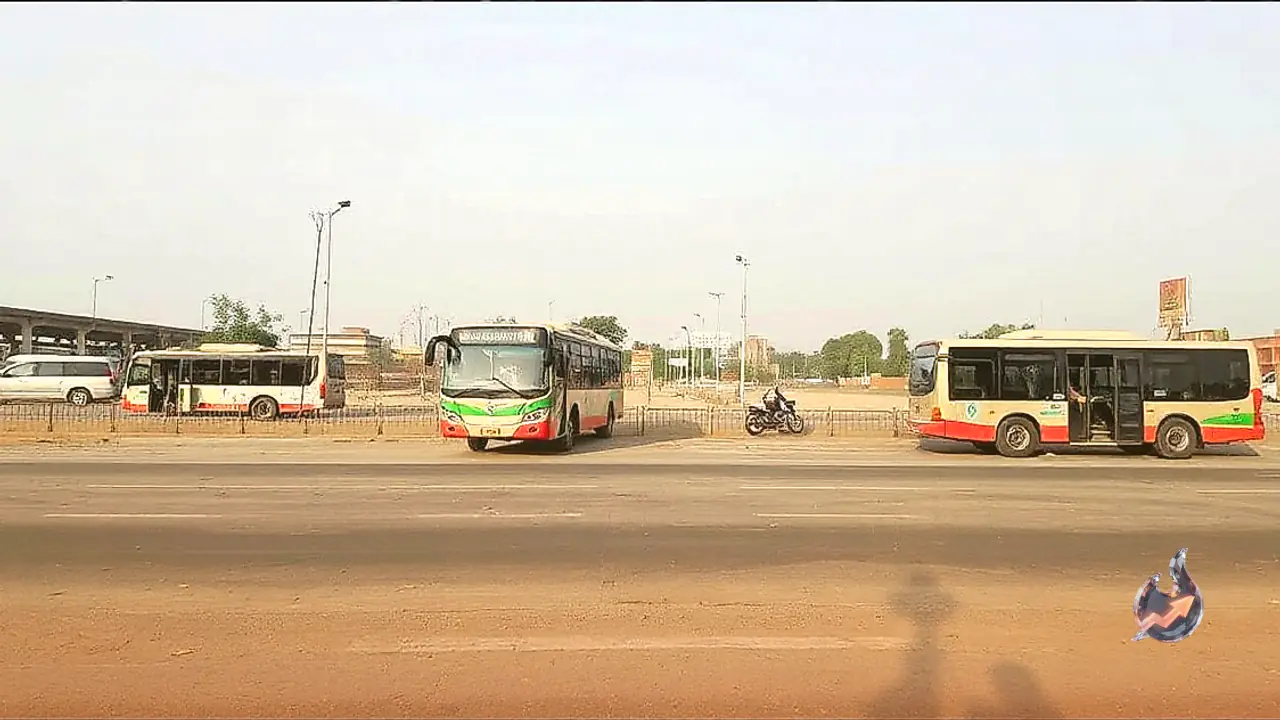

Public transportation in Gurugram is undergoing a major transformation with the introduction of 71 new electric buses designed to ease traffic congestion and reduce carbon emissions. The initiative, backed by the Haryana government, has added these modern vehicles to the fleet of the Gurugram Metropolitan City Bus Limited. Out of the 71 newly acquired vehicles, 35 electric buses have already commenced trial runs carrying passengers across nine designated routes in the city.
Expanding Routes and Passenger Trials
Viswajit Choudhary, the chief executive officer of Gurugram Metropolitan City Bus Limited, stated that the inclusion of these electric buses significantly strengthens the public transport framework of the city. He noted that the expansion helps in establishing new routes, enhancing connectivity on existing paths, and delivering convenient transit options to commuters. This step reflects the organization commitment to building an environmentally friendly and efficient public transport network. Currently, these e-buses are being operated from the Sector 10 bus depot, and each vehicle has a seating capacity of 25 passengers. During the trial phase, authorities are monitoring passenger feedback, route connectivity, and operational efficiency before integrating them into regular daily services.
Key Corridors Covered by the New Fleet
The trial routes have been strategically planned to connect residential hubs, commercial zones, and metro stations. The operational routes include journeys from the Gurugram bus stand to Pataudi railway station via Hailey Mandi, and from the Gurugram bus stand to Dhana Mor via Gurugram University. Other operational paths span from IMT Chowk to Dwarka Sector 21 metro station, Conscient Habitat in Sector 99A to Guru Dronacharya metro station, and Sector 37 Pace City 2 to Millennium City Center metro station. Additional routes connect Conscient Habitat Sector 99A to Kendriya Vihar, Bhondsi police post to Mahavir Chowk Goshala Ground, and Gurugram railway station to Dhana Mor. These connections aim to improve last-mile connectivity for residents traveling to transit hubs.
Affordable Fares and Air Quality Benefits
To ensure accessibility for all residents, the fare structure for these air-conditioned electric buses has been kept economical. Passengers traveling distances between zero and 6 kilometers will be charged Rs 15, while those covering journeys between 6 and 13 kilometers will pay Rs 25. For trips exceeding 13 kilometers, the maximum fare is capped at just Rs 35. This affordable pricing model allows commuters to travel long distances comfortably in air-conditioned comfort while avoiding road traffic.
Strengthening the Existing Public Transit Network
Prior to this rollout, Gurugram Metropolitan City Bus Limited was operating a fleet of 150 CNG buses across municipal limits. The addition of electric buses substantially scales up the public transit capacity and facilitates better connectivity across unserved or underserved areas. By linking residential sectors directly to metro stations and key transit points, the initiative addresses the crucial need for last-mile connectivity. Furthermore, deploying electric mobility plays a vital role in curbing vehicular pollution and promoting a cleaner urban environment.