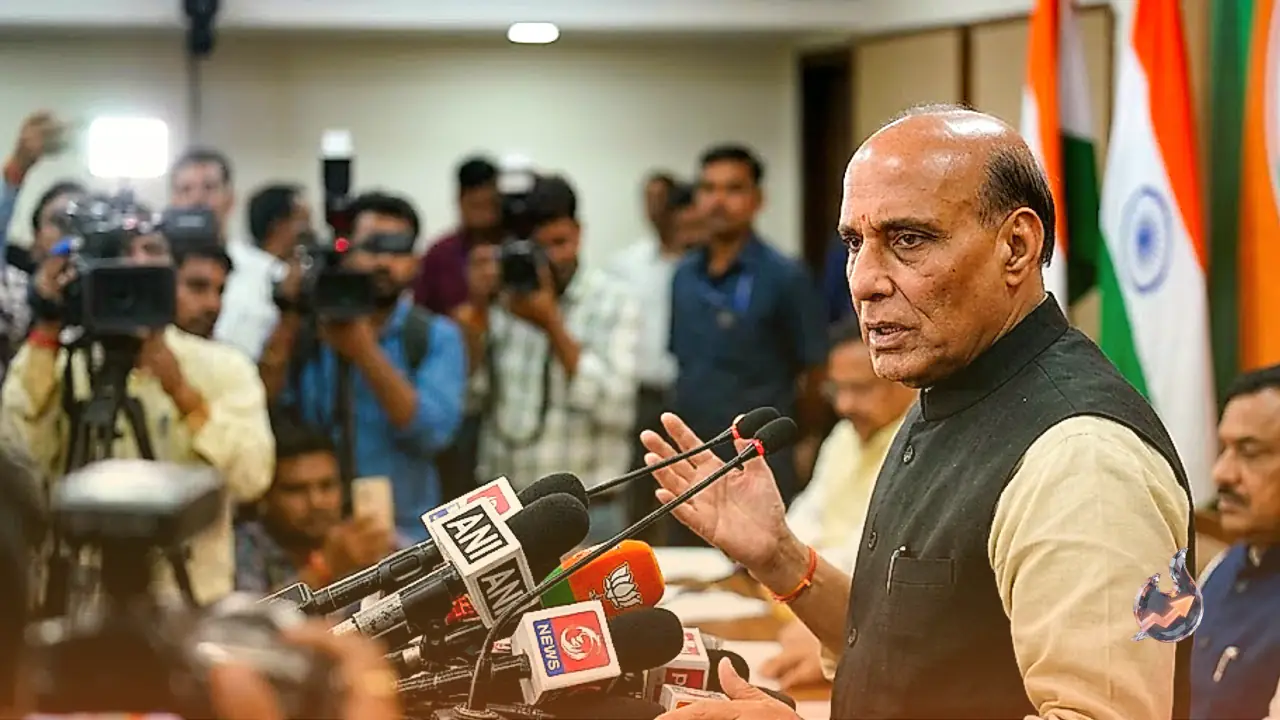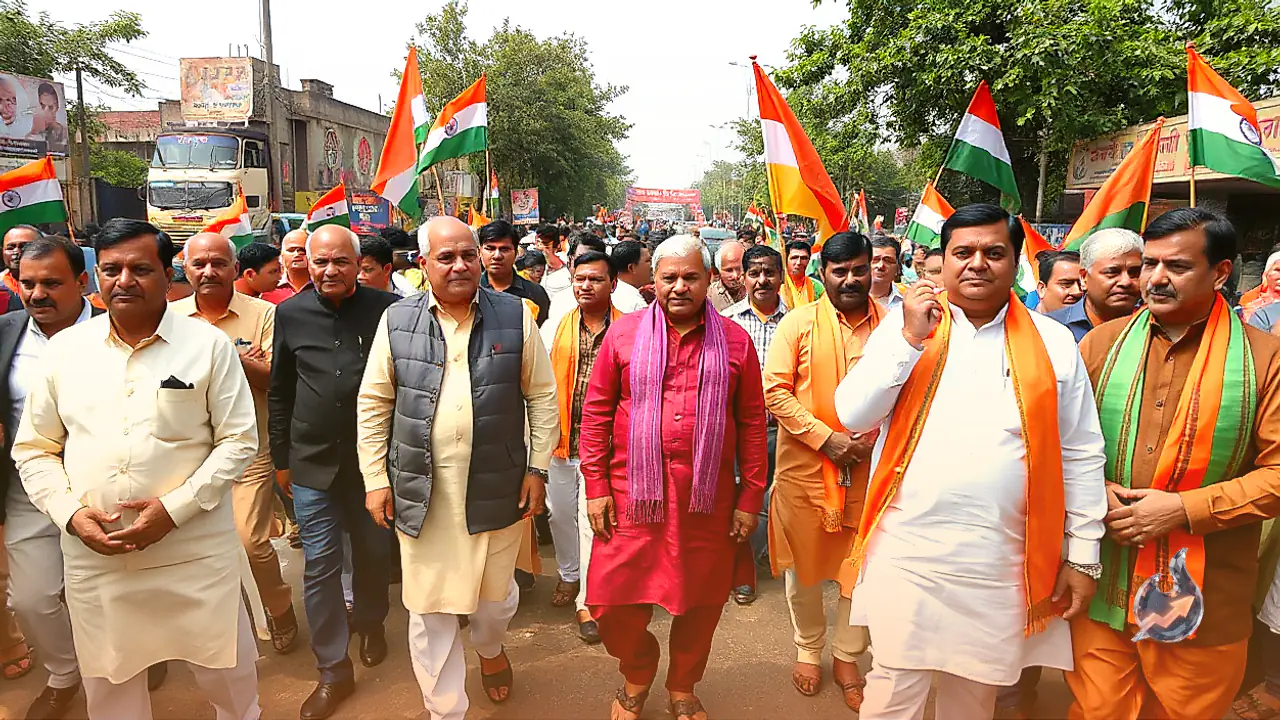


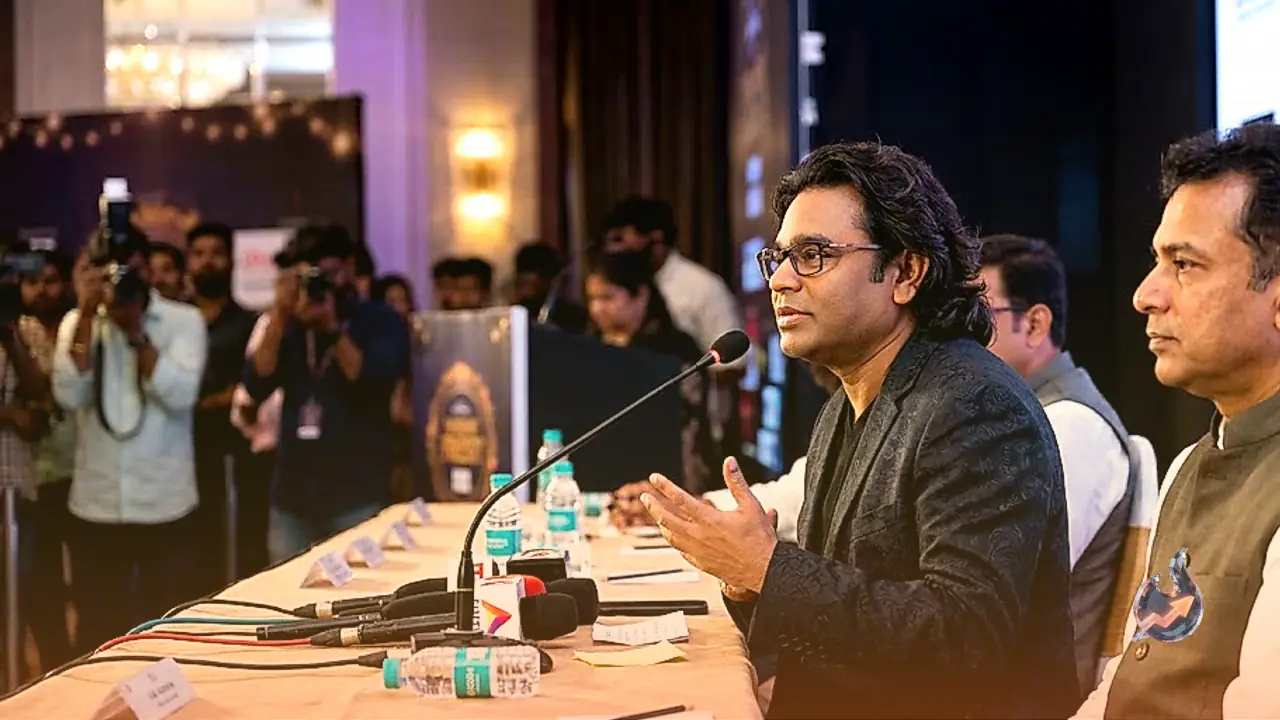

















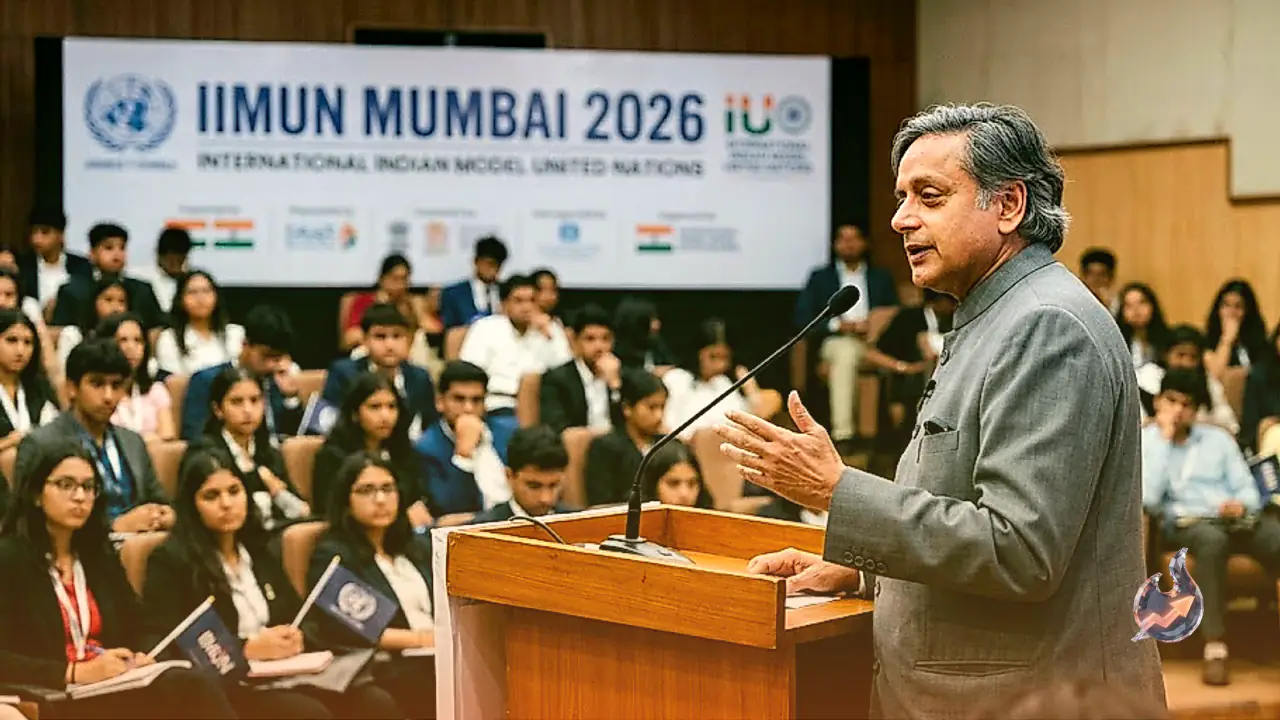

A fresh discussion has erupted within Indian political circles regarding how political parties engage with youth movements and communicate on student grievances. Speaking at a special event marking the 15th anniversary of IIMUN in Mumbai, Congress MP Shashi Tharoor made candid remarks about his own party's political messaging. He openly acknowledged that Congress failed to accurately capture the pulse of Gen-Z during recent nationwide protests. Despite raising concerns over the NEET-UG 2026 paper leak and systemic educational failures well in advance, the main opposition party could not generate the intense grass-root momentum or public resonance that the newly active Cockroach Janata Party (CJP) managed to pull off. Tharoor's introspection arrives at a critical juncture when young voters hold decisive influence over India's political trajectory.
Shashi Tharoor Highlights Structural Gap in Youth Outreach
During his interaction at the Mumbai conference, Shashi Tharoor pointed out that Congress had proactively identified and championed the very concerns that eventually drove thousands of students onto the streets. Party leader Rahul Gandhi had even initiated a targeted outreach campaign titled 'Chhatron Ki Goonj', conducting direct interactions with students and affected families across multiple cities. Nevertheless, the party's initiatives failed to create an impact comparable to the massive agitation launched by the CJP at New Delhi's Jantar Mantar.
Addressing the core difference in public response, Tharoor urged his party to reflect deeply on its communication strategy. He remarked, "We must ask ourselves whether we failed to listen and whether our finger was simply off the pulse of Gen-Z." He emphasized that identifying a pressing issue is only the first step; converting that issue into a genuine youth movement requires a completely different level of connection and resonance. If young citizens choose to align with independent outfits over established political entities, established parties must re-evaluate where their message lost its persuasive edge.
The Rise of CJP Protests Over NEET-UG 2026 Paper Leak
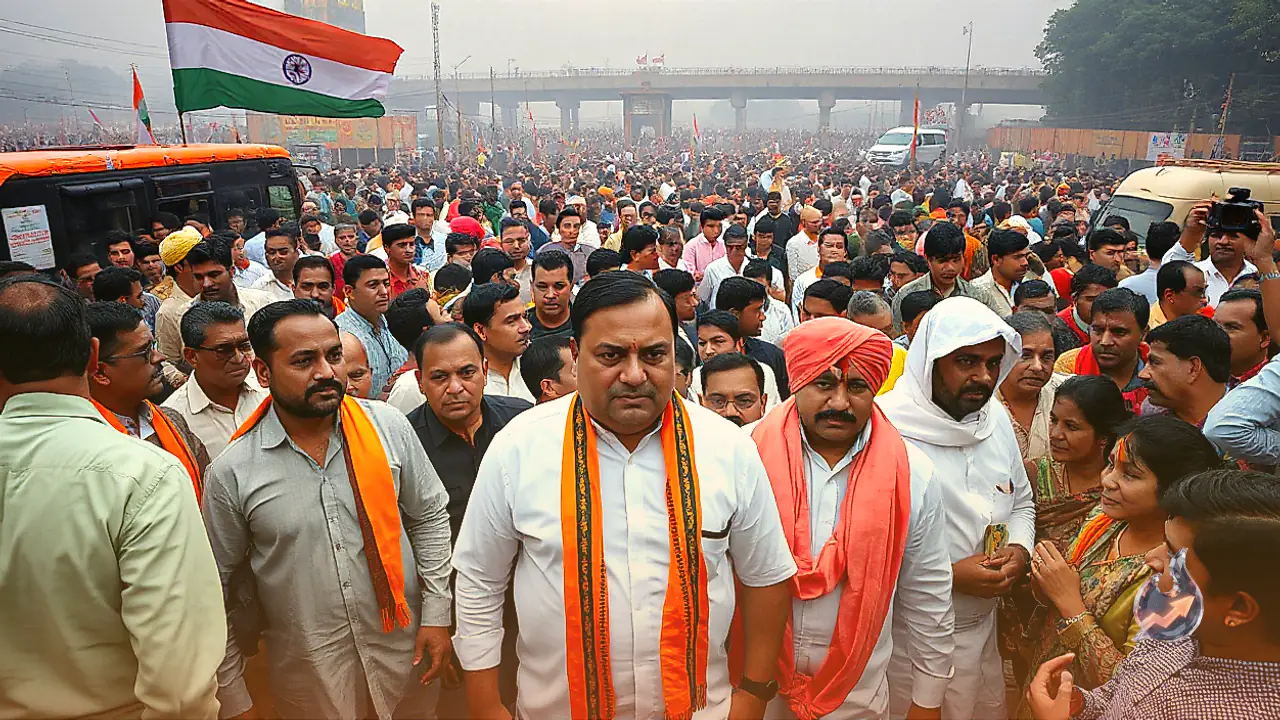
The student unrest gained nationwide momentum starting June 20, when the Cockroach Janata Party spearheaded an aggressive campaign against irregularities in the NEET-UG 2026 examinations. The protesting students demanded complete transparency and institutional accountability from the central government. As part of their charter of demands, the demonstrators called for the immediate resignation of Union Education Minister Dharmendra Pradhan, citing administrative failure in safeguarding competitive exams.
The demonstration gained significant moral and public support when prominent education reformer and environmental activist Sonam Wangchuk joined the protest. Wangchuk initiated an indefinite hunger strike in solidarity with the affected candidates. His active presence at Jantar Mantar drew immense national media focus and catalyzed support from educational experts, student groups, and civil society activists across the country, transforming the protest into a focal point of youth anger.
Sonam Wangchuk's Hunger Strike and the July 20 Police Action
Building on the escalating public support, the Cockroach Janata Party announced a call for a march to Parliament on July 20 to intensify pressure on the government. However, just days before the scheduled march, law enforcement authorities intervened and removed Sonam Wangchuk from the protest site at Jantar Mantar, sparking widespread outrage among student groups.
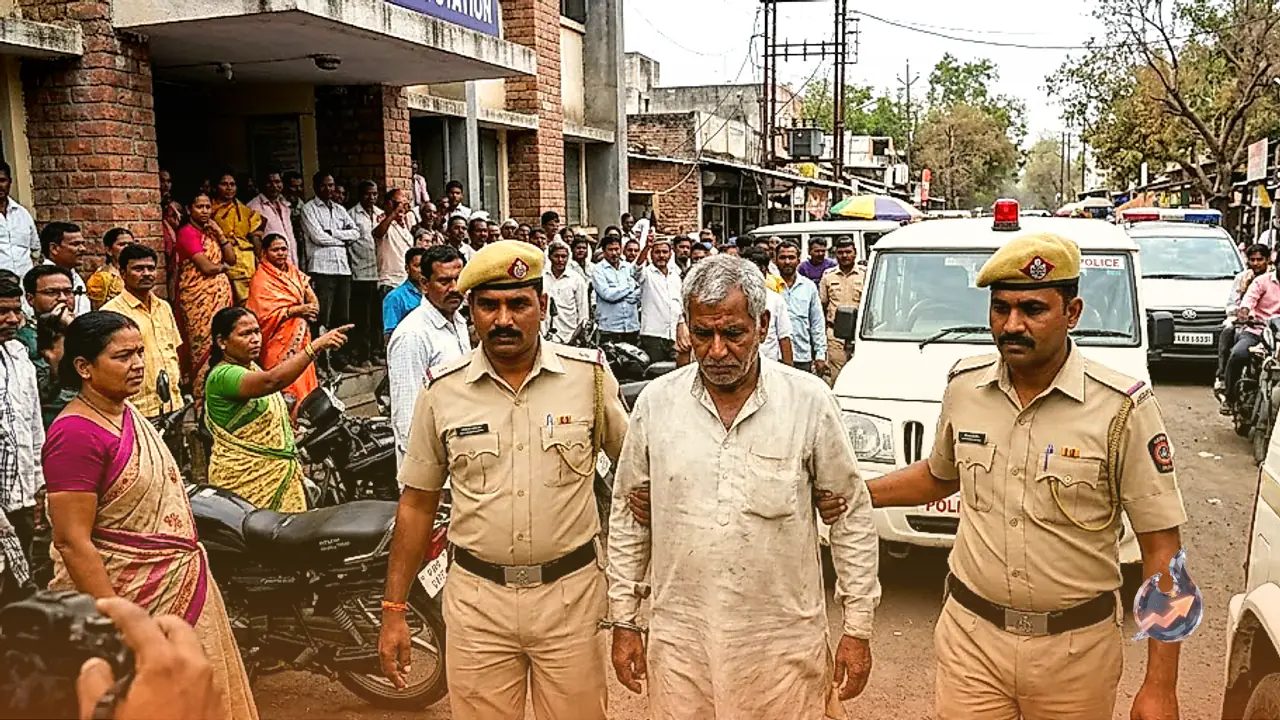
On July 20, when student protesters attempted to proceed towards Parliament, security forces initiated stern police action to disperse the gathering. The detention of several student leaders and the forceful breakup of the rally sparked heavy criticism from opposition parties. The incident quickly morphed into a major national political controversy, with critics accusing the administration of suppressing legitimate student grievances rather than addressing systemic flaws in the examination system.
Congress Timeline: From NSUI Protests to 'Chhatron Ki Goonj'
In response to Tharoor's critique, Congress representatives highlighted that the party's student wing, the National Students Union of India (NSUI), was actively demonstrating on the issue as early as May 12. NSUI organized a major rally in New Delhi shortly after the National Testing Agency (NTA) cancelled the NEET examination following widespread allegations of paper leaks and corruption. Congress maintained that student anger over exam sanctity was already a core priority on its national agenda.
Following the initial protests, Rahul Gandhi launched the 'Chhatron Ki Goonj' campaign on June 17 from Kota, Rajasthan—a major coaching hub for medical and engineering aspirants. The campaign aimed to foster direct dialogue with students regarding academic pressure and exam scams. Rahul Gandhi subsequently expanded the outreach to Dehradun in Uttarakhand, meeting candidates and families devastated by recurring paper leaks. He also planned to extend the campaign to Prayagraj to highlight the escalating employment crisis facing young graduates. Despite these structured efforts, Congress failed to convert student dissatisfaction into a mass political movement on the scale demonstrated by CJP.
Rahul Gandhi's Regional Campaigns in Kota, Dehradun, and Prayagraj
Throughout his multi-city campaign, Rahul Gandhi launched sharp attacks on the government's handling of the educational sector. Speaking to aspirants in Kota, he criticized the commercialization of coaching institutes, while in Dehradun, he attacked the organized syndicates profiting from paper leaks at the expense of students' futures.
Reiterating his commitment to youth issues during his campaign updates, Rahul Gandhi stated, "In Kota, we exposed the extortion machine profiting from the dreams of students." He asserted that India's youth were no longer willing to accept an oppressive system filled with unfulfilled promises. He pledged that Congress would ensure the voices of students were heard across the nation. However, as Tharoor highlighted, despite the strong rhetoric, the campaign failed to spark the spontaneous youth energy seen during the CJP demonstrations.
Lessons for Congress in Navigating Gen-Z Political Dynamics
Shashi Tharoor's intervention serves as a crucial wake-up call for Congress strategic planners. The party possessed valid issues, top leadership engagement, and active student wing participation; yet, it failed to trigger an organic emotional connection with Gen-Z voters. Tharoor's comments highlight a widening gap between traditional political campaigning and the evolving expectations of the younger generation.
Modern Gen-Z political participation relies heavily on decentralized communication, rapid social media mobilization, authentic street presence, and direct dialogue rather than formal press releases or traditional political speeches. For political parties looking to remain relevant to India's demographic dividend, restructuring outreach strategies to align with the dynamic language of Gen-Z has become an imperative necessity.