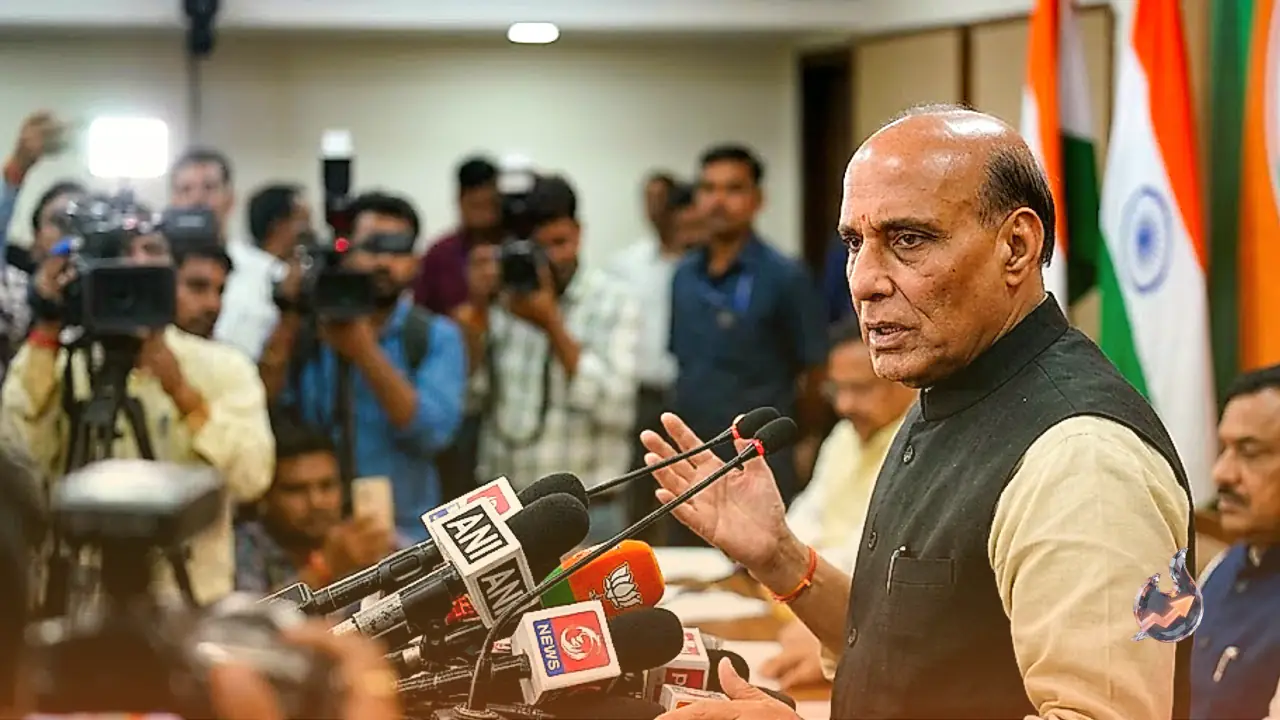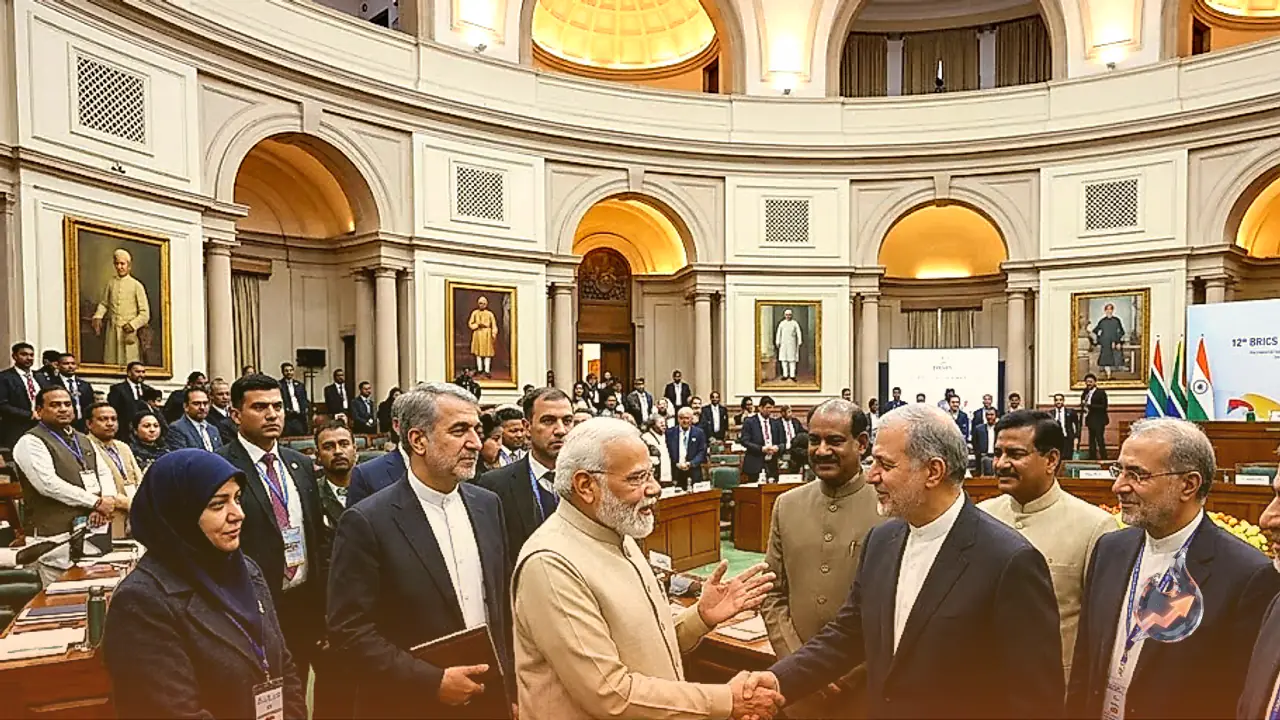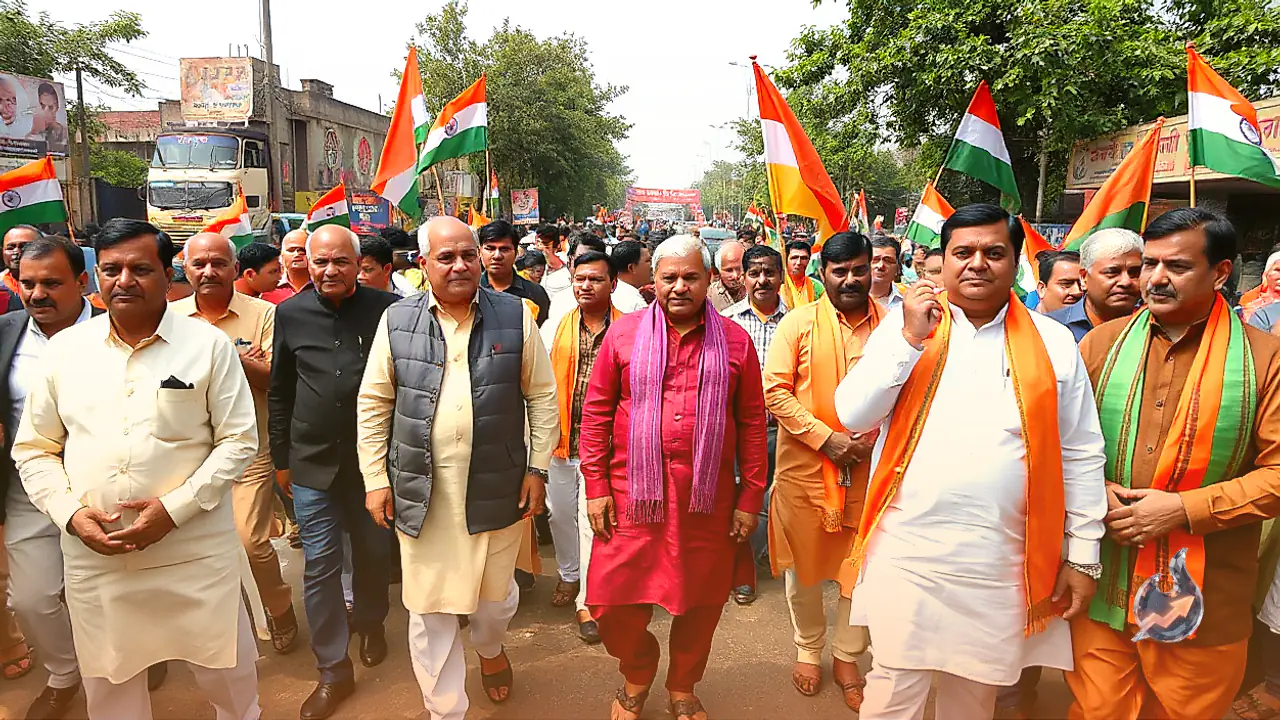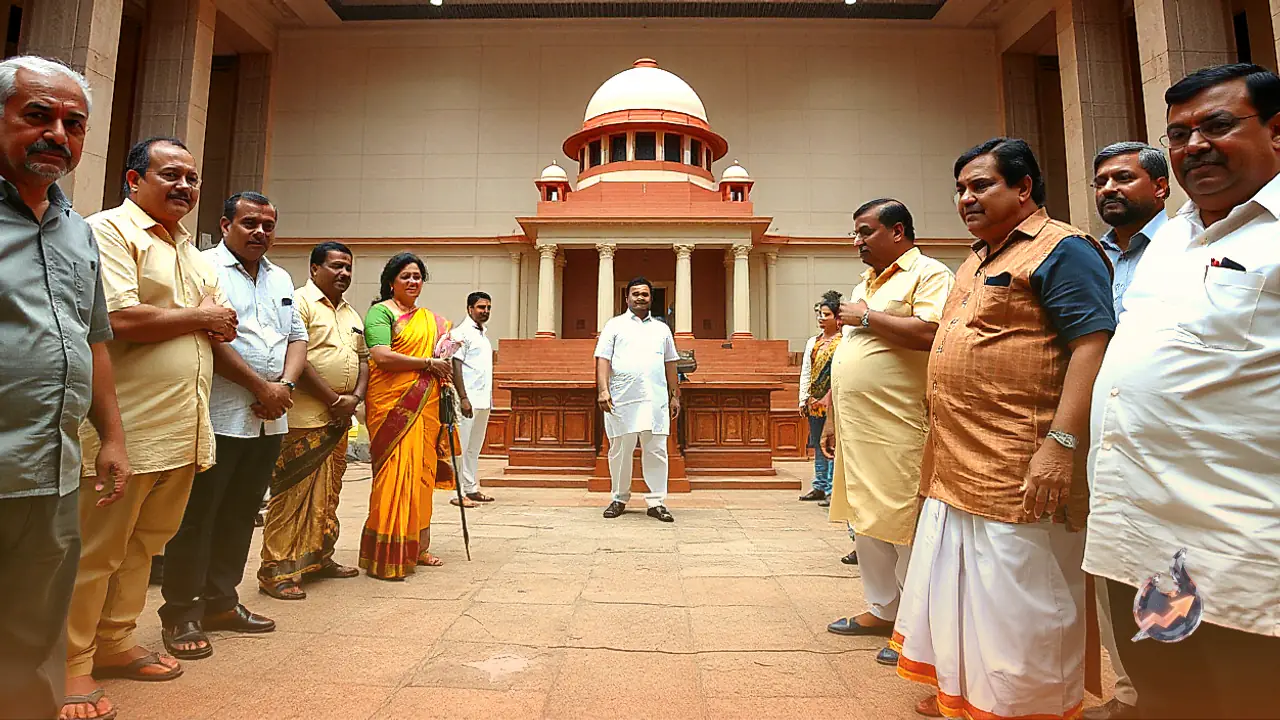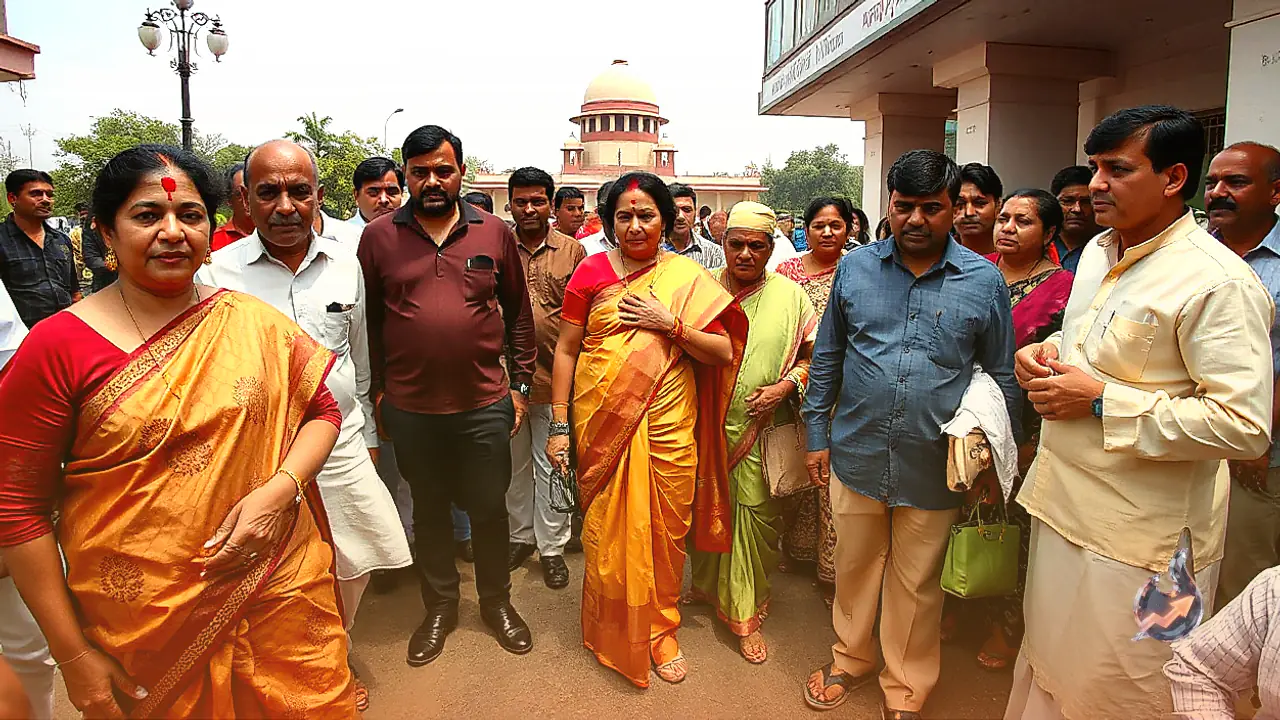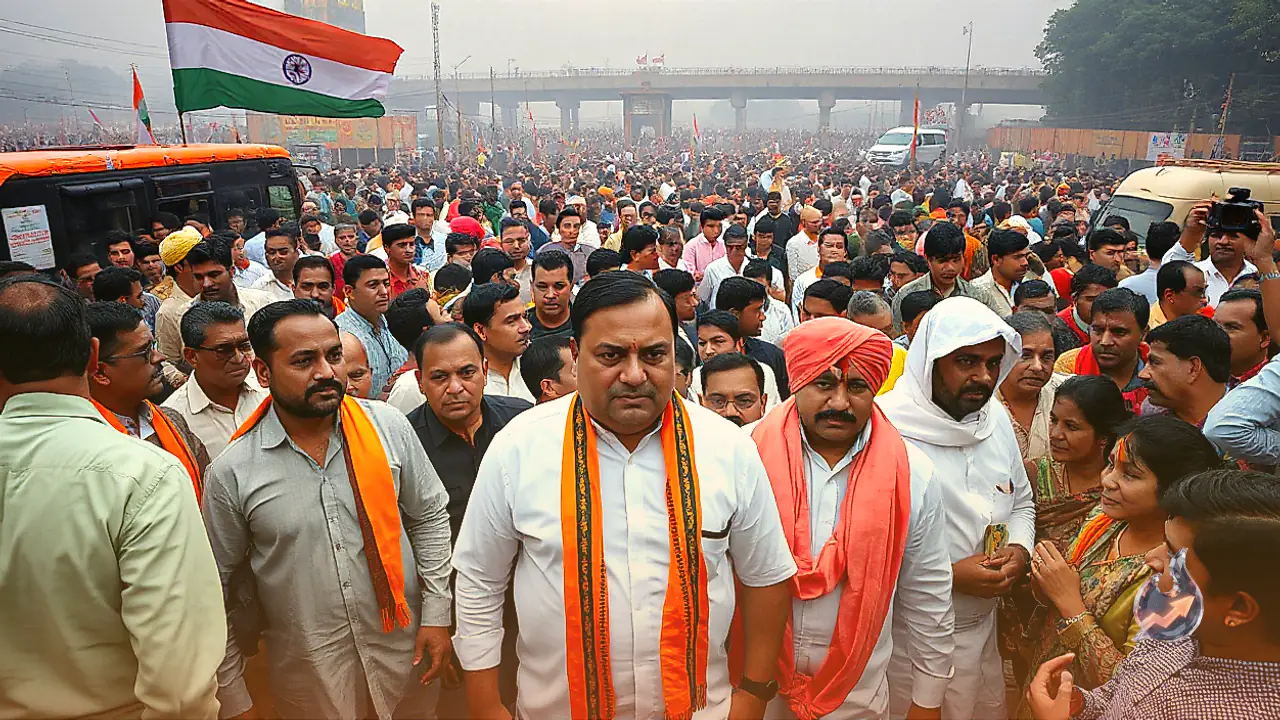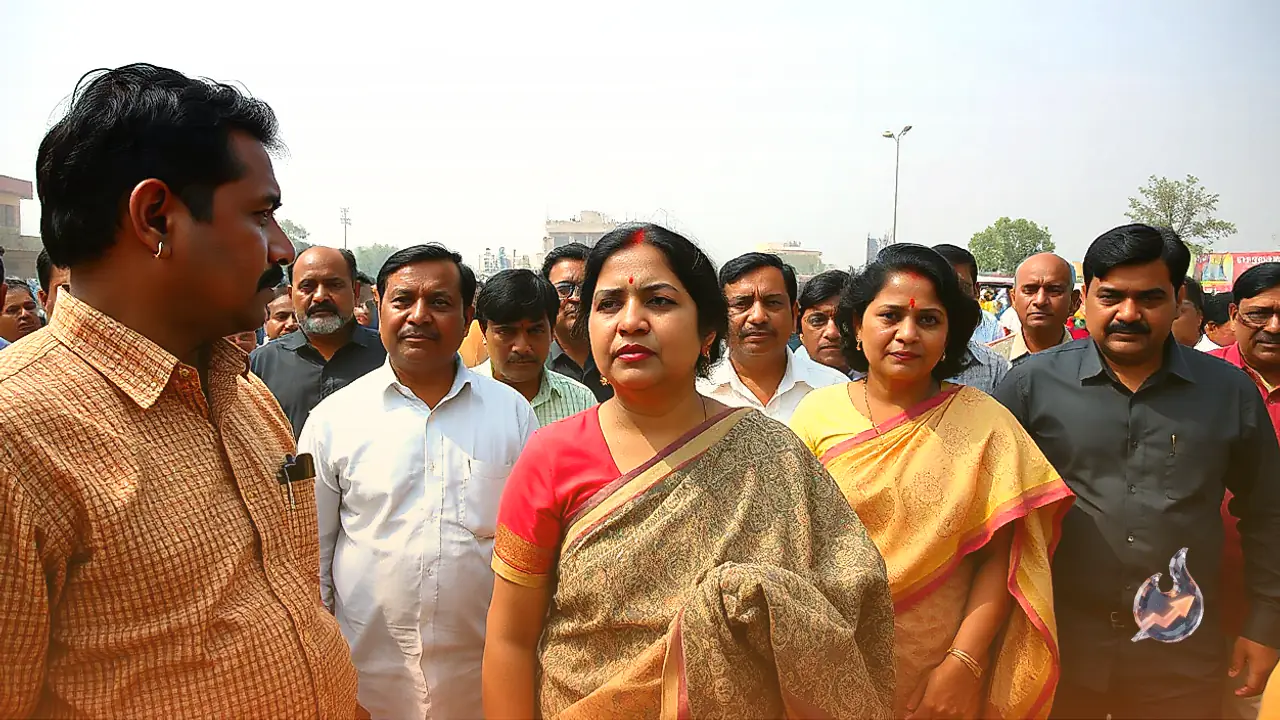

















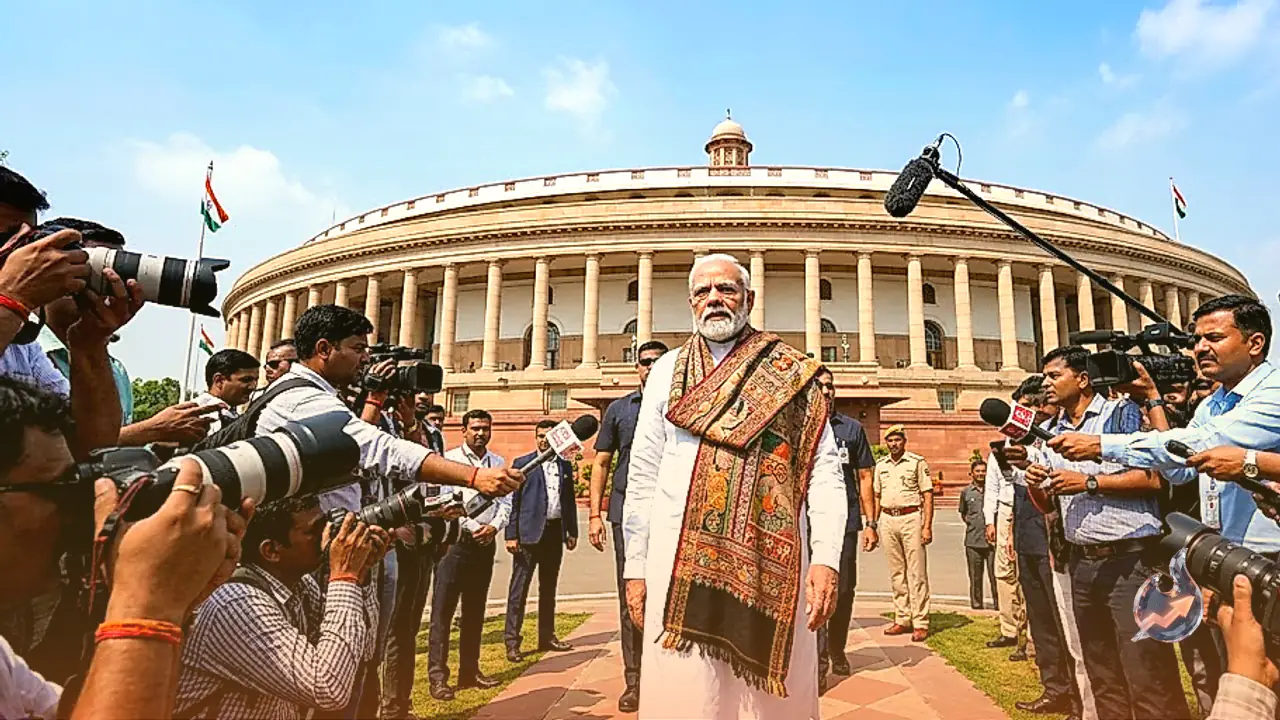

Political intensity has escalated in the national capital as the Monsoon Session of Parliament approaches its final four days. Recognizing the strategic importance of the remaining sittings, both the ruling Bharatiya Janata Party and the primary opposition party, the Indian National Congress, have issued strict three-line whips requiring the mandatory presence of all their lawmakers in the House. Furthermore, the leadership of the National Democratic Alliance (NDA) has advised all coalition partners to ensure full attendance until the session concludes.
Legislative Suspense Over Delimitation and Key Reform Bills
Speculation is rife within parliamentary circles that the government might introduce significant legislative measures during the session's final leg. The Congress leadership anticipates that the government could present the Delimitation Bill, the Women's Reservation Bill, and amendments to the Foreign Contributions Regulation Act (FCRA) Bill. Opposition leader Rahul Gandhi has maintained a firm stance against these measures, declaring that the opposition will strongly resist the passage of all three bills.
Earlier attempts to secure the passage of the Delimitation Bill in the Lok Sabha were stalled due to the government falling short of the required two-thirds majority. At that time, Prime Minister Narendra Modi reiterated that the proposed law serves the broader national interest by enabling one-third representation for women in Parliament, affirming that its passage remains an inevitable objective. Since then, focused political efforts have been underway to build the necessary two-thirds backing in the House.
Shift in Parliamentary Dynamics and Regional Coalitions
To consolidate parliamentary numbers, key political realignments have taken place over time, including fractures within the Trinamool Congress and Shiv Sena that bolstered the ruling coalition's position. Additionally, growing friction between the DMK and the Congress opened fresh avenues for dialogue. Active consultations are currently taking place with the DMK regarding the Delimitation Bill, while positive support is also anticipated from Sharad Pawar's Nationalist Congress Party (NCP), the YSR Congress Party, and the Shiromani Akali Dal.
Political analysts observe that securing the passage of delimitation legislation is directly linked to granting 33 percent reservation for women in Parliament. The most practical mechanism to allocate one-third of seats to women involves expanding the total strength of the Lok Sabha to 816 seats, a restructuring that can only be executed through a formal delimitation exercise.
Meanwhile, visible disunity within the opposition coalition provides strategic advantage to the government. Strained relations between Aam Aadmi Party leader Arvind Kejriwal and Rahul Gandhi have surfaced publicly, alongside grievances expressed by the DMK regarding its alliance commitments with the Congress. Furthermore, indecisiveness within Sharad Pawar's faction leaves the opposition divided. Against this backdrop, Prime Minister Modi continues to evaluate the opportune moment. The architecture of the new Parliament building, which features a Lok Sabha chamber capable of seating 1,000 members, underlines long-term planning for parliamentary expansion.
Call for Global Positioning of Indigenous Handloom and Khadi
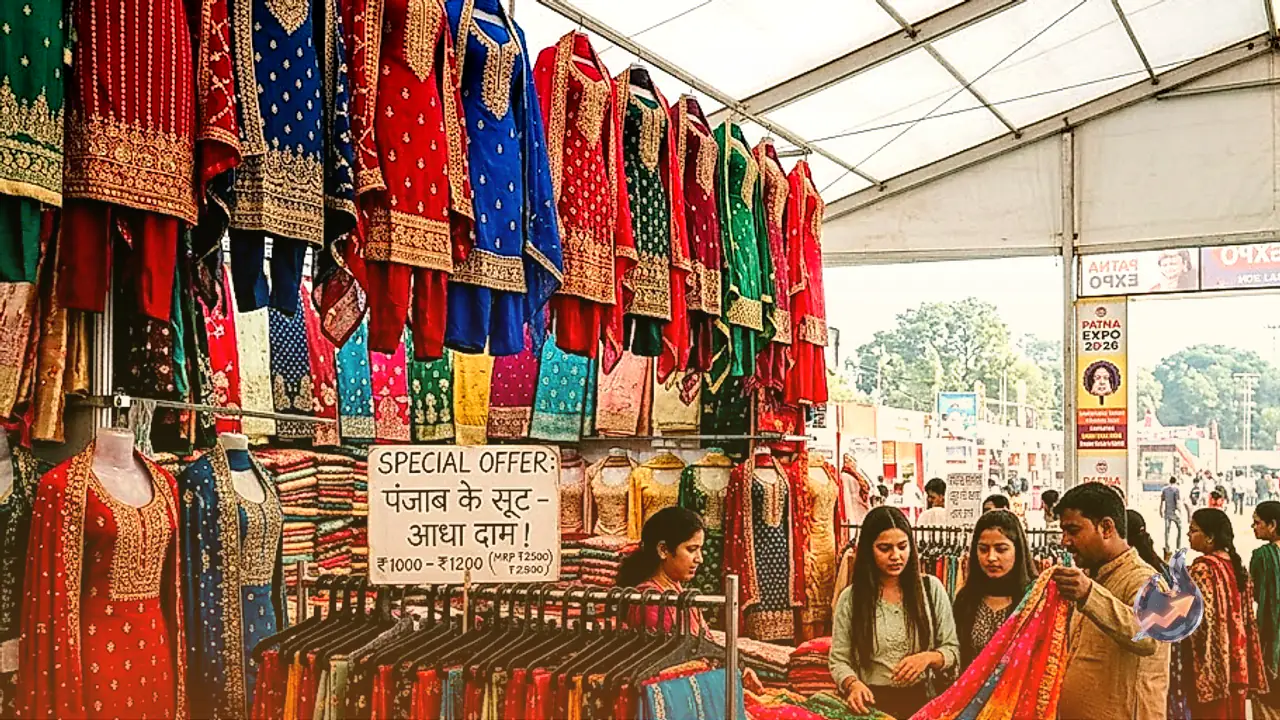
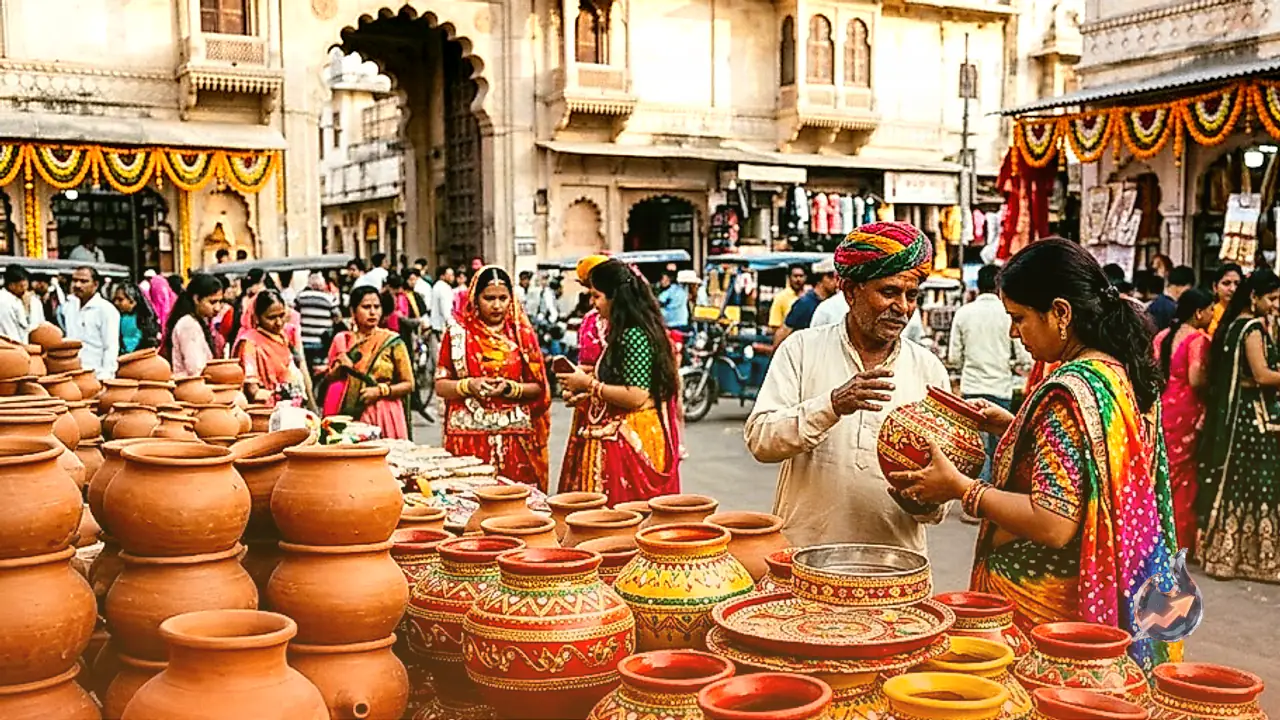
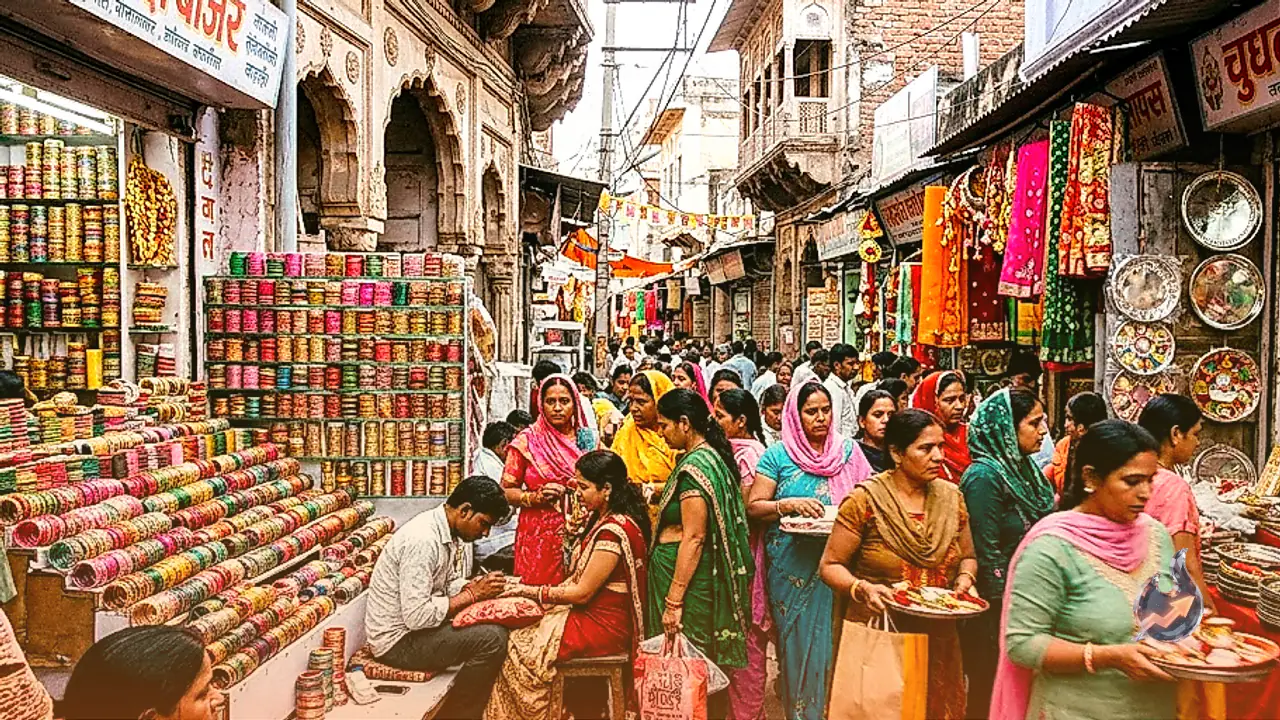
Parallel to parliamentary developments, Prime Minister Narendra Modi delivered a national address on National Handloom Day, appealing to citizens to adopt Khadi and indigenous handloom products in their daily lives. The Prime Minister highlighted that millions of underprivileged families across the country depend directly on the weaving sector, producing traditional textiles from their homes. Choosing locally crafted handloom items directly sustains rural livelihoods and generates economic opportunities for weaving communities.
Emphasizing that handloom is not merely a commercial sector but a vital thread binding India's socio-cultural identity, the address noted how traditional textiles remain central to auspicious celebrations, weddings, and festive occasions. Iconic weaves such as the Banarasi saree, Punjab's Phulkari, and Tamil Nadu's Kanjivaram sarees represent irreplaceable heritage symbols across households.
Overcoming Marketing and Packaging Gaps in Global Markets
The government's 'Vocal for Local' initiative has provided substantial momentum to the domestic handloom ecosystem. Traditional weaves including Madhya Pradesh's Chanderi, Assam's Muga silk, and Rajasthan's Kota Doria have gained international visibility and commercial access. Prominent fashion designers in France and Italy have increasingly incorporated Indian handloom textiles into high-end luxury fashion lines.
Despite gaining brand recognition among luxury design houses, India's overall share in the international textile market remains below its potential. Industry experts point out that this shortfall stems not from any compromise in fabric quality, but rather from deficits in global marketing strategies, contemporary product design, and export-grade packaging. Addressing these structural shortcomings remains essential to positioning Indian handlooms as premier offerings in global luxury markets.