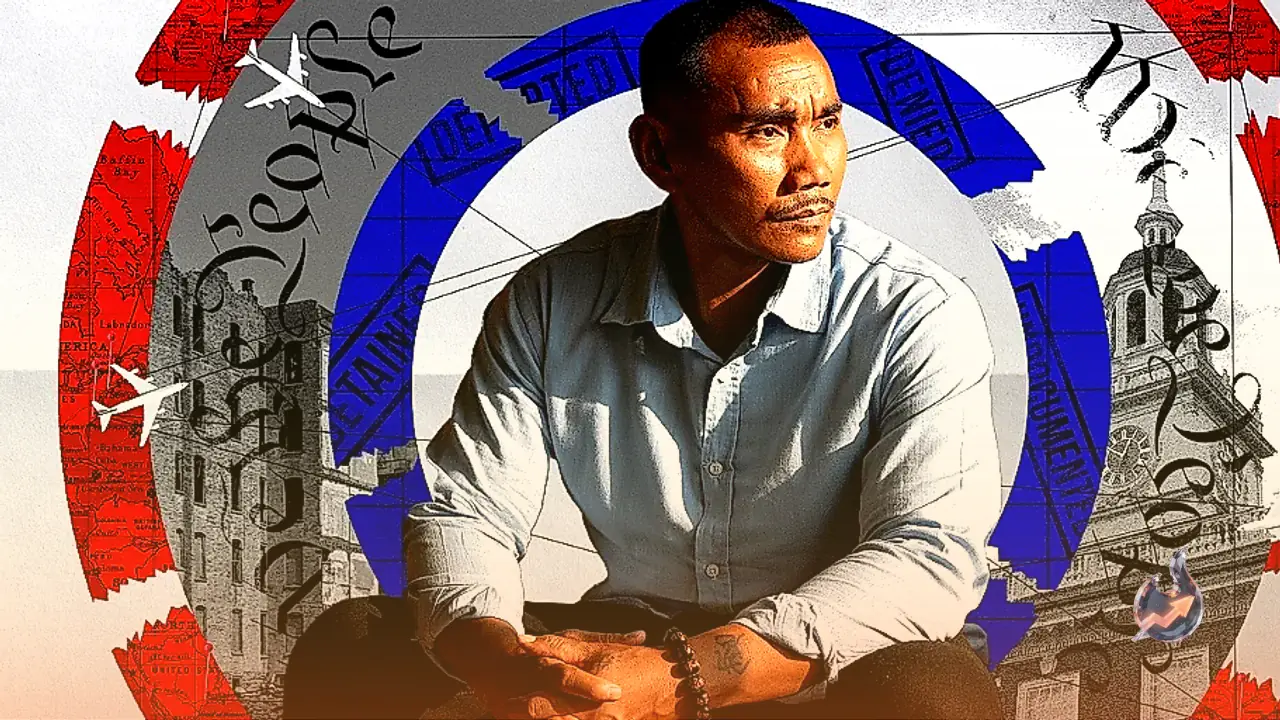

When Pheap Rom was locked up in an African correctional facility following his deportation from the United States, the jailer insisted on referring to him and his fellow detainees as the king's guests. This surreal bureaucratic reasoning mirrored the broader trajectory of a controversial US policy that has seen thousands of migrants shipped off to third countries without adequate due process. Despite warnings from the United Nations and investigations by lawmakers, the administration has continued these removals, prompting other wealthy Western nations to eye similar off-shoring models for asylum seekers.
A Refugee Background and Legal Troubles
Rom arrived in America as a young child after his family fled the atrocities of the Khmer Rouge in Cambodia, eventually being born in a Thai refugee camp in 1982. Growing up in impoverished neighborhoods in the Bronx and later Philadelphia, an adolescent Rom became entangled with a local gang to avoid bullying. In 2010, he pleaded guilty to charges including attempted murder stemming from a gang-related shooting. Although he was a legal permanent resident, his conviction meant he lost his status, setting the stage for his eventual deportation once he completed his 15-year prison sentence.
The Secret Transfer to Africa
After being transferred to immigration holding upon his release, Rom endured months of confusing delays and contradictory statements from officials regarding his departure destination. Without prior notice of his specific location, he and other detainees were boarded onto a charter flight that ultimately landed at an airport flanked by armed military personnel in Eswatini. Deposited into a high-security section of the Matsapha Correctional Centre, the men faced severe conditions, lacking basic hygiene supplies and enduring intense heat and mosquito swarms while housed in dirty cells.
Financial Deals and Legal Challenges
Investigations and disclosures later revealed that the relocation was part of an arrangement brokered between American diplomats and Eswatini's prime minister, resulting in millions of dollars being channeled to the host nation. Human rights organizations quickly launched legal challenges to halt the agreement, arguing it violated constitutional protections and international standards. Meanwhile, through the tireless advocacy of his lawyer Tin Thanh Nguyen and coordination with Cambodian authorities, Rom's deportation paperwork was finally cleared, allowing him to leave Africa and return to Cambodia in March.
Life After Detention
Upon arriving in Cambodia, Rom attempted to rebuild his life by taking on teaching roles and writing about his experiences, though he faced personal tragedies including the death of his sister. While he has managed to secure his freedom, numerous other deportees remain imprisoned in Eswatini as legal battles continue to challenge the very legality of these third-country removals in the US Supreme Court. Rom's ordeal stands as a stark illustration of the hidden human costs behind modern Western immigration enforcement policies.