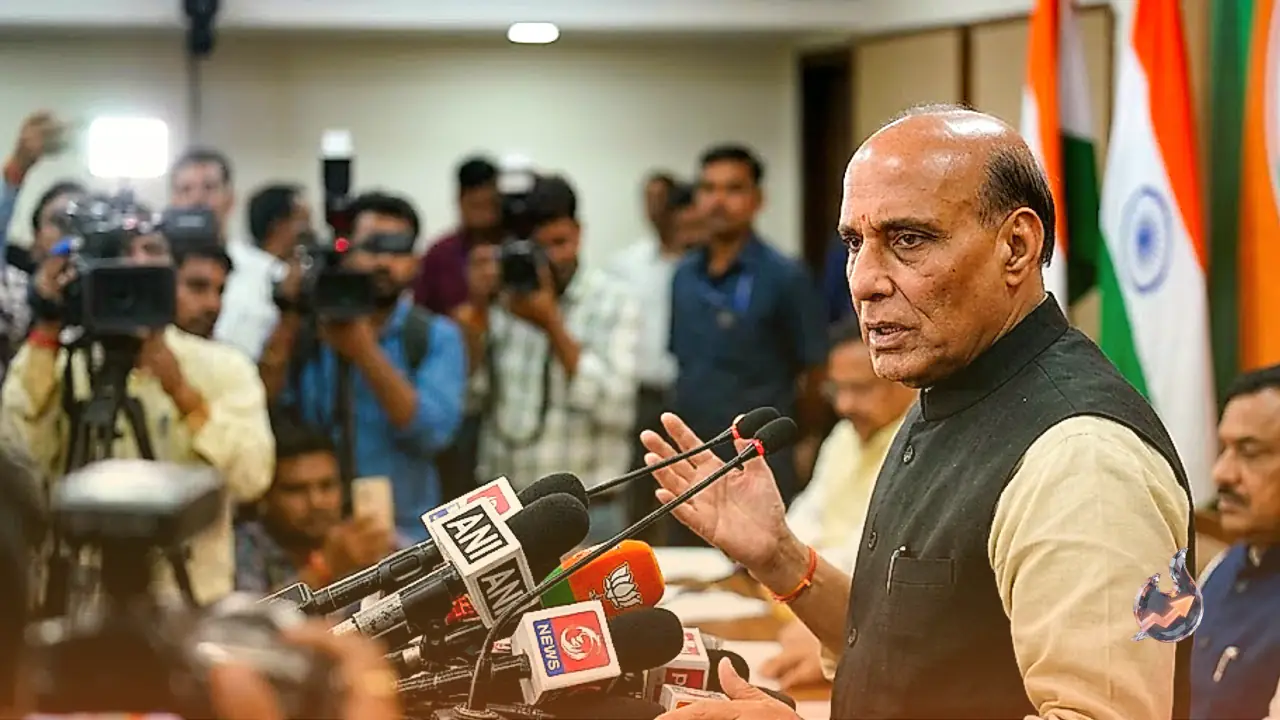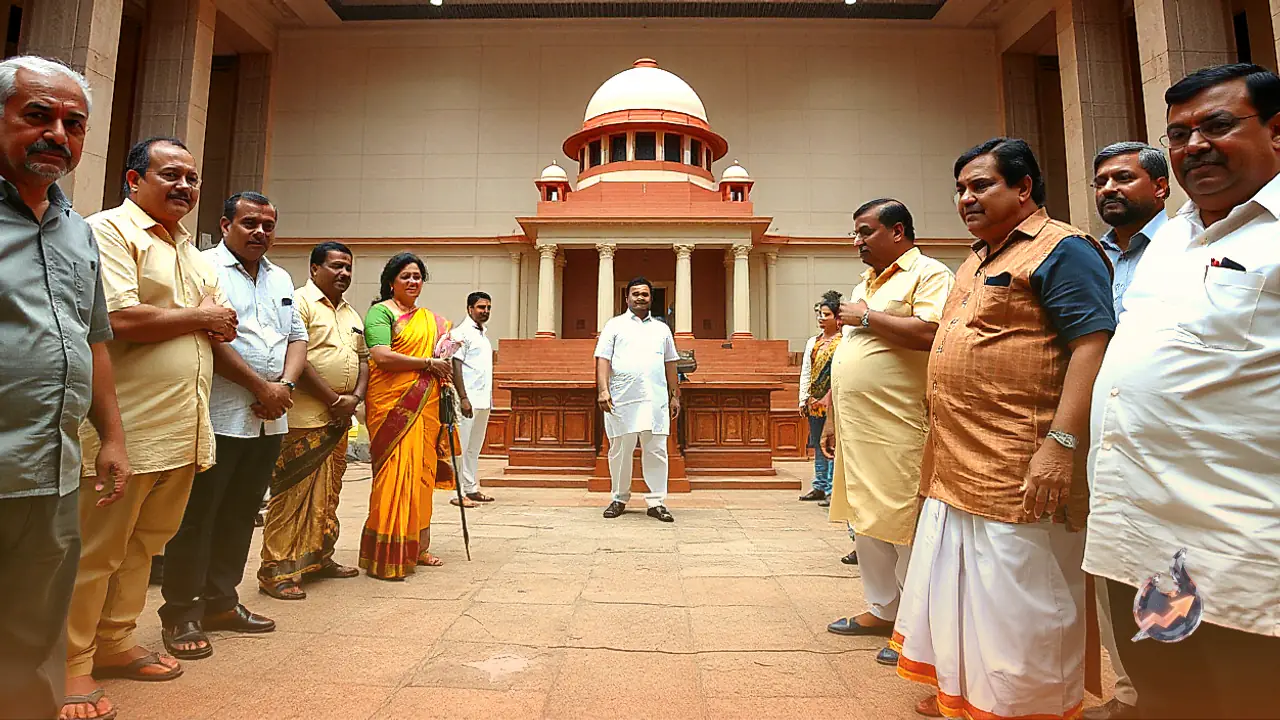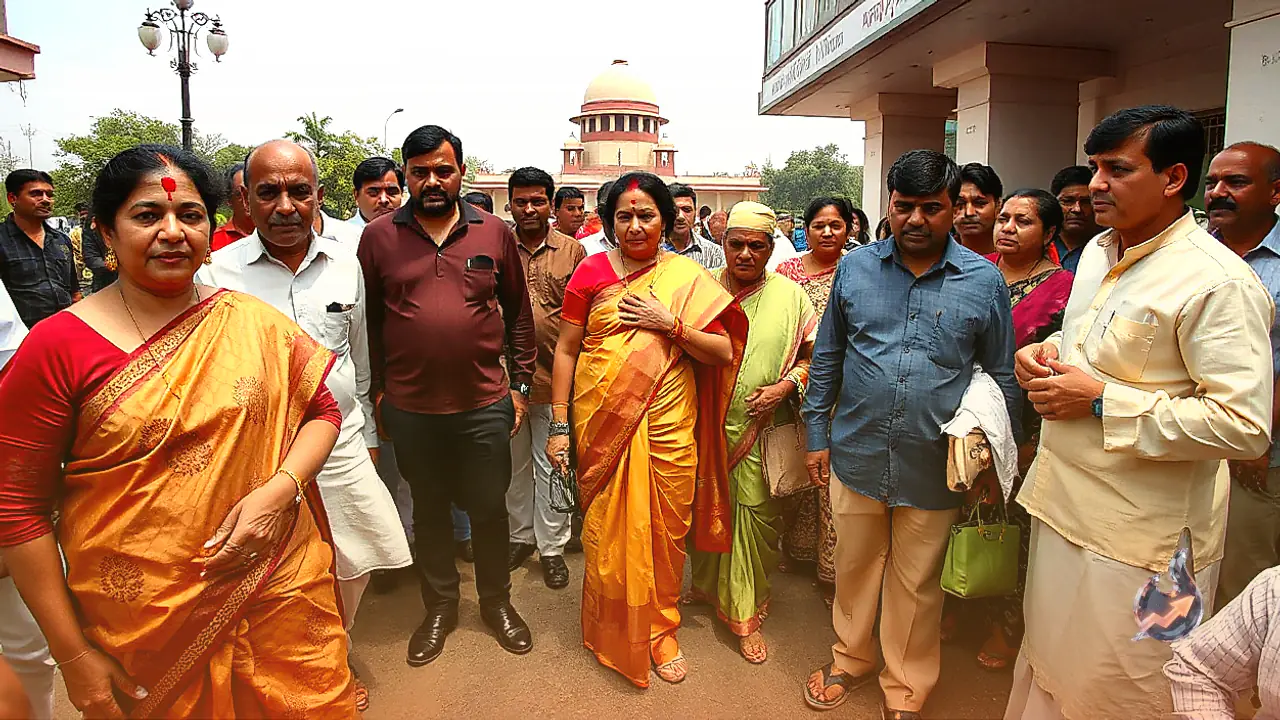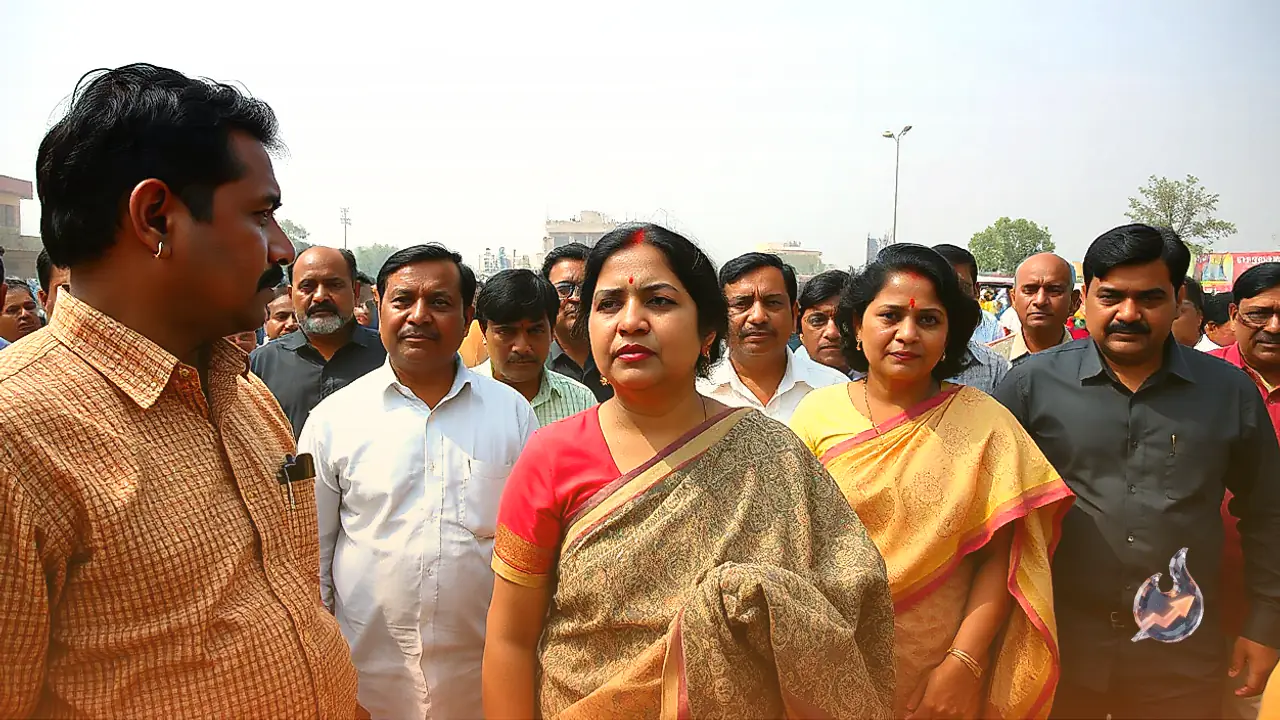



















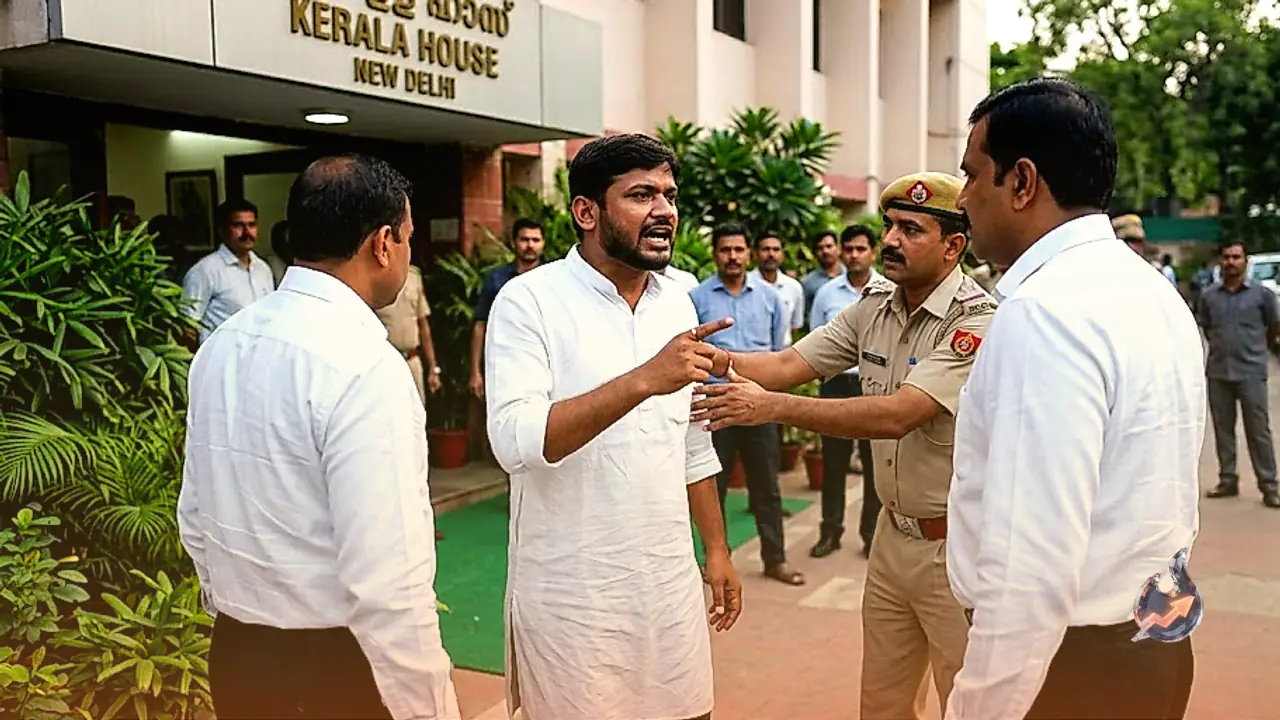

Congress Working Committee member and national leader Kanhaiya Kumar found himself in an embarrassing situation in Delhi on Friday after staff at Kerala House refused to allot him a room. The standoff escalated to the point where officials had to call the police, and Kanhaiya Kumar eventually walked out of the premises.
A room denied, then the police stepped in
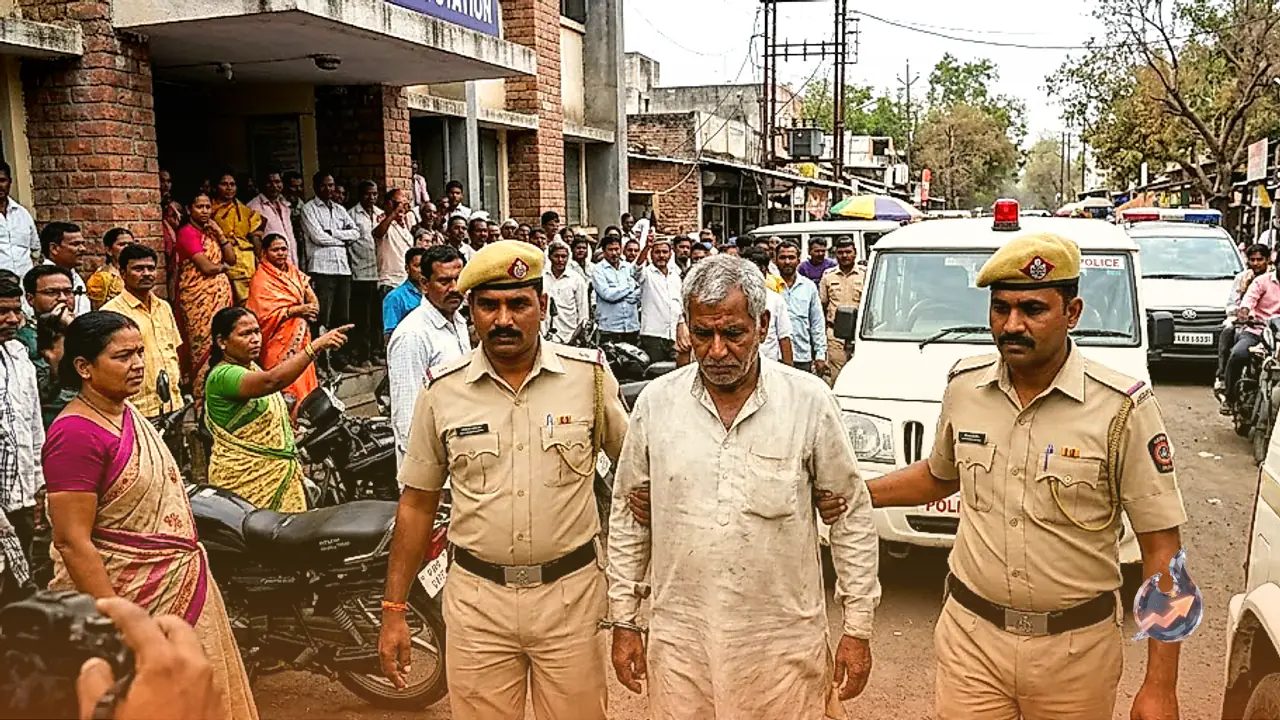
Kanhaiya Kumar told the staff at Kerala House that a friend had already booked a room for him there. Officials on duty, however, said the building was at full occupancy and that no room was available. Irritated by this response, Kanhaiya Kumar got into a sharp argument with a senior official. As the argument escalated, the official called in the police. On the instructions of the police personnel who arrived at the spot, Kanhaiya Kumar left the premises. The entire episode unfolded on Friday.
An awkward moment in a state his own party runs
The episode has drawn unusual attention because Kerala currently has a Congress government. Despite that, a member of the party's own top decision-making body, the Congress Working Committee, could not get a room in a building run by that very state government, and had to be escorted out after police were called. The incident has raised uncomfortable questions about coordination between the party organisation and the state administration it leads.
Protocol versus political clout
Rooms in state guest houses are typically allotted according to set protocol, prior bookings and actual availability. Kanhaiya Kumar cited a friend's booking to claim a room, but officials turned him down citing full occupancy. That points to an administration that stuck to its rulebook rather than making an exception for a senior leader's clout. The decision to call in the police once the argument grew heated suggests staff were unwilling to bend on security and discipline inside the premises, choosing to rely on procedure instead.
A communication gap inside the party
The incident has also exposed a lack of coordination between the Congress's national leadership and the administrative machinery at the state level. Better coordination between the party and the state government might have prevented a situation where a member of a body as senior as the Congress Working Committee had to leave, humiliated, from a building his own party effectively controls. The episode suggests a real gap between national-level politics and the state-level administrative apparatus meant to support it.
A dent to both the leader's and the party's image
Kanhaiya Kumar is among the country's more recognisable young leaders, someone who draws attention from both the media and the public. An argument at a government building followed by being asked to leave with police involved does not just affect his personal image, it reflects on the party's public standing as well. Political circles are already linking the episode to questions about internal discipline and organisational weakness within the Congress.
The episode makes clear that no matter how much political clout a leader carries, following set procedures remains mandatory while using administrative premises such as state guest houses. It also underlines the delicate balance between power, party organisation and administrative autonomy.