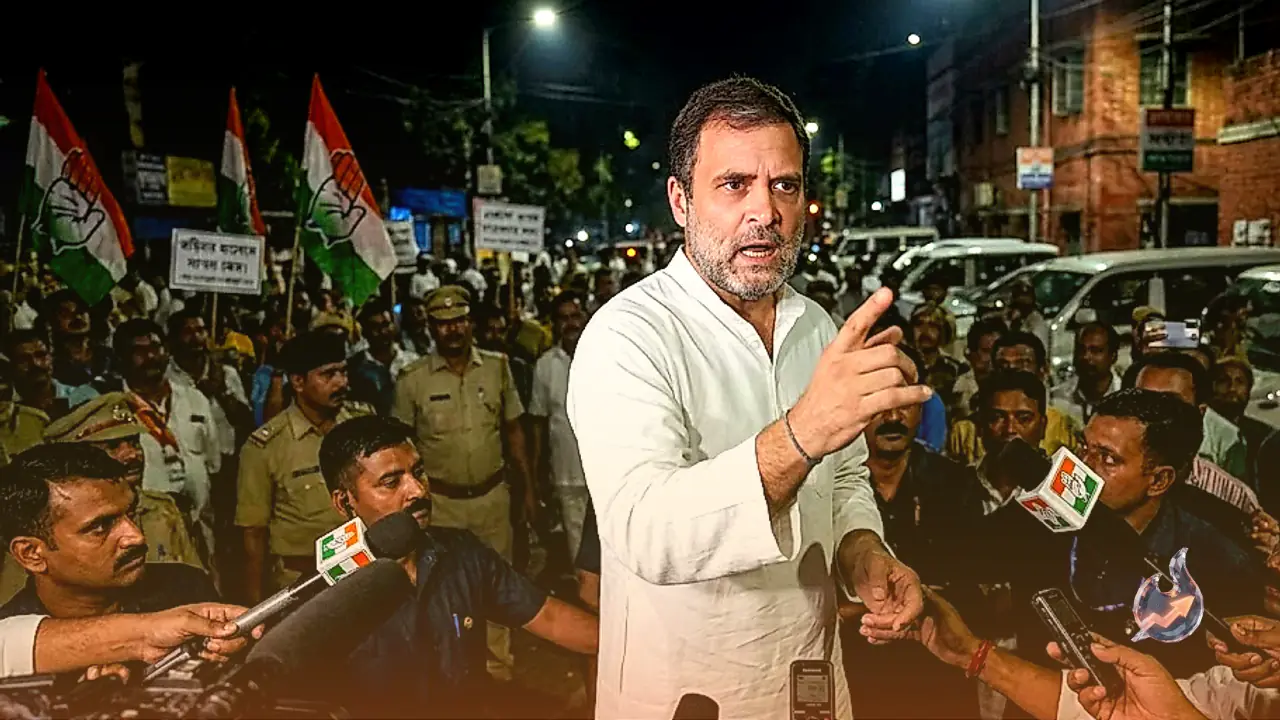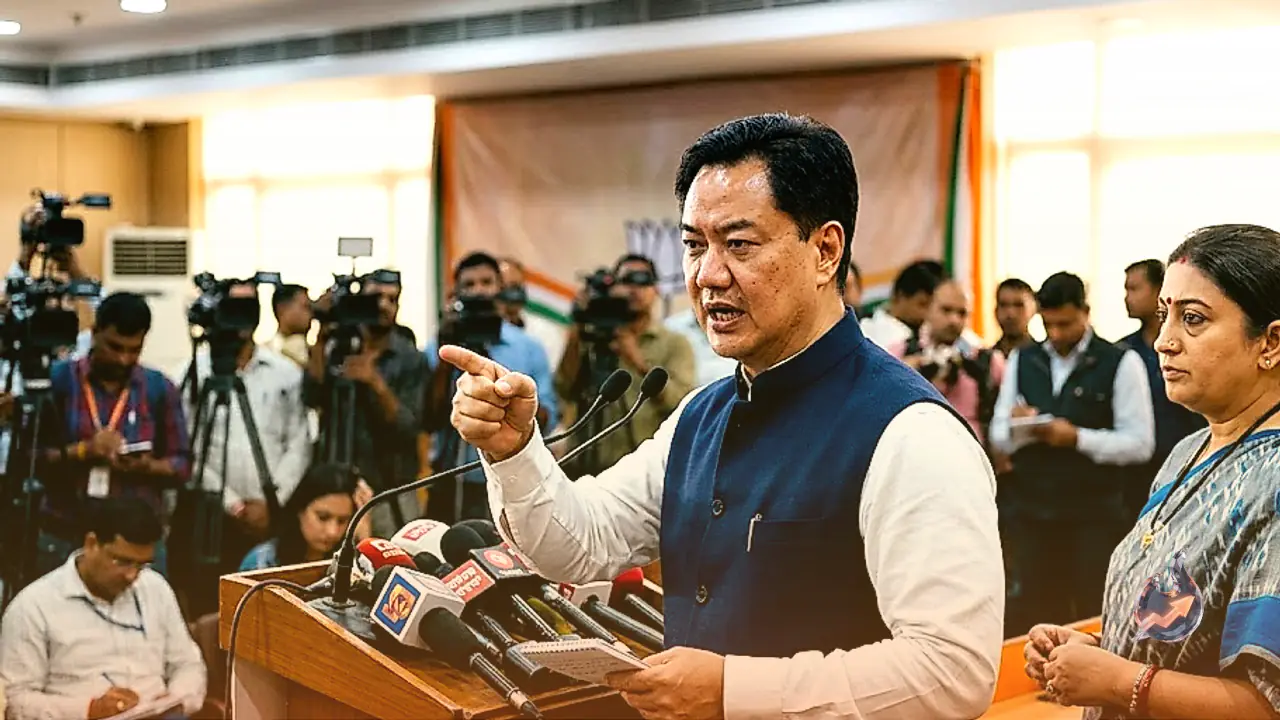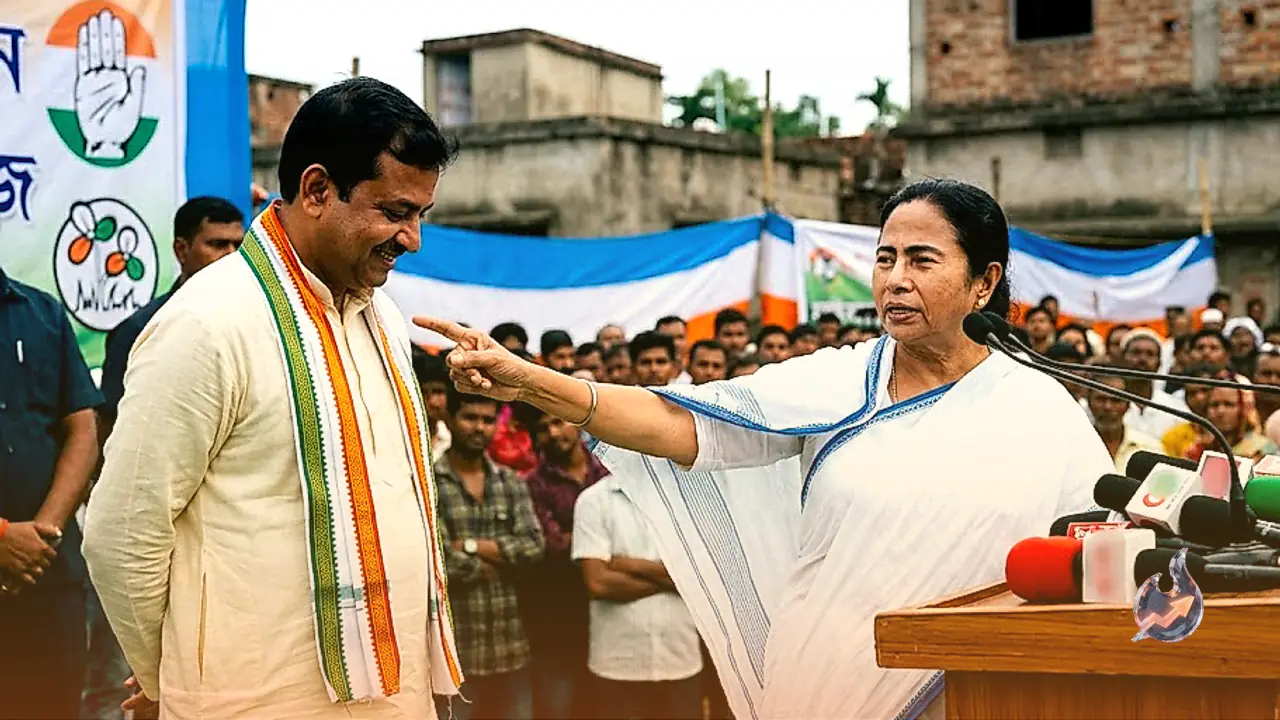
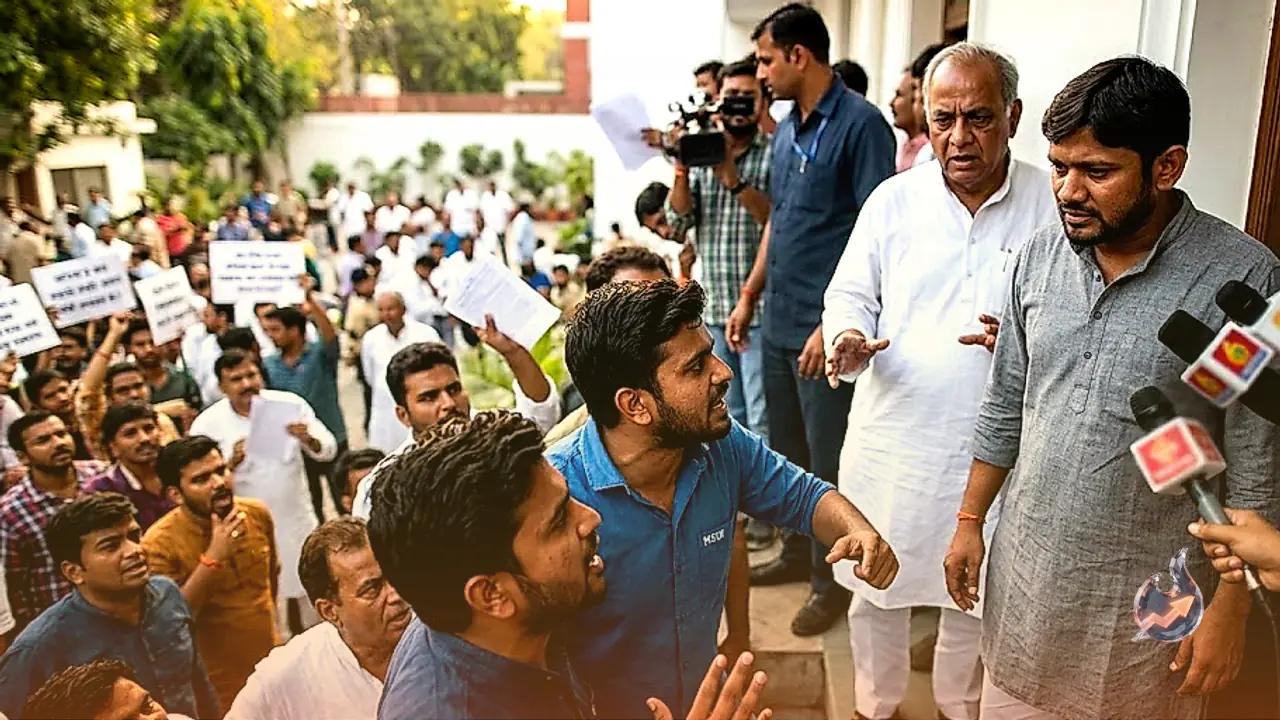
















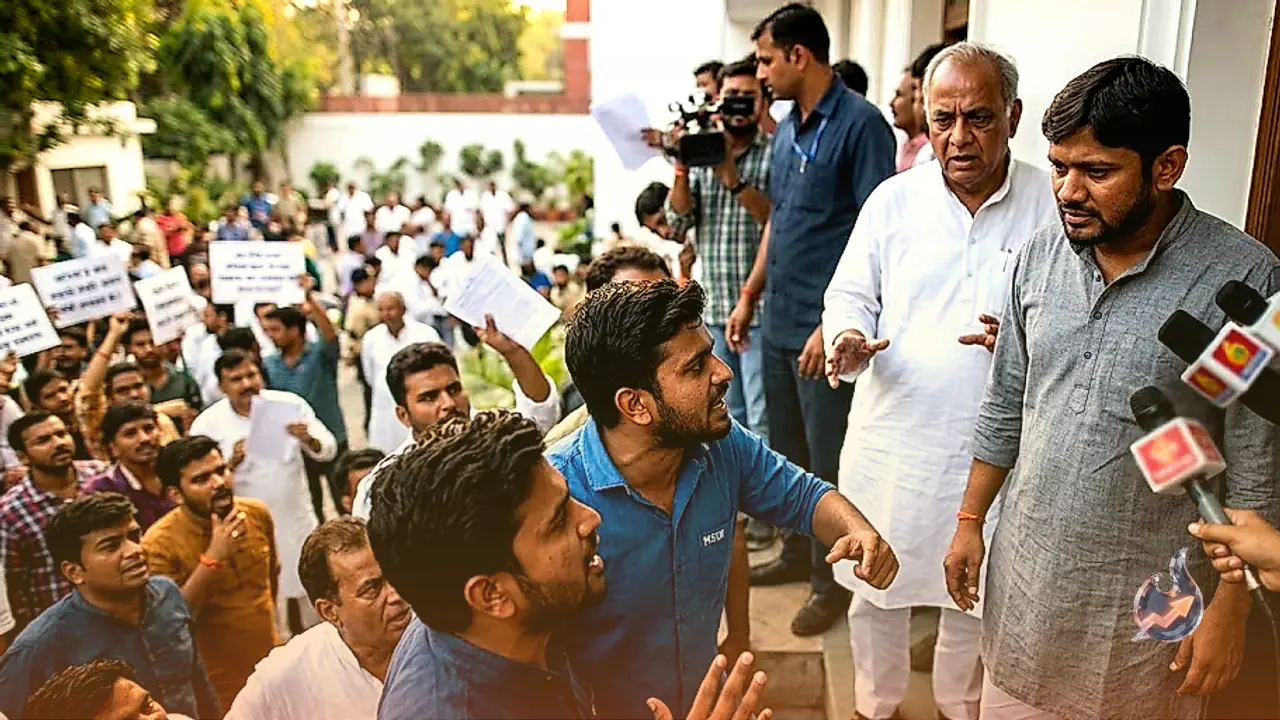

Kanhaiya Kumar, whose rise from the student politics of Jawaharlal Nehru University to the national stage drew widespread attention, faces mounting political challenges within his ranks. After enduring back-to-back defeats in parliamentary contests from Begusarai and North East Delhi, the student wing under his direct charge, the National Students' Union of India (NSUI), has suffered a comprehensive defeat in the Delhi University Students' Union (DUSU) elections. The student outfit failed to secure even a single position among the four central panel seats. This electoral washout, coupled with severe controversy surrounding ticket allocation and the revolt of prominent student leaders, has triggered intense scrutiny over his organizational management.
Election Outcome and the Decisive Rebel Victory
The DUSU election results dealt a significant blow to the student wing of the Congress. The Akhil Bharatiya Vidyarthi Parishad (ABVP) captured three of the four central panel posts, winning the offices of President, Secretary, and Joint Secretary. Meanwhile, the office of Vice President was claimed by Dipanshu Shokeen, a former NSUI member who contested as an independent candidate after falling out with the organization over nominations. Shokeen secured a commanding victory by polling 30,615 votes, defeating his nearest ABVP rival by a margin of 13,705 votes. In stark contrast, NSUI's official nominee, Veer Chatrath, managed only 4,313 votes, ending in a distant third place.
The scale of Shokeen's victory as an independent contender highlighted severe disconnect within the candidate selection process. Having previously served as an active member of the student body, Shokeen was widely regarded as a formidable grassroots contender. His decision to contest independently following disputes over the panel selection demonstrated substantial student support that entirely bypassed the official party machinery, as he garnered more than seven times the votes received by the party's official candidate.
Contrasting Accounts Surrounding Shokeen's Nomination
The sequence of events leading up to the finalization of the nomination list became the central issue of debate. Initial reports indicated that Shokeen was among the shortlisted contenders for the panel. Internal organizational accounts indicated that leadership proposed he contest for the post of President, whereas Shokeen remained firm on running for the Vice President seat. With negotiations hitting an impasse, his name was removed from the official roster, and Veer Chatrath was selected for the Vice President post instead.
Following the declaration of the election results, Congress leader Amitabh Dubey maintained that NSUI had indeed offered Shokeen the presidential candidacy, which Shokeen declined to accept. Shokeen, however, presented a different narrative regarding the treatment of his candidacy. The failure to resolve these internal disagreements resulted in his independent run, proving disastrous for the organization's official tally and exposing deep rifts in strategic planning.
Joint Secretary Seat: Split Votes and Samajwadi Chhatra Sabha Factor
Discontent over candidate selection was not confined to the vice-presidential contest. The race for the Joint Secretary post mirrored similar organizational friction. Vishesh Yadav, another key aspirant, had initially anticipated a nomination for the Joint Secretary position. However, the leadership altered the lineup, prompting Yadav to enter the fray with the backing of the Samajwadi Chhatra Sabha.
The resulting vote distribution underscored the impact of internal fragmentation. Yadav secured 15,778 votes, outpolling NSUI's official candidate, Gopal Choudhary, who finished with 15,206 votes. ABVP's Lakshya Raj Singh won the contest with 16,615 votes. The combined votes of the dissenting leader and the official candidate heavily exceeded the winning margin, demonstrating that internal alienation directly facilitated the rival organization's triumph in a critical central panel seat.
Dynasty Charges and Scrutiny Over Chatrath's Candidacy
The decision to replace Shokeen with Veer Chatrath drew sharp internal criticism. Chatrath is the son of senior Congress leader Manish Chatrath, which promptly fueled allegations of nepotism and favoritism within the student organization's selection process. While sources close to Kanhaiya Kumar dismissed notions of an ego clash and pointed to the presidential offer made to Shokeen as evidence of institutional flexibility, the final vote count cast doubt on the viability of the selection. An independent candidate collecting 30,615 votes while the official party choice slumped to 4,313 votes turned candidate vetting into a major flashpoint.
High-Level Review Meeting and Accountability Demands
The fallout from the student union elections swiftly reached the upper echelons of the party. AICC General Secretary KC Venugopal convened an emergency meeting to review the performance of the student wing and address concerns regarding candidate distribution. The session saw the presence of multiple senior representatives from both the parent party and its student affiliate.
Kanhaiya Kumar, who has served as the AICC in-charge of NSUI since July 2023, faced tough queries during the proceedings regarding his role in finalizing candidates and managing dissent. Questions were also raised on behalf of Rahul Gandhi regarding the failure to retain key student leaders and the resulting electoral collapse. The central grievance centered on why potential rebellion was not contained prior to nominations, ultimately leading to an embarrassing wipeout in a high-profile student election.
Trajectory from Campus Politics to Mainstream Contests
The current setback adds to a challenging electoral record for Kanhaiya Kumar, who first gained prominence as the president of the JNU Students' Union. After transitioning into mainstream politics with the CPI, he contested the Begusarai Lok Sabha seat but failed to secure victory. Later migrating to the Congress, he stood as the party's candidate from North East Delhi in the parliamentary elections, once again facing defeat. With his appointment as the organizational custodian of the student wing failing to deliver success in the university polls, Kumar faces intensified scrutiny regarding his strategic management and ground delivery.