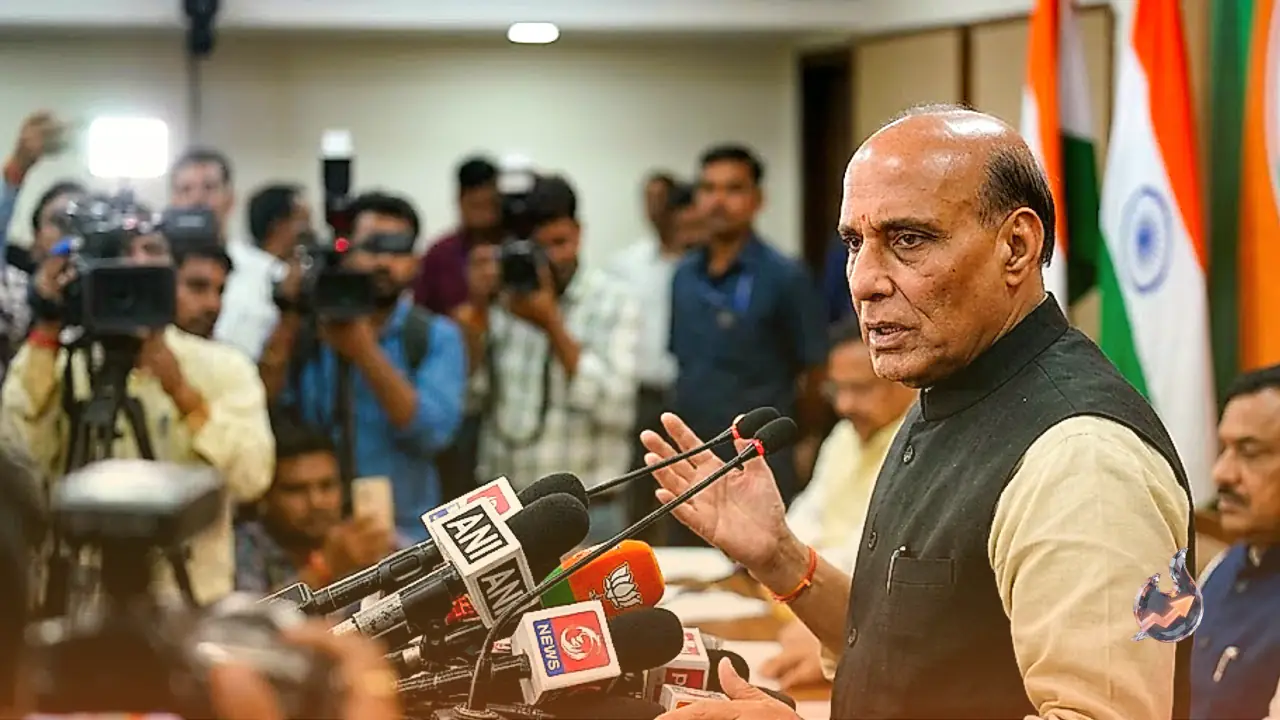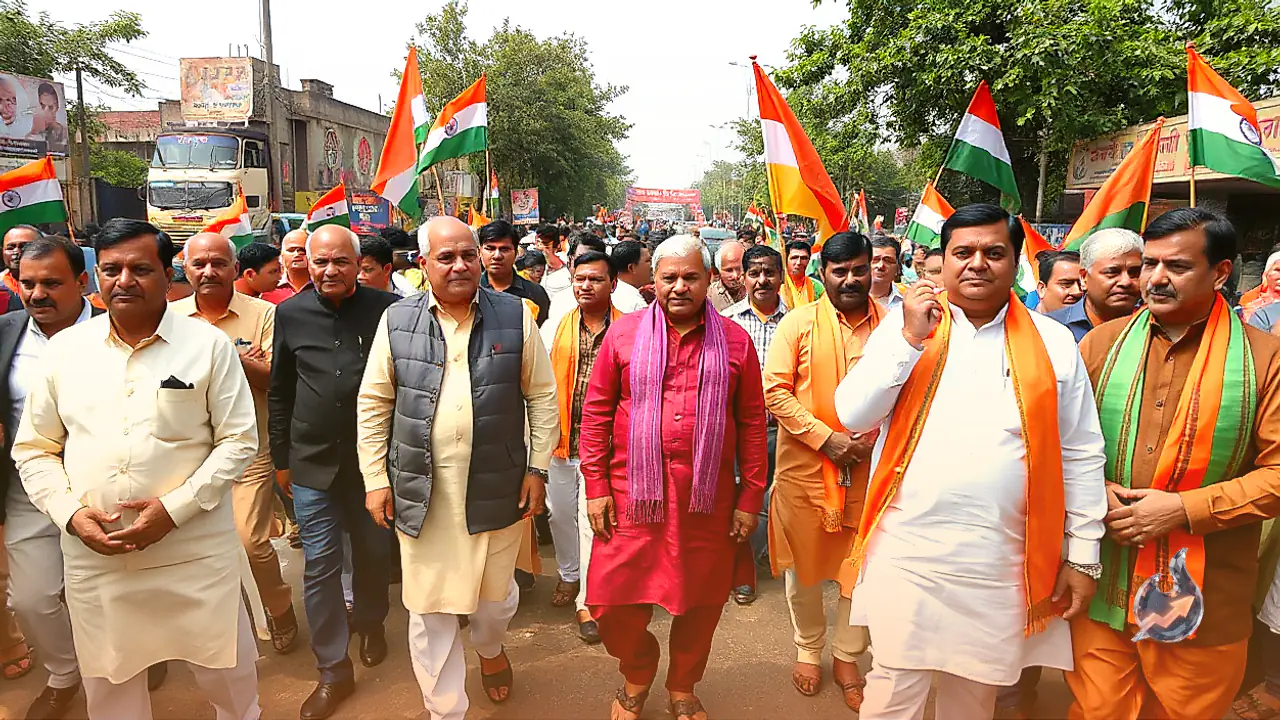



















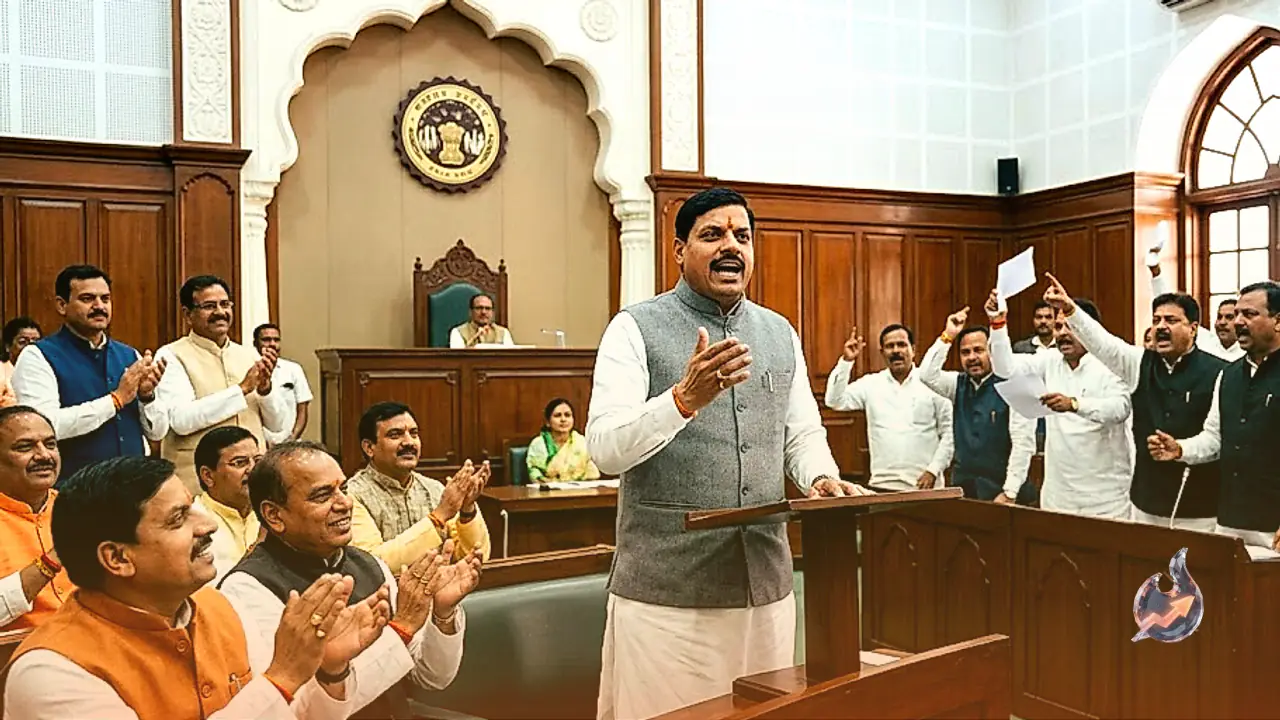

The Madhya Pradesh Legislative Assembly passed the Uniform Civil Code (UCC) bill via a voice vote on July 21. The legislation makes Madhya Pradesh the fourth state in the country to implement uniform personal laws, joining the ranks of Uttarakhand, Gujarat, and Assam. The passage of the bill was accompanied by intense protests and uproar from the opposition Congress party, which forced the house proceedings to be adjourned twice.
New Rules for Marriage and Cohabitation
The implementation of this legislation will bring sweeping changes to regulations surrounding marriage and live-in relationships across the state. The bill specifically outlines strict conditions for couples opting for live-in relationships. The move establishes a uniform set of personal laws for all citizens, effectively replacing various religion-specific regulations with a single legal framework.
Chief Minister Mohan Yadav Defends the Bill
Chief Minister Mohan Yadav vigorously defended the bill on the assembly floor, declaring that there should be a uniform law instead of Sharia. He stated that separate religious parameters would no longer be acceptable in the state. Yadav also claimed that 76 percent of Muslim women had extended their support for the legislation. As the bill was being passed, the assembly hall echoed with continuous chants of "Jai Shri Ram".
Congress Demands OBC Reservation Instead
The Congress party fiercely resisted the introduction of the bill, demanding that it be sent to a select committee before any debate took place. Opposition leaders argued that a national Uniform Civil Code should first be passed by the Parliament before states bring it to their respective assemblies. Additionally, Congress members stated that providing a 27 percent reservation for the Other Backward Classes (OBC) was a much more pressing requirement than passing the UCC. Conversely, ruling Bharatiya Janata Party (BJP) legislators dismissed these arguments, praising the new law as a historic milestone for women's empowerment.