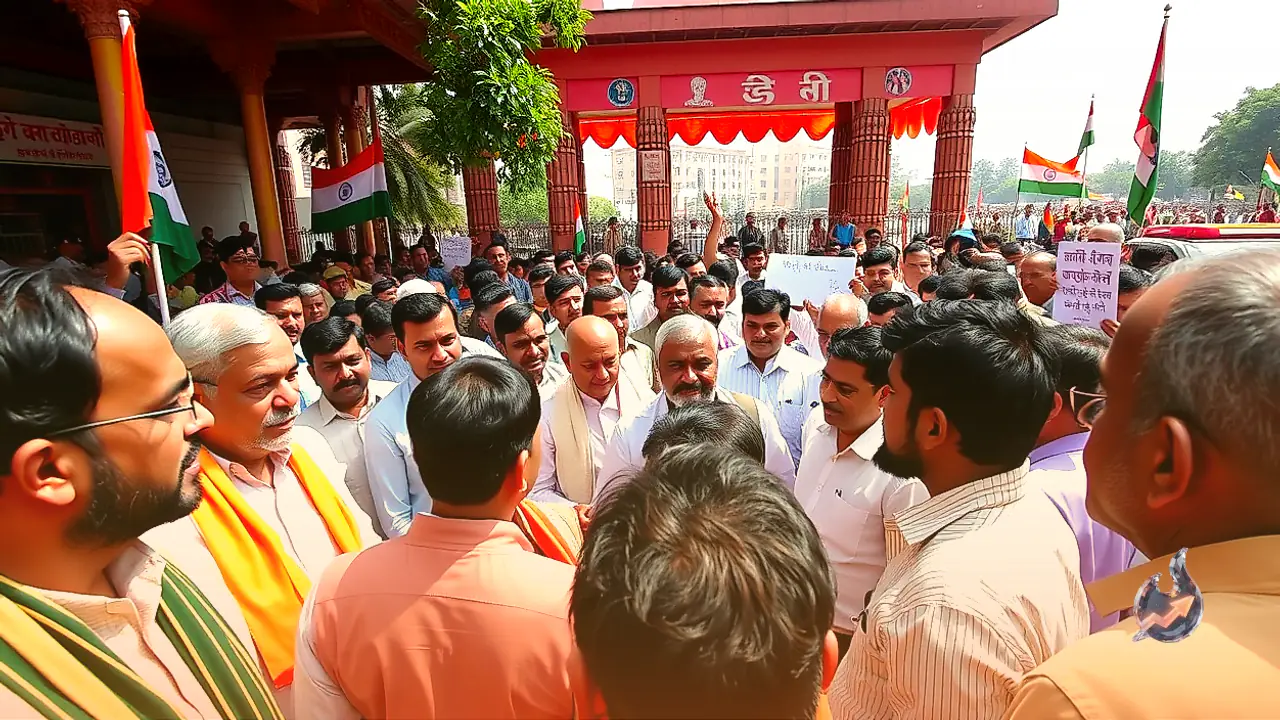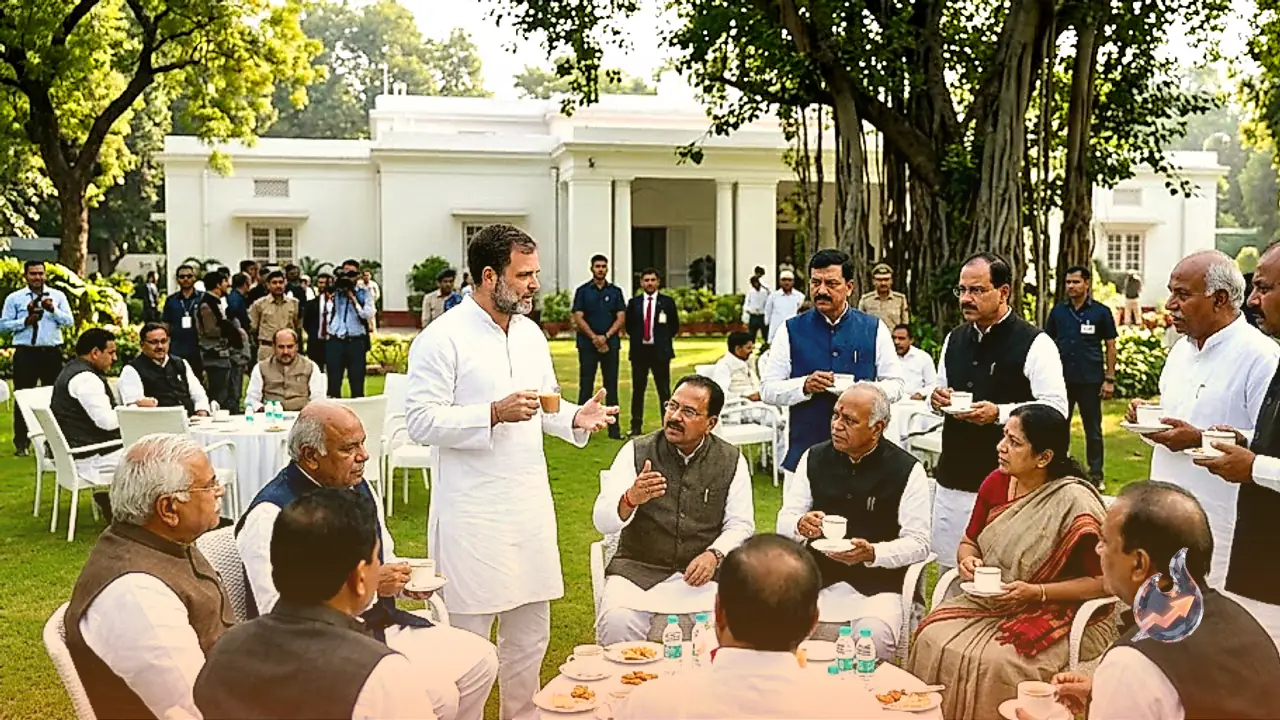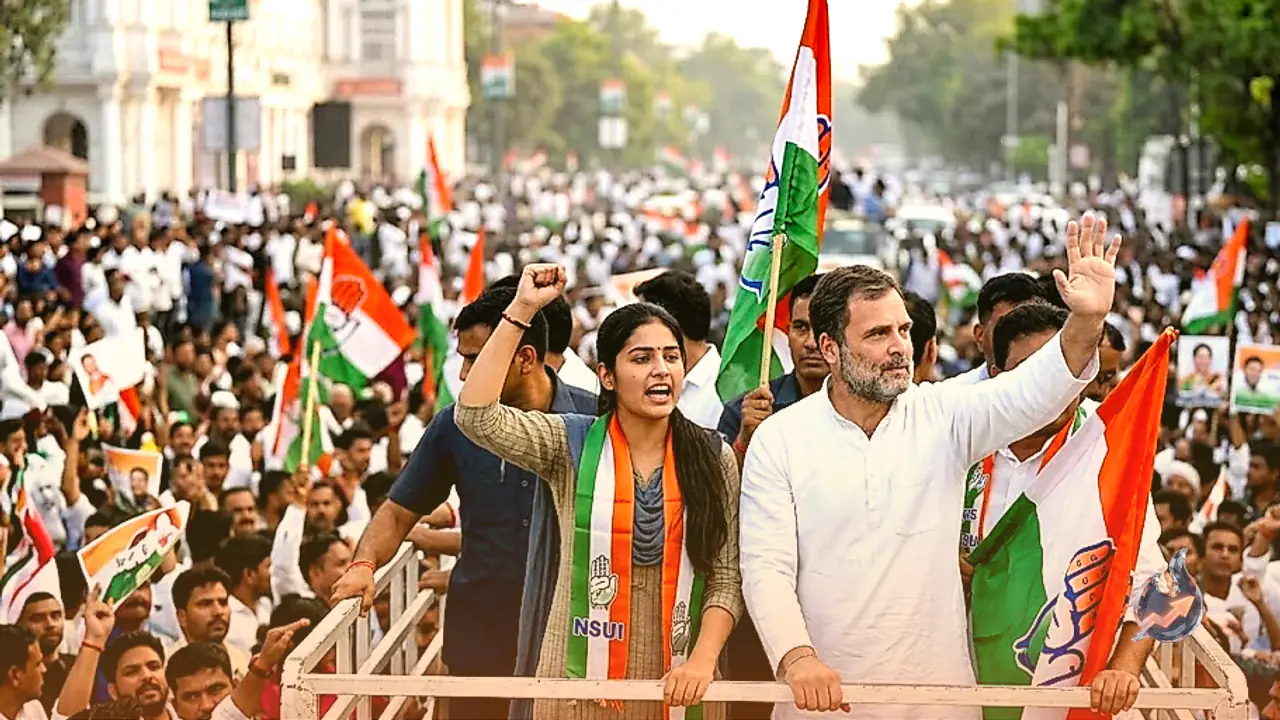














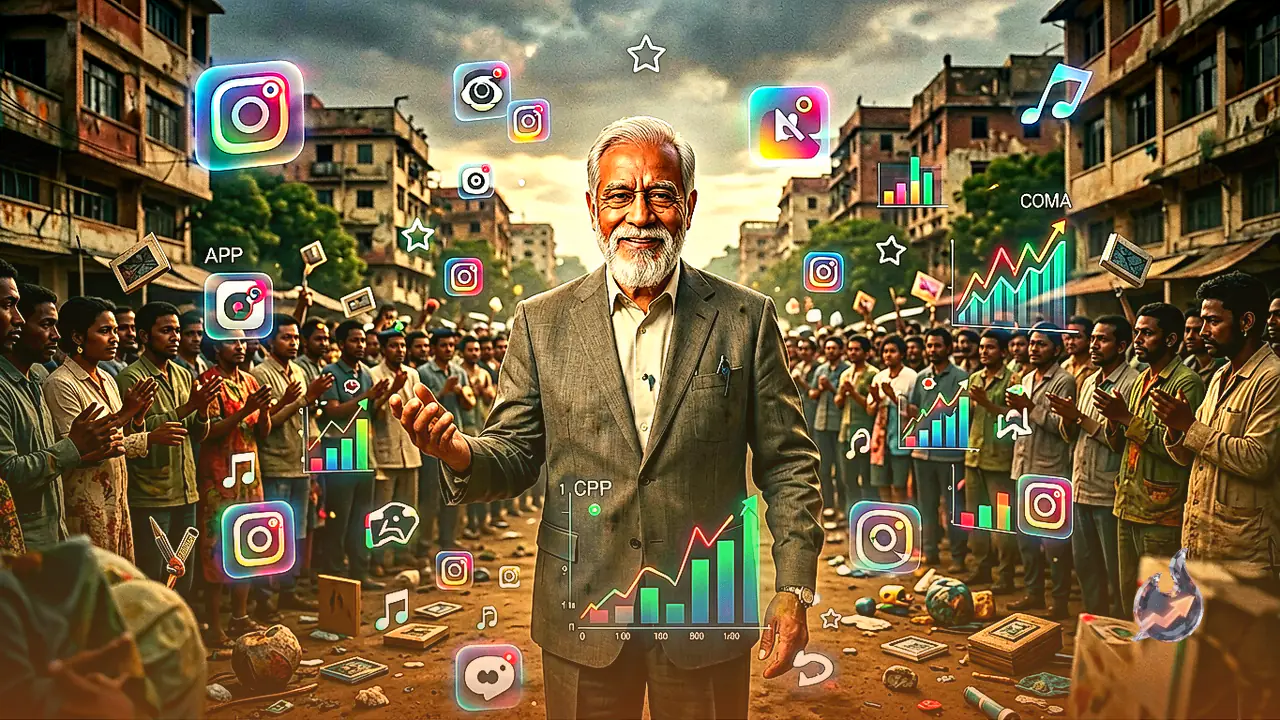

A distinct shift in political communication is unfolding across India as key national figures increasingly leverage Instagram to connect with voters beyond traditional rallies and television debates. Following the CJP protest and march to Parliament on July 20, both Prime Minister Narendra Modi and Rahul Gandhi intensified their outreach on the platform to engage younger audiences, particularly Gen-Z. According to comparative performance metrics analyzed by Data Beings, the average Instagram engagement for both leaders witnessed a remarkable post-July 20 surge.
Shift in Instagram Strategy Following the July 20 Protest
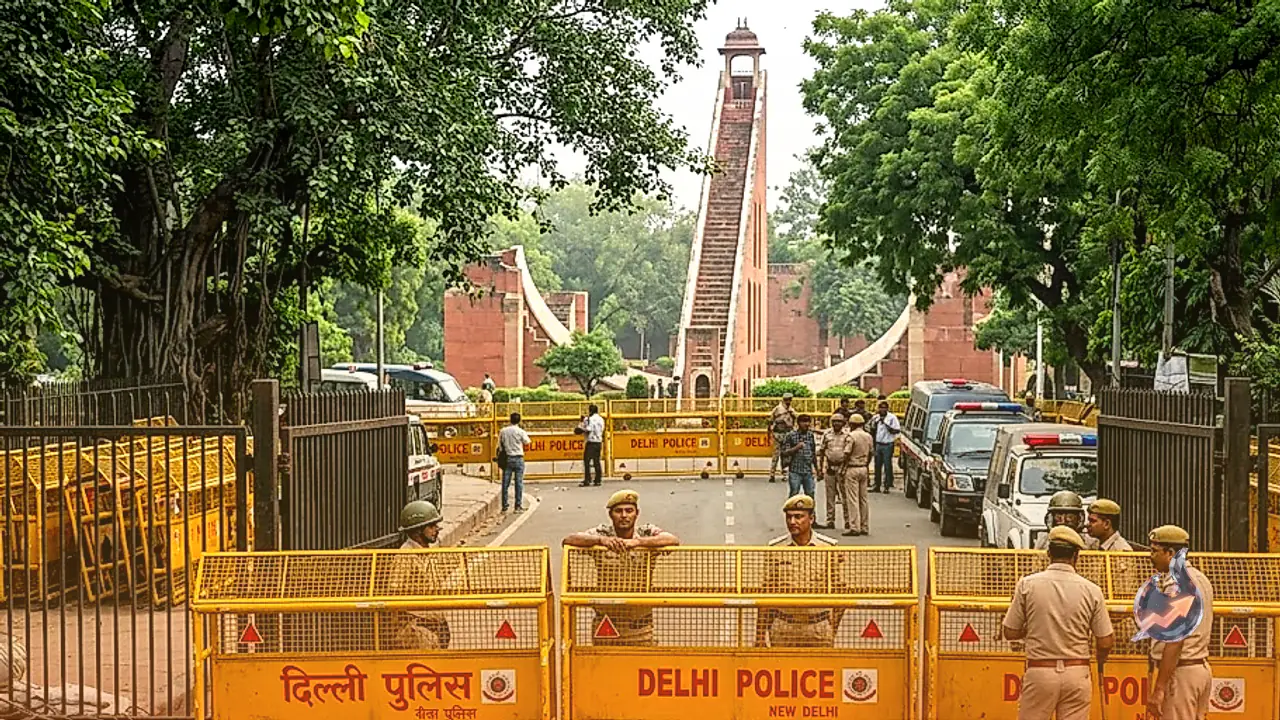
The aftermath of the CJP-led demonstration, marked by clashes with police during the march to Parliament, catalyzed a noticeable pivot toward direct digital dialogue aimed at Gen-Z demographics. Data Beings evaluated four key political Instagram accounts over the period following July 20: those of Narendra Modi, Rahul Gandhi, the Bharatiya Janata Party (BJP), and the Indian National Congress. The findings reveal that while all four accounts experienced an increase in average engagement, the most pronounced upward trajectories occurred on the individual handles of the top political figures.
Late-Night Reels Drive Narendra Modi's Engagement Jump
Prime Minister Narendra Modi recorded the largest overall surge in Instagram interaction. Prior to July 20, Modi's average engagement per post stood at approximately 1.19 million (11.9 lakh). Following the protest event, this figure jumped to 4.63 million (46.3 lakh), representing a 289.9 percent increase in average engagement.
Modi's content strategy shifted toward more frequent video uploads and Reels, including posts published around midnight. The combination of late-night publishing times and short-form video content proved effective in capturing user attention and expanding overall reach across the platform.
Ask Me Anything Sessions and Student Reels Boost Rahul Gandhi's Reach
Rahul Gandhi similarly emphasized interactive content tailored for younger users. His post-July 20 strategy featured Ask Me Anything (AMA) sessions alongside Reels showcasing discussions with students. Data Beings reported that Gandhi's average engagement rose from 152,000 (1.52 lakh) prior to July 20 to 426,000 (4.26 lakh) afterward, marking a 180.7 percent growth rate.
Despite this substantial gain, a noticeable gap remains between the two leaders. Following the July 20 shift, Modi's average Instagram engagement was roughly 10 times higher than that of Rahul Gandhi.
Personal Handles Outpace Official Party Accounts
The comparative data highlights a broader pattern where individual leader accounts significantly outperform official party handles. The official Congress account saw its average engagement grow from 50,000 to 72,000, representing a 43.4 percent gain. Meanwhile, the BJP official account moved from an average of 25,000 to 34,000, registering a 37.1 percent increase.
This disparity underlines an ongoing trend in modern digital campaigning: users on platforms like Instagram interact far more readily with individual personalities than with institutional political organizations. Political branding in India is increasingly becoming centered around prominent figures rather than party logos.
Digital Engagement vs. Electoral Outcomes
While the statistics demonstrate that Instagram has established itself as an essential medium for political messaging, high digital interaction does not automatically guarantee electoral victory. Likes, comments, and shares reflect visibility and interest among online audiences, but they do not necessarily translate directly into ballot box votes.
Nevertheless, political strategists are increasingly treating Gen-Z digital preferences with seriousness. Formats such as Reels, AMAs, and unscripted interactions have moved into mainstream campaign planning. The ultimate test of this digital adaptation will be determined on the ground during upcoming elections.