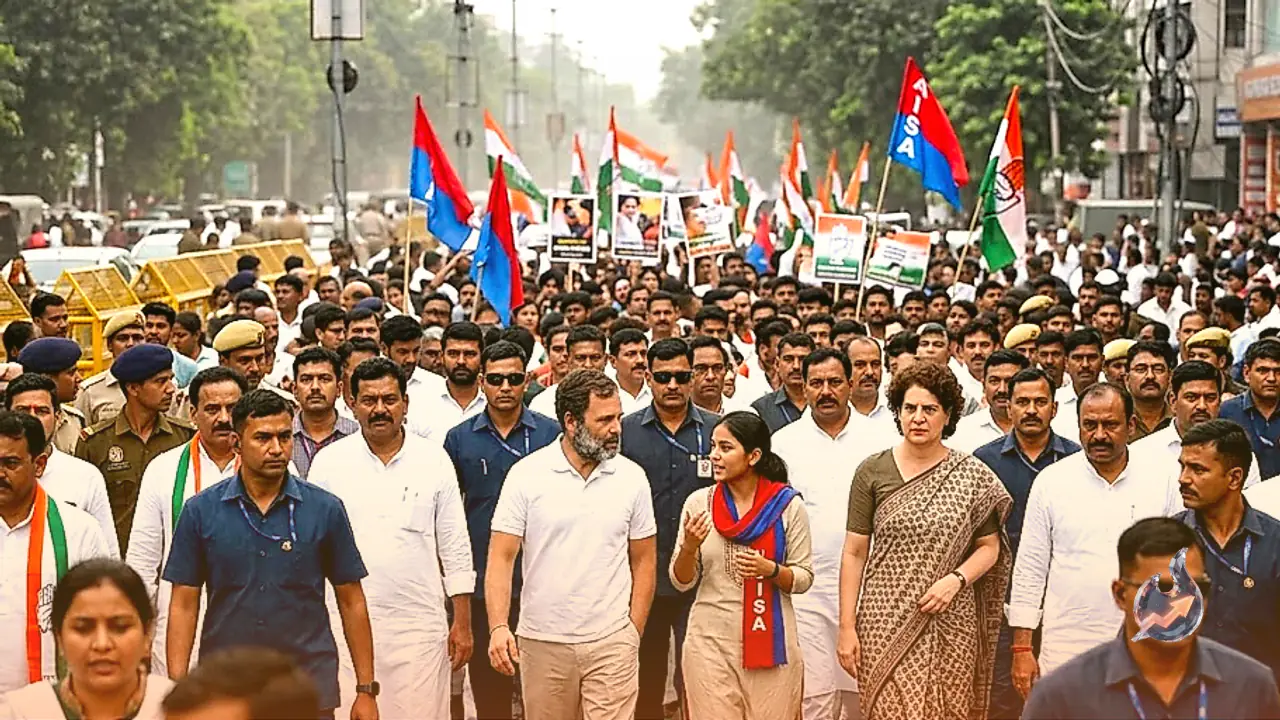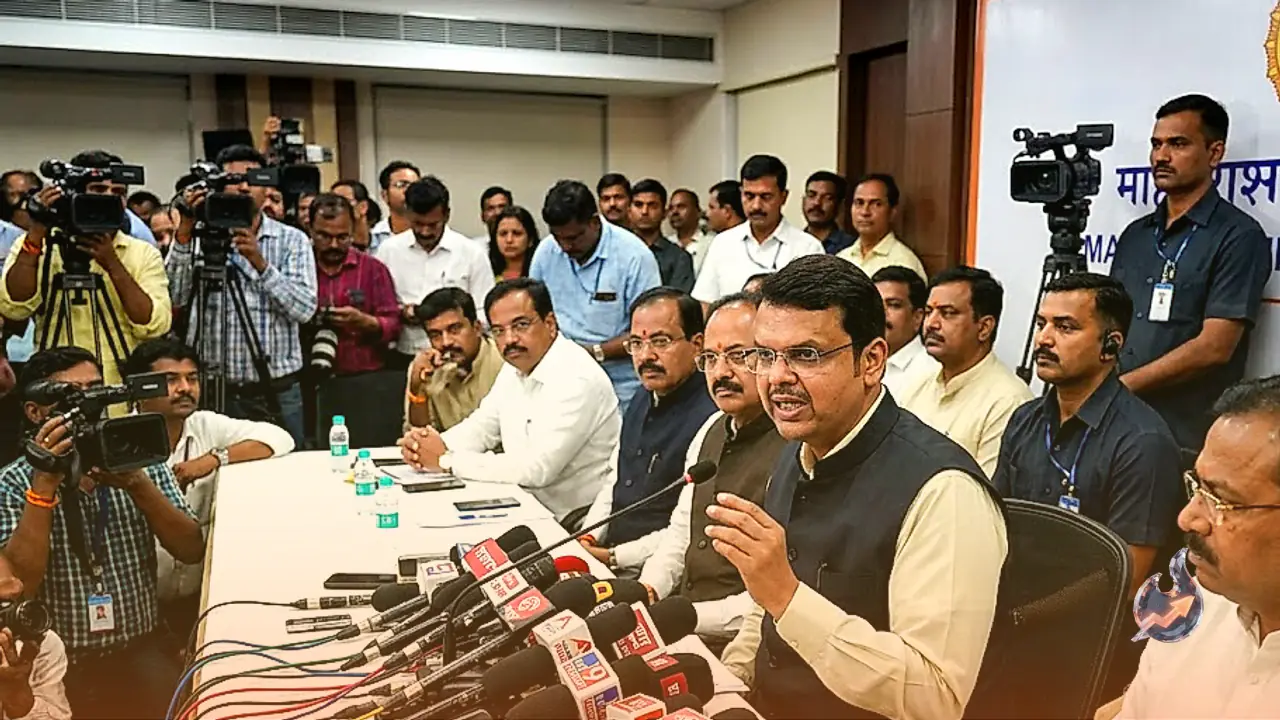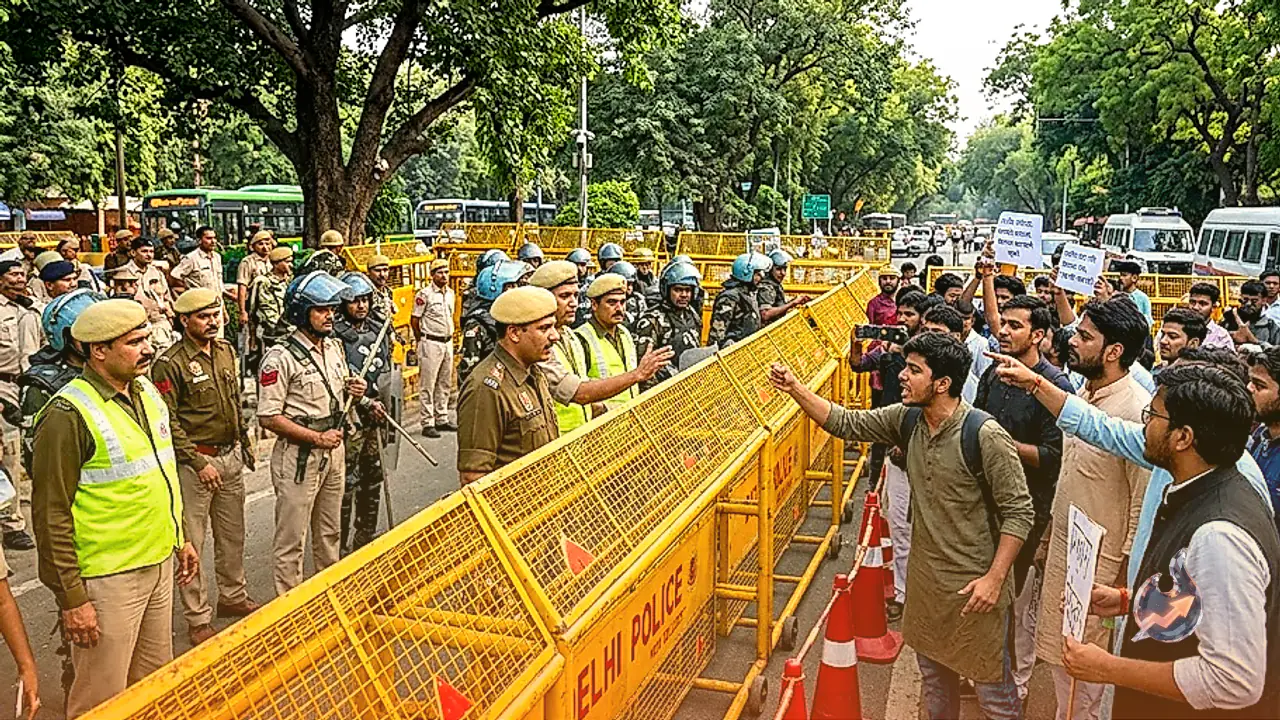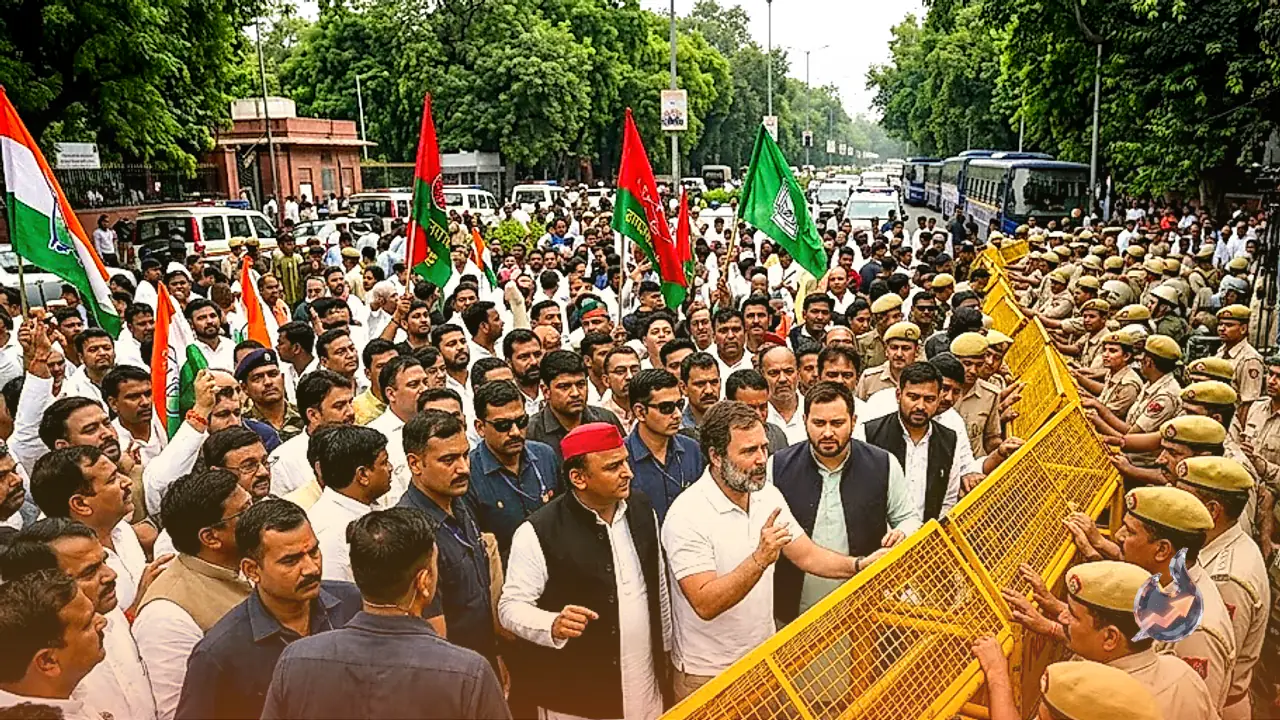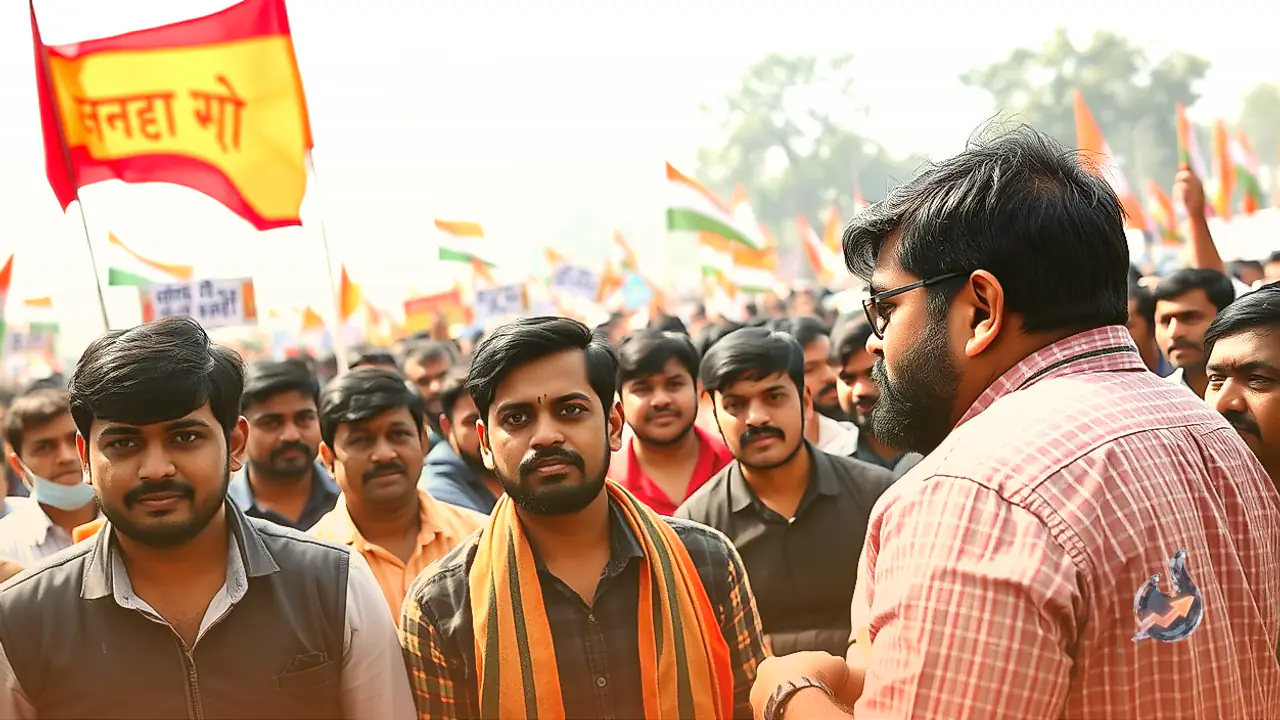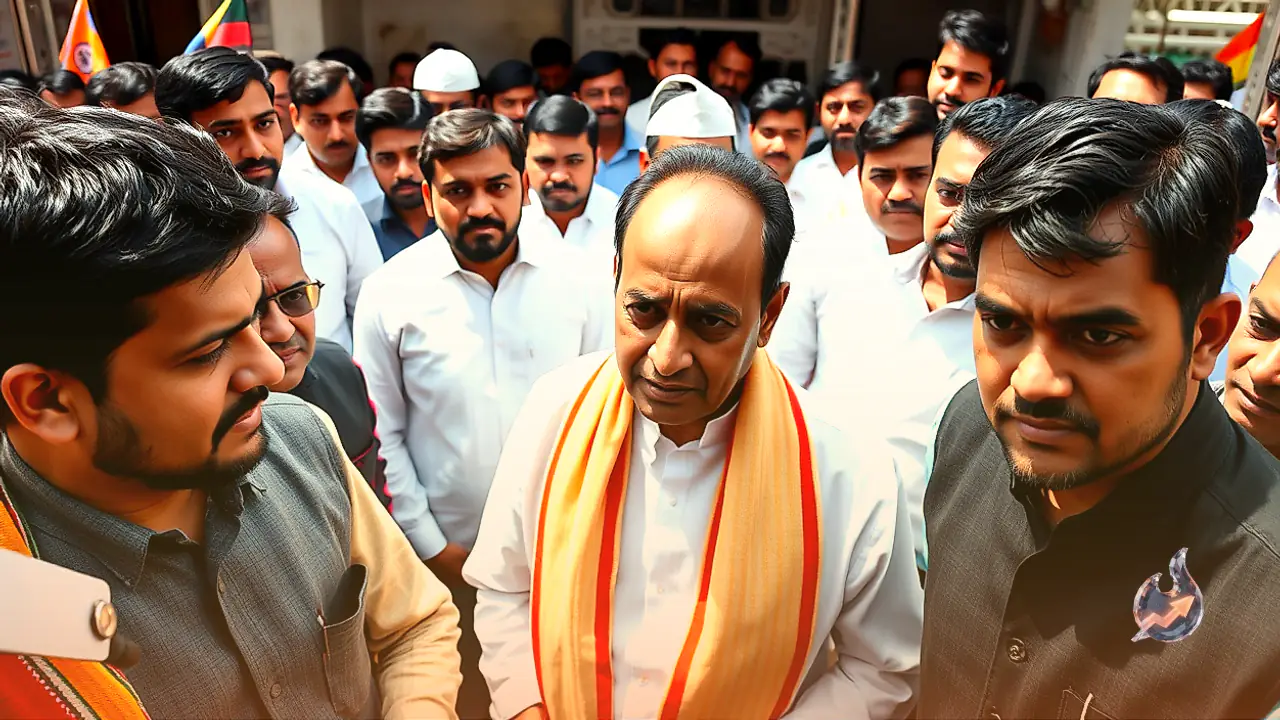
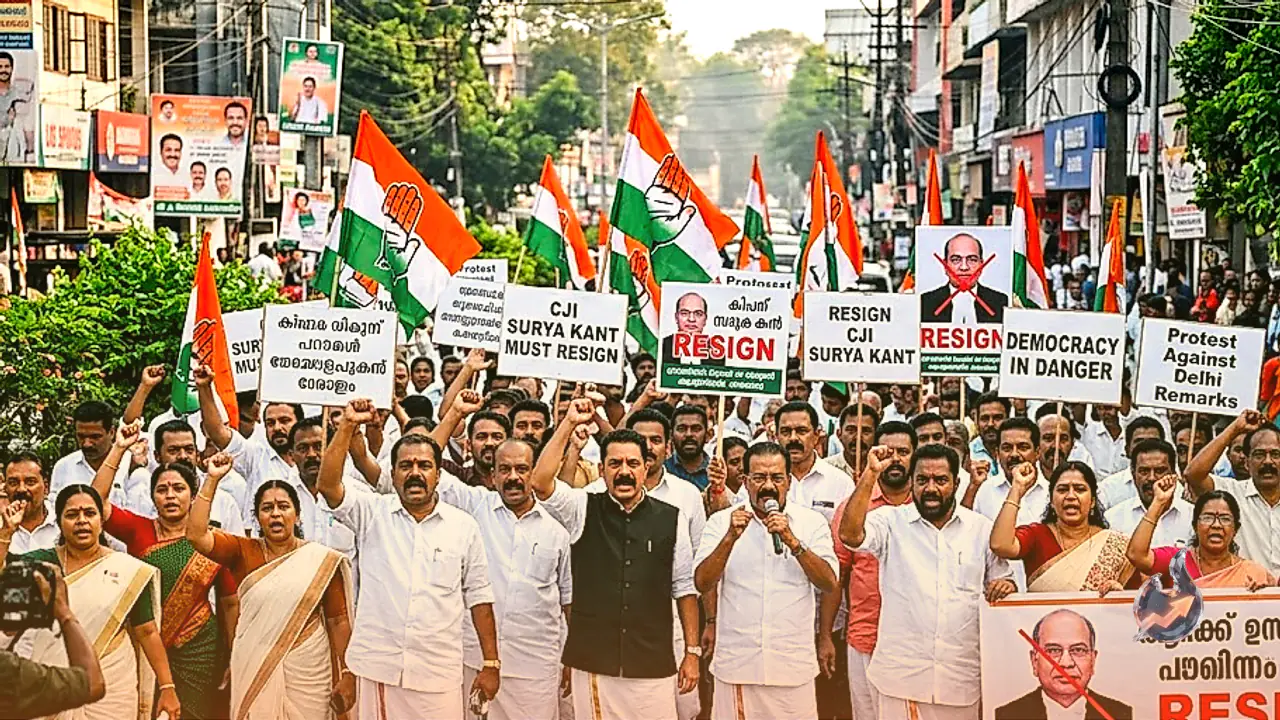
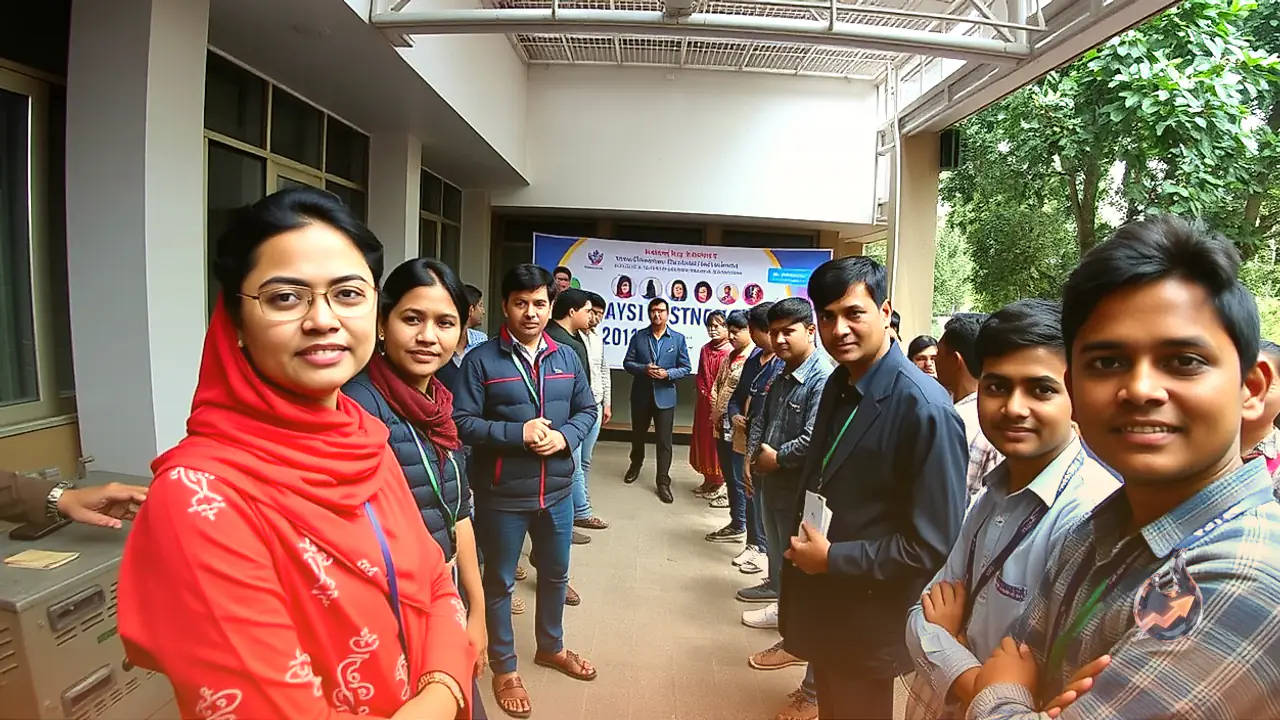














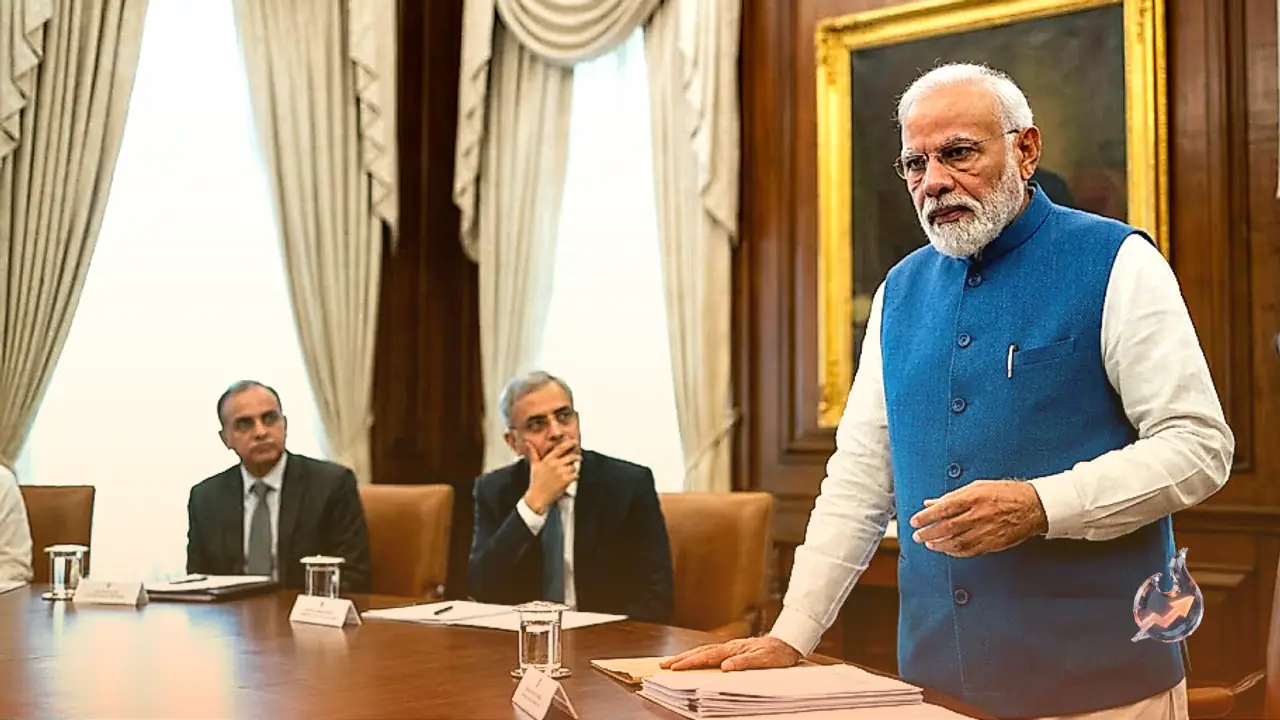

The resignation of Dharmendra Pradhan from the Union Cabinet has sparked intense political speculation. Amid large-scale youth and student demonstrations led by the Cockroach Janata Party (CJP), opposition parties claim the central government is operating under severe stress. Following Congress leader Rahul Gandhi's sharp criticisms referencing the Manusmriti against the Bharatiya Janata Party and the Rashtriya Swayamsevak Sangh, members of the INDIA bloc have gone so far as to predict an imminent collapse of the administration. However, an analysis of political dynamics and governance patterns over the past two and a half decades suggests that this executive decision aligns with a calculated strategic realignment rather than a reactive concession.
Two Decades of High-Stakes Crisis Management
Next month marks a major milestone celebrating 25 years of Narendra Modi's political executive leadership, spanning his tenure as Chief Minister to Prime Minister. Over this quarter-century, the leadership has confronted multiple systemic crises and intense public scrutiny. The fallout from the Gujarat riots drew harsh political opposition and prompted a trusted NDA partner to withdraw support. Simultaneously, the United States denied a diplomatic visa, an action targeted at damaging his international standing. Despite these diplomatic and domestic hurdles, his political position steadily solidified. While the slogan "Modi hai to mumkin hai" remains a core message of efficiency for supporters, opposition critics continue to dismiss it as political rhetoric.
Diplomatic Neutrality and Global Energy Tactics
On the world stage, foreign policy has been characterized by strategic autonomy. During both the Russia-Ukraine war and heightened tensions between the United States and Iran, India maintained strict diplomatic neutrality rather than aligning with any single global power block. When the US imposed stringent directives instructing nations to halt commercial trade and crude oil imports from Russia to restrict its economic capacity, India prioritized its own domestic energy requirements. Despite global crude oil and gas prices escalating rapidly due to Middle Eastern volatility, India sustained oil purchases from Russia while simultaneously securing additional supply channels across Gulf nations. By refining imported crude and expanding petroleum product exports to international buyers, the administration converted a global energy crunch into a domestic economic stabilizer that shielded consumers from extreme fuel inflation.
Direct Benefit Transfer and Welfare Infrastructure
On the domestic front, structural economic reforms reshaped welfare administration. The initial push to open bank accounts for millions under the Jan Dhan Yojana faced skepticism from opposition parties. However, the system was designed to implement Direct Benefit Transfer (DBT) mechanisms, directly addressing the systemic leakage highlighted in 1986 by then Prime Minister Rajiv Gandhi, who lamented that only 15 paise reached the beneficiary out of every 100 paise allocated by the government. The integration of Jan Dhan accounts eliminated intermediary corruption. Furthermore, during the COVID-19 pandemic, the administration launched a massive food security drive providing 5 kg of free food grains to approximately 80 crore ration card holders, an initiative that remains active. This was accompanied by the rapid indigenous development and deployment of vaccines to control the health crisis.
Local Manufacturing and Economic Self-Reliance
To bolster economic self-reliance, the Atmanirbhar Bharat initiative and the Vocal for Local campaign were introduced. These programs focused on supporting local artisans, small scale entrepreneurs, and domestic manufacturing capabilities. The policy environment spurred growth in the startup ecosystem and expanded the global footprint of Indian goods via digital market platforms. A key outcome of this push is the domestic production of 30 to 35 crore Made in India mobile phones annually using indigenous manufacturing lines. Traditional sectors, including Banarasi silk weaving and Diwali clay lamp production, also experienced renewed commercial momentum. The One District One Product strategy helped transform regional specialties into export-ready commodities, although opposition commentators frequently critique these campaigns as superficial branding.
Electoral Shifts and the Reality Behind Cabinet Changes
The political landscape underwent a shift following the 2024 general elections, where unified opposition strategy reduced the BJP's parliamentary tally from its previous record of 303 seats to 240 seats. Operating with a revised parliamentary composition led opposition leaders like Rahul Gandhi to assert that the administration was vulnerable to public agitation. The resignation of Dharmendra Pradhan following the CJP movement was immediately cited by opponents as evidence of executive weakness. However, administrative sources indicate that internal discussions regarding a cabinet reshuffle were already in progress. The leadership had planned to reassign Pradhan to major organizational duties within the BJP, such as election management roles. His portfolio adjustment was scheduled regardless of the CJP protests, reflecting a broader pattern of tactical timing and structural adaptation in response to evolving political circumstances.