
















Recent legislative council elections across Uttar Pradesh and Bihar have witnessed widespread allegations of booth capturing and severe electoral irregularities. After a gap of many years, incidents of ballot looting have resurfaced in these polls. It is important to note that the general public does not cast votes in these elections, as they are specifically meant for graduate or teacher constituencies. Furthermore, electronic voting machines were not utilized for this voting process; instead, ballots were stamped manually, marking a temporary return of the paper ballot era.
The revival of paper ballots has seemingly brought along the darker elements of physical intimidation, hooliganism, and muscle power. Clashes and scuffles were reported from various locations during the polling process. Those who persistently advocate for conducting elections solely through ballot papers witnessed a glaring glimpse of ground realities. The methods of hijacking votes and capturing polling booths under the paper system were thoroughly captured on camera. However, observers note that these modern infractions pale in comparison to the scale of lawlessness witnessed in earlier decades.
Reflecting on past experiences as a reporter, polling days were once defined by armed groups arriving in convoy vehicles, firing in the air to disperse genuine voters, while election officials and police constables took shelter. These armed thugs would easily take control of the ballot boxes, stamping papers in bulk, folding them, and stuffing them into boxes to conclude the process within an hour. In those eras, the absence of widespread television cameras and mobile phones made it exceptionally difficult to secure concrete proof of such crimes.
In the electoral battlegrounds of Uttar Pradesh and Bihar, criminal elements were often observed capturing multiple booths within a single day. Occasionally, a newspaper photographer managed to capture photographic evidence of booth capturing, which created sensational headlines upon publication and necessitated a re-poll at that specific booth. Individuals who have only experienced the era of electronic voting machines cannot truly fathom the extent to which criminal syndicates once hijacked the democratic mandate.
This persistent threat of booth capturing is precisely what fueled the rise of criminal politicians, dons, and mafia syndicates in Indian politics, with many capturing elements eventually contesting elections themselves. When electronic voting machines were fully integrated into Indian elections roughly 30 years ago, the influence of the vote mafia gradually diminished. Those who demand a return to paper ballots today are inadvertently pushing the nation back toward a perilous era that still sends shivers down the spine when recalled.
Analyzing the Fading Impact of Vote Theft Allegations
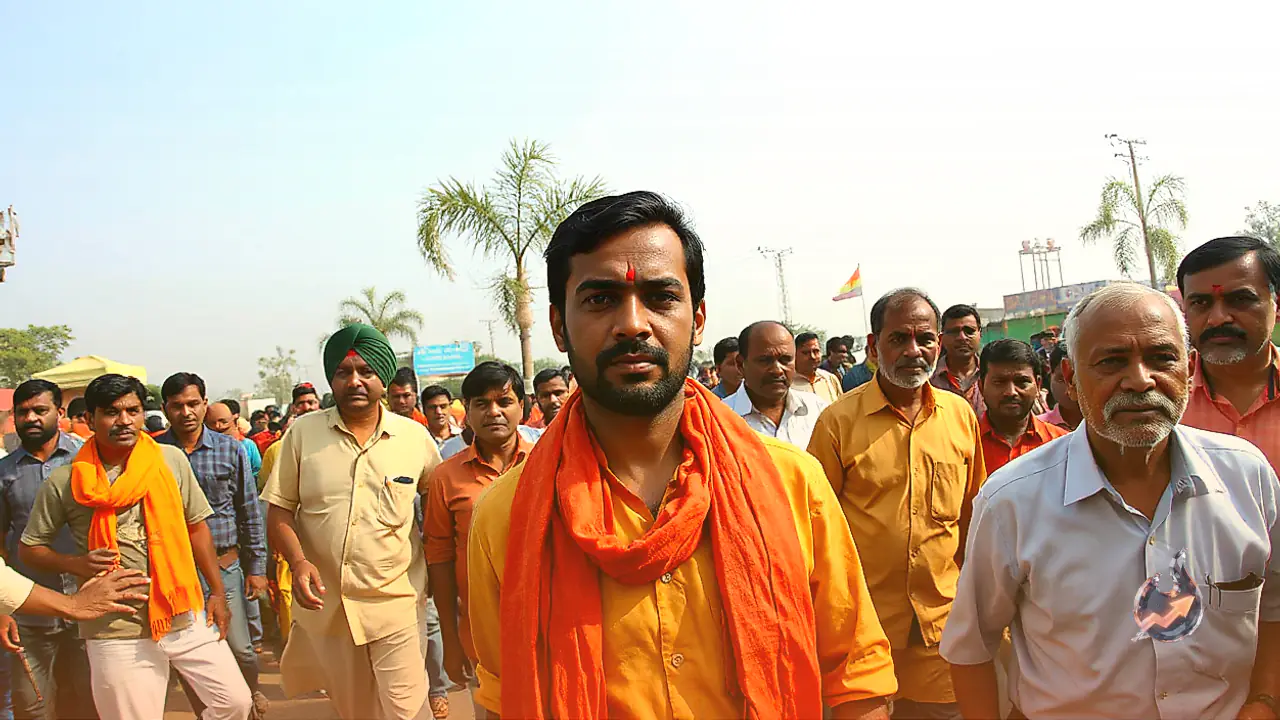
Amidst these developments, various organizations demanding a return to paper ballots and calling for the resignation of Chief Election Commissioner Gyanesh Kumar recently took to the streets in protest. However, these demonstrations attracted very modest turnouts, consisting largely of members associated with leftist organizations. Attempts to build a widespread mass movement around allegations of vote theft have largely failed to gather momentum or large crowds due to specific underlying factors.
First, issues surrounding additions or deletions in electoral rolls no longer resonate as an emotional mass grievance, having been largely reduced to a talking point for political parties. Second, the election commission has adjusted its approach following past controversies, making the process of registering on voter lists significantly more straightforward. For citizens whose names were previously omitted, election authorities have largely taken the initiative to reach out directly.
Most systemic flaws within the electoral machinery have been addressed effectively over time. Consequently, the actual electorate that holds the power to elect governments no longer finds substantial weight in slogans surrounding vote theft. Viewers can watch the complete episode of आज की बात for detailed analysis.