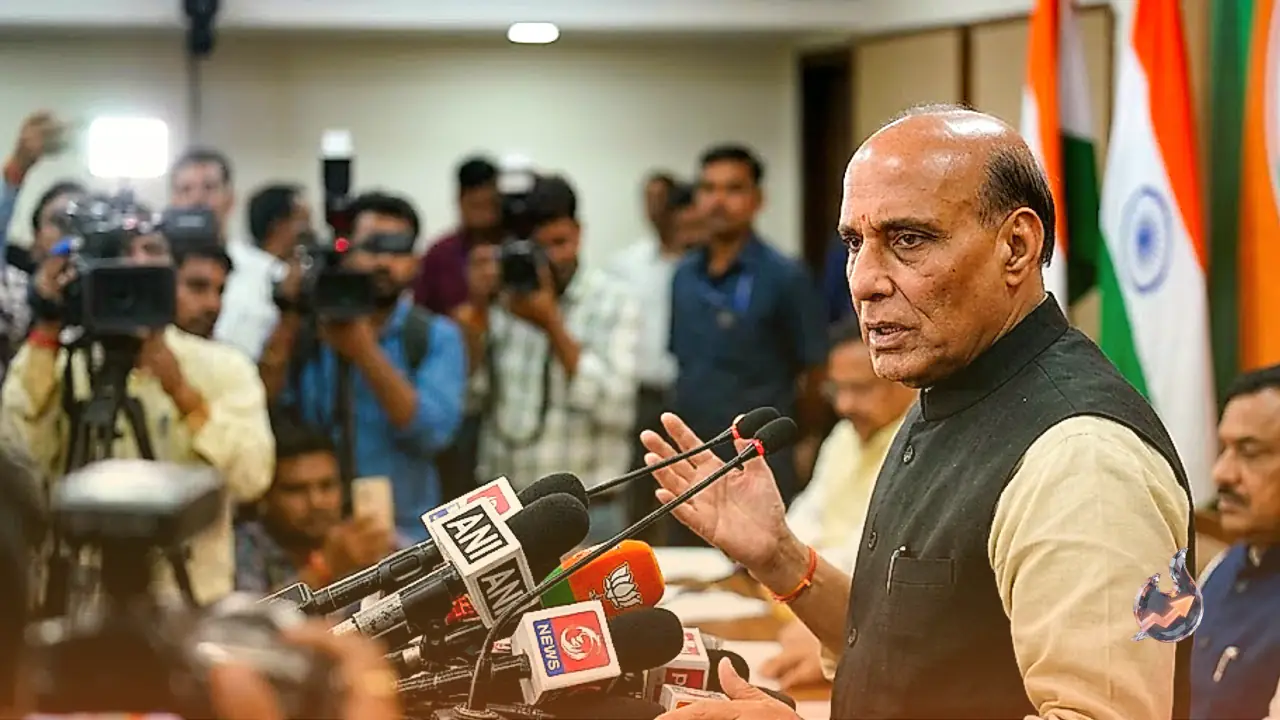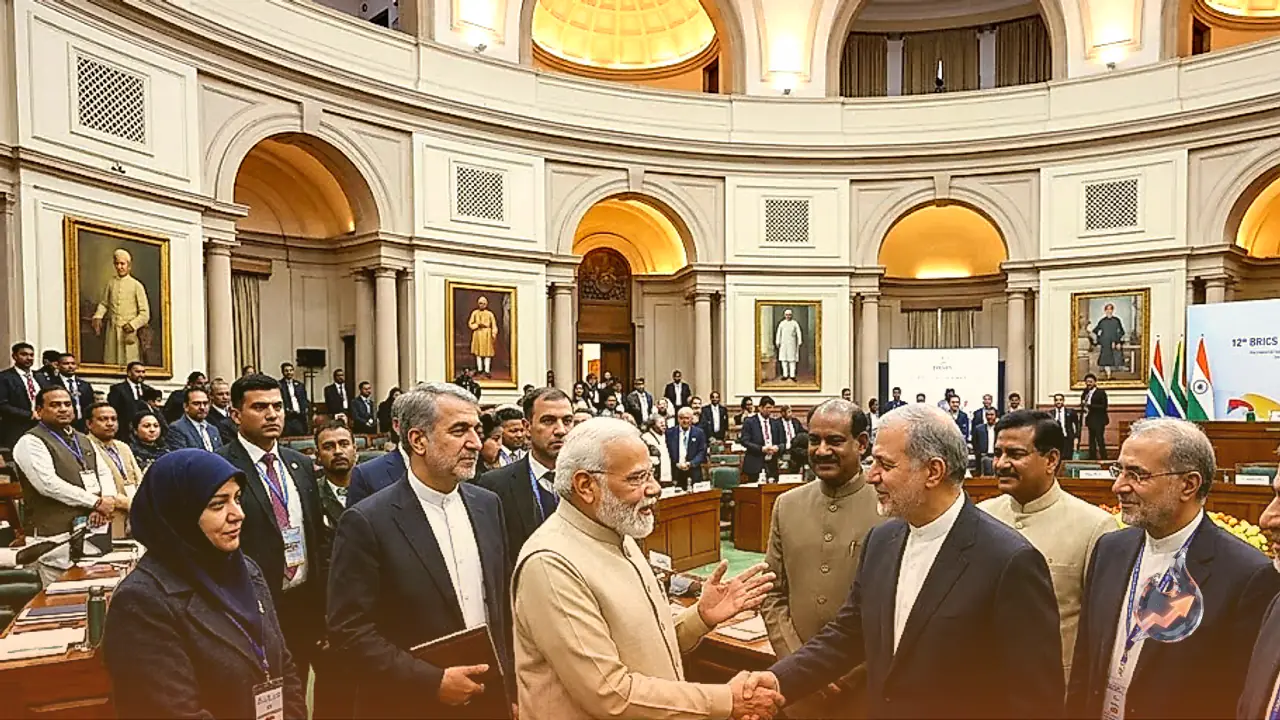



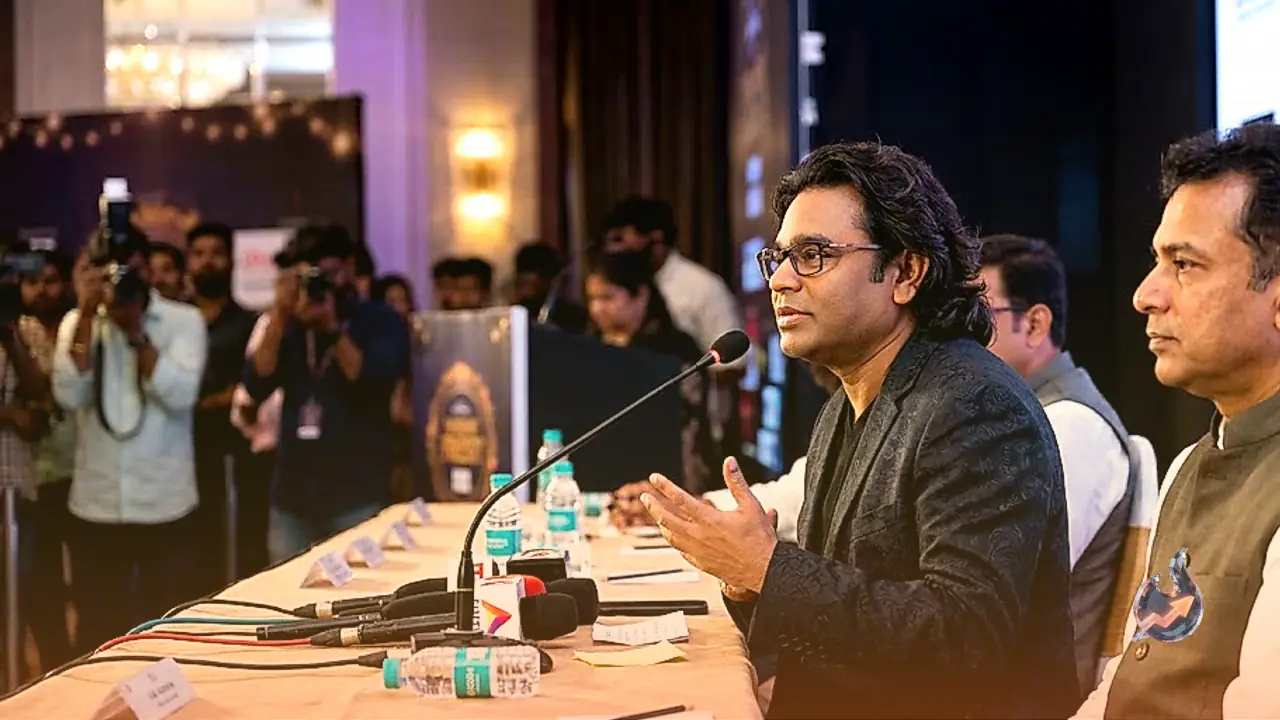

















External Affairs Minister S. Jaishankar has delivered a comprehensive perspective on India's diplomatic equations and regional challenges concerning neighboring countries. Speaking in New Delhi, he referenced a recent survey conducted by the Pew Research Center to highlight shifting perceptions across South Asia. According to these findings, approximately 79 percent of the population in Sri Lanka holds a favorable and positive view of India. The External Affairs Minister noted that this significant figure demonstrates how deeply ordinary citizens in neighboring nations value India's active support and constructive regional role.
Emphasizing the broader geopolitical landscape, Jaishankar pointed out that despite constant diplomatic hurdles and strategic complexities in the region, India has successfully maintained reliable and steadfast bonds with its neighbors. Specifically, the prompt humanitarian and economic assistance provided to Sri Lanka during its severe financial crisis breathed new life into bilateral ties. This tangible goodwill has visibly translated into a warmer public perception among the citizens of the island nation, reflecting a deep-seated appreciation for India's dependable neighborly stance.
Reflecting on Early Career Experiences in Sri Lanka
Sharing personal context, the External Affairs Minister recalled his early professional days in Sri Lanka during a particularly turbulent period when the Indian Peace Keeping Force was deployed there. Having witnessed firsthand the most complicated and challenging phase of bilateral relations in his youth, he admitted that seeing 79 percent of Sri Lankans hold a positive opinion of India today is a profoundly striking and gratifying transformation.
Jaishankar actively debunked the nostalgic narrative often propagated by critics who claim that India enjoyed flawlessly harmonious relations with its neighbors in the distant past. He clarified that diplomatic interactions with surrounding nations have perpetually involved a dual dynamic of mutual cooperation on one hand and complex friction on the other. History, he suggested, was never as uncomplicated as contemporary political rhetoric sometimes makes it out to be.
Examining Past Friction Points in Maldives and Bangladesh
To substantiate his arguments, Jaishankar pointed to specific historical events involving other regional neighbors. Recalling an episode in the Maldives, he noted how an Indian company was once stripped of a major airport contract purely because of its national identity. Such instances illustrate that commercial and strategic friction is by no means a newly emerged phenomenon in South Asian diplomacy.
Turning to Bangladesh, the External Affairs Minister drew attention to past security concerns, specifically highlighting the presence of Indian insurgents and separatists operating from Dhaka during earlier eras. Dismissing romanticized notions of a trouble-free past, he remarked that political romanticism about the good old days in the neighborhood ignores persistent structural realities. Maintaining a stable, balanced, and productive relationship with surrounding nations remains an ongoing diplomatic balancing act for New Delhi.