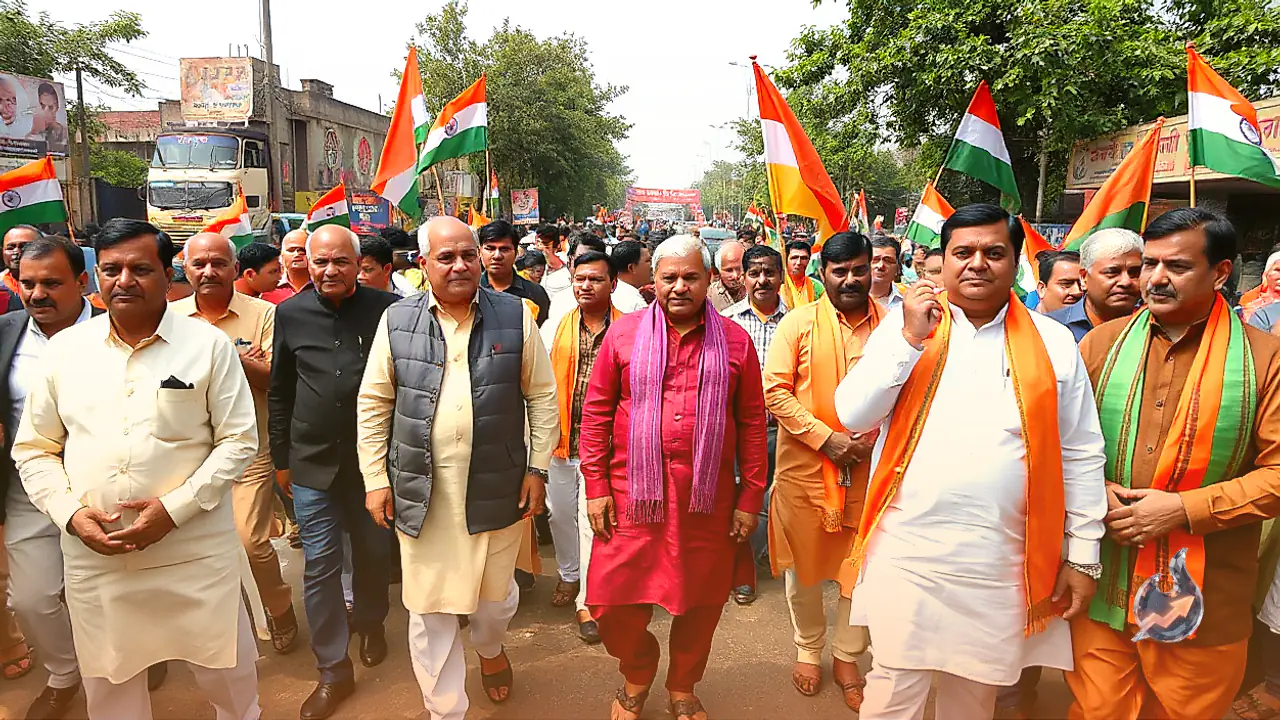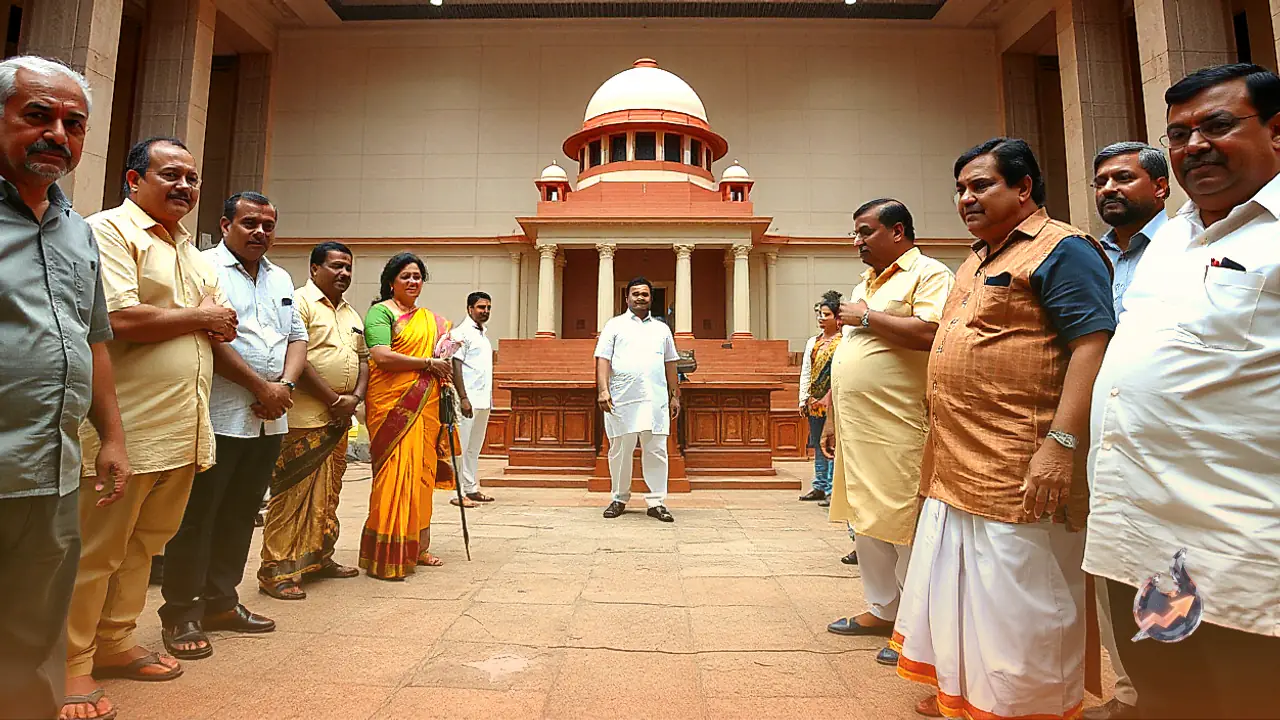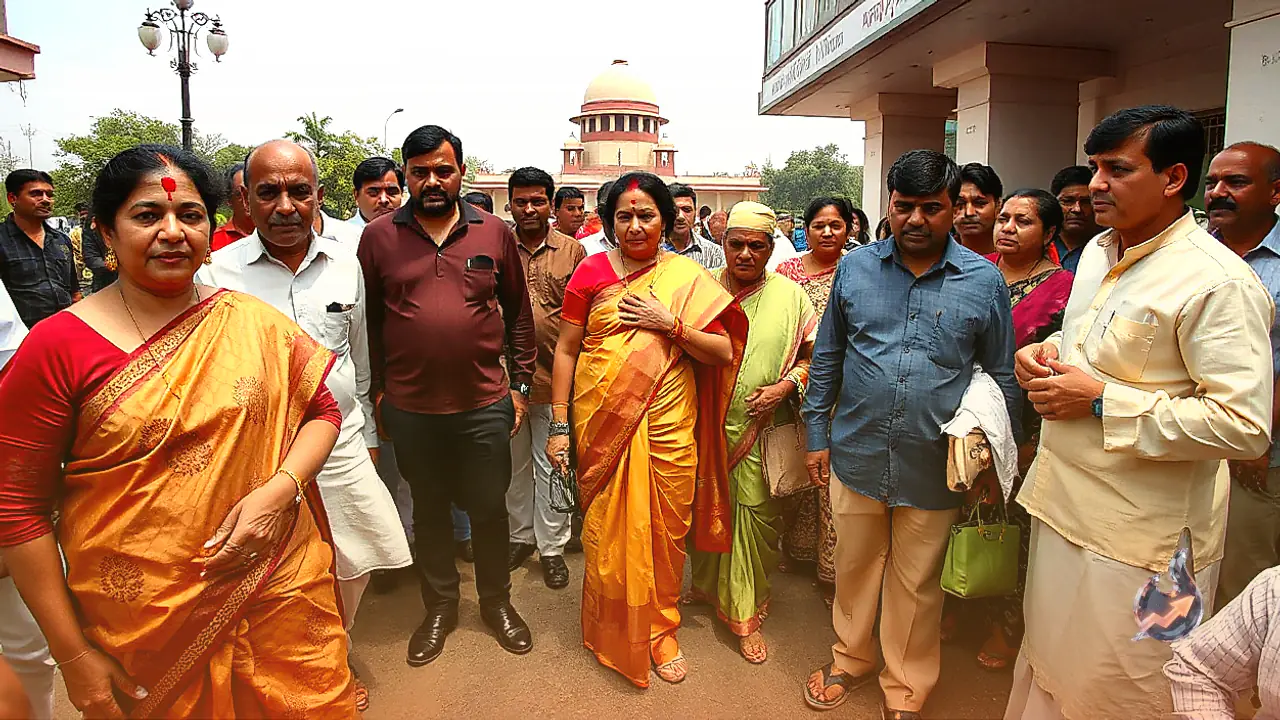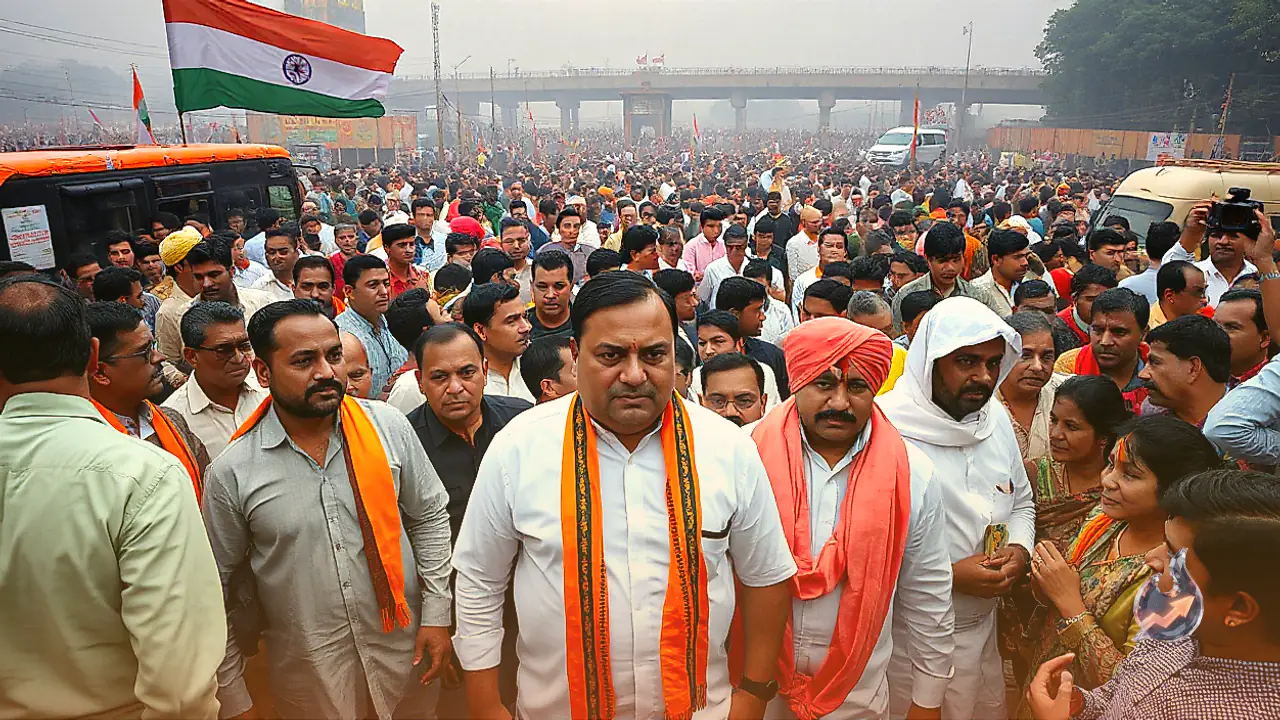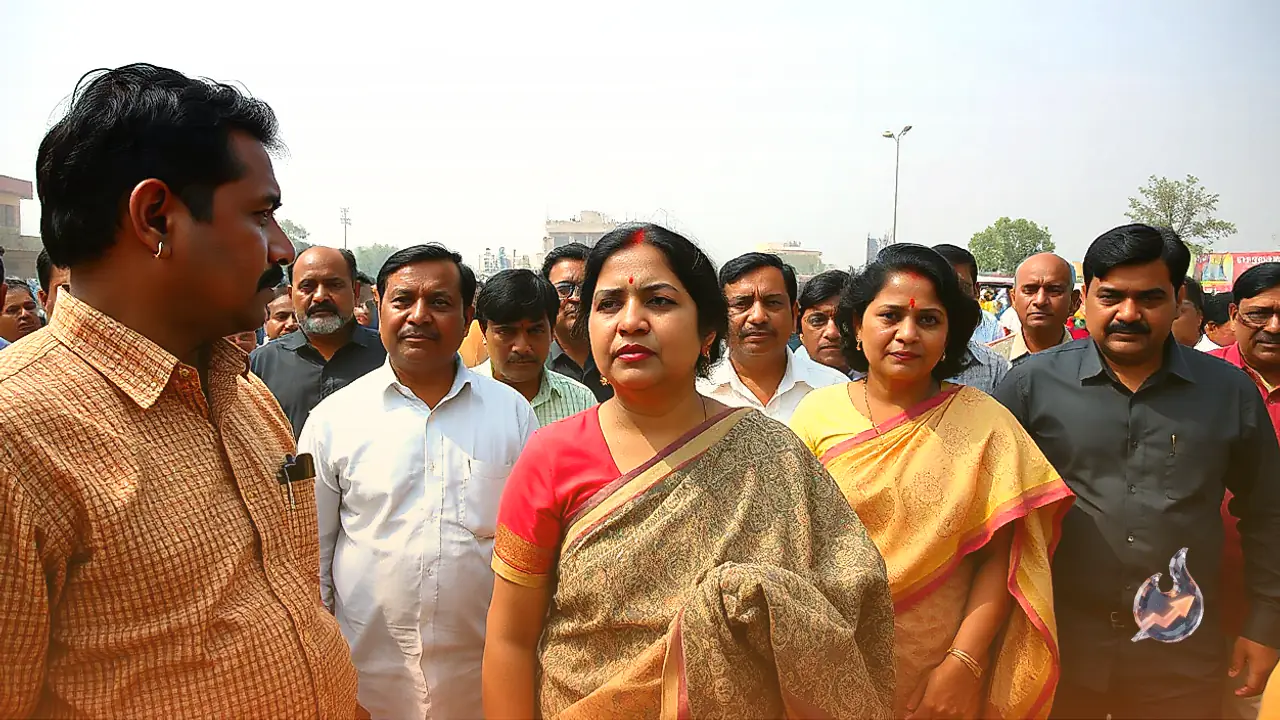



















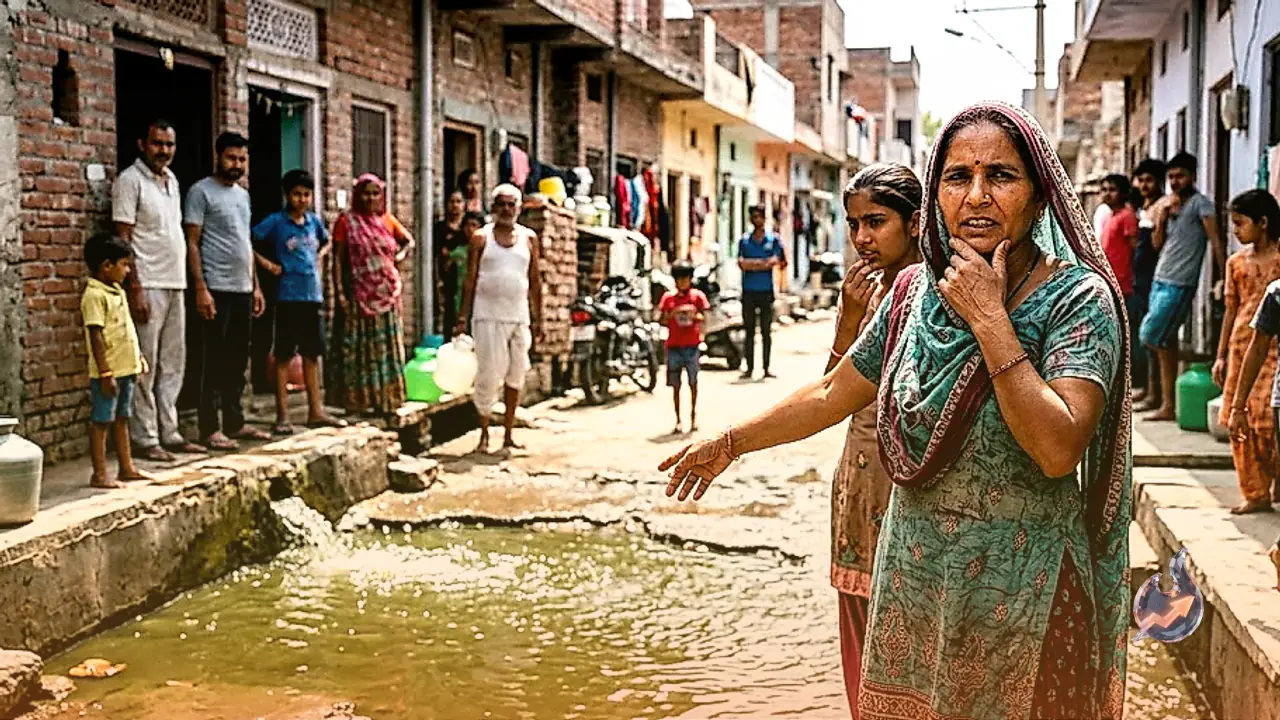

Ahead of the municipal election in Pali, Rajasthan, residents are asking the same question they have asked for years: will this time finally bring an end to decades of broken roads, chronic sewer overflows and an unreliable drinking water supply. What is different this time is the reason behind their cautious hope, for the first time Pali is set to get a woman mayor.
The Pali Municipal Corporation has a total of 65 wards, with the Bharatiya Janata Party, the Congress and several independent candidates in the fray. But the standout feature of this election is that the mayor's seat is reserved for a woman candidate, meaning Pali's next first citizen will be a woman. Conversations with residents across different wards reveal a common thread, people are not fully satisfied with the work done over the last five years, and basic problems like sewerage and drinking water remain unresolved. Even so, there is a quiet hope that once a woman mayor takes charge, the face of Pali could look different over the next five years.
Ward 63: sewer overflows make life difficult
Residents of Ward 63 say sewerage problems have made everyday life hard. Drains overflow frequently and are not cleaned on time. Roads are so badly broken that accidents happen regularly. People in the area say that only when these basic tasks start happening on time will they feel their elected representative is actually working for them.
Residents want an educated, honest mayor
With the mayor's seat reserved for a woman this time, Harish, a resident of Ward 63, said the mayor should be someone who stays close to the people and listens to their problems. According to him, it would help even more if she were educated and young, so she could work effectively while remaining accessible to residents. Harish put it plainly: "The most important thing is that the mayor should be an honest woman, that is who we will prioritise." In effect, honesty ranks above education or age as the deciding factor for many voters.
Ward 62: sewer trouble compounded by frequent power cuts
People in Ward 62 said their drains stay clogged, sewerage remains a persistent issue, and power cuts are also common. Residents said the BJP corporator who represented the ward for the last five years did not resolve these problems, leaving people frustrated. This time, a Congress candidate is contesting the ward, and residents are hopeful he will address their concerns. According to locals, sewerage is Pali's core problem, one that breaks up roads and leaves neighbourhoods littered with filth.
Streets turn into hell during monsoon, women say
Women in the area said that fixing filth and sewerage would be the single biggest relief they could ask for. They said the drainage system inside neighbourhoods is so poor during the monsoon that streets and homes fill up with water, making it hard to even step outside. With hopes pinned on a woman mayor this time, residents believe she could finally root out this problem, so that people can pray for rain rather than pray it stays away. In their words, Pali turns into nothing short of hell whenever it rains.
Pali still depends on a water train for drinking water
Another major issue in Pali concerns its water supply. When rainfall is inadequate, the Jawai dam does not fill up, forcing authorities to bring in drinking water for Pali by train from Jodhpur. This is despite the fact that Pali once used to supply water to quench Jodhpur's thirst. Residents question why, when a water pipeline has already been laid up to Rohat, it has not been extended to Pali. They say that if the pipeline reaches Pali, the water crisis could be resolved permanently, sparing residents the annual scramble for drinking water.
Taken together, the complaints from across Pali's wards point to the same set of unresolved basics: sewerage, drainage and drinking water. Whether the city's first woman mayor can finally deliver on these long-pending demands is the question voters say they will be watching closely over the next five years.