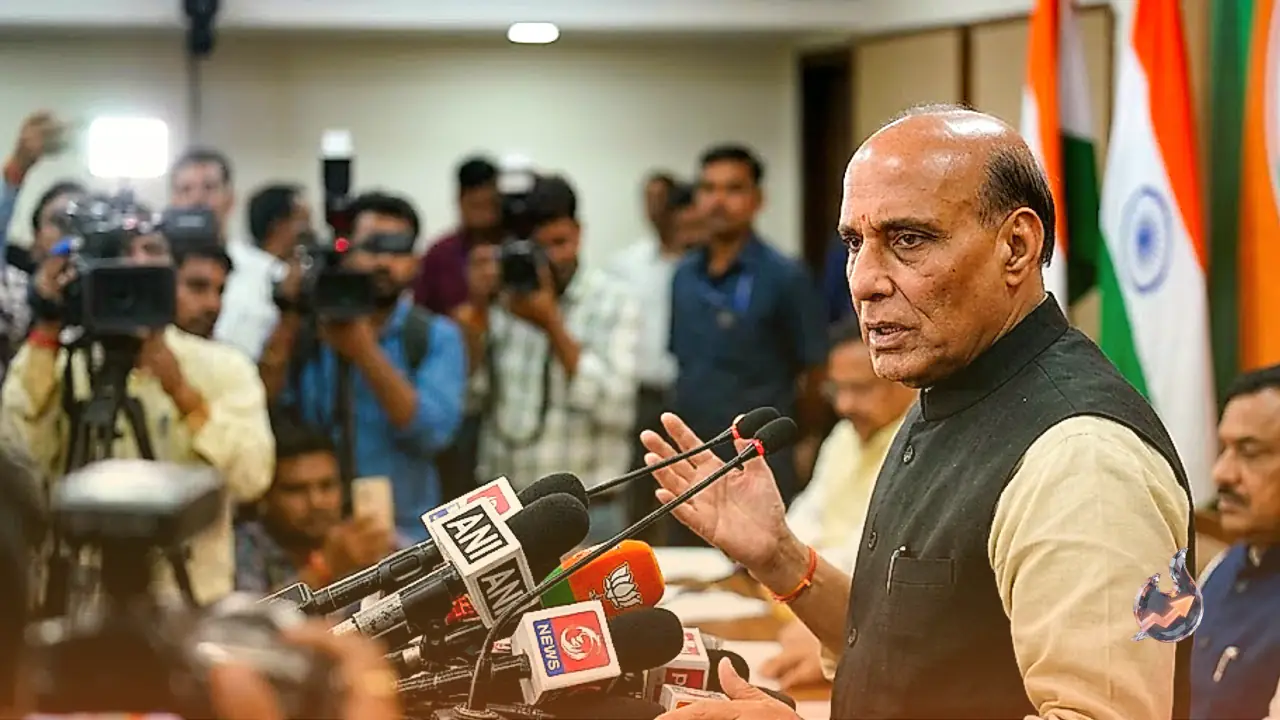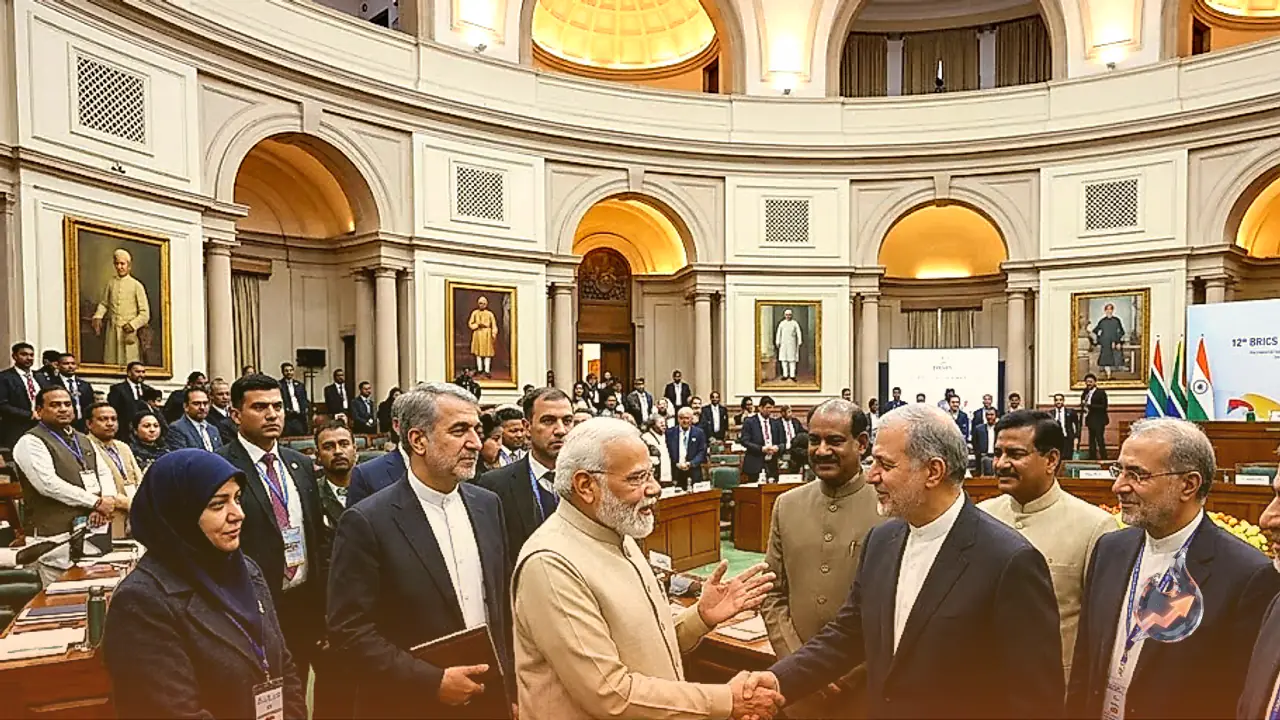





















Long-term planning forms the cornerstone of the government's renewed vision for sports development in the country. With the potential hosting of the Olympic Games in India in 2036, the strategy focuses heavily on nurturing children who are currently between 5 and 10 years old, as they are the prime candidates to emerge as elite athletes by that time. To achieve this, strengthening sports competitions and talent identification mechanisms at the school and college levels has been prioritized. The Prime Minister emphasized moving past the conventional approach of confining sports policies solely to the sports ministry, advocating instead for a whole-of-government framework.
To bolster the sports ecosystem, the Ministry of Sports and the Ministry of Tourism have been advised to collaborate on developing sports tourism. Furthermore, micro, small, and medium enterprises, technical departments, and startups are planned to be integrated into the promotion of athletics. Organizing internal sports tournaments within office environments has also been recommended to foster team spirit and cultivate a robust sporting culture among employees.
Substantial reforms have been proposed within the education and skill development sectors. The roadmap highlights the necessity of incorporating greater vocational training into school education. Reviewing Industrial Training Institute curricula to align them directly with current job market demands is a key proposal. Additionally, pathways enabling ITI diploma holders to pursue higher education degrees are being explored to bridge the gap between vocational and academic streams.
Addressing the international demand for skilled labor, the strategy involves conducting a global mapping exercise of workforce requirements across various nations to tailor domestic training programs accordingly. For instance, connecting trained youth from Northeast India with employment avenues in countries like Japan has been suggested. To enhance the employability of Indian workers abroad, technical proficiency is being paired with a stronger emphasis on soft skills and digital literacy.
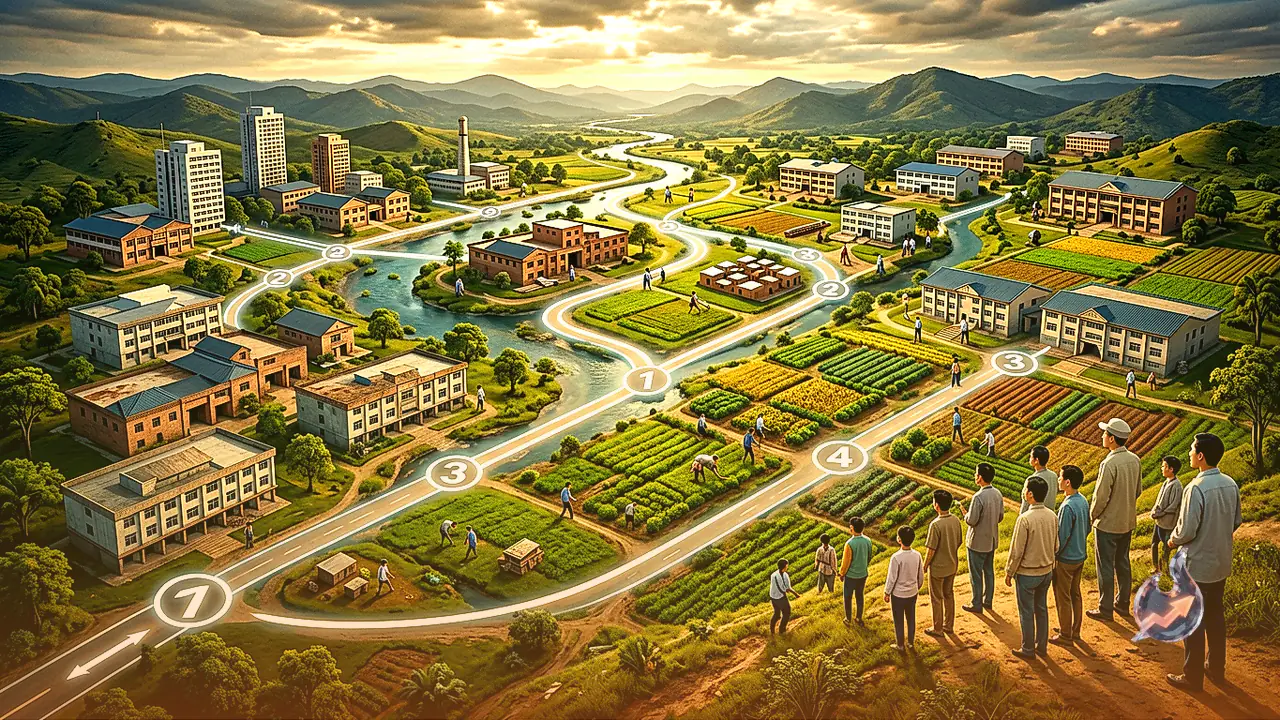
Agricultural education and farming methodologies are also slated for transformation. Agricultural universities have been instructed to conduct region-wise reviews of their curricula to ensure they match local agro-climatic conditions. Expanding irrigation networks while cautiously promoting crop diversification—while avoiding water-intensive crops—forms an essential part of this agricultural strategy. To provide farmers with alternative and reliable income streams, a proposal to integrate agricultural students with initiatives like installing solar panels along farm boundaries has been introduced.
In the realm of digital governance, the roadmap advocates for increased utilization of domestic digital platforms, artificial intelligence systems, and messaging applications. The emphasis lies on strengthening data sovereignty and minimizing reliance on foreign digital services. Mentioning domestic platforms such as Zoho, Sna’m, and Arattai, the framework signals a clear shift toward encouraging home-grown technological solutions within government institutions.
Experienced professionals and senior citizens are identified as valuable resources under the new strategy. Senior citizens could be engaged as mentors within ITIs and provided honoriums, drawing inspiration from the Professor of Practice framework under the national education policy. Similarly, final-year engineering engineering students are encouraged to contribute voluntarily on an honorarium basis for two to three months within ITIs to infuse modern technical insights and industry knowledge.
Administrative streamlining forms another vital pillar, with the government aiming to enhance in-house expertise among civil servants. Instead of continuously relying on private consultancy firms for drafting tenders, formulating laws, and managing disputes, officials are being encouraged to build internal competencies. The government's iGOT platform is designated as a primary tool for capacity building. Additionally, a re-evaluation of financial terminology surrounding government expenditures, particularly regarding outlays that create permanent capital assets, has been suggested.
Process optimization and regulatory easing have been prioritized within the pharmaceutical sector. The objective is to keep regulations updated in tandem with rapid scientific advancements while improving the ease of doing business. Ministries and departments have been instructed to proactively identify potential bottlenecks and systemic shortcomings to implement corrective measures before issues escalate into growth impediments.
Beyond cultivating skilled workers, the agenda emphasizes expanding the number of domestic construction institutions capable of executing complex and large-scale infrastructure projects. Developing domestic manufacturing capabilities for heavy machinery and advanced equipment is deemed essential, alongside strengthening collaboration between industries and academic institutions to keep university syllabi dynamically updated.
The administrative message directed at the top echelons of bureaucracy urges department secretaries to step out of narrow departmental silos and act as leaders with a broader public interest perspective. Issues concerning cleanliness, domestic manufacturing, regulatory reduction, and the decriminalization of minor provisions require a collective approach. Better coordination between ministries has been underscored, mandating thorough prior consultations with all stakeholders before presenting proposals to the cabinet to prevent implementation delays.
Ultimately, the 23-point roadmap seeks to transform government schemes from isolated departmental tasks into unified national objectives. Its defining characteristic lies in engaging every demographic—ranging from a five-year-old child and an ITI student to farmers, overseas-bound workers, and senior citizens—as active stakeholders in shaping the vision of a developed India by 2047.