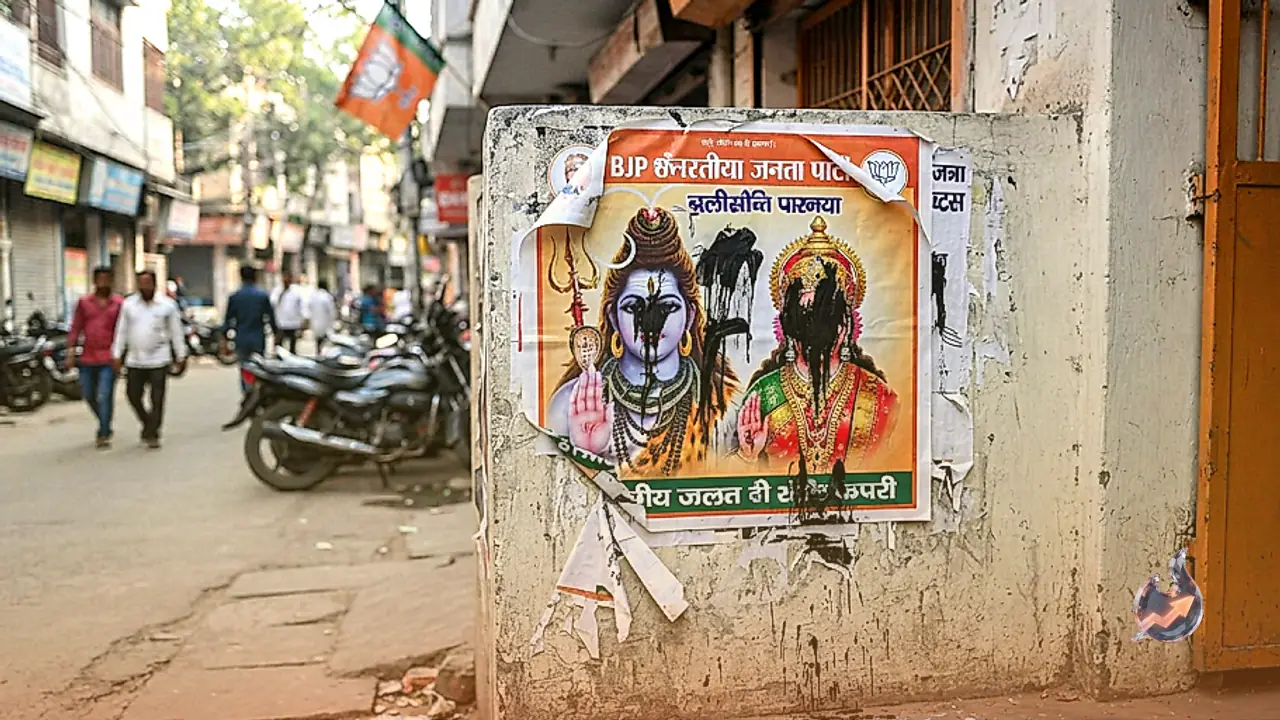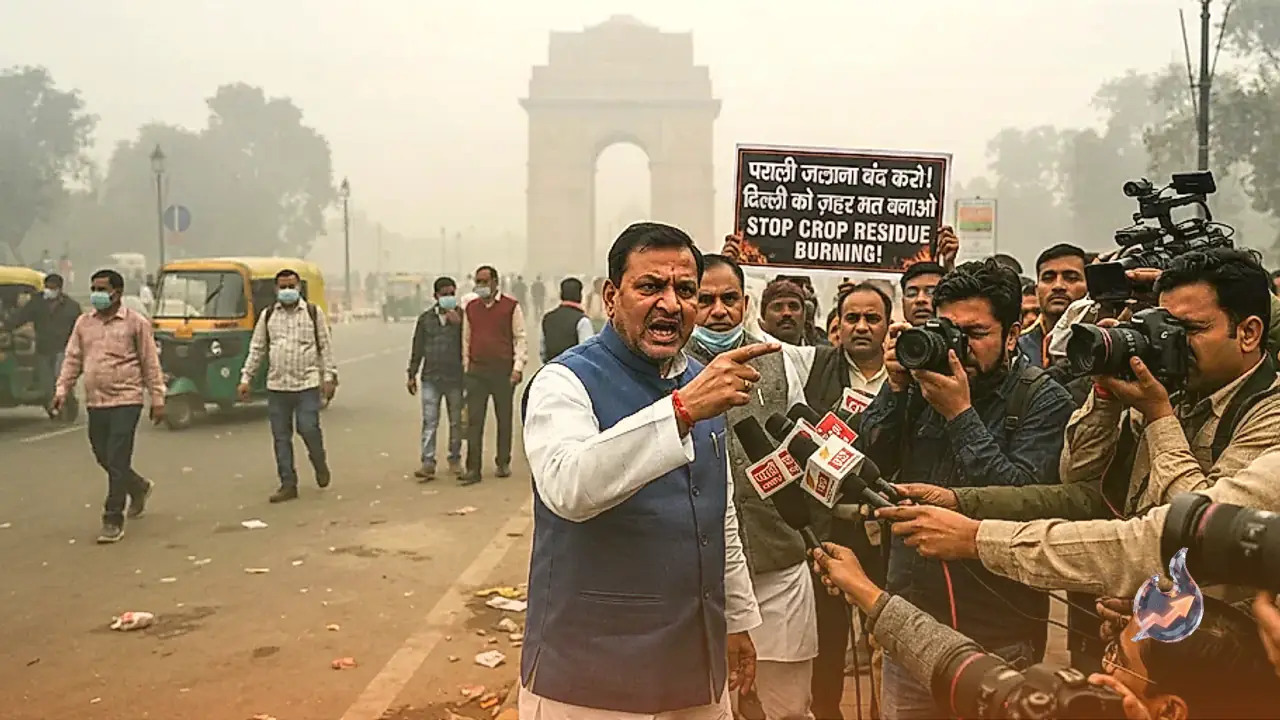

A fresh political controversy has erupted over Congress leader Sonia Gandhi's memoir, with factions of the Shiv Sena launching strong protests and demanding a complete ban on the book. Party members expressed outrage by tearing pages of the publication, alleging that it undermines freedom fighter Veer Savarkar and hurts Marathi identity.
Objections Raised Over Specific Pages
During the demonstration, Shiv Sena leaders directed their demands toward the publisher HarperCollins India, insisting that the controversial excerpts found on pages 201 and 443 be permanently removed or the book recalled. They argued that the references concerning Savarkar are objectionable and deliberately seek to diminish his historical legacy.
Questions Raised For Uddhav Thackeray
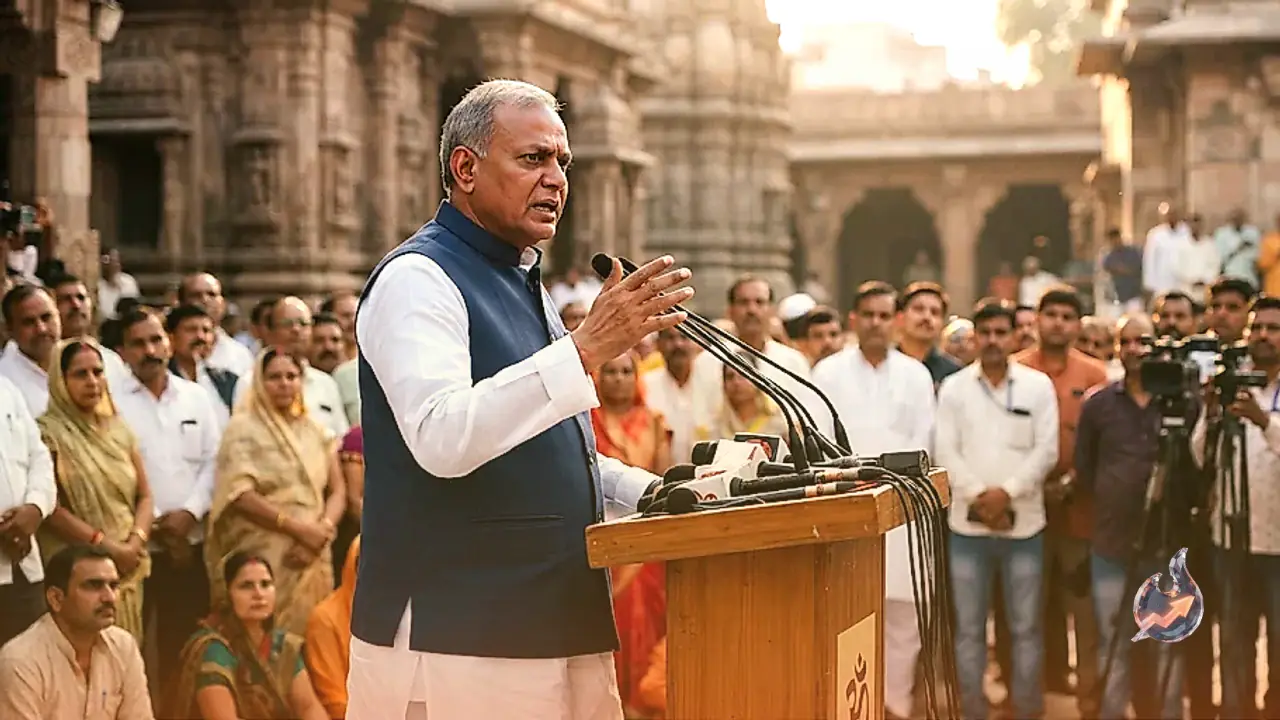
Shiv Sena leader Sanjay Nirupam publicly questioned former Maharashtra Chief Minister Uddhav Thackeray regarding his silence on the matter. He asked why the party leadership under Thackeray chose to accept a book containing content that disrespects Marathi pride and historical icons. Recalling past instances, Nirupam pointed out that when Mani Shankar Aiyar had previously insulted Veer Savarkar, Balasaheb Thackeray had strongly called for protests, asserting that such disrespect toward freedom struggle heroes is intolerable.
Book Launch And Background Details
The opposition to the book follows the recent release of the 544-page autobiography. The memoir was formally launched on November 16 in New Delhi in the presence of Sonia Gandhi and her family members. Published by HarperCollins India, the book titled 'Belonging: A Journey of Love' chronicles her early life in Italy, her meeting with former Prime Minister Rajiv Gandhi in Cambridge, her entry into the Nehru-Gandhi family, and her subsequent transition into politics.
Key Historical Events Covered In The Memoir
The autobiography also touches upon several critical milestones in India's political history. These include the Emergency declared by Indira Gandhi in 1975, Operation Blue Star in 1984, the assassination of Indira Gandhi, and the subsequent anti-Sikh riots. Furthermore, the volume details the tragic assassination of Rajiv Gandhi in 1991, her personal decision to enter active politics, and her refusal to assume the office of Prime Minister following the Congress alliance's victory in the 2004 Lok Sabha elections.