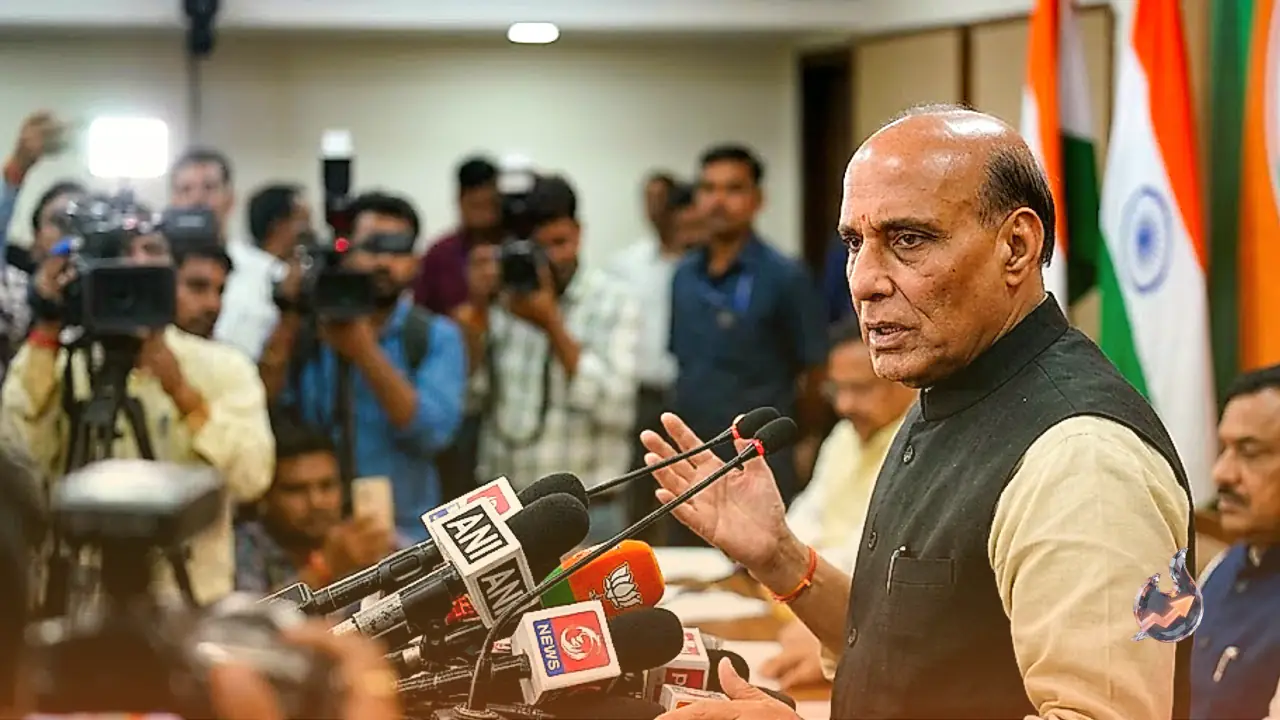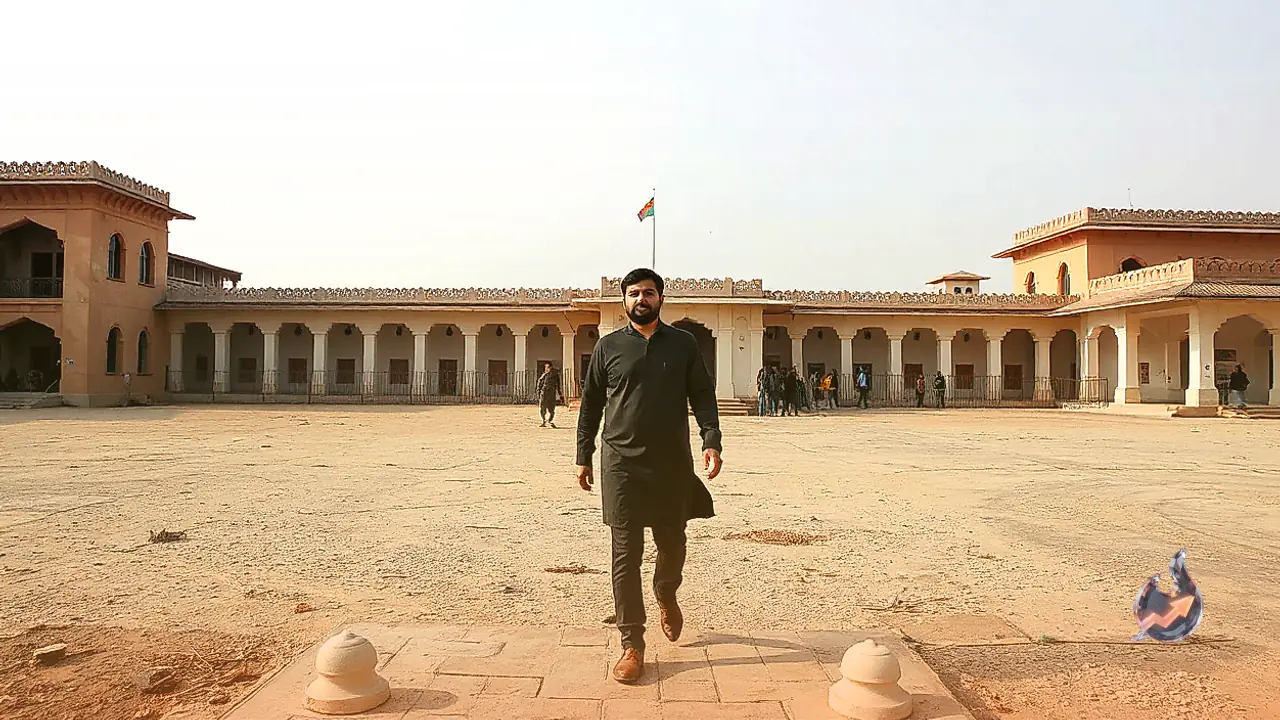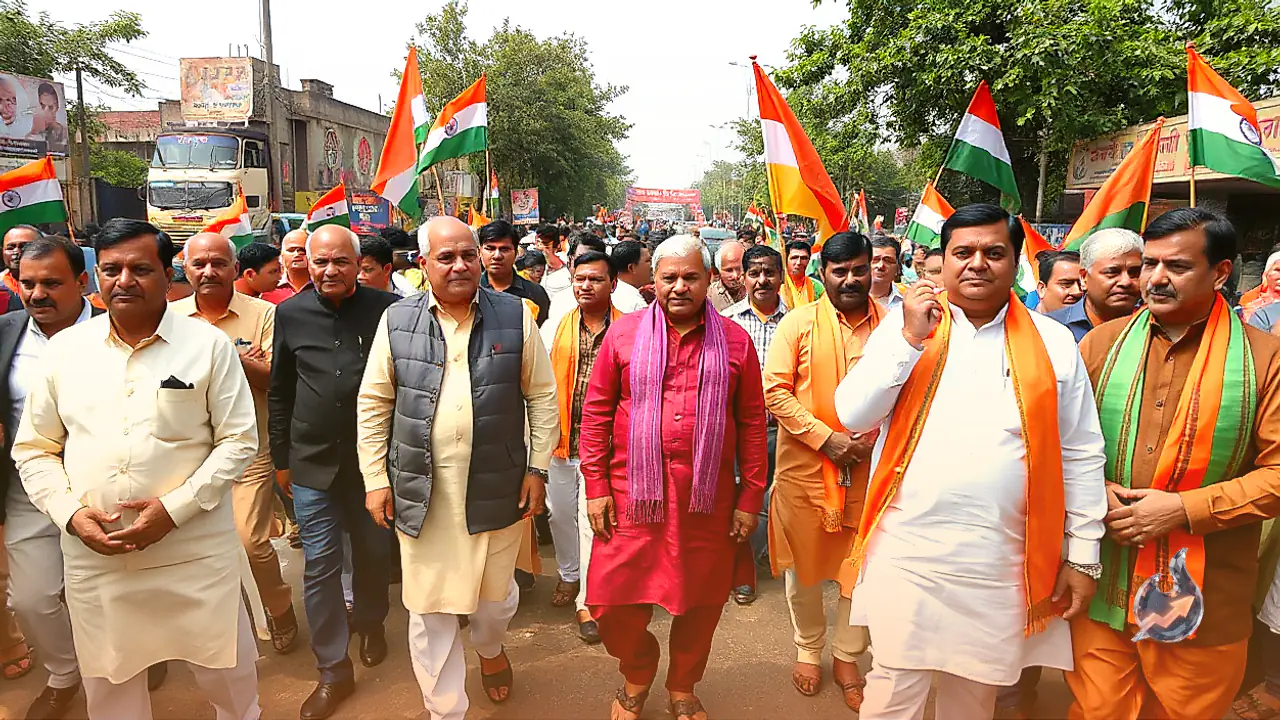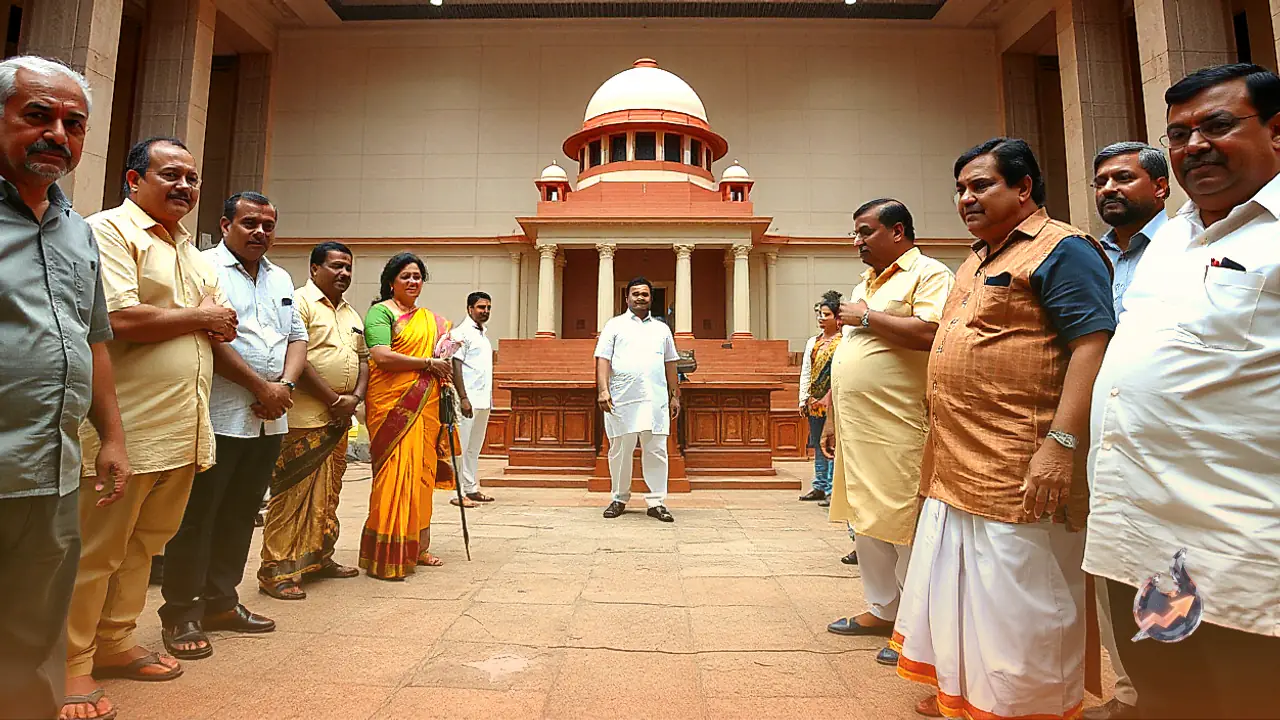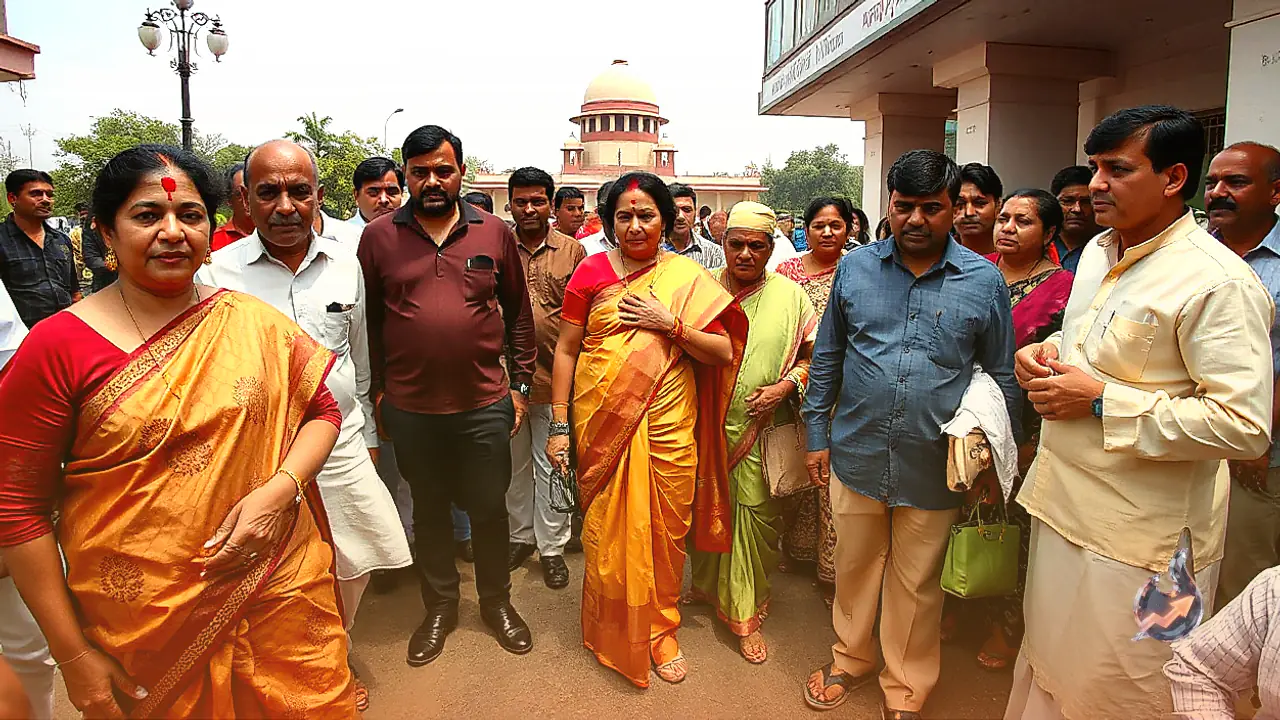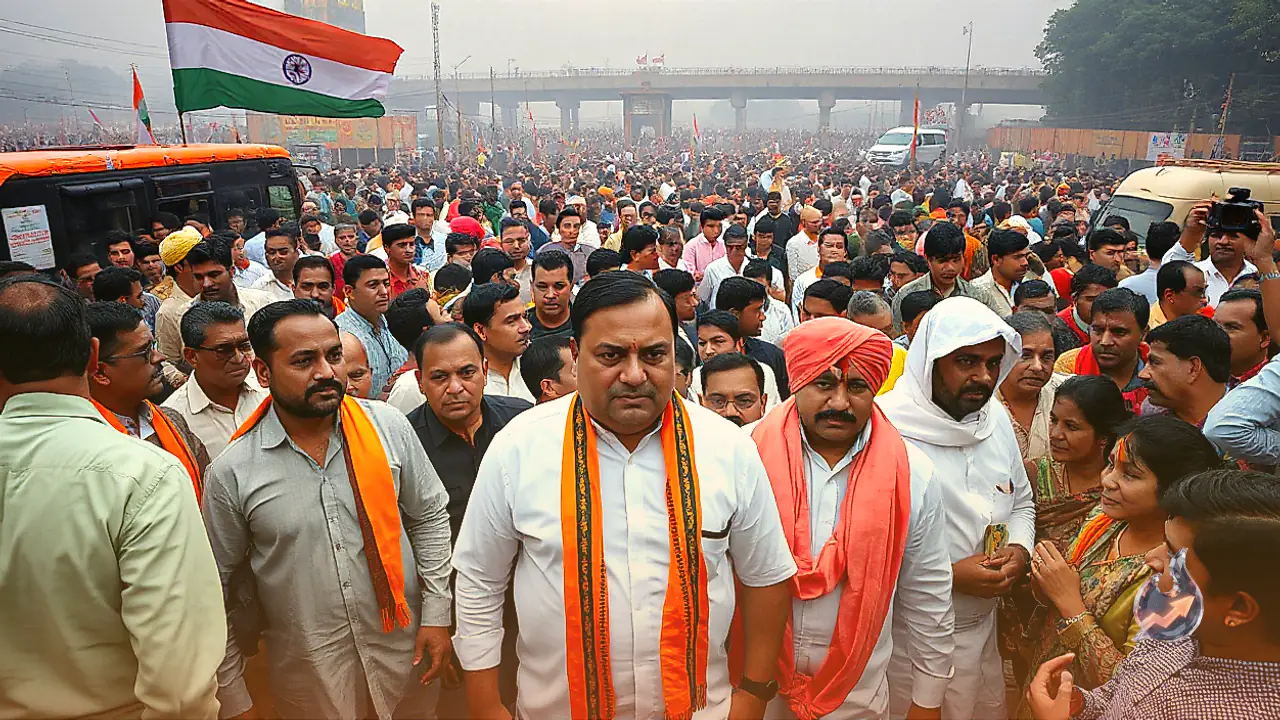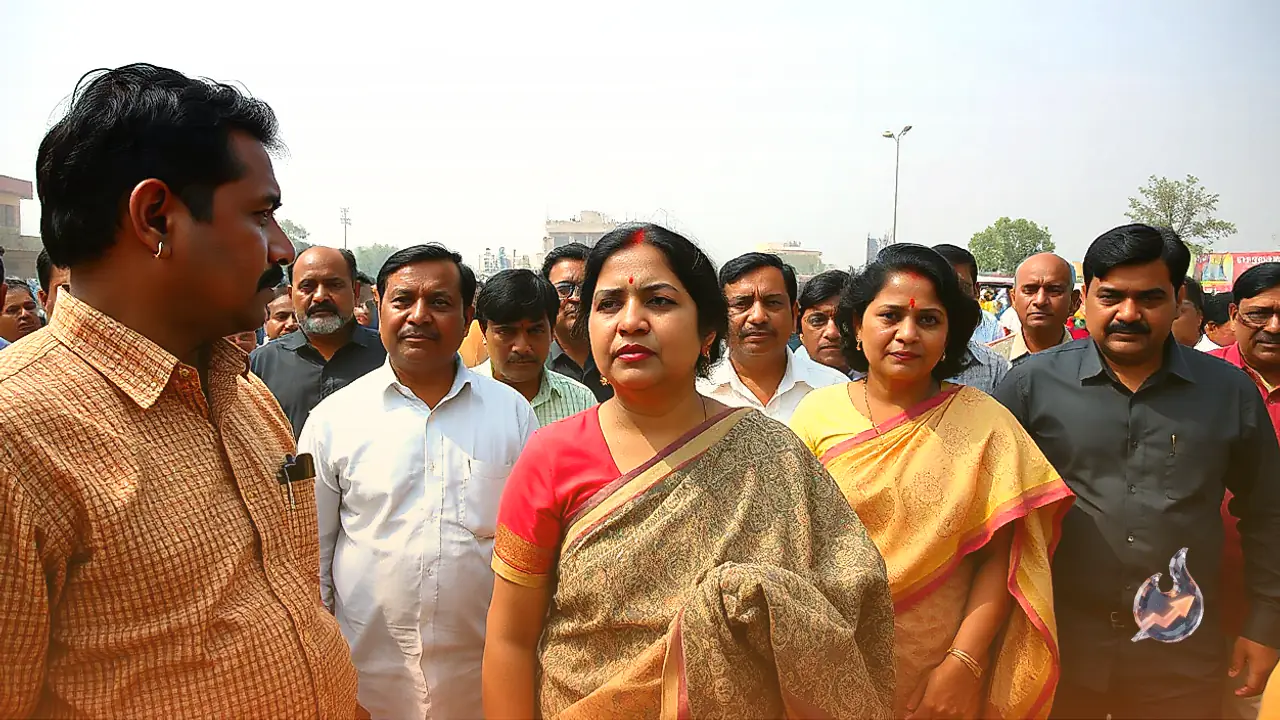




















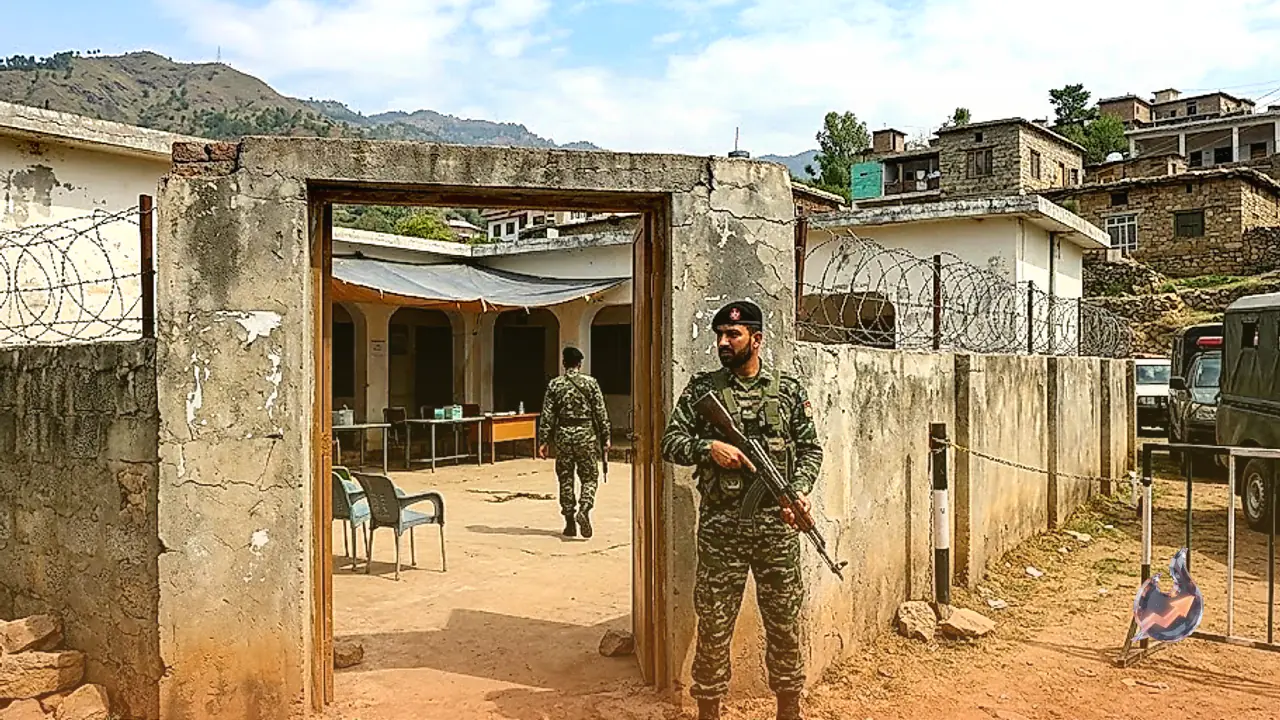

Even as severe civil unrest and intense protests grip the region, the first phase of the legislative assembly elections has officially commenced in Pakistan-Occupied Kashmir. Voting began at 7 AM today across the Mirpur division, but due to widespread opposition and active calls for a complete boycott, numerous polling booths present a thoroughly desolate picture. A vast majority of local residents have chosen to stay indoors, refusing to step out of their homes to cast their ballots. Turnout at the polling stations remains virtually nonexistent, highlighting the deep-seated anger of the local population against the ongoing electoral process while street demonstrations persist.
Polling Across Mirpur, Bhimber, and Kotli Districts
The current electoral phase covers a total of 13 assembly seats spread across the Mirpur, Bhimber, and Kotli districts. The region accounts for an electorate exceeding 14 lakh registered voters, for whom the administration has set up more than 2,500 polling stations. Mainstream Pakistani political parties, including PML-N, PPP, and IPP, are the primary contenders in this election cycle. In the Kotli district alone, as many as 135 candidates are locked in a contest across 6 seats. Local bodies, most notably the Awami Action Committee along with several other organizations, have formally urged the public to boycott the polls, denouncing the entire exercise as rigged and pre-arranged.
Tight Security and Declared Public Holiday
Throughout this process, the Pakistani military has faced persistent accusations of electoral engineering and undue interference. Opposition voices argue that genuine democracy is entirely absent, reducing the exercise to a mere farce. Paramilitary Rangers are deployed at every corner, and heavy security measures have been put in place to counter any unrest. Public gatherings and political rallies remain strictly banned, while sensitive zones are flooded with security personnel. Although a public holiday was specifically declared in the Mirpur division today to encourage voter participation, the widespread protests have rendered the holiday virtually ineffective in driving people to the booths.
Political Significance and Public Sentiment
These elections are viewed as highly critical for the political landscape of Pakistan-Occupied Kashmir. Citizens have harbored deep resentment over governance issues, inadequate representation, and the overarching role of the Pakistani military for quite some time. The exceptionally low voter turnout and active demonstrations clearly demonstrate that a large segment of the population is deeply unhappy with the political setup. Once the results of the initial phase are compiled, the true sentiment of the public will become even more apparent. For now, the election continues to move forward amidst persistent chaos and a sweeping boycott.