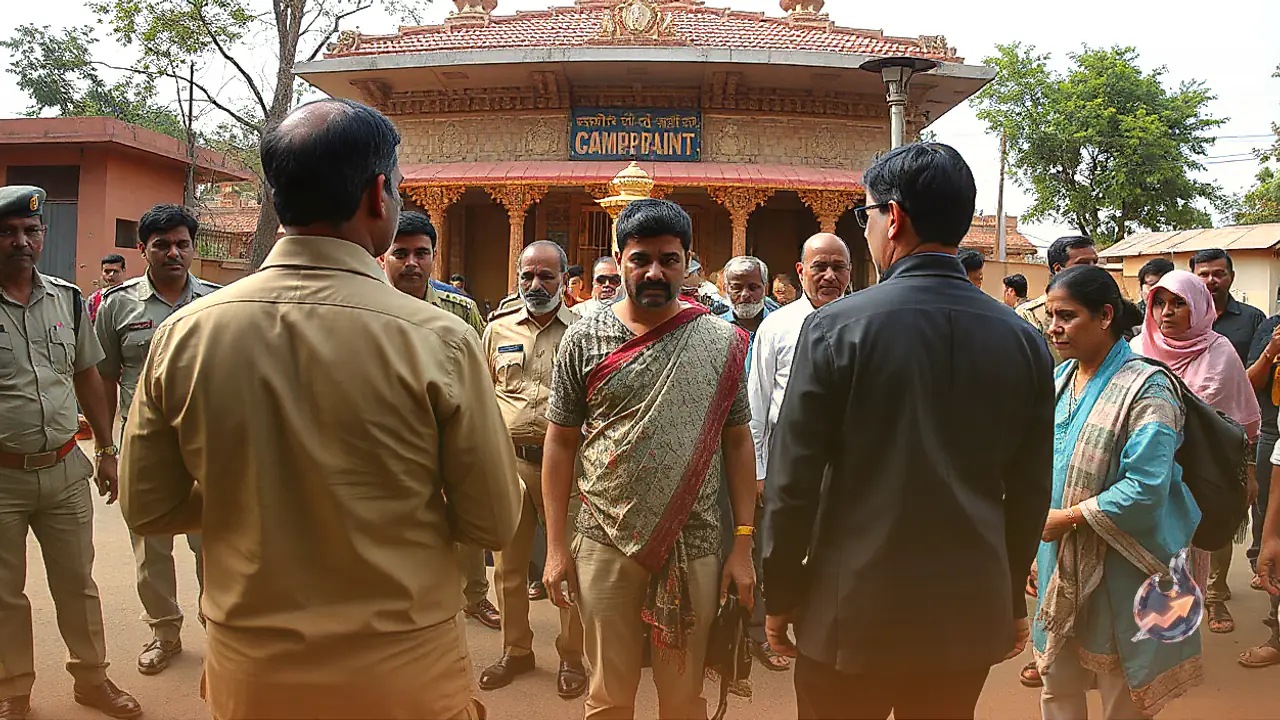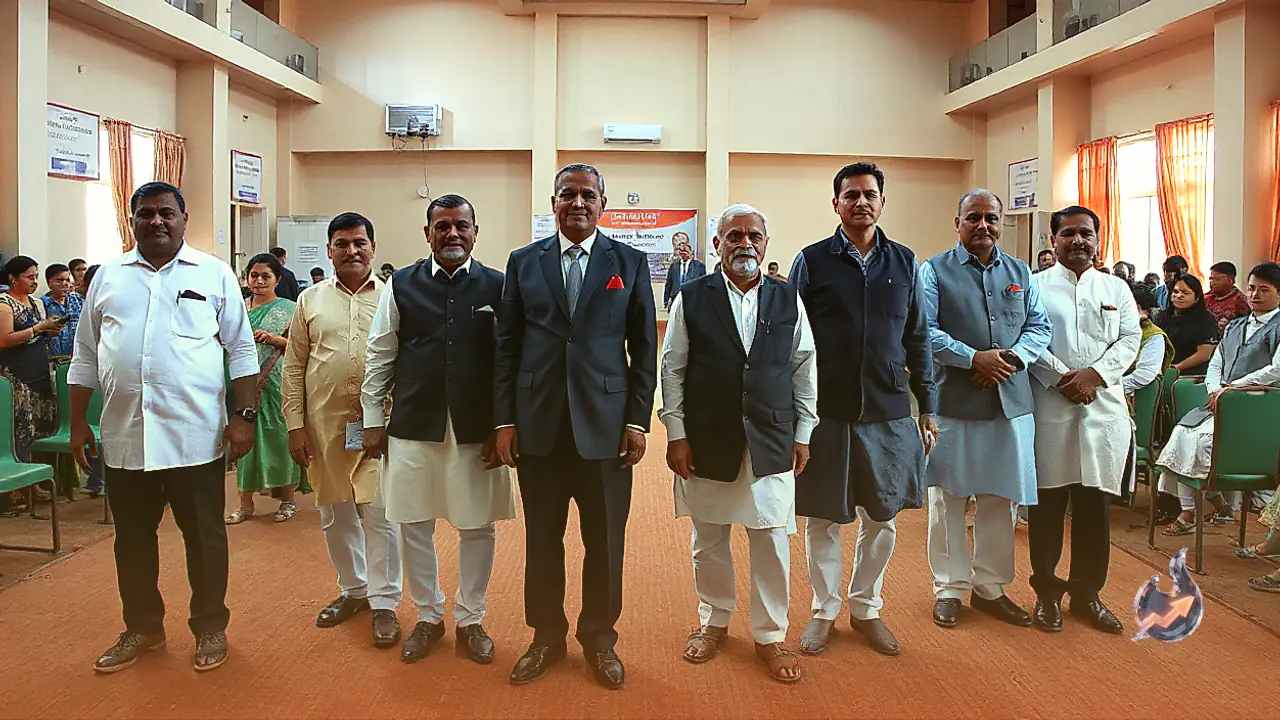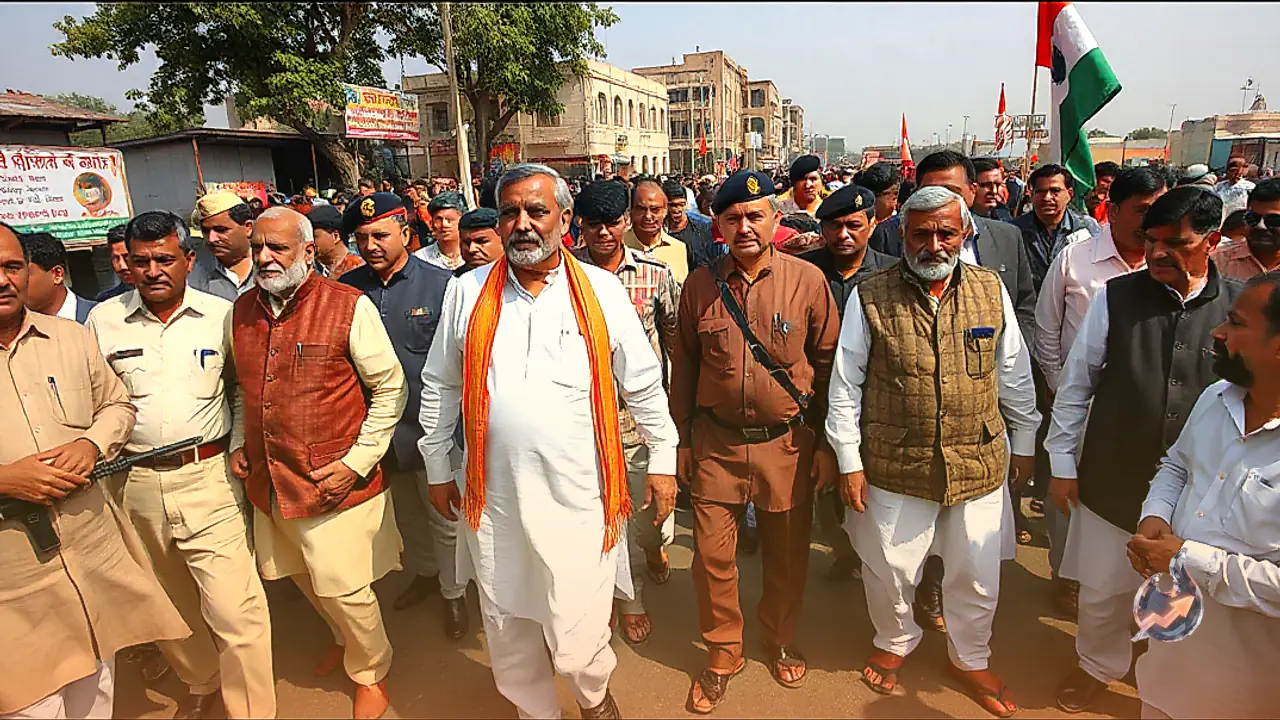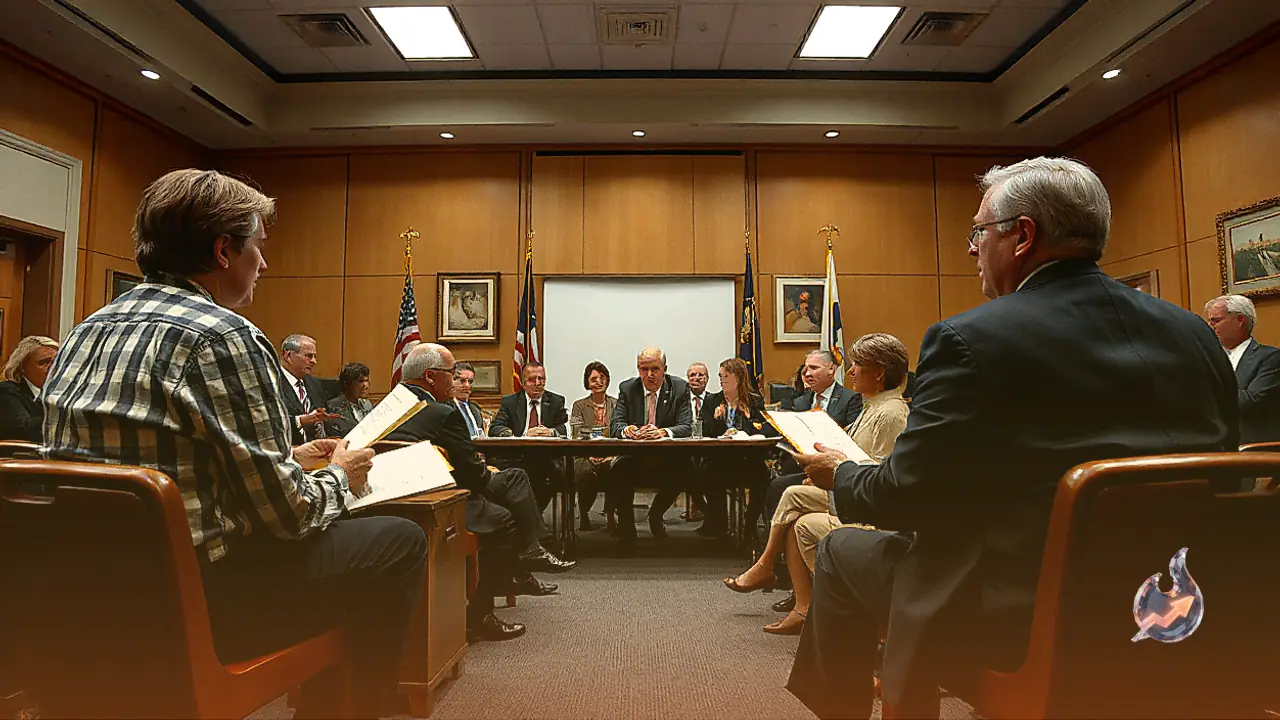




















A fresh round of political friction has emerged following the conclusion of two major joint opposition gatherings in the national capital, centering on stage management and the distribution of speaking opportunities. During both the weekend mock parliamentary session and the massive public congregation held at Ramlila Maidan, Priyanka Gandhi Vadra remained seated among the attendees without delivering an address from the podium. The decision to keep an influential figure off the microphone, while allocating speech slots to diverse regional delegates and smaller alliance partners, quickly provided ammunition for political adversaries.
Speaking Slots at Opposition Rallies Trigger Controversy
The scheduling of speakers during both high-profile events has become a subject of intense scrutiny across political circles. While representatives from regional allies and leaders who do not currently hold parliamentary seats were invited to share their viewpoints with the crowd, a former general secretary known for commanding major campaign audiences did not address either gathering. Observers noted that her presence remained restricted to the seating enclosure, leading to immediate public speculation regarding whether this was merely a procedural scheduling outcome or reflective of evolving priorities within the party framework.
The ruling Bharatiya Janata Party swiftly seized upon the development to mount a sharp offensive against the principal opposition. National spokesperson Sambit Patra released a video message across social media channels, asserting that her expression appeared noticeably despondent during both proceedings. He argued that bypassing a proven orator on two consecutive days raised legitimate organizational questions.
“Rahul Gandhi and the Congress party did not give Priyanka Vadra any opportunity to put forward her point.”
Patra further questioned whether internal apprehension regarding competing leadership profiles was influencing decisions surrounding podium access. He suggested that such arrangements pointed toward deliberate efforts to restrict alternate centers of influence within the broader party structure.
Allegations of Organizational Camps and Internal Friction
Amplifying the critical narrative, spokesperson Pradeep Bhandari leveled allegations concerning structural cleavages within the opposition hierarchy. He claimed that the organizational machinery is increasingly operating under separate spheres of influence, asserting that central control is being actively consolidated around a single leadership axis to prevent parallel prominence.
“Has the real truth of today's Congress been reduced to a turf battle between brother and sister within the Gandhi-Vadra family?”
Bhandari characterized the mock parliament proceedings as an exercise designed specifically around individual re-establishment, claiming that seating arrangements in the secondary rows were structured intentionally to avert division of public attention. He questioned why a seasoned organizational figure was repeatedly kept away from delivering an address at Ramlila Maidan despite retaining senior standing.
The Shadow of the Art Exhibition Dispute
The discourse surrounding coordination issues between the senior figures follows closely on the heels of another recent disagreement regarding a cultural installation in the capital. Tensions had surfaced during an art and photography display titled 'No Idea Is Final' at Bikaner House, connected to Rehan Vadra. Immediately prior to the scheduled inauguration, directives had been issued requiring the removal of more than 70 photographs that depicted scenes from youth and student demonstrations in Delhi.
At that time, Priyanka Gandhi had openly and vigorously contested the administrative intervention, describing it as an attempt to stifle young voices. In contrast, Rahul Gandhi was undertaking a tour of Vietnam during that period. While remaining actively communicative on social media regarding global and national policy subjects, he maintained complete silence regarding the controversy surrounding the exhibition. Political opponents highlighted this divergence, claiming that while the initial submission focused strictly on nature, wildlife, and sculpture, political elements were introduced subsequently. His detachment during that incident was framed by critics as clear evidence of underlying misalignment.
Narrative Warfare Ahead of Crucial Political Contests
Political analysts interpret these persistent challenges as a calculated effort to undermine the narrative of collective leadership and unified purpose projected by the principal opposition. Traditionally, the leadership structure has presented the two figures as complementary forces: one guiding parliamentary strategy and core policy formulation, and the other driving mass mobilization and electoral campaigns across key battlegrounds.
Supporters of the opposition counter that public rally agendas are governed strictly by multi-party coalition protocols, where equitable speaking distribution among various alliance partners and strict time limitations dictate platform schedules rather than personal considerations. Nevertheless, with an upcoming parliamentary session and critical state elections on the horizon, discussions regarding internal balance and visibility on national platforms appear set to remain at the forefront of ongoing political rhetoric.