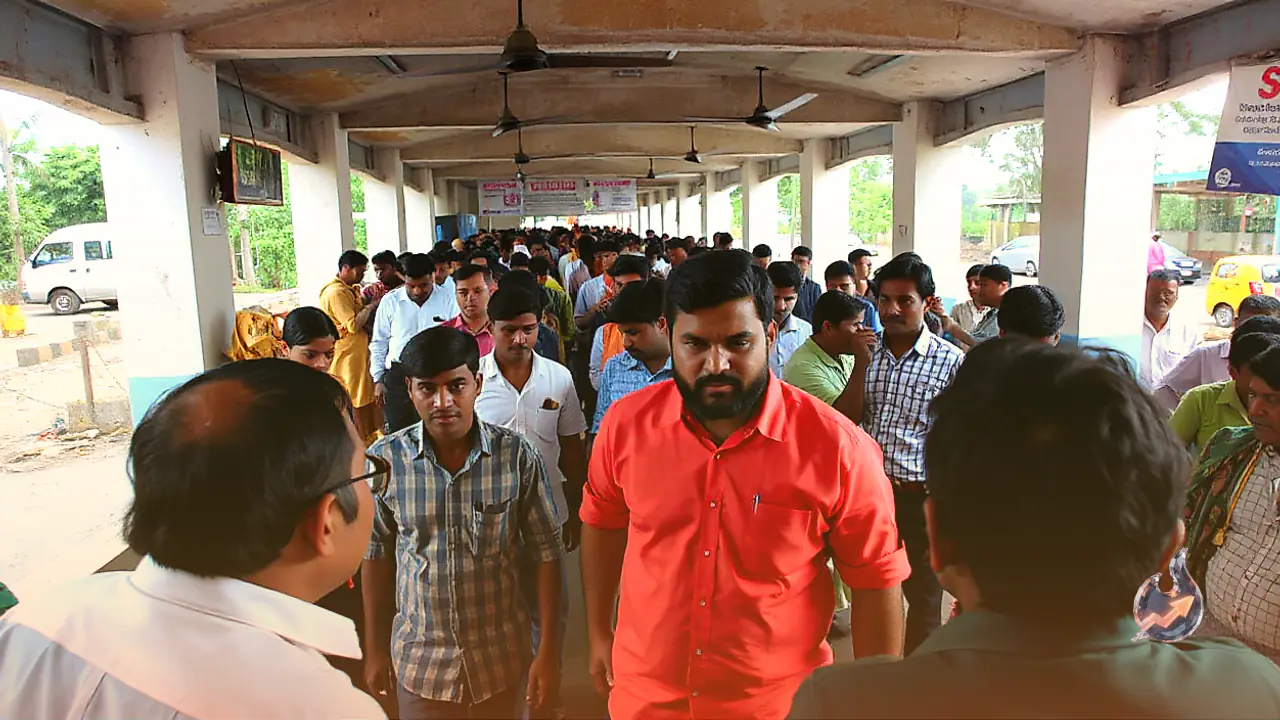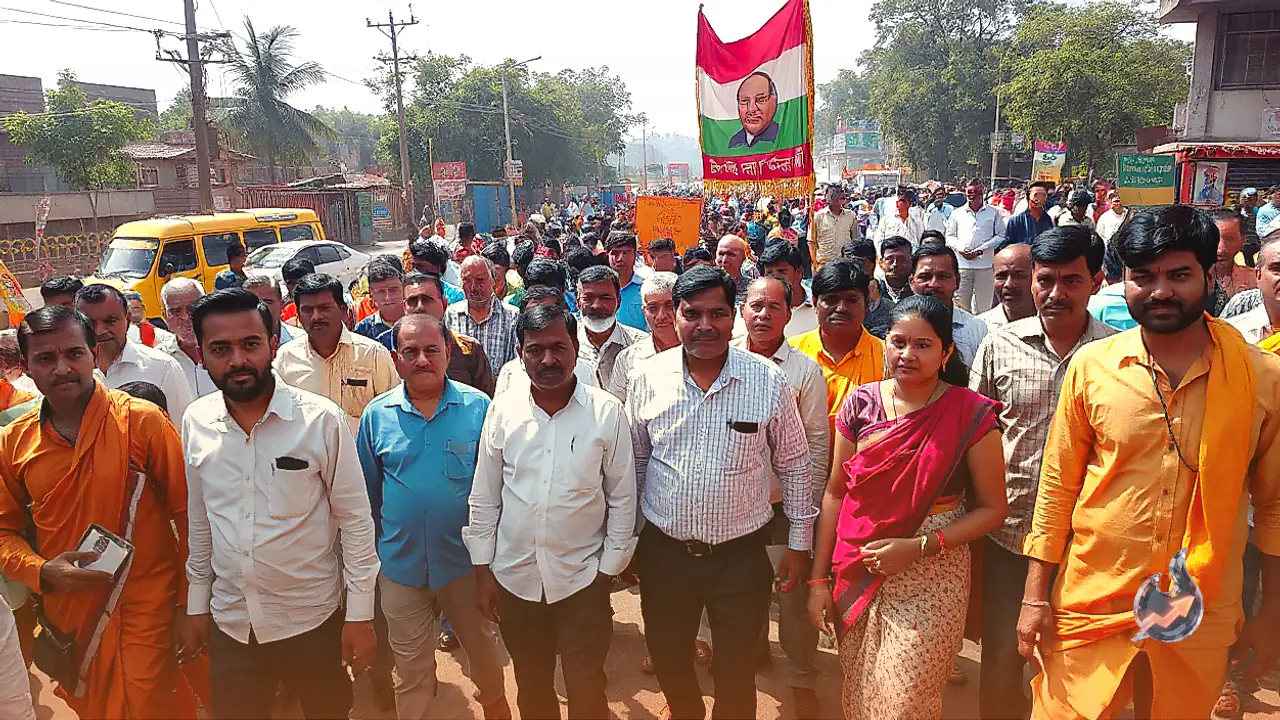
























Intensified immigration enforcement across the United States has produced an outcome starkly different from widespread expectations of voter retreat. In neighborhoods heavily impacted by operations from Immigration and Customs Enforcement, commonly known as ICE, residents are turning out in unprecedented numbers rather than withdrawing from public spaces. In southern Texas, Michael Mireles, a canvassing organizer working with the get-out-the-vote organization LUPE Votes, observed that local communities are not holding back out of worry that federal agents might appear at polling stations. Instead, strong dissatisfaction with aggressive enforcement measures has become a primary motivation propelling people toward the ballot box.
This surge carries significant political weight because many Latino neighborhoods had shown surprising backing for Donald Trump during the 2024 contest. Subsequent hard-line immigration policies have placed a heavy focus on these exact areas, pulling numerous law-abiding American citizens into broad enforcement nets. For several weeks, both the Department of Homeland Security and the presidential administration have insisted there are no intentions to station ICE personnel at voting locations on election day. Nevertheless, public comments and subtle suggestions from Donald Trump, DHS Secretary Markwayne Mullin, and Attorney General Todd Blanche have continuously raised concerns regarding potential deployments. Rather than intimidating eligible voters, the ongoing friction has sparked widespread resolve across these communities to show up in historic strength.
Early Voting Tallies Reveal Major Shifts Across States
Data from ballot processing centers firmly corroborates the observations made by field volunteers. Across the country, citizens are casting ballots at a far higher pace than during recent cycles. By Monday afternoon, total early votes exceeded 57 million, representing an increase of 10 million over the entire early voting volume recorded throughout the 2022 midterm elections. Findings compiled by the University of Florida Election Lab highlight that Latino voters are making up an expanded proportion of the overall electorate compared to past election cycles.
In Texas, the figures point to a substantial realignment among non-voters. Tom Bonier, a Democratic strategist serving as an adviser to data analytics firm TargetSmart, revealed during an interview that more than 400,000 individuals who sat out the 2024 elections have cast their ballots for the 2026 cycle. Remarkably, Latino voters represent 50 percent of that newly engaged group. TargetSmart's wider tracking shows that this momentum extends across state lines rather than remaining an isolated local phenomenon.
Nationwide tallies demonstrate that 3.8 million Hispanic and Latino voters had participated by October 27. When contrasted with the 2.35 million Hispanic and Latino early ballots logged by that same date during the 2022 midterms, the jump becomes unmistakable. Michael McDonald, director of the University of Florida Election Lab, noted in a recent assessment that Texas districts with dense Hispanic populations are demonstrating participation rates that outpace an already energetic statewide baseline. He explained that Texas Hispanics are casting ballots at elevated thresholds similar to trends currently unfolding in Florida, Georgia, and North Carolina.
Competitive Districts Face Significant Realignment
Information compiled by the League of United Latin American Citizens, the country's most prominent Latino civil rights organization, adds further granularity to these shifting dynamics. Their internal records indicate that in Texas' 15th congressional district, an area that encompasses sections of the Rio Grande Valley, over 12,000 individuals who previously stayed home have already submitted early ballots.
That specific volume carries massive electoral consequence. Incumbent Republican Representative Monica De La Cruz secured victory in the district back in 2022 by a margin of roughly 12,000 votes. An influx of thousands of fresh voters into this tight race has the clear potential to reshape the outcome of the contest.
Grassroots Organizers Choose Direct, Unvarnished Conversations
Behind the surge lies persistent organizing by numerous local coalitions that have spent months connecting directly with community members. Liliana Rivera Baiman, an organizer with 614 ICE Watch and the Ohio Good Neighbor Network, explained that field teams deliberately avoided downplaying the severity of federal actions or attempting to offer false reassurances. Field workers presented concrete examples of recent neighborhood enforcement and urged residents to make a clear calculation about their circumstances.
Organizers laid out the situation plainly: citizens could either cast their ballots to ensure their collective demands registered politically, or they could remain home and endure another two to three years, or possibly longer, under the exact same enforcement atmosphere. That straightforward choice proved compelling for thousands of families seeking relief.
Personal encounters with aggressive street enforcement have fundamentally reshaped community attitudes. Jill Garvey, executive director of States at the Core, an organization dedicated to countering political extremism and authoritarian practices, noted that individuals who witnessed severe enforcement actions firsthand recognize that advance planning is vital. Experiencing those traumatic disruptions directly has, paradoxically, reduced lingering dread among many residents. Because they have already weathered difficult confrontations, community members understand how quickly tensions can escalate and are approaching the ballot box with preparation rather than fear.
Field Reports from Arizona, Georgia, and Nevada
In Arizona, working-class households are being engaged by the grassroots group Living United for Change in Arizona. Representative César Fierros shared that volunteers recently reached thousands of doorsteps in a single week. During that outreach, 1,000 residents confirmed they had already voted early or submitted mail-in envelopes. Fierros emphasized that this responsiveness is an unprecedented indicator of community commitment, with voters affirming that despite looming risks, they intend to make their voices count.
A matching sentiment emerged from DeKalb County in Georgia, where teams from the Save America Movement engaged lines of citizens at early voting precincts. Mary Corcoran, the organization's cofounder and executive director, remarked that continuous streams of voters moved through the doors from opening until closing. Community members repeatedly told organizers that outside intimidation would not keep them from participating, showing an active refusal to be pushed aside from democratic processes.
In Nevada, where Secretary of State Cisco Aguilar is seeking reelection against Jim Marchant, an opponent known for challenging election integrity, public outreach has embraced direct, emotional candor. Aguilar stressed during public community forums that leaders must show genuine willingness to fight for working families if they expect citizens to show up at polling stations.
Suzanne Almeida, vice president of states at Common Cause, reinforced the view that public defiance carries democratic power. She argued that institutions would not erect barriers around the franchise if voting lacked genuine leverage, reminding citizens that while surrounding threats are serious, participating in collective civic decision-making brings real empowerment and joy.