






















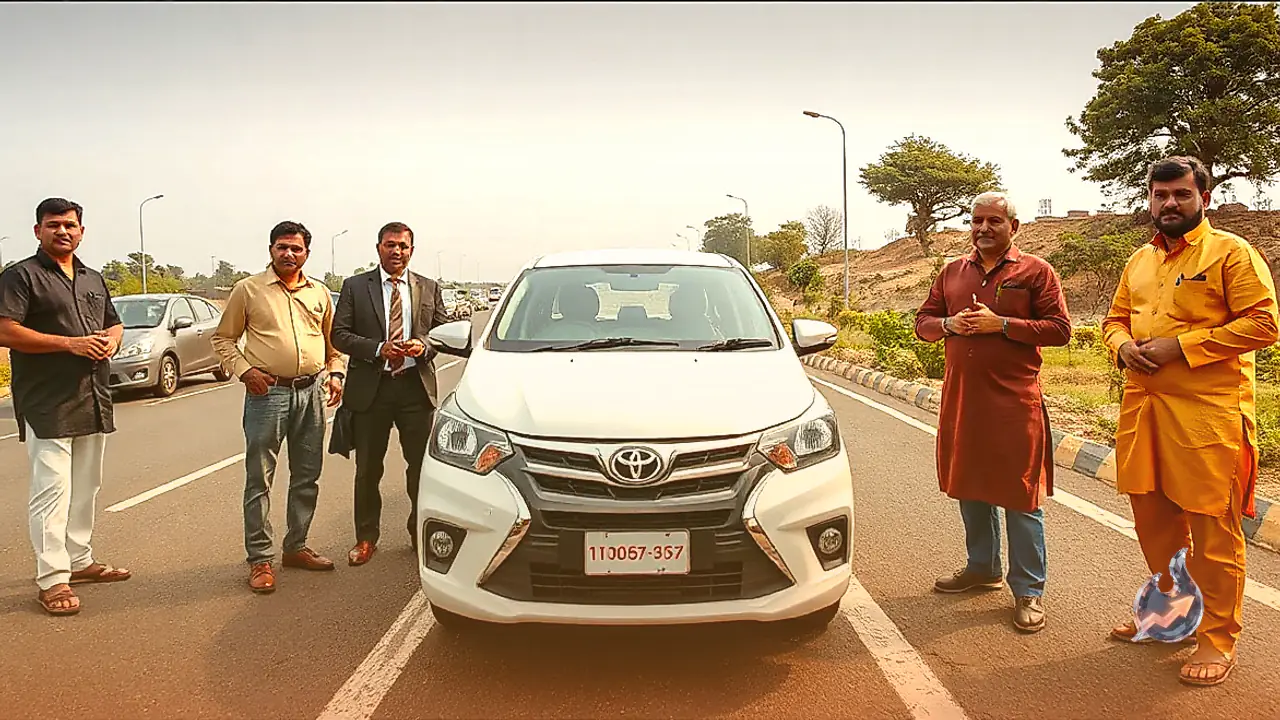

Toyota Motor Corporation is preparing to introduce an all-new flex-fuel edition of its popular Innova MPV later this month, marking a major milestone in India's shift toward alternative mobility fuels. Union Road Transport Minister Nitin Gadkari announced the development on Monday while addressing an industry gathering. The upcoming passenger vehicle will possess the capability to run entirely on E100 fuel, which consists of 100 percent ethanol. Emphasizing the urgent necessity of self-reliance across the domestic energy landscape, Gadkari pointed out that volatile crude oil markets driven by the conflict in West Asia and the war between Russia and Ukraine have escalated fossil fuel expenditures significantly. The minister further projected that electric vehicles will capture between 35 and 40 percent of total passenger car sales across the country by next year.
The Long-Term Potential of Green Hydrogen
Looking ahead at sustainable transportation alternatives, the Union Minister described green hydrogen as the fuel of tomorrow, expressing strong optimism that India can transform into a net exporter of clean hydrogen in the coming years. To establish the regulatory baseline for these advanced platforms, the Ministry of Road Transport and Highways notified key amendments to the Central Motor Vehicles Rules last month. These official updates formally sanctioned flex-fuel vehicles engineered to run on E100, effectively clearing the pathway for commercial automobiles powered almost completely by pure ethanol.
Strict Fuel Compatibility Restrictions for Conventional Engines
Addressing the technical implications of higher ethanol blends, a senior official from the Road Transport Ministry emphasized that fuel mixtures exceeding E20, which is petrol blended with 20 percent ethanol, up to E100 cannot be poured into standard automobile engines. Such high-concentration ethanol fuels are restricted exclusively to vehicles specifically manufactured, calibrated, and certified for that purpose. Conventional petrol vehicles as well as those compliant only up to E20 standards are strictly barred from using E85 or E100 fuel grades, as regular engines lack the metallurgical and operational adaptations required to process heavy alcohol blends.
Regulatory Adjustments and Maruti Suzuki's Earlier Milestone
Alongside the formal approval of pure ethanol powertrains, the transport ministry updated emission tables, vehicle test categories, technical definitions, and official fuel specifications. Furthermore, authorities raised the permissible gross vehicle weight limit for affected light petrol and diesel models from 3000 kg to 3500 kg to accommodate these technical transitions. India witnessed its initial passenger flex-fuel breakthrough in June of this year when Maruti Suzuki India unveiled the nation's first flex-fuel passenger car. That prototype was based on the Wagon R hatchback, configured to operate smoothly across any ethanol concentration ranging from E20 all the way to E100.