



















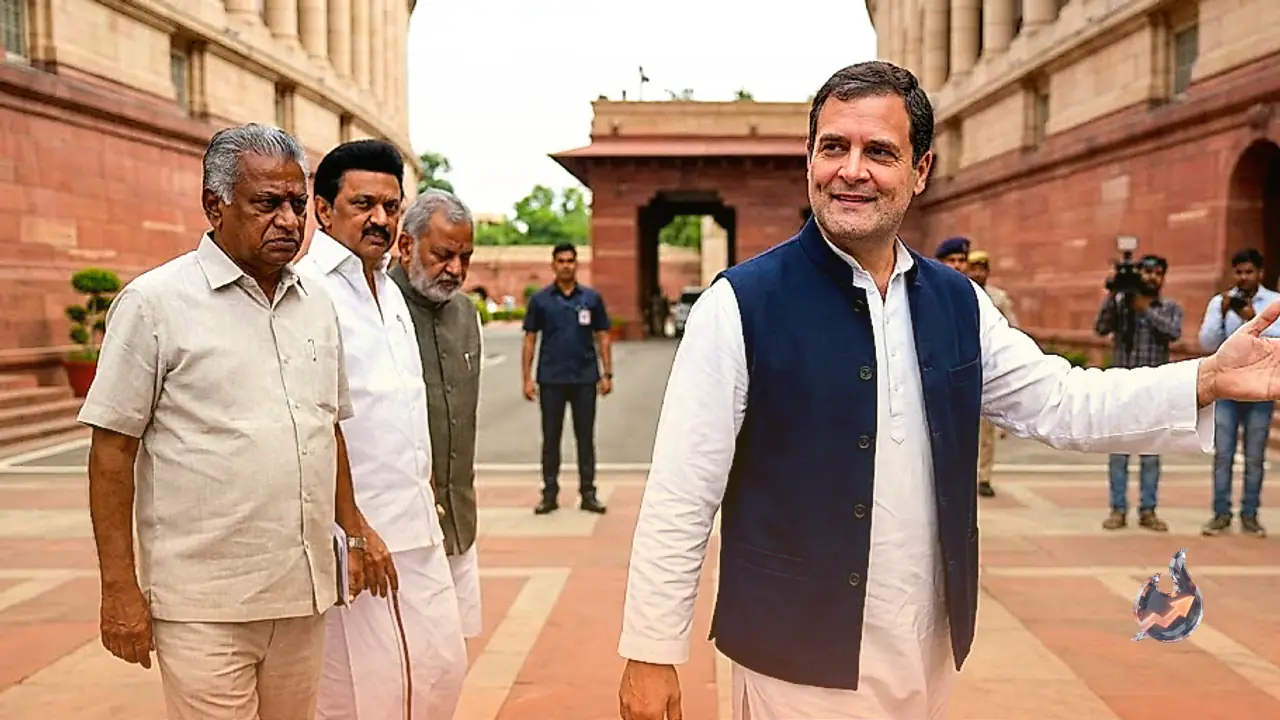

The Indian National Congress has recently emerged as a central topic of discussion in political circles due to its shifting working style and renewed enthusiasm. Across various parts of the country, its traditional alignment with regional parties is showing signs of strain. Buoyed by securing ninety-nine seats in the general elections, the party has experienced a notable surge in morale, accompanied by a much more assertive political posture. Local election results in several states have also provided the organization with additional momentum. Rather than accommodating regional partners, the party increasingly appears inclined to dictate terms independently, impacting broader national political equations as upcoming assembly elections draw nearer.
Friction in Traditional Regional Alliances
Having long relied on partnerships with regional forces to maintain its political footprint, Congress is now displaying a markedly different approach. Throughout the year twenty twenty-six, differences with several key allies have spilled out into the open. In the political landscape of Tamil Nadu, long-standing ties with the Dravida Munnetra Kazhagam have appeared strained, while new equations have begun taking shape with actor Vijay's political outfit, Tamizhaga Vetri Kazhagam. Similarly, in Jammu and Kashmir, ideological disagreements have surfaced with the National Conference over the singing of the national song. In Bihar, tensions have escalated with the Rashtriya Janata Dal concerning legislative council elections. Taken together, these developments raise pressing questions about whether this is merely short-term strategic pressure or a deliberate move by Congress to chart an independent course.
Winning ninety-nine seats in the twenty twenty-four general elections, a number that effectively reached one hundred with the support of independent lawmaker Pappu Yadav, served as a significant morale booster for Congress. Long characterized as a weakened and directionless organization, this outcome proved to be a political revival, particularly for Rahul Gandhi. His standing as the leader of the opposition was substantially reinforced, placing Congress back at the center of opposition coordination. Rahul Gandhi's frequent assertions that the party did not lose the twenty twenty-four mandate and has already secured the twenty twenty-nine contest have resonated deeply with grassroots workers. Improved performances in various local elections and bypolls have further convinced the leadership that reliance on regional allies can be reduced in favor of an independent stance.
Rahul Gandhi's Assertive Approach and New Energy
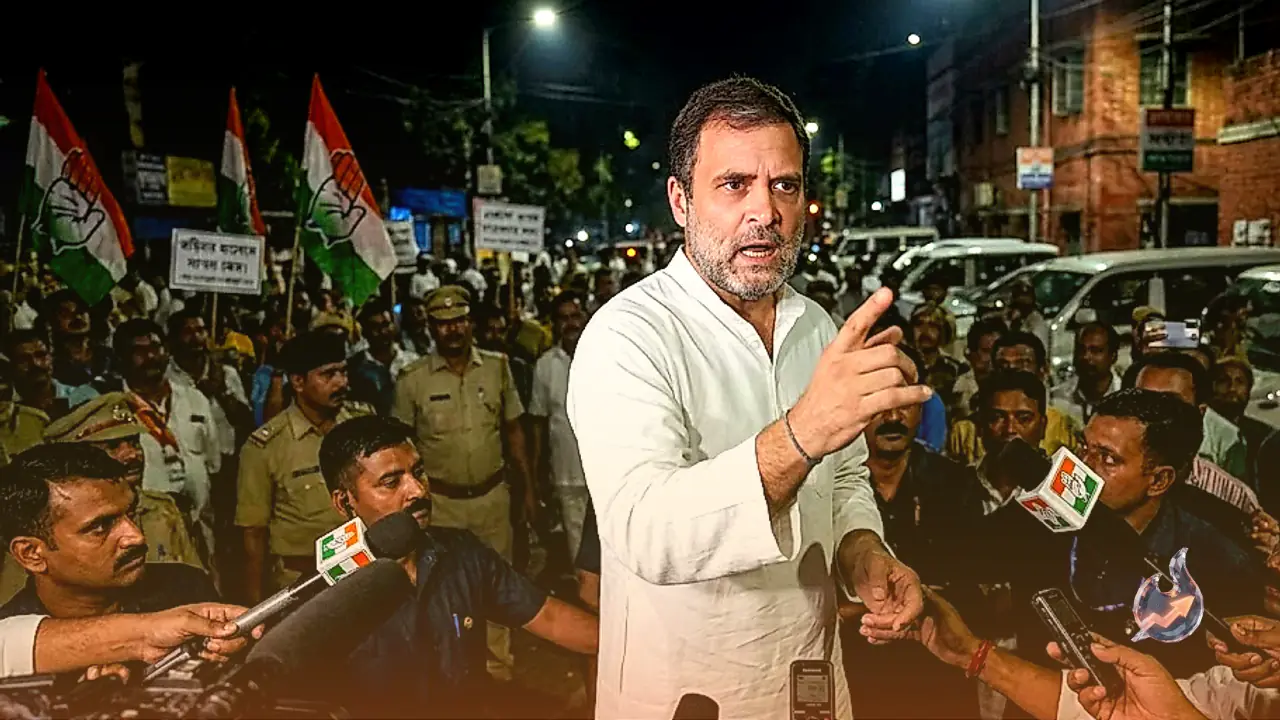
Rahul Gandhi has displayed a noticeably more aggressive posture in recent political engagements, maintaining relentless criticism of the ruling administration. His rhetoric has grown sharper across parliamentary debates, public rallies, and digital media platforms. Through direct engagement initiatives, he continues to connect directly with younger demographics, repeatedly challenging the government on economic concerns, institutional autonomy, unemployment, and inflation. On multiple occasions, he has suggested that the current leadership may not remain in power within the span of a year. This aggressive stance has injected fresh energy within party ranks, as workers perceive the leadership adopting an offensive rather than defensive strategy.
Shifting Dynamics in Tamil Nadu and Bihar
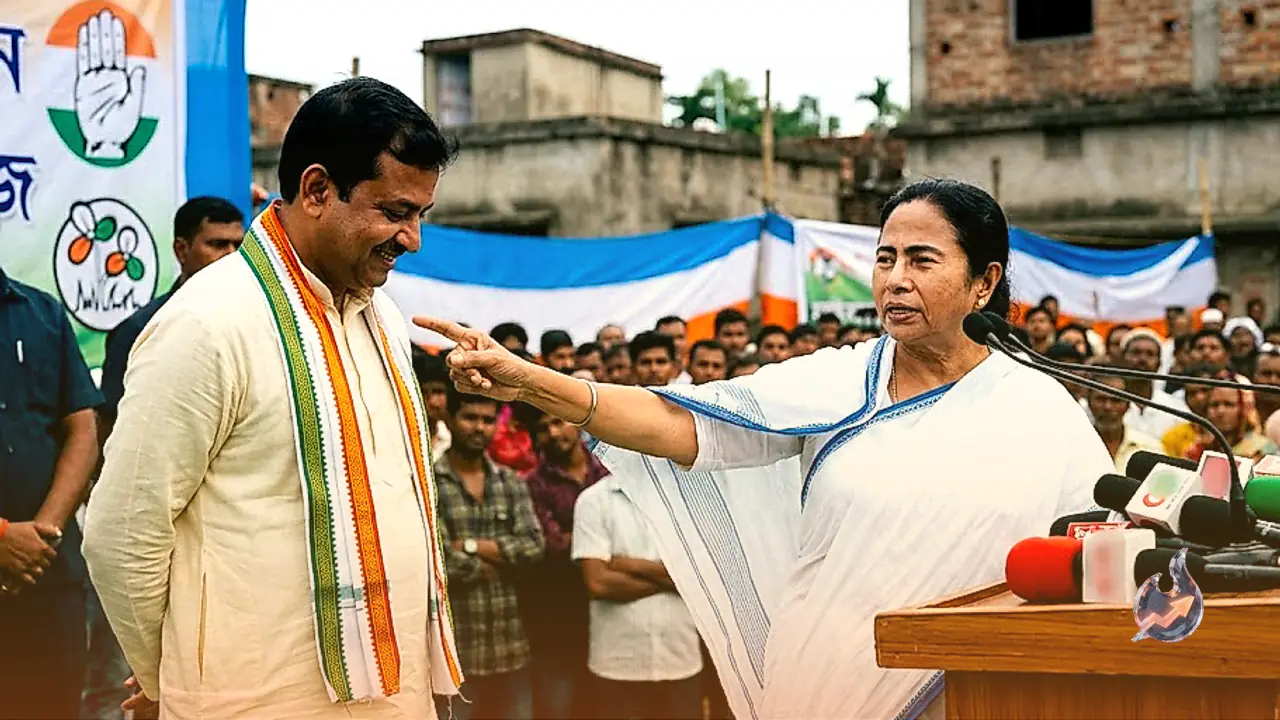
The alliance between Congress and DMK in Tamil Nadu spanned several decades, but upcoming electoral cycles have altered these dynamics. Emerging as a major political force under the leadership of actor Vijay, the TVK party became prominent. Lacking a majority, Congress opted to break years of association with DMK to extend support to TVK instead. This decision dealt a severe blow to DMK, prompting them to express dismay and distance themselves from the broader opposition bloc. While Congress argued the move was necessary to respect the mandate and ensure stability, political observers view it as a sign of shifting priorities where current power equations outweigh long-term partnerships. In Bihar, similarly long-standing ties with RJD have faced renewed strain over upcoming legislative council elections across graduate and teacher constituencies, where RJD announced candidates unilaterally, leading Congress to question the continued viability of the alliance.
Ideological Friction in Jammu and Kashmir
While Congress and the National Conference share governance responsibilities in Jammu and Kashmir, differing stances emerged over the singing of Vande Mataram during a public event in Srinagar. Congress raised objections to the full rendition of the song, citing its organizational stance that only the initial two stanzas should be performed according to the nineteen thirty-seven resolution. The National Conference viewed this as an attempt to impose viewpoints. As the full anthem was sung in the presence of Omar Abdullah and Farooq Abdullah, senior party leadership urged allies to respect established positions, highlighting underlying ideological differences within the opposition alliance.