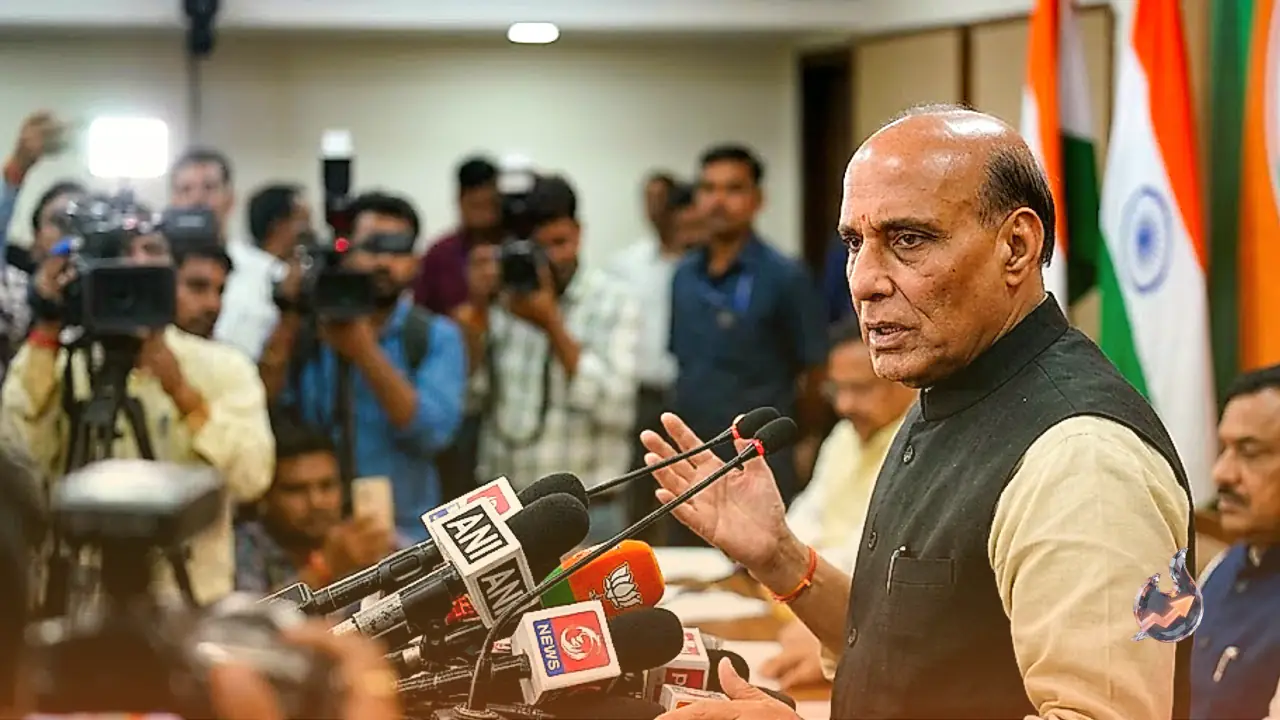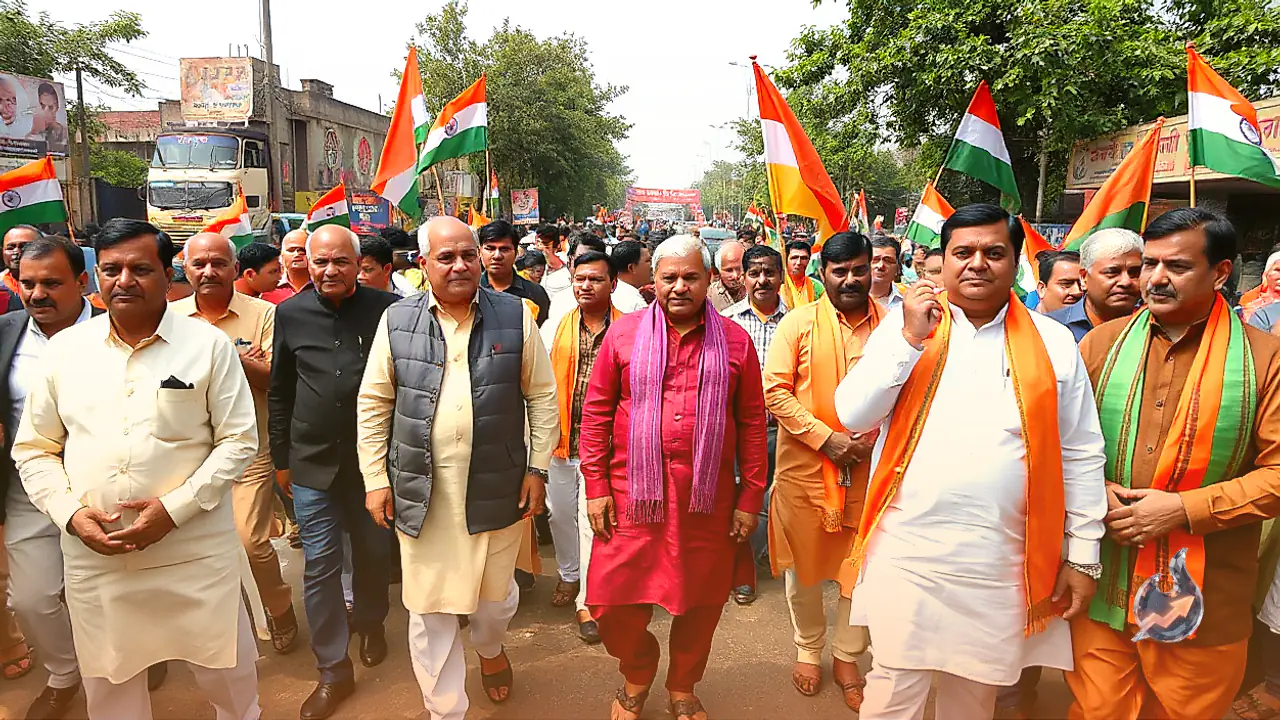























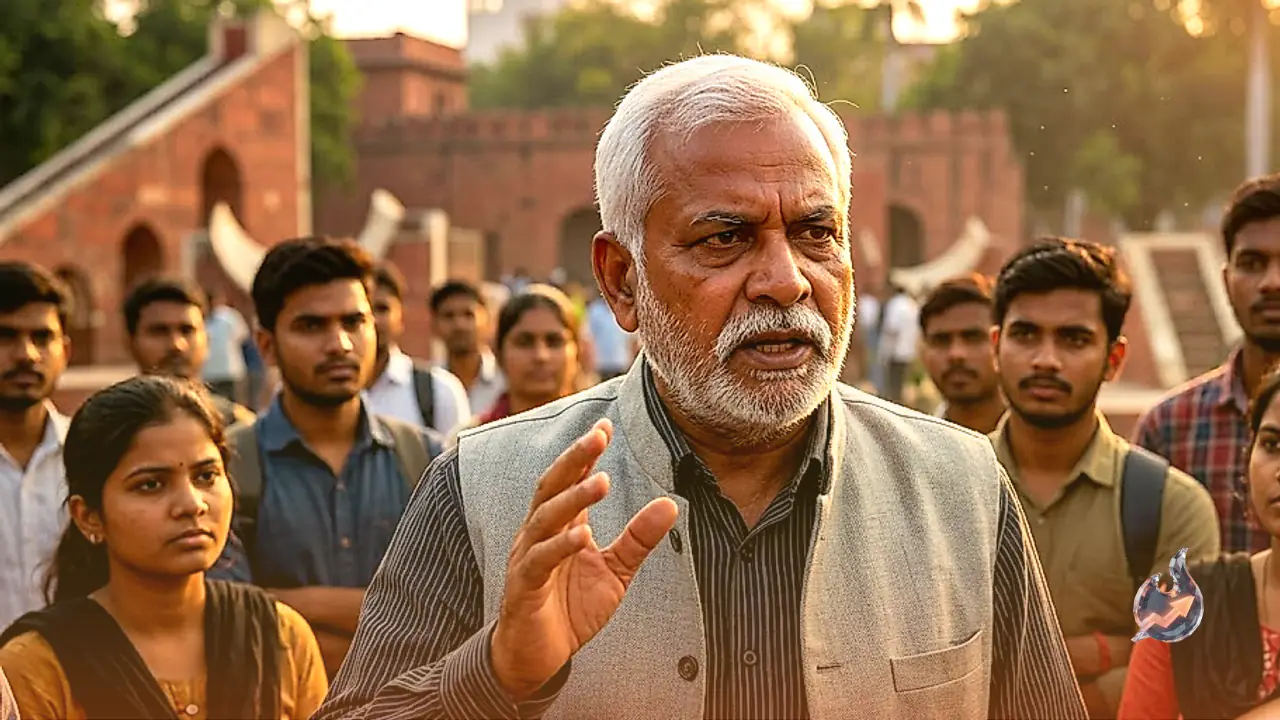

Senior Rashtriya Janata Dal (RJD) leader Shivanand Tiwari has offered a comprehensive analysis of the rapidly expanding youth agitation sweeping across the country. Sharing his views through a detailed post on the social media platform Facebook, the veteran politician dismissed the notion that the nationwide demonstrations are merely a spontaneous reaction to a recent, isolated event. Instead, he described the massive uprising as the sudden explosion of deep-rooted frustration that has been quietly simmering within the public for years. He noted that the initial spark, which was ignited at Jantar Mantar, has now transformed into a massive inferno of dissent, drawing in millions of young men and women from every corner of the nation to raise their voices.
The Supreme Court Remark and the Nationwide Expansion
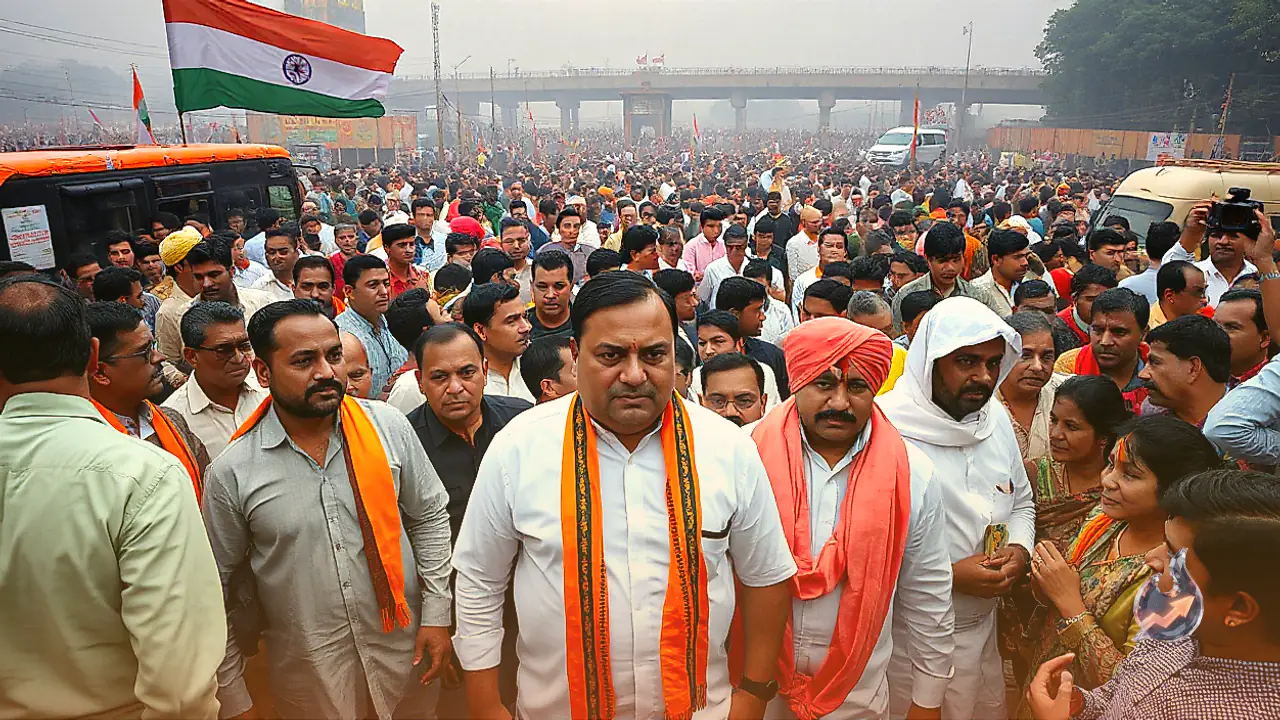
Delving into the origins of this massive public movement, the RJD leader expressed a sense of astonishment at how events unfolded. He pointed out that hardly anyone could have predicted that a single observation made by the Chief Justice of the Supreme Court would snowball into such a formidable force. Following that specific judicial remark, the youth quickly organized themselves, forming a cohesive unit that spearheaded a highly militant and determined campaign. What began at the historic protest grounds of Jantar Mantar in the national capital has long bypassed city limits and state borders. The agitation has now established a strong presence nationwide, with massive crowds of young protesters ensuring active and relentless participation across various regions. It has evolved from a sudden gathering into a well-coordinated national crusade for justice.
High Female Participation and a Message of Safety
One of the most remarkable aspects of these ongoing events, as prominently highlighted by Tiwari, is the demographic composition of the crowds, particularly the heavy involvement of women. He observed that a significant number of young women are participating in the demonstrations with immense energy and dedication. More importantly, these female protesters are openly acknowledging that they feel entirely safe and secure while being surrounded by such enormous crowds. From a sociological standpoint, Tiwari views this as an incredibly powerful and positive message. Large-scale public protests often raise concerns regarding safety and crowd control, yet this particular youth-led movement has fostered an environment of strict discipline and mutual respect, allowing women to stand up for their rights without the fear of harassment or intimidation.
Economic Inequality, Inflation, and Criticism of Policies
Diving deeper into the fundamental causes fueling the unrest, Tiwari launched a scathing attack on the ruling dispensation. He firmly believes that this level of public fury did not materialize overnight but is the culmination of years of mounting dissatisfaction. Directly targeting the administration led by Prime Minister Narendra Modi, he accused the government of enacting policies that actively harm the interests of the impoverished masses. He stated that a strong perception has taken root among a large section of society that the current regime exclusively prioritizes the welfare of major industrialists and affluent capitalist conglomerates. This alleged pro-corporate bias has accelerated the widening of the wealth gap, pushing ordinary citizens further into financial distress. Furthermore, the systematic neglect of farmers, tribal communities, and vulnerable groups, combined with crushing inflation and a severe crisis of youth unemployment, has acted as the catalyst for this volcanic eruption of public anger.
One-Way Communication and the Illusion of Media Control
Questioning the operational style of those in power, Tiwari argued that the government had fallen victim to its own deep-seated delusions. He suggested that the ruling authorities mistakenly believed they could permanently maintain control over the masses by forcing their own narratives, largely through one-way communication channels like Mann Ki Baat, without ever stopping to listen to the actual grievances of the youth. According to his analysis, the government utilized mainstream media as a massive propaganda machinery to keep the general public under a spell of hypnotic compliance. The underlying assumption was that citizens would passively accept whatever decisions the government made. However, the sheer volume of young people pouring onto the streets has completely shattered that illusion. It serves as undeniable proof that in a functioning democracy, when discontent reaches its boiling point, the public will always find a way to make itself heard, bypassing all mechanisms of narrative control.
Political Scramble and a Historic Leaderless Surge
As the movement continues to gain momentum, the political landscape is witnessing intense turbulence. According to Tiwari, the protests have reached a point where they appear completely unstoppable. Recognizing the sheer power of this demographic surge, almost every political party in the country is now desperately attempting to align itself with the youth. There is an ongoing, fierce competition among politicians to see who can project the strongest solidarity with the agitators, with each party adopting its own unique style to woo the crowds. However, the most defining characteristic of this uprising is its lack of a centralized command structure. Tiwari drew parallels with the historic student movement of 1974 but noted a critical difference. While the 1974 agitation was guided by universally accepted leadership, the current wave has no single face leading the charge. Although various social activists are extending their support from different platforms, including renowned figure Sonam Wangchuk, who undertook a fast to back the youth, the movement refuses to be co-opted. Tiwari emphasized that this struggle belongs exclusively to the millions of young people on the streets, rather than any individual leader.
Demands for Resignation and the Path Ahead
Assessing the future trajectory of the agitation, Tiwari's outlook remains stark. He is convinced that until the core demands of the youth are addressed and fulfilled, there is absolutely no possibility of the massive crowds dispersing. Among the primary conditions set forth by the protesters is the immediate resignation of Union Education Minister Dharmendra Pradhan, reflecting the deep anger over systemic failures in the education and employment sectors. However, Tiwari also offered a sobering warning: even if the specific demand for the Union Minister's resignation is met, it might not be enough to quell the widespread outrage. The anger that has been suppressed for years has now found an outlet, moving in a direction where retreating without securing substantial, systemic change seems highly improbable.