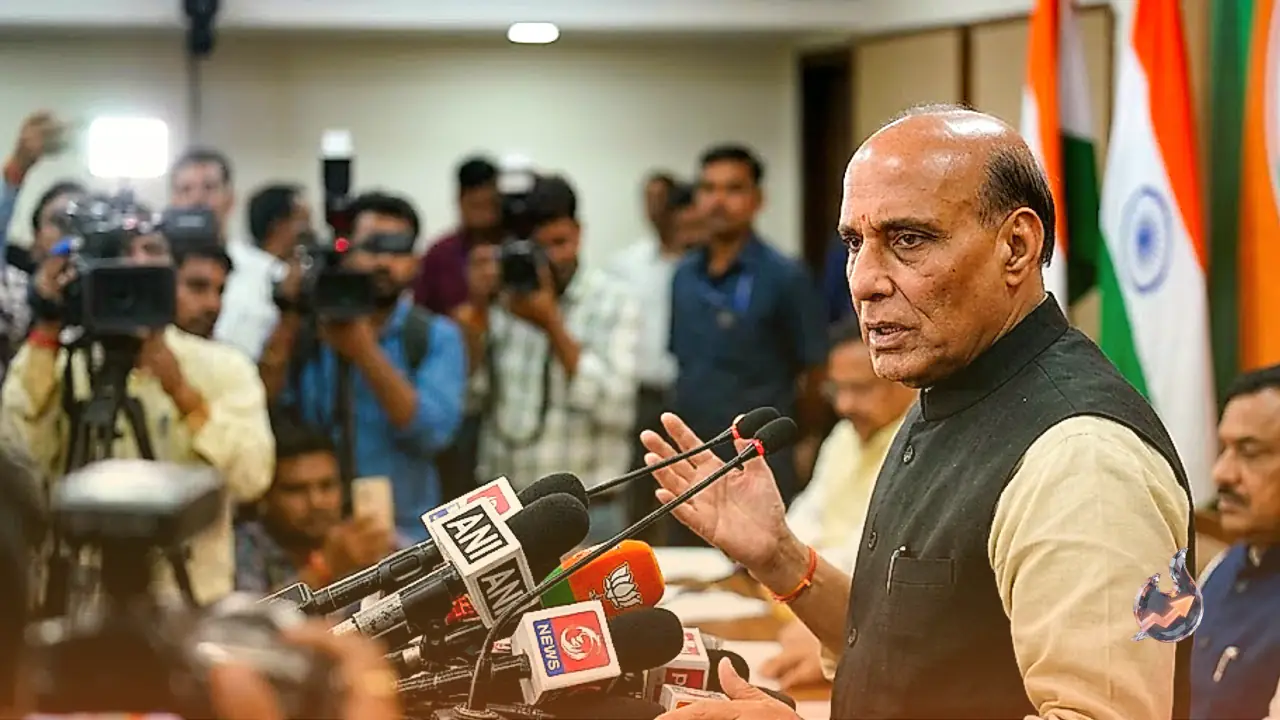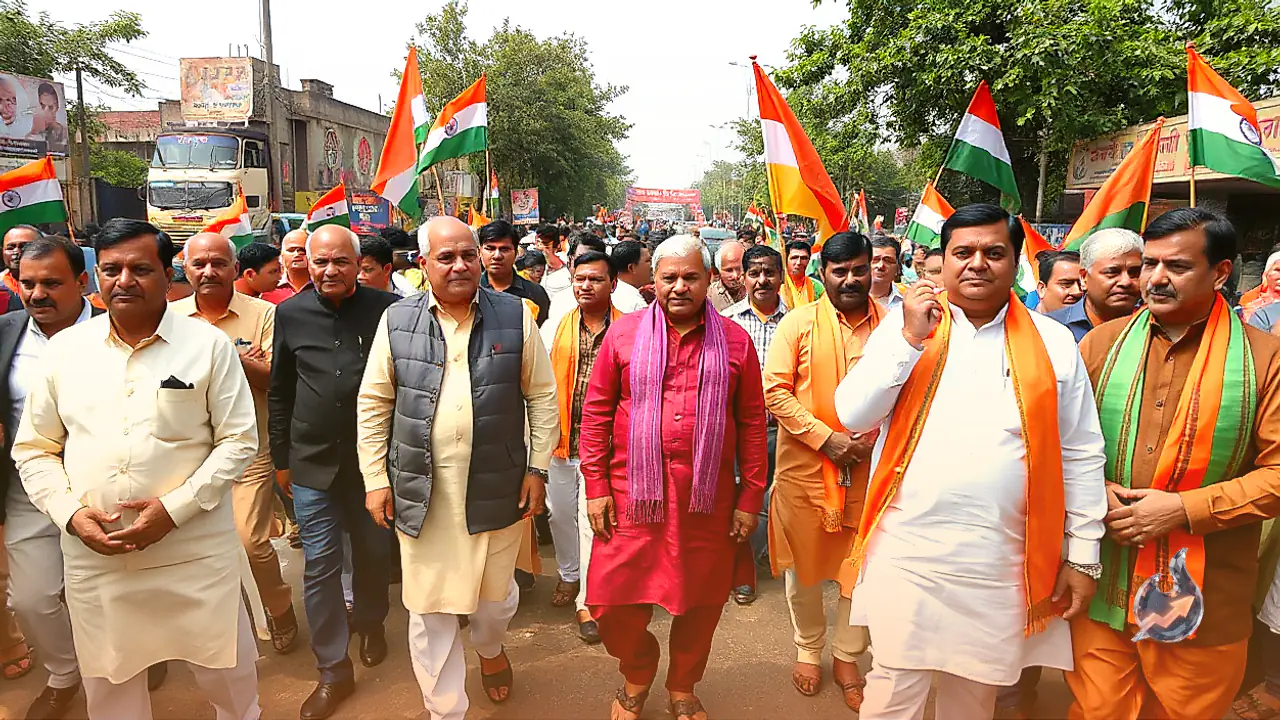















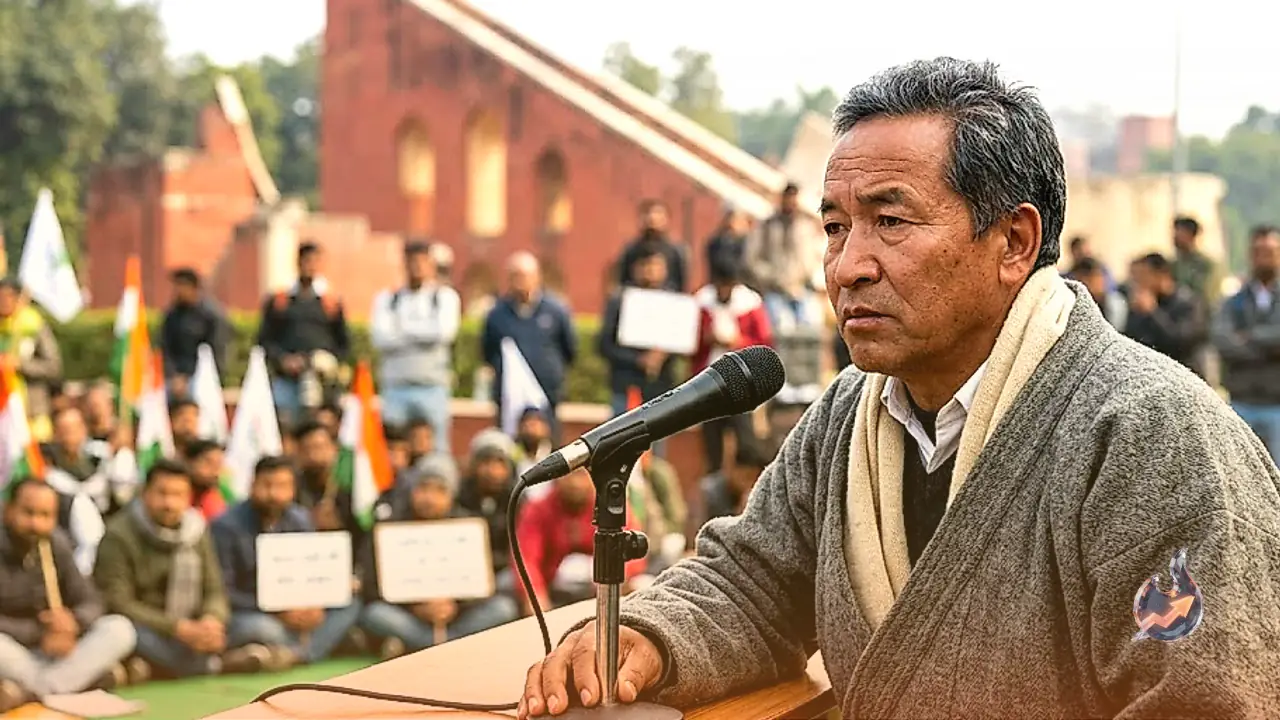

Behind the scenes of the 45-day agitation at Delhi's Jantar Mantar that rattled political corridors, deep internal doubts plagued the leadership according to new revelations. Social activist and prominent face of the student protests, Sonam Wangchuk, stated in an interview that the movement appeared far more resolute from the outside than it actually felt from within. According to Wangchuk, while public enthusiasm was palpable during the initial days, crowd numbers began dwindling after about eight or nine days, directly impacting the morale of the young organizers. The situation deteriorated to the point where certain leaders allegedly began desperately searching for an exit strategy to quietly pull out of the movement.
Podcasting the inner details
Wangchuk made these revelations during an extensive, nearly two-hour podcast hosted by YouTuber Prakhar Gupta. The interview surfaced on August 29, shedding light on the internal struggles and shifting dynamics of the high-profile protest. Wangchuk disclosed that one or two members of the organizing group repeatedly raised questions about how to gracefully terminate the demonstrations. Although he chose not to name anyone specifically, he maintained that figures within the core leadership approached him to explore ways of winding down the campaign.
Leaders begged for an exit
According to Wangchuk, a moment arrived when some leaders literally joined their hands in front of him and pleaded to leave the site. They confessed their desire to exit the protest entirely and escape the mounting pressure. This disclosure by Wangchuk is significant because the public messaging from the stage had consistently projected an image of unwavering stubbornness, assuring supporters that the leadership would never compromise on its demands.
Declining crowds crushed morale
Connecting the internal crisis directly to fluctuating attendance, Wangchuk explained that the constant influx and outflow of people dictated the mood of the organizers. Large crowds gathered in the beginning, but numbers plummeted after a week, dragging down the enthusiasm of those at the helm. Wangchuk noted that the political mindset of the leadership also played a role in steering the direction and altering the momentum of the protest. Leading up to the parliament march on July 20, the outlook was particularly bleak, with organizers fearing the agitation would yield zero tangible results.
Options discussed including Rahul Gandhi
Wangchuk claimed that various exit options were debated when the leadership contemplated calling off the fast, and the name of Lok Sabha Leader of Opposition Rahul Gandhi entered those discussions. The deliberations focused on how his hunger strike could be brought to a close, bringing Gandhi into the conversational context. Wangchuk presented these details purely as accounts of his personal experience and the conversations that transpired during the peak of the agitation.
The turning point of the July 20 Parliament March
The entire trajectory of the movement shifted dramatically following the July 20 parliament march, according to Wangchuk. Violence during the march and subsequent police action injected a sudden burst of energy back into the campaign. Just prior to this, police had forcefully removed Wangchuk from the protest venue and taken him to a hospital on July 18, following which he had urged citizens to join the parliament march in massive numbers. This sequence of events revived the campaign and galvanized the demoralized leadership.
Wangchuk also revealed that he was not originally slated to join the protest from its inception. When the organizers decided to escalate their campaign into a full-fledged demonstration on June 20, they sought his backing and warned him that participation might entail a hunger strike. Since a science conference in Switzerland was already fixed on his calendar, Wangchuk informed the leaders that he could only join by June 28, though they were free to launch their protest on June 20. The leadership was initially surprised, having expected his presence from day one. Wangchuk eventually arrived at the protest site on June 28, observed the young leadership manage things for the first eight days, and subsequently commenced his fast.