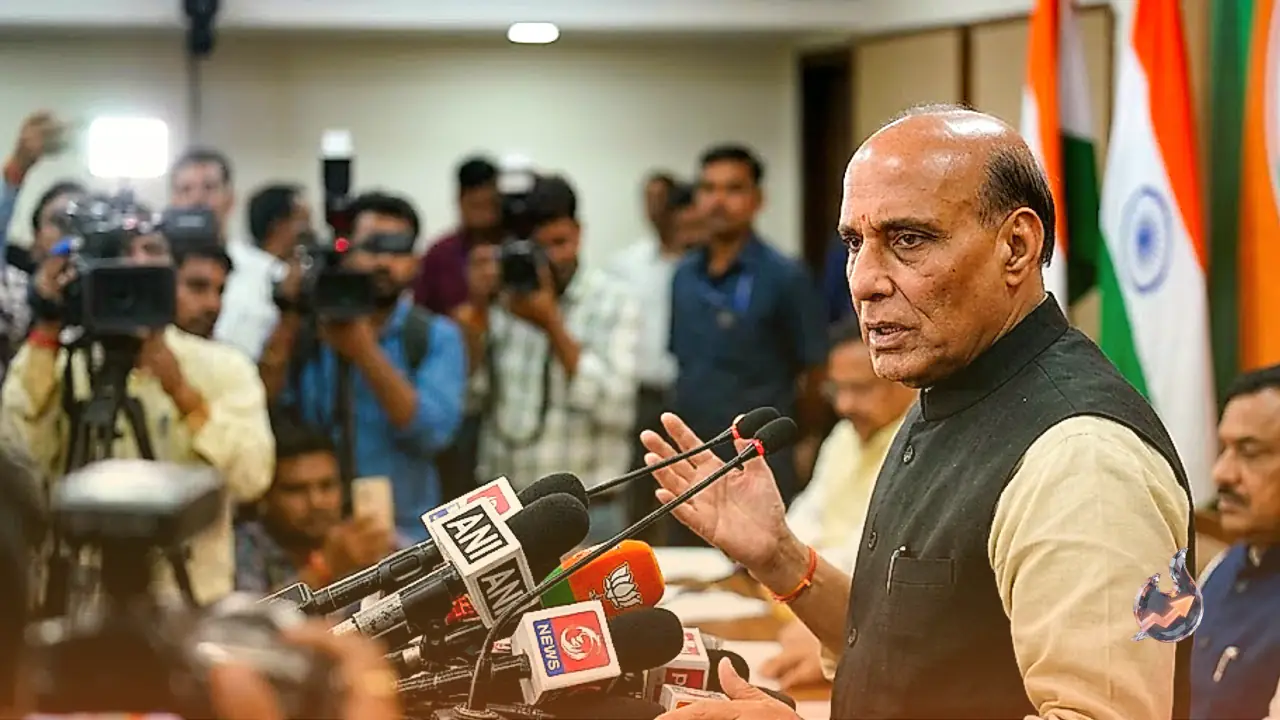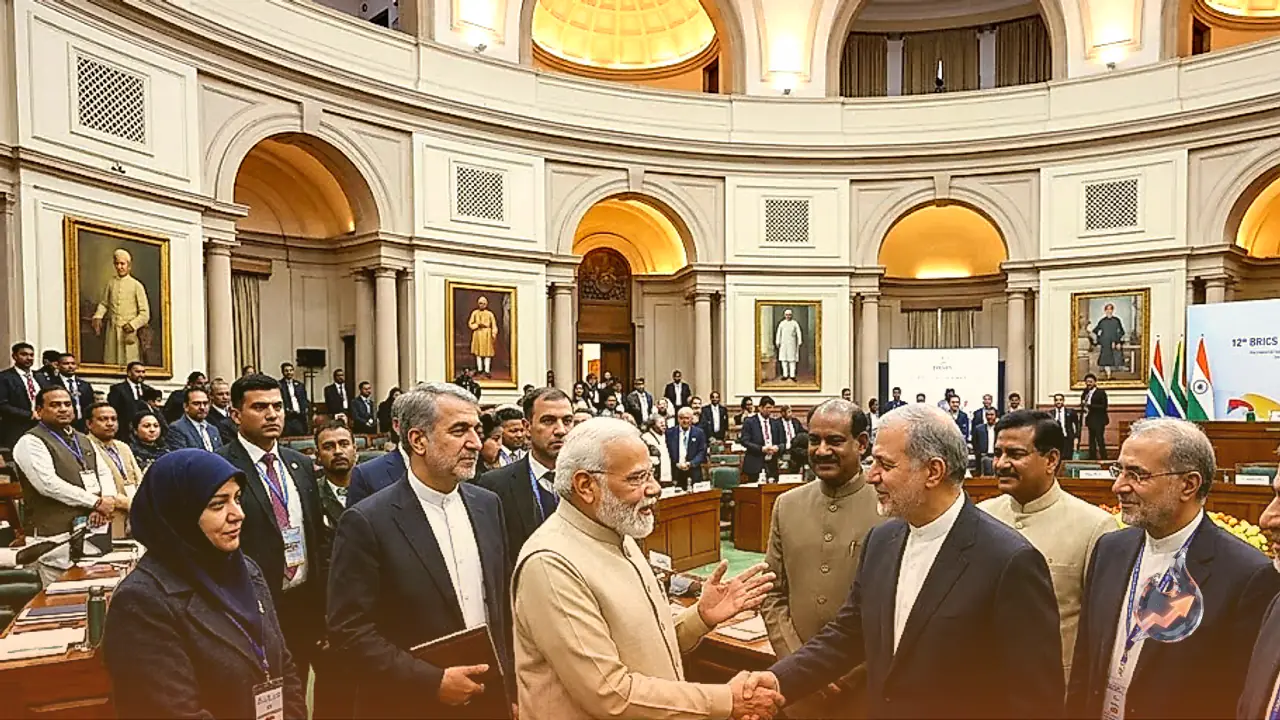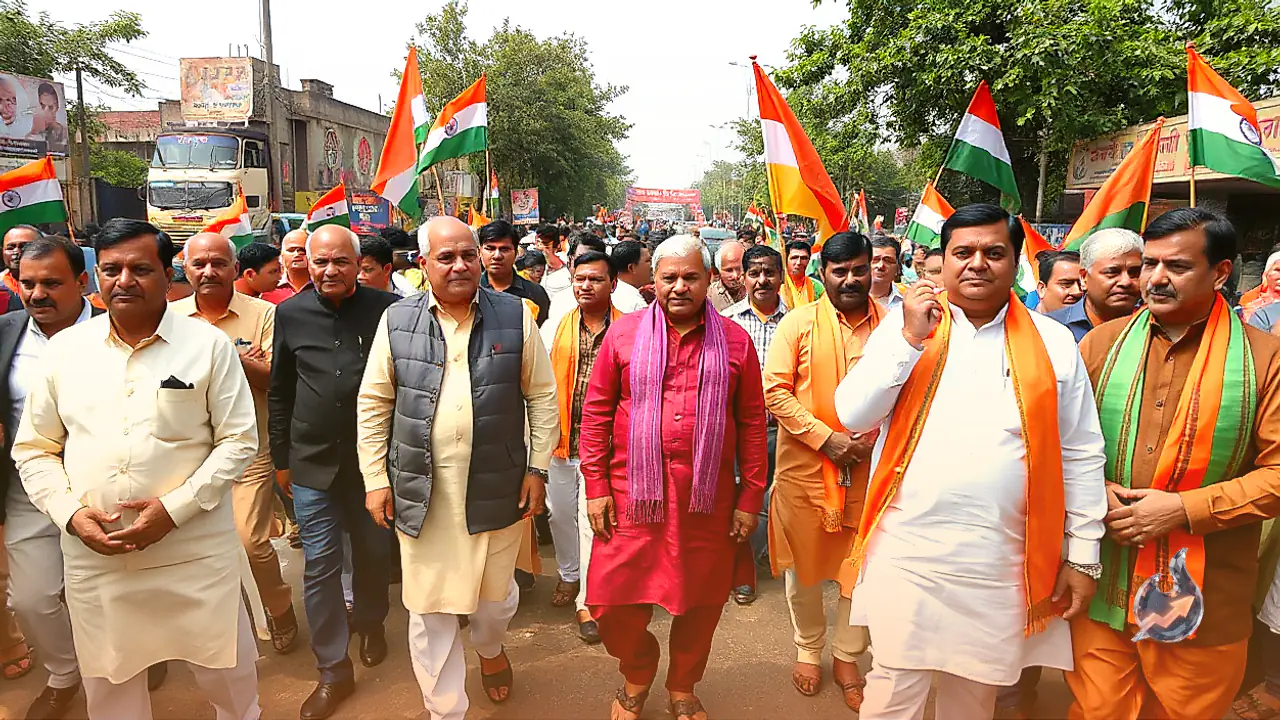




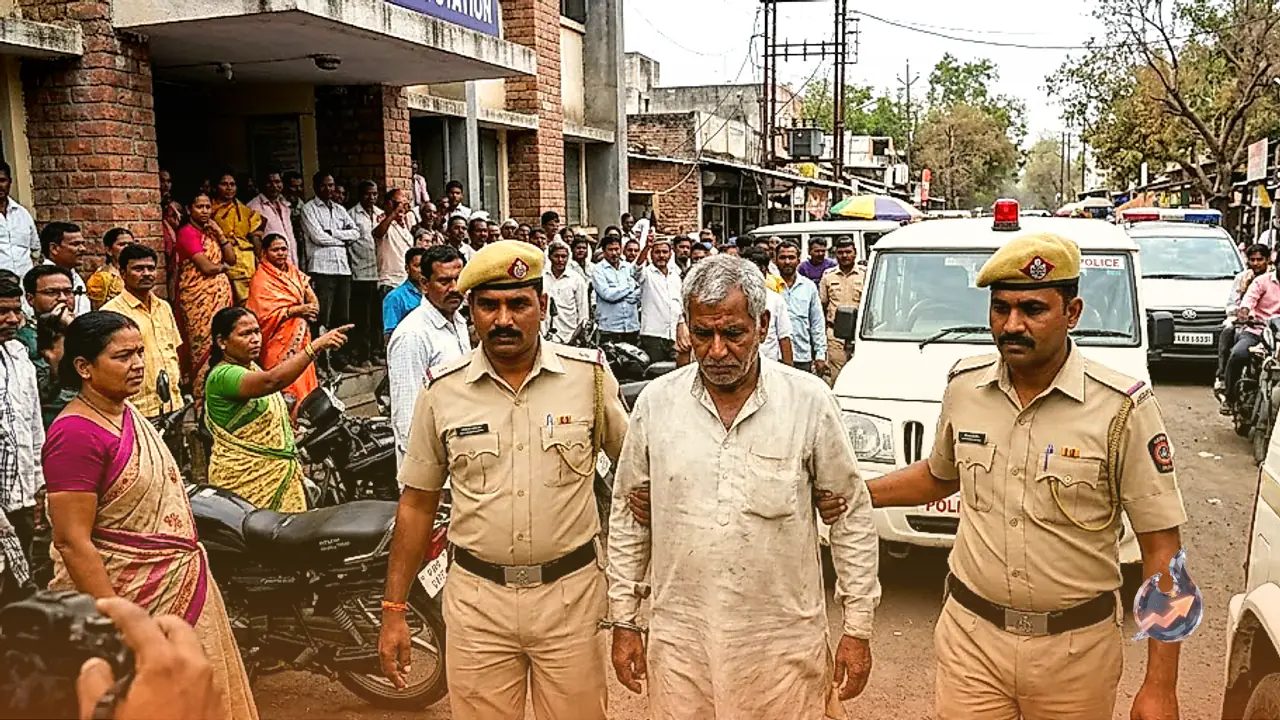
















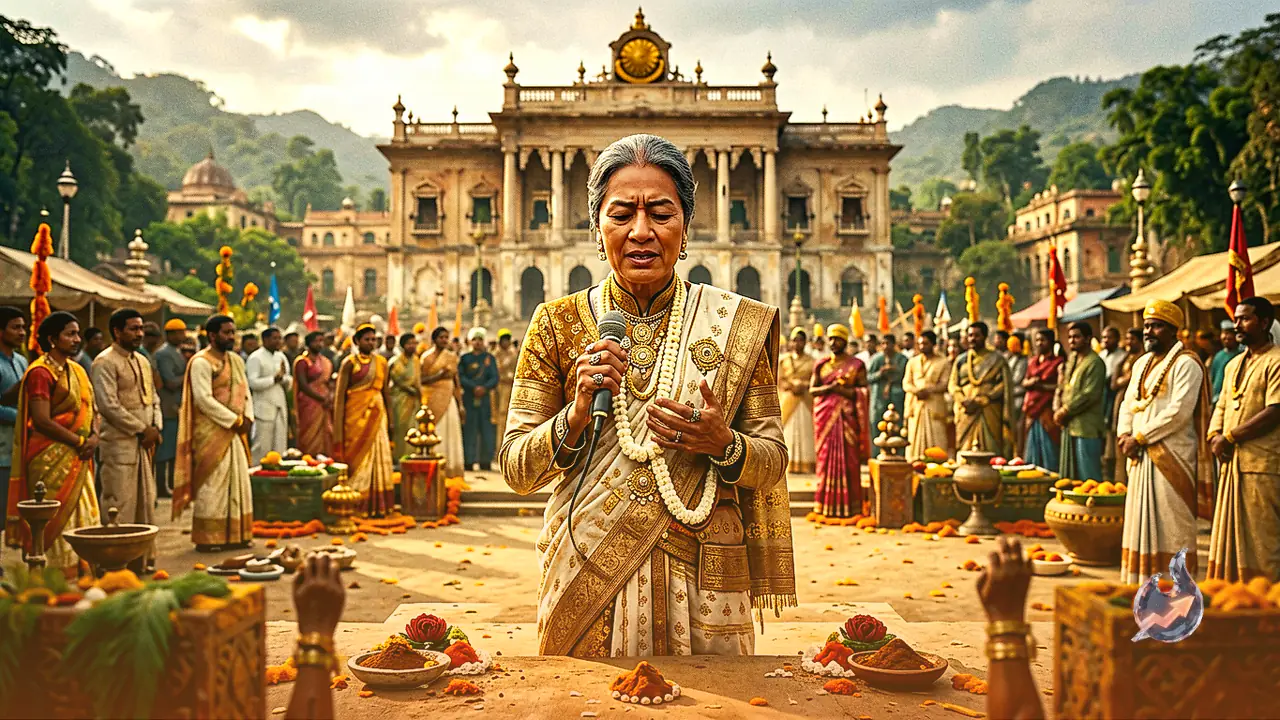

A major political controversy has erupted following an incident at the All India Congress Committee headquarters during Independence Day celebrations, where the full recitation of the national song 'Vande Mataram' was allegedly interrupted. Sumitro Chatterjee, a Bharatiya Janata Party legislator representing the Naihati assembly constituency in North 24 Parganas district and a direct descendant of Bankim Chandra Chattopadhyay, has addressed a formal letter to Congress Parliamentary Party Chairperson Sonia Gandhi expressing profound grief. In his communication, Chatterjee demanded an unconditional public apology to the people of India, particularly the citizens of West Bengal, for what he termed a severe disrespect toward Bankim Chandra Chattopadhyay's revered composition.
Allegations Over Events at Congress Headquarters
In his letter, Sumitro Chatterjee emphasized that at a moment when the entire nation was engaged in honoring the motherland on Independence Day, the developments at the All India Congress Committee headquarters were not merely unfortunate but represented a brazen repetition of a historical misstep. He stated that as party workers were performing the complete version of 'Vande Mataram', Sonia Gandhi displayed visible discomfort and annoyance, making repeated attempts to halt the rendition. Chatterjee noted that as a patriotic citizen, a devout Indian, and above all a direct descendant of Rishi Bankim Chandra Chattopadhyay, he felt compelled to express his deep sorrow, angst, and sense of emptiness regarding the incident.
Spiritual Essence and Revolutionary Legacy
Highlighting the historical and spiritual significance of the anthem, Chatterjee invoked the words of Sri Aurobindo, who described the song as a sacred mantra capable of converting an entire nation to the religion of patriotism in a single day. Aurobindo had asserted that 'Vande Mataram' was not merely a set of words, but a living creed of nationalism. Chatterjee pointed out that inspired by this powerful invocation, brave revolutionaries such as Khudiram Bose willingly embraced martyrdom with smiles on their faces. He argued that displaying intolerance toward the full recitation of this historic mantra on the soil of independent India constitutes a grave insult to the supreme sacrifices of millions of freedom fighters.
Role in Bengal Partition and the Swadeshi Movement
Reflecting on the song's pivotal role during the freedom struggle, the letter cited nationalist leader Bipin Chandra Pal, who had documented how 'Vande Mataram' became the battle cry on the lips of every freedom activist following the 1905 partition of Bengal. During that era, the principles of 'Swadeshi', 'Boycott', and 'Vande Mataram' emerged as living synonyms for the independence movement, uniting people across diverse backgrounds against colonial rule.
Historical Milestones Associated with Vande Mataram
To underscore the song's integral connection with the Indian National Congress itself, Sumitro Chatterjee listed several landmark historic occasions. He recalled that Rabindranath Tagore sang 'Vande Mataram' at the 1896 Calcutta session of the Indian National Congress, praising the magical quality of its words to break down barriers and touch human hearts. Furthermore, Sarala Devi Chaudhurani performed the complete song at the 1905 Banaras Congress session. In 1909, during Bal Gangadhar Tilak's sedition trial, passionate supporters rendered the song outside the courtroom. Later, in 1938, the song served as the focal banner for the nationalist student movement at Osmania University. Chatterjee concluded that disrespecting a song woven so deeply into India's national awakening is deeply agonizing.