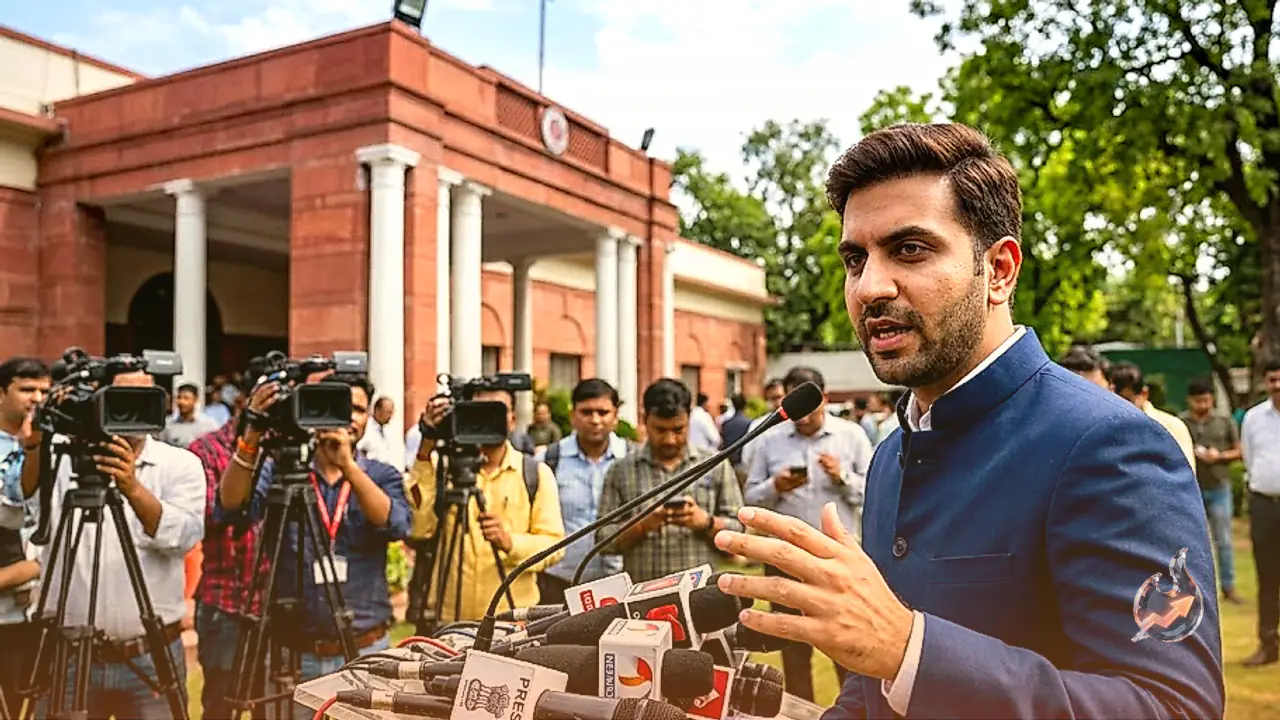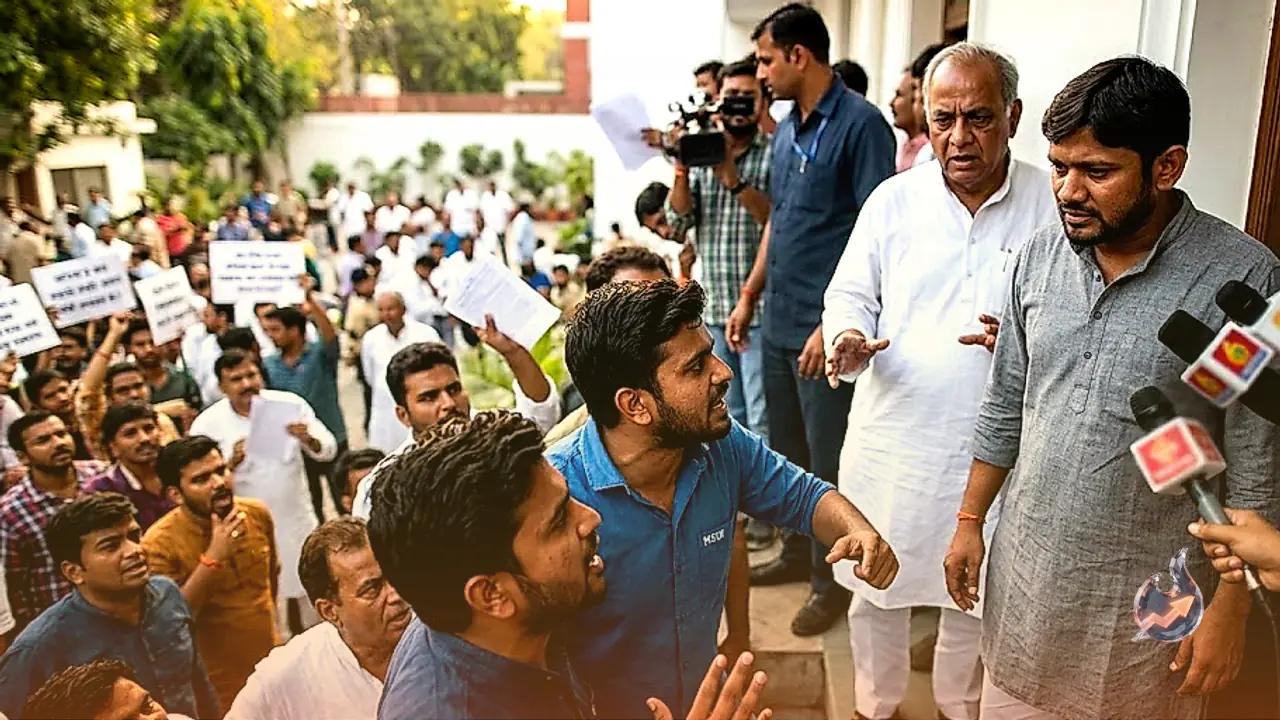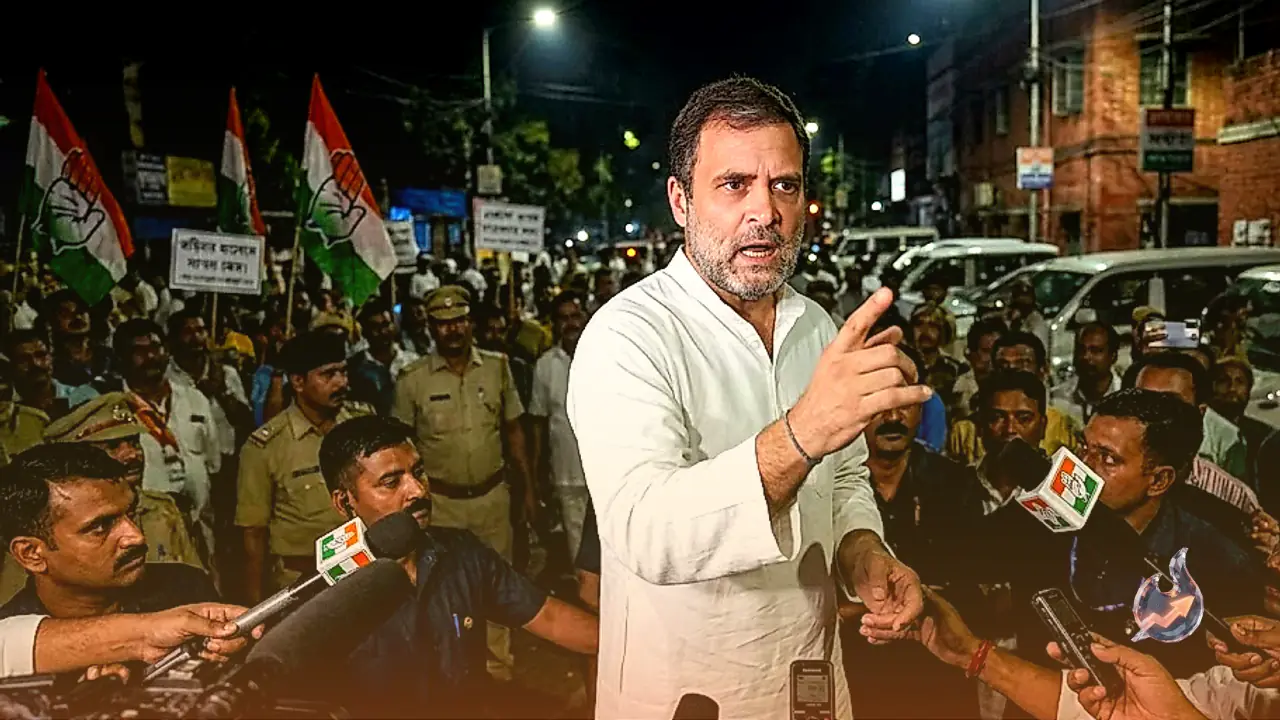




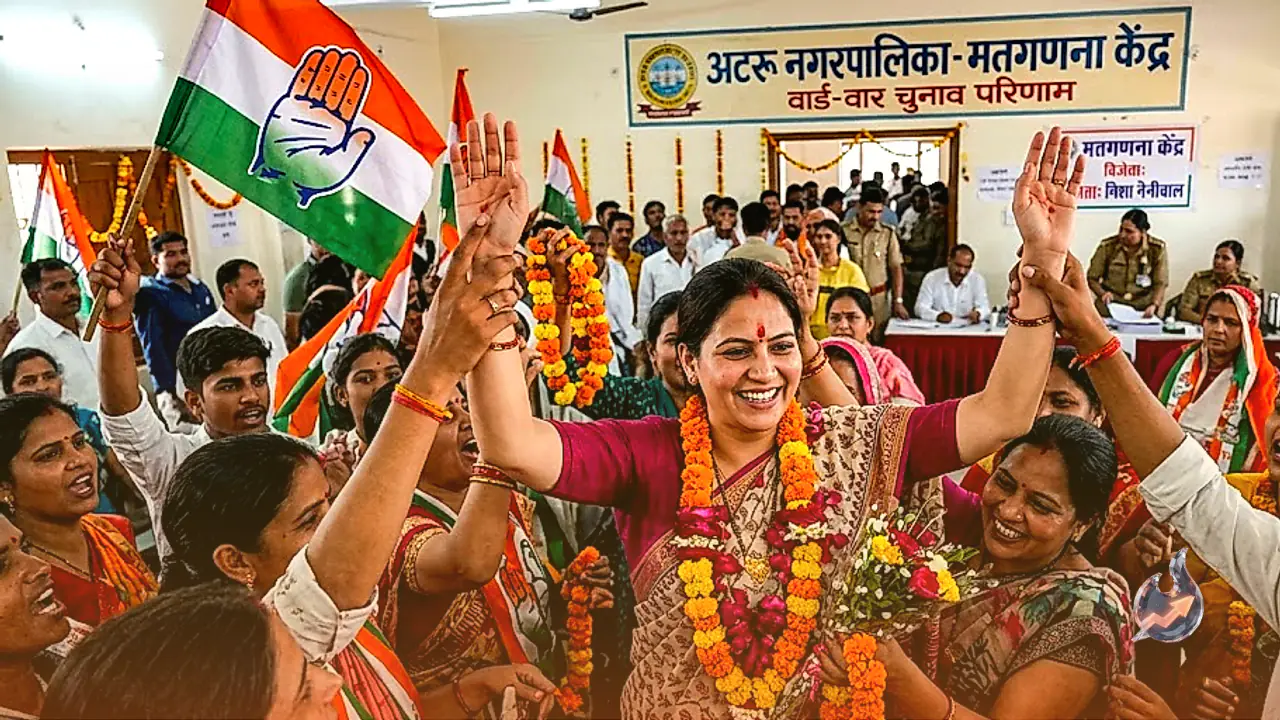















With the 2027 Uttar Pradesh Assembly elections on the political horizon, the Samajwadi Party is navigating a notable recalibration in its minority outreach and political positioning. For several decades, spanning the tenures of both founder Mulayam Singh Yadav and party president Akhilesh Yadav, veteran leader Azam Khan served as the party's undisputed primary voice on minority issues. However, evolving political realities and legal complications have transformed the party's internal dynamics. When Congress MP Imran Masood recently turned up the heat regarding the finalisation of alliance seat-sharing, the Samajwadi Party chose young Kairana MP Iqra Hasan to deliver an unyielding rejoinder, sparking widespread debate across the state's political landscape.
The exchange highlights a broader strategic shift within the Samajwadi Party. While Azam Khan remains a figure of substantial historical and political significance, his direct operational footprint has been constrained in recent years due to his prolonged incarceration. In response, Akhilesh Yadav has not relied on a single replacement, but has instead cultivated a multifaceted bench of Muslim leaders across western Uttar Pradesh, the Rohilkhand belt, and Purvanchal. The emerging dynamic is less about crowning a singular successor to Azam Khan and more about establishing regional pillars who can communicate the party's core messages to voters ahead of the crucial 2027 contest.
Allied Friction and Iqra Hasan's Assertive Stance
The latest round of sparring began when Congress MP Imran Masood demanded that the seat-sharing agreement between the Samajwadi Party and Congress be concluded without further delay. Masood cautioned that if a consensus was not reached promptly, Congress might explore preparing to contest the assembly elections independently. Rather than fielding an elder organisational functionary, the Samajwadi Party deployed Iqra Hasan to counter Masood's posturing.
Responding directly to the ultimatum, Iqra Hasan asserted that while an intact alliance would be beneficial, any breakdown of the partnership would ultimately inflict damage upon Congress itself. She emphasised that Akhilesh Yadav possesses the political strength and grassroots machinery required to take on the Bharatiya Janata Party in Uttar Pradesh independently if necessary. The clash instantly elevated Hasan to national prominence in discussions surrounding the opposition coalition. Notably, both Masood and Hasan hail from western Uttar Pradesh, an area where minority voting patterns exert decisive influence on electoral outcomes.
The Samajwadi Party's Roster of Eight Minority Leaders
Rather than centralising authority in one individual, the Samajwadi Party currently presents a collective leadership framework comprising both seasoned veterans and young lawmakers. Eight prominent names define this spectrum
- Iqra Hasan: The Kairana Member of Parliament has rapidly emerged as a leading voice among young Muslim politicians. Her direct rebuttal to Imran Masood's alliance ultimatums in September 2026 underscored her expanding political stature and communication responsibilities within the party.
- Nasimuddin Siddiqui: Former cabinet minister Nasimuddin Siddiqui formally joined the Samajwadi Party in February 2026 after parting ways with Congress. Siddiqui brings decades of high-level administrative and organizational experience, having earlier held senior positions within the Bahujan Samaj Party and Congress.
- Afzal Ansari: In Purvanchal, the Ansari family has maintained a prolonged association with the Samajwadi Party. Afzal Ansari represents the family's primary political presence, providing crucial electoral leverage in the eastern districts of the state.
- Zia Ur Rehman Barq: Representing Sambhal, Zia Ur Rehman Barq represents the rising generational cohort in western Uttar Pradesh, carrying forward the political legacy of his grandfather, Shafiqur Rahman Barq, on the Samajwadi platform.
- Mohibullah Nadwi: Serving as the Member of Parliament from Rampur, Mohibullah Nadwi represents an essential voice in the party's parliamentary delegation, notably holding office in the traditional home territory of Azam Khan.
- Mehboob Ali: A long-standing party stalwart from Amroha, Mehboob Ali remains listed as an official Samajwadi Party member in the Uttar Pradesh Legislative Assembly's legislative records, providing decades of institutional memory and grassroots connectivity.
- ST Hasan: Former Moradabad MP ST Hasan has consistently stood out as an outspoken leader within the party. Over the years, his public observations regarding party strategy and Azam Khan's situation have frequently generated statewide political debate.
- Azam Khan: Long recognized as the party's most influential Muslim face, Azam Khan's status within the organisation remains acknowledged. In August, Shivpal Yadav visited Khan at Rampur Jail, a gesture intended to signal that Khan's standing within the party hierarchy remains intact. Following the meeting, Shivpal Yadav stated that upon forming the government in 2027, the Samajwadi Party would assign a significant administrative and political responsibility to Azam Khan.
Is Iqra Hasan Being Positioned as Azam Khan's Replacement?
Speculation regarding whether Akhilesh Yadav has selected Iqra Hasan as the official successor to Azam Khan continues to circulate among political observers. However, no formal pronouncement has been made by the party leadership to designate any single individual as Khan's outright heir. Given Khan's immense historical standing and statewide identity, filling that role entirely remains an unrealistic expectation for any single emerging politician.
Instead, Hasan's deployment to address complex issues such as coalition dynamics highlights her growing utility as an articulate regional communicator in western Uttar Pradesh. Observers note that rather than viewing her as a direct replacement for Azam Khan, she is best understood as a prominent leader within an emerging, decentralized leadership tier. The forthcoming months leading into 2027 will clarify whether her responsibilities remain focused on public messaging and managing local rivalries, or if she will be entrusted with broader statewide campaign roles.