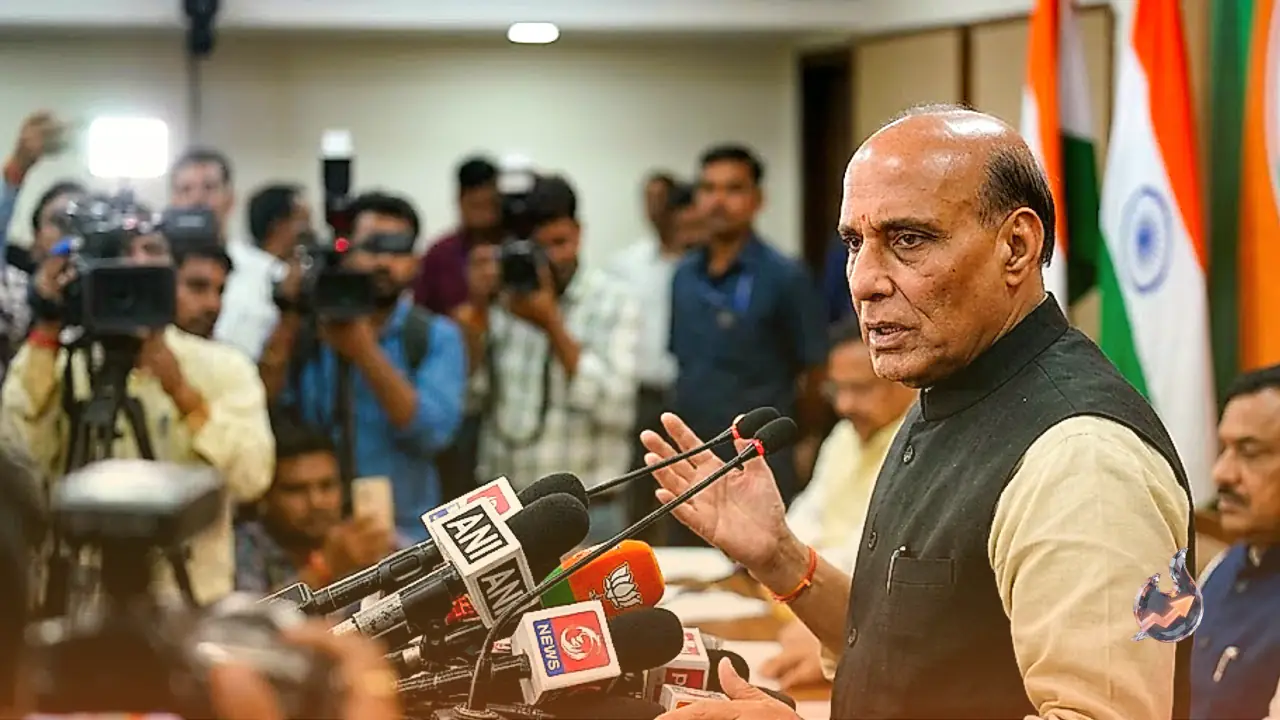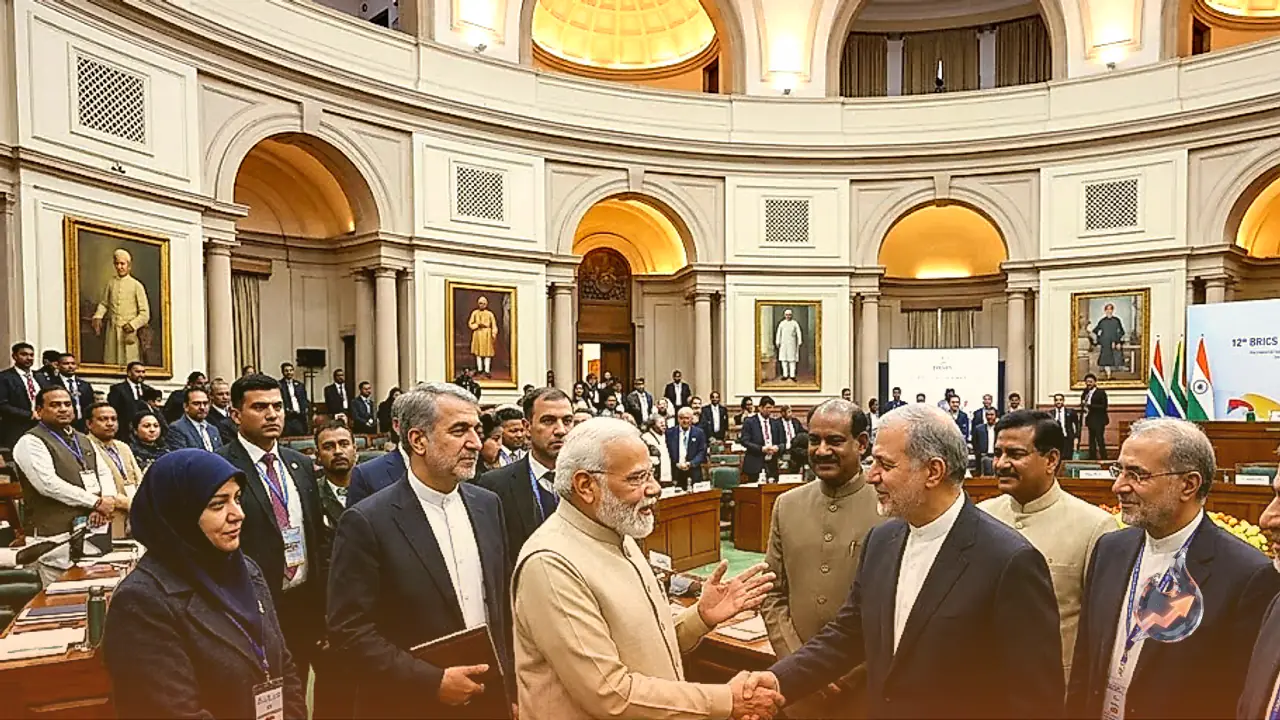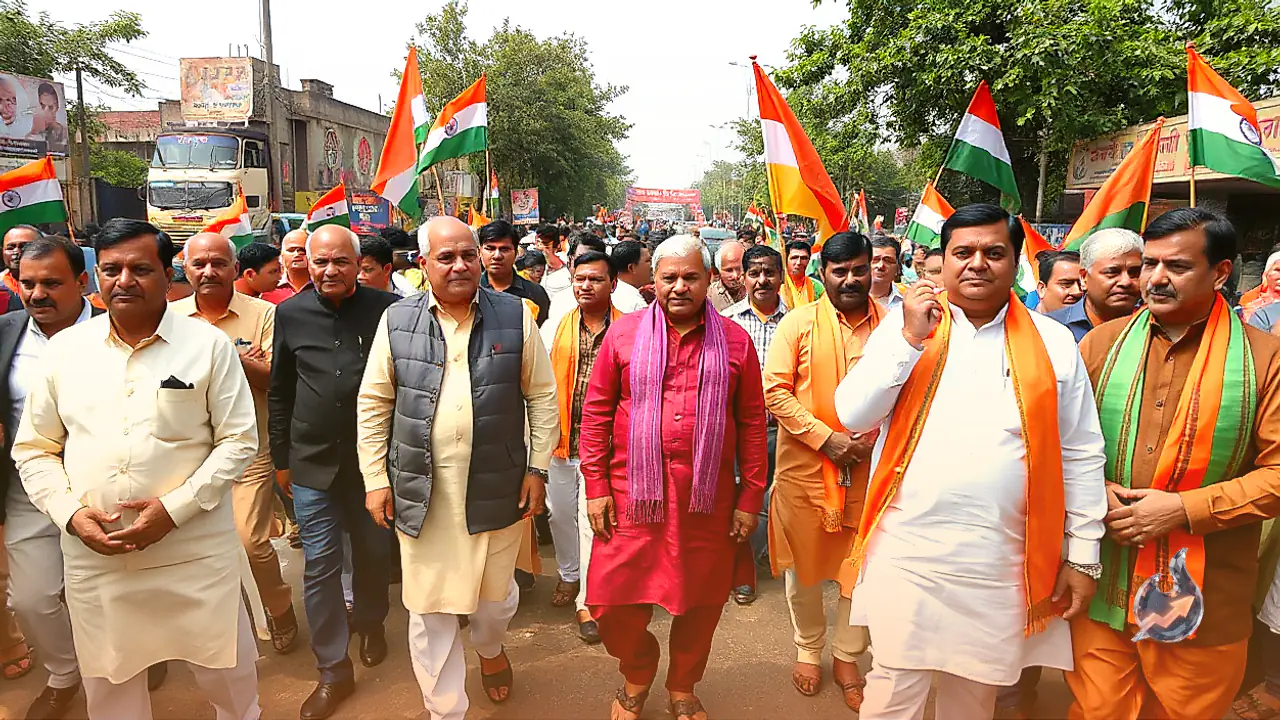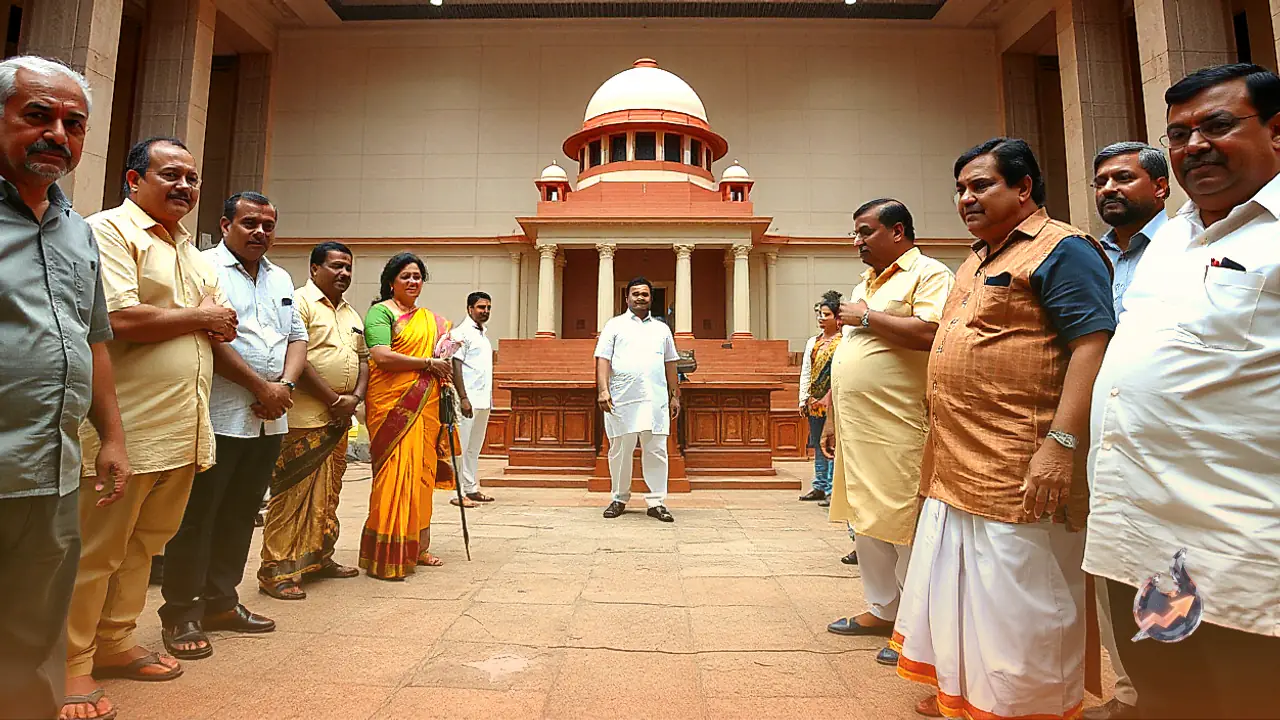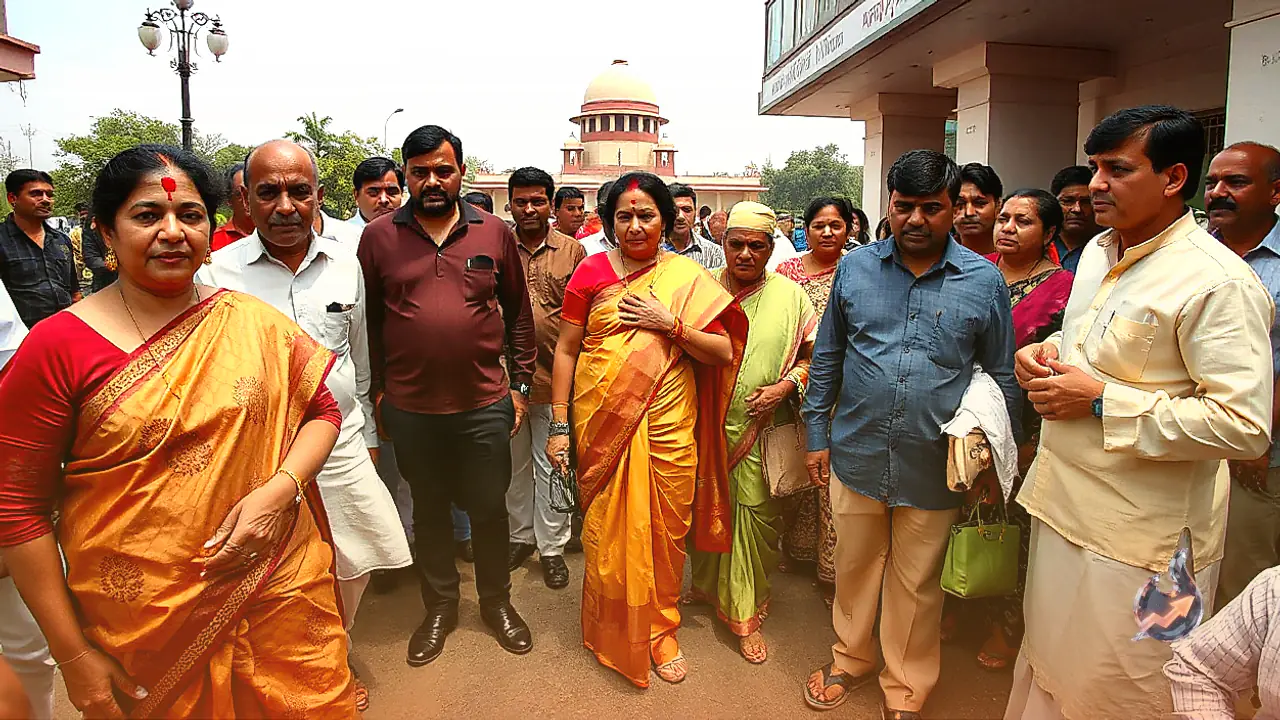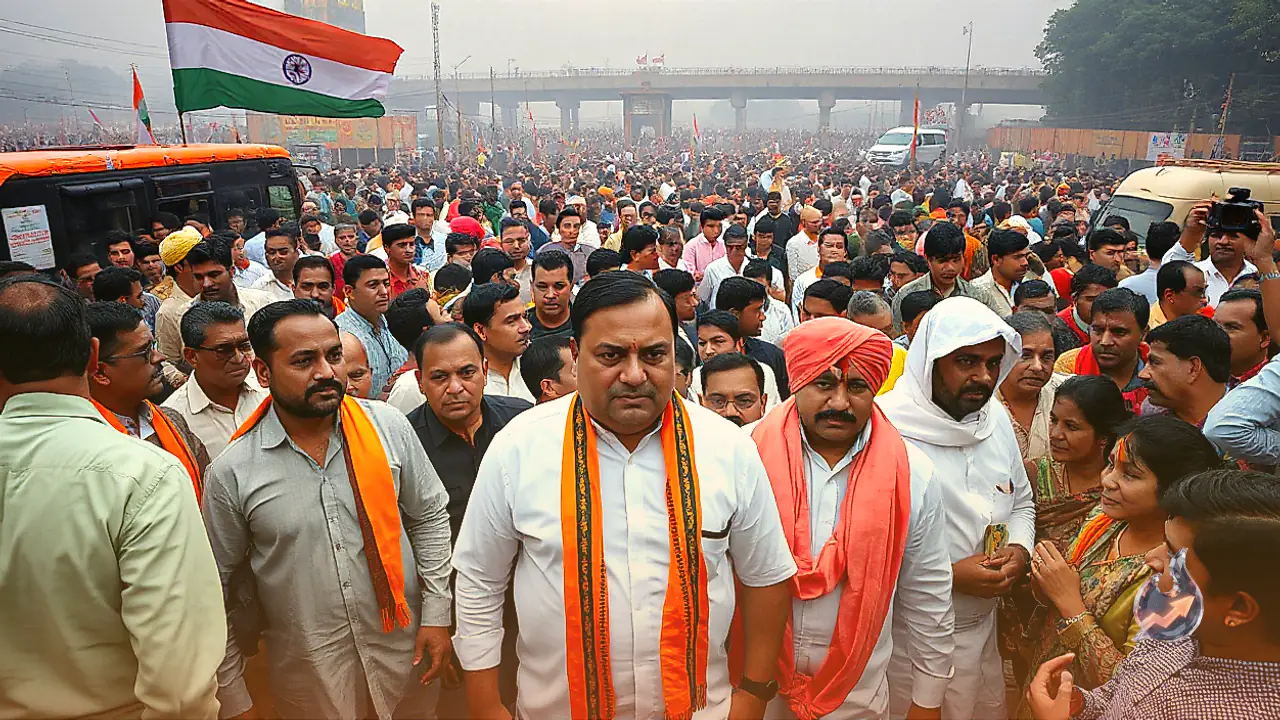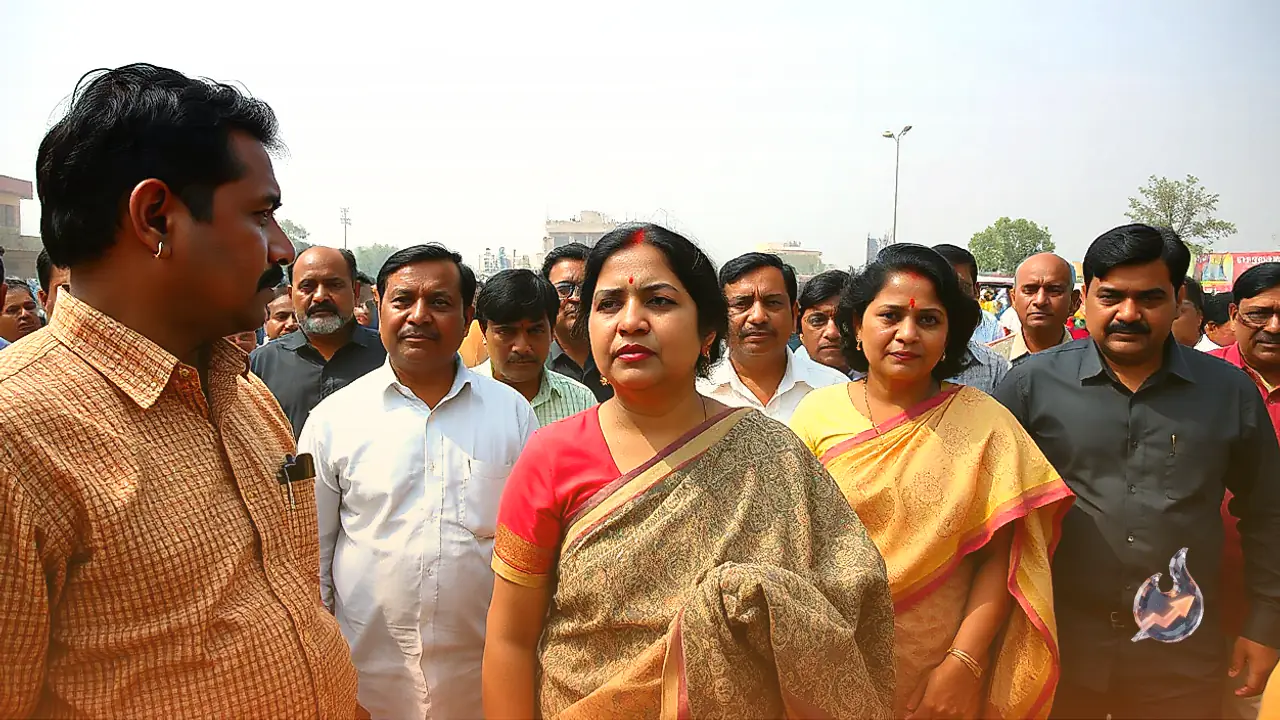
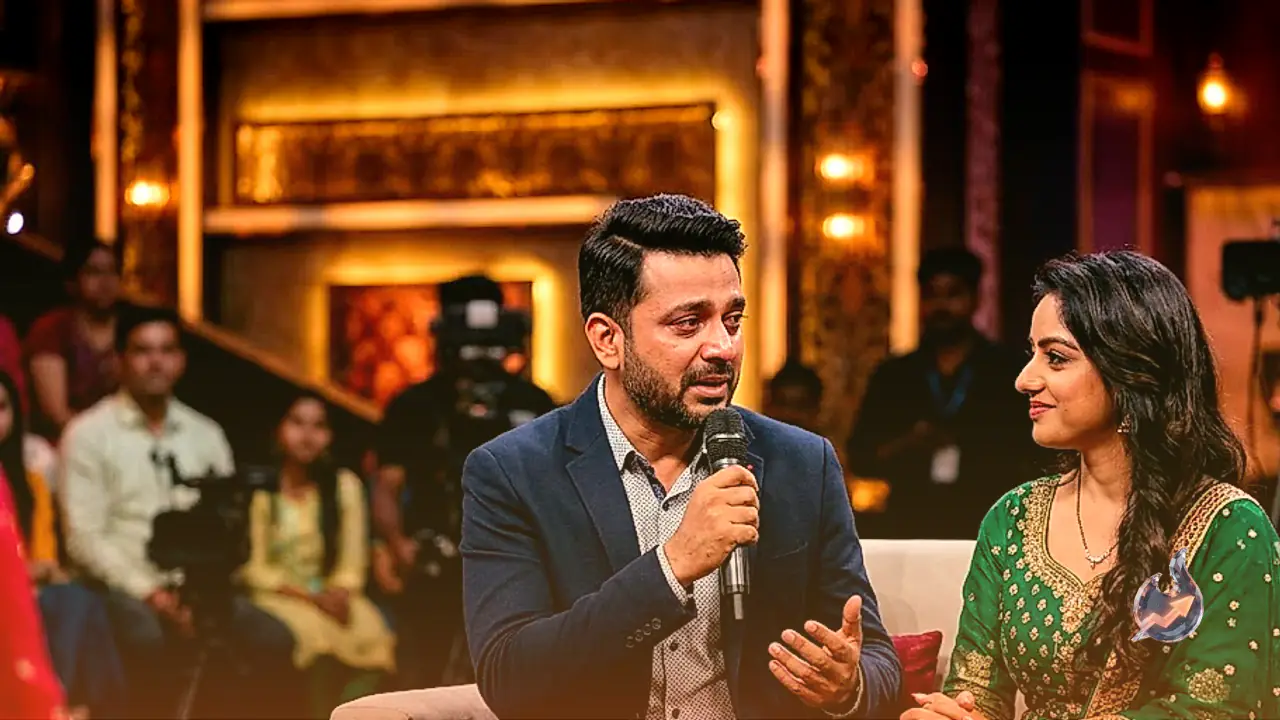

















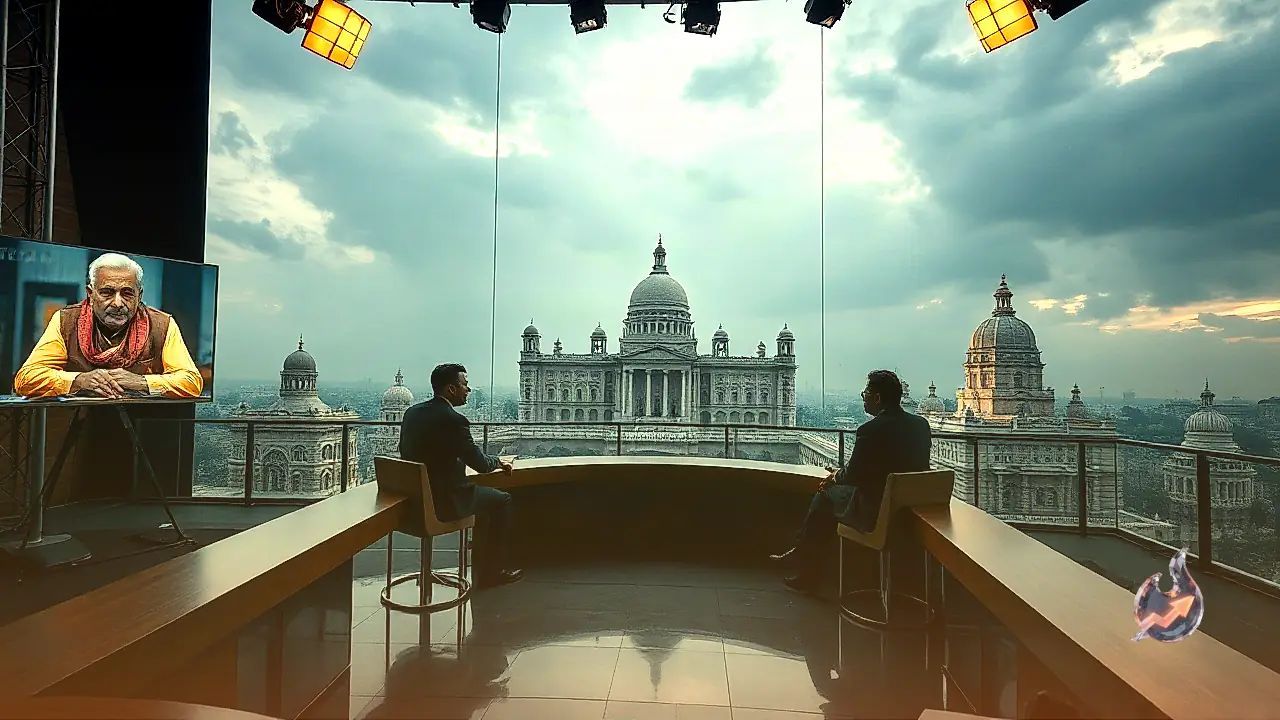

Speculation has intensified across the country regarding major administrative decisions and political shifts. Discussions suggest that Prime Minister Narendra Modi may implement bold and unexpected measures that could entirely reshape India's electoral and administrative framework. Against this backdrop, a crucial Joint Parliamentary Committee meeting was held, featuring prominent opposition figures including Priyanka Gandhi and Supriya Sule. Amidst this charged political climate, rumors have gained significant momentum that the much-discussed One Nation-One Election initiative could potentially be implemented even before the initially planned timeline, possibly by 2029. Simultaneously, deliberations regarding constituency delimitation, the women reservation law, and upcoming cabinet reshuffles continue to circulate among political circles. Analysts and senior journalists recently gathered on a prominent news platform to deliberate on these evolving developments in detail.
Could One Nation-One Election Arrive by 2029?
During the ongoing political discourse, the core debate centered on the proposal to hold simultaneous Lok Sabha and state assembly elections. While the existing roadmap targets 2034 for complete nationwide synchronization, the possibility of an earlier transition has surfaced. Discussions highlighted that certain states might choose to curtail or adjust their legislative assembly terms to align with the 2029 general elections. Experts estimate that approximately 10 to 14 states could theoretically synchronize their polls with the 2029 cycle, provided there is adequate political consensus and favorable ground conditions.
However, this strategy faces notable political hurdles. Panelists raised questions regarding whether states governed by the BJP or its NDA allies would voluntarily shorten the remaining tenure of their current governments. Electoral mathematics plays a pivotal role here; if the political environment appears advantageous during the simultaneous conduct of national and state polls, ruling entities might seek dual benefits. Conversely, the uncertainty of this approach was also emphasized by citing how voter behavior often differs significantly between parliamentary and state assembly elections, with citizens potentially voting differently for different levels of government.
Delimitation and Women Reservation in Focus
Alongside electoral synchronization, two other monumental legislative pillars, delimitation and women reservation, were extensively examined. Observers suggest that the government may prioritize constituency delimitation, and if the necessary parliamentary numbers and cross-party support are secured, a special session of Parliament could potentially be convened to advance the agenda. In this context, references were made to the government's reported backing of roughly 366 MPs in the Lok Sabha, offering a strong numerical base for major legislative actions.
On the other hand, recent concerns raised by Congress leader Jairam Ramesh regarding delays in the prorogation of Parliament were linked by commentators to potential preparations for forthcoming bills on delimitation and women reservation. Nevertheless, analysts noted that the absence of a formal prorogation does not automatically guarantee the immediate introduction of specific legislation. Furthermore, regional political dynamics were scrutinized, including potential strategic cooperation involving the DMK and leadership-related hurdles surrounding the unification of rival factions within the NCP.
Anticipated Cabinet Reshuffle as a Major Surprise
The discussions concluded by focusing on a potential central cabinet expansion, which has been framed as an impending political surprise. According to expert insights, a ministerial reshuffle is widely anticipated, although specific details regarding the exact timing and the individuals who will be inducted remain closely guarded. Reports of candidate lists and recommendations being submitted from various state party organizations to the central leadership have added to the anticipation. As these political maneuvers unfold, the coming months are expected to witness significant administrative and electoral developments.
Read More- Did Rahul Gandhi's political strategy hit the target? Watch the full discussion