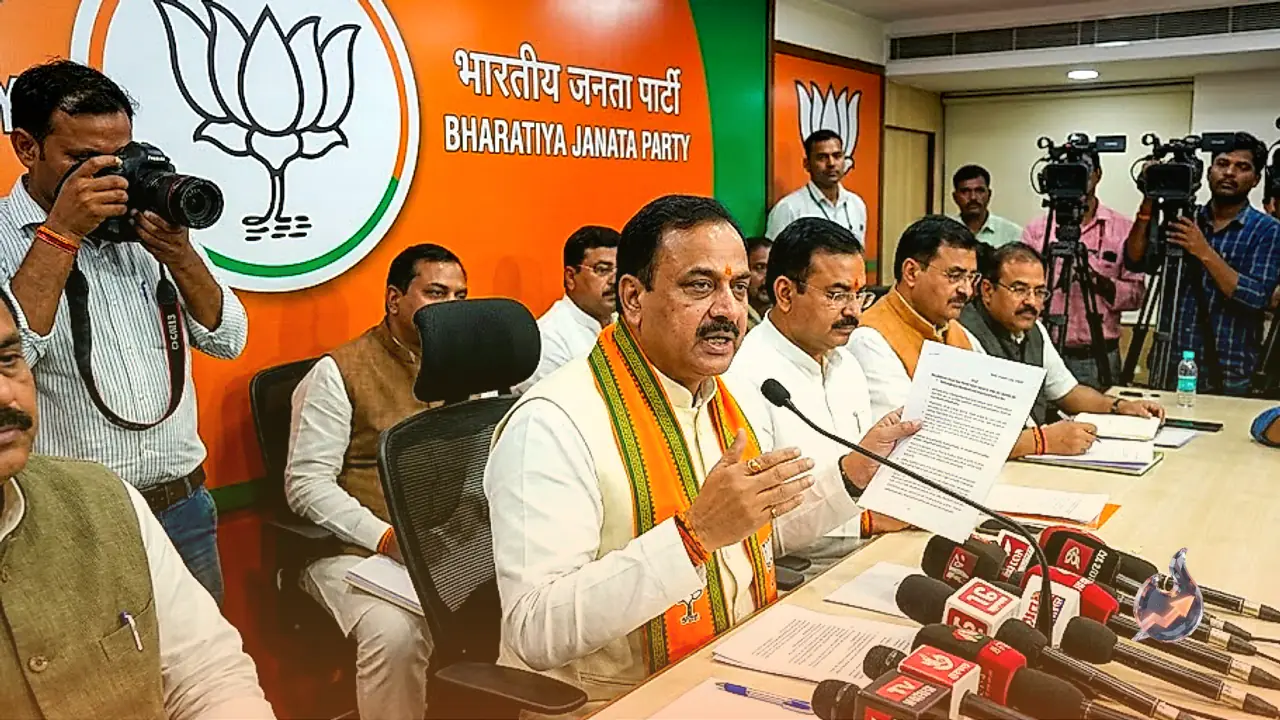


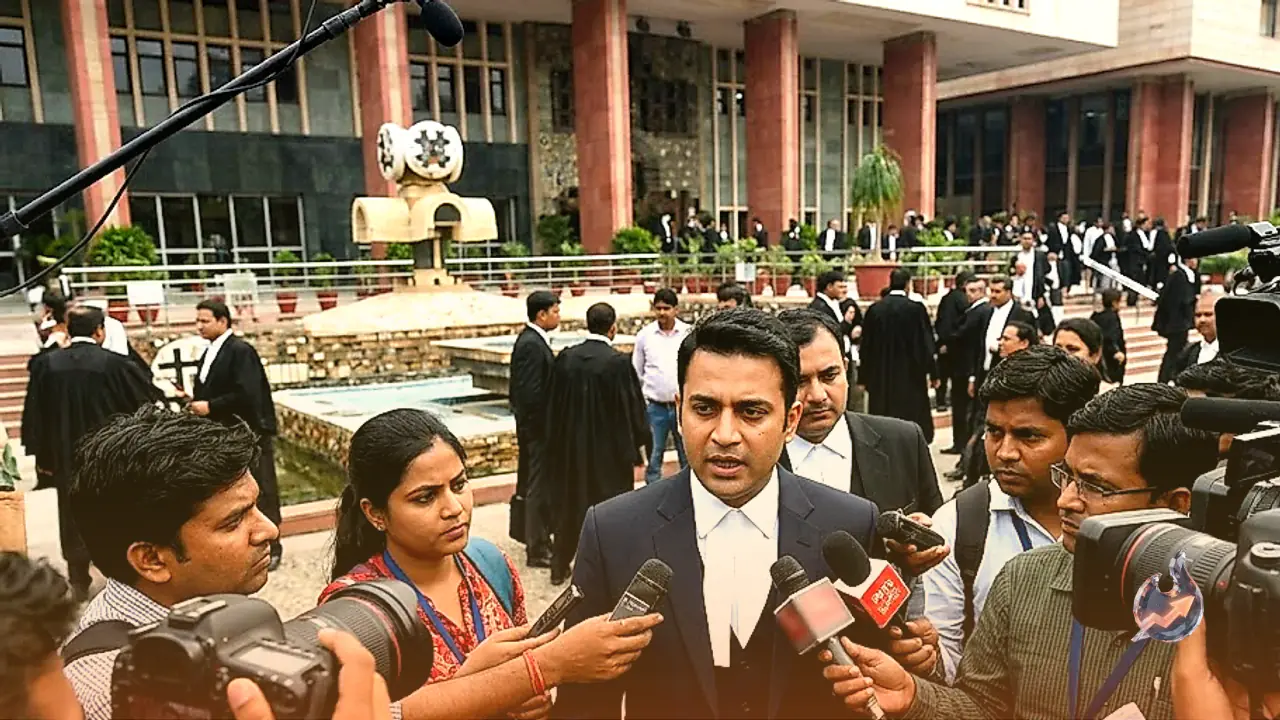

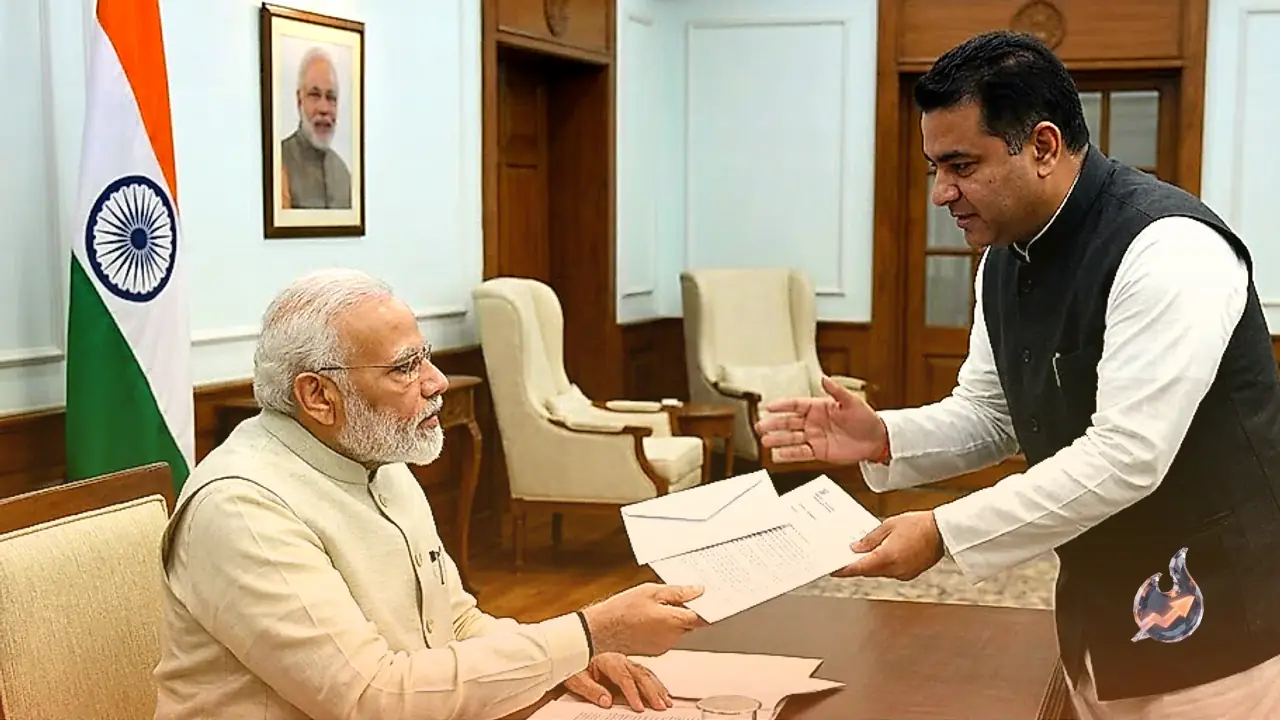














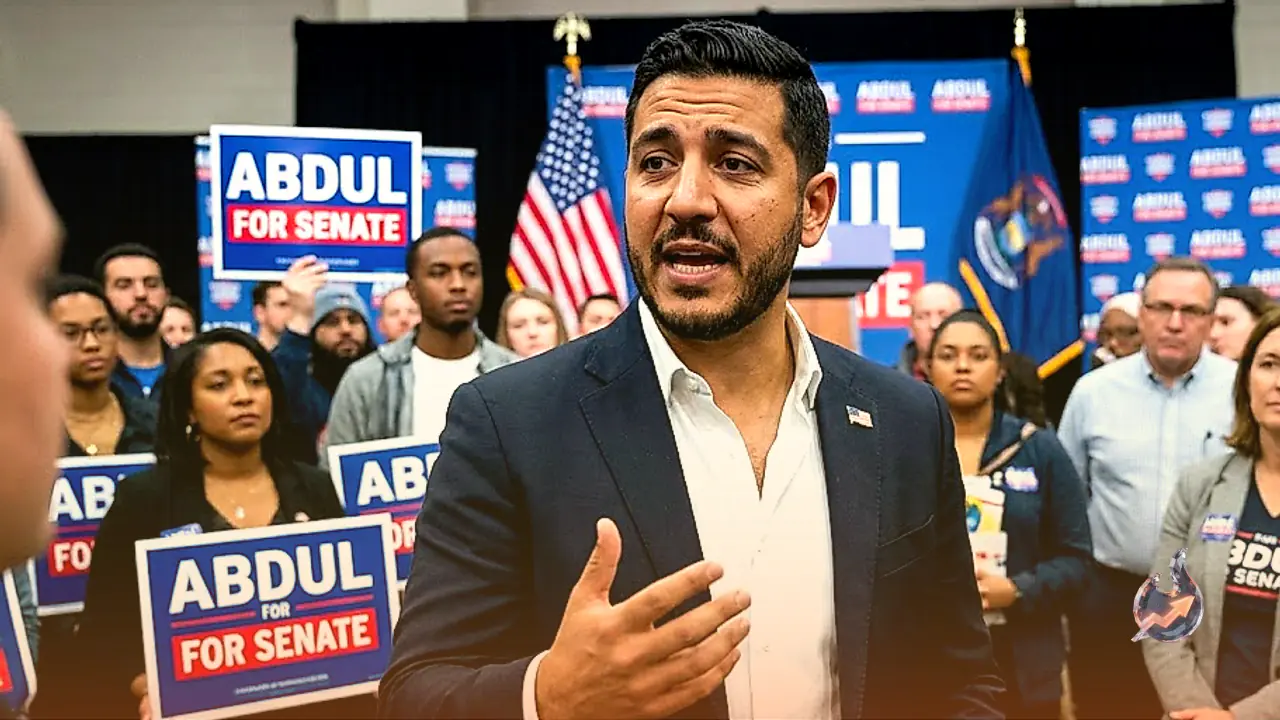

A high-stakes campaign for the United States Senate in Michigan has turned into a sharp clash over digital privacy and government overreach. Looking to capitalize on voter unease regarding technological surveillance, the campaign of Democrat Abdul El-Sayed has rolled out a sweeping digital video and billboard blitz targeting Republican opponent Mike Rogers. The offensive is designed to connect widespread bipartisan anxieties over privacy directly to Rogers' extensive legislative track record during the crucial closing stretch of the midterm election cycle.
Dissecting Legislative History and Past Surveillance Endorsements
The centerpiece video released by the El-Sayed campaign features historical footage of Rogers offering vocal support for the Patriot Act of 2001. Enacted in the aftermath of the September 11 terrorist attacks, that landmark legislation broadened federal law enforcement authority and granted authorities the legal foundation to collect phone records of American citizens without obtaining a warrant. The promotional clip also incorporates previous statements where Rogers praised commercial surveillance practices conducted by major tech firms like Google.
The advertisement places heavy emphasis on an assertion Rogers made in 2013 while serving as chairman of the House Intelligence Committee, quoting him as saying that an individual cannot have their privacy violated if they remain unaware of that violation. Throughout his career on Capitol Hill, Rogers frequently aligned with government monitoring efforts. Back in 2011, he sponsored legislation that would have permitted private corporations to turn customer emails over to the National Security Agency. Although he subsequently introduced a bill in 2014 designed to prohibit bulk metadata collection, that proposal concluded without ever receiving a floor vote.
Billboards on State Roads Amid Flock Camera Scrutiny
Alongside digital media placements, El-Sayed's team is erecting roadside billboards across sections of Michigan displaying the stark message, "Mike Rogers is watching you." The Cook Political Report classifies the Michigan contest as a toss-up, and El-Sayed is tapping into technological unease that ranks high among constituent frustrations this year.
Public skepticism has surged in response to artificial intelligence developments and the quick spread of municipal surveillance tools, especially Flock safety cameras across American communities. While police departments emphasize that these camera systems help suppress criminal activity, controversy has mounted following incidents where individual officers misused the hardware to monitor former partners, alongside separate instances of incorrect suspect identification. These high-profile missteps have fueled sustained backlash among civil liberties advocates and local residents alike.
Defense from the Rogers Camp and Parallel Senate Tactics
Addressing the matter, a representative for the Rogers campaign previously stated that Rogers firmly opposes the unrestricted employment of Flock cameras against everyday citizens who obey the law. The spokesperson highlighted that Rogers had already concluded his tenure in Congress before Flock technology was even established in 2017. Nevertheless, the newly launched promotional drive shows El-Sayed's determination to link Rogers' voting record to modern digital anxieties.
Similar technological wedge issues have emerged in other razor-thin Senate contests across the nation. In Ohio, a recent Republican memorandum noted that Democratic incumbent Sherrod Brown worked to frame Republican opponent Jon Husted as the primary face of data center expansion in that state. Retaining the Michigan Senate seat remains essential for Democratic hopes of preserving or capturing a majority in the upper chamber, making every marginal shift critical.
Rebuilding the Coalition with High-Profile Surrogates
The outreach push coincides with efforts by El-Sayed to mend progressive and moderate ties following a contentious primary season. During that internal race, El-Sayed endured accusations of antisemitism after characterizing the conflict in Gaza as a genocide and calling for a halt to American military assistance for Israel. Seeking to solidify turnout, El-Sayed confirmed on Monday that he will appear alongside former president Barack Obama at a major campaign rally scheduled for late October.
Furthermore, an informed source indicated that El-Sayed intends to embark on a wider swing across Michigan in the decisive weeks leading up to election day. That tour will feature prominent progressive figures, bringing both Senator Bernie Sanders and Representative Alexandria Ocasio-Cortez to the state to bolster the ticket.