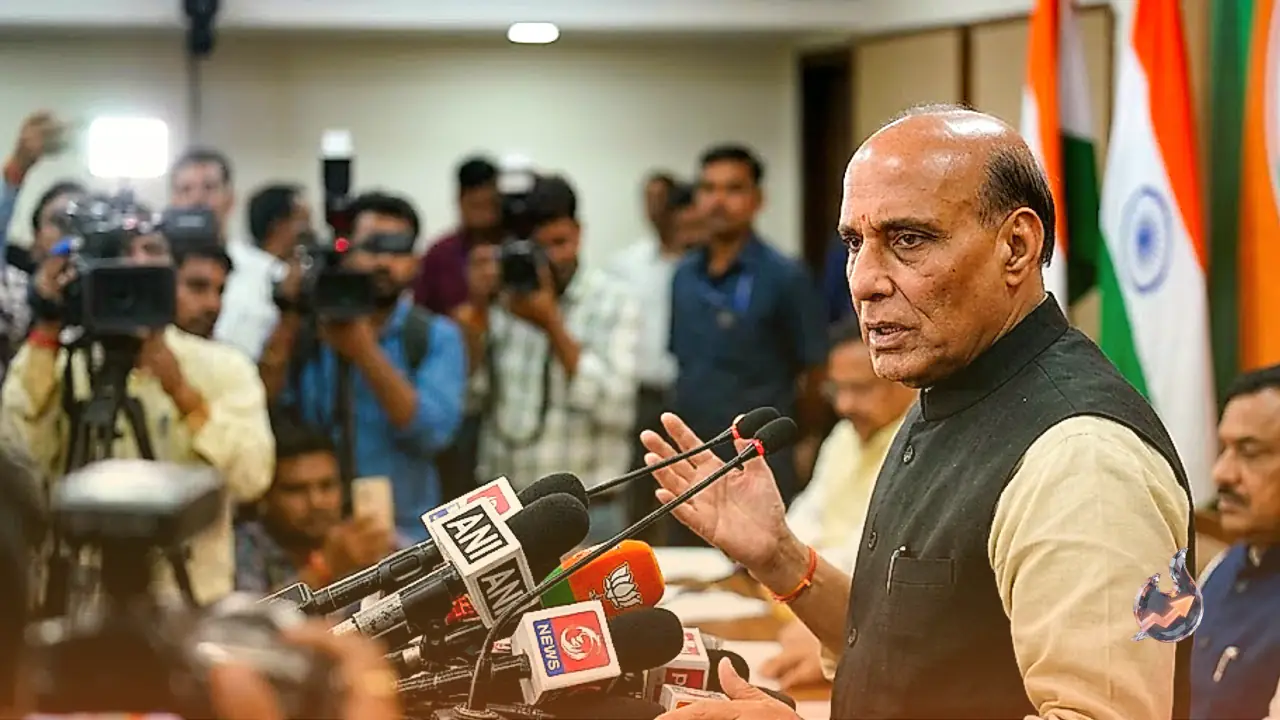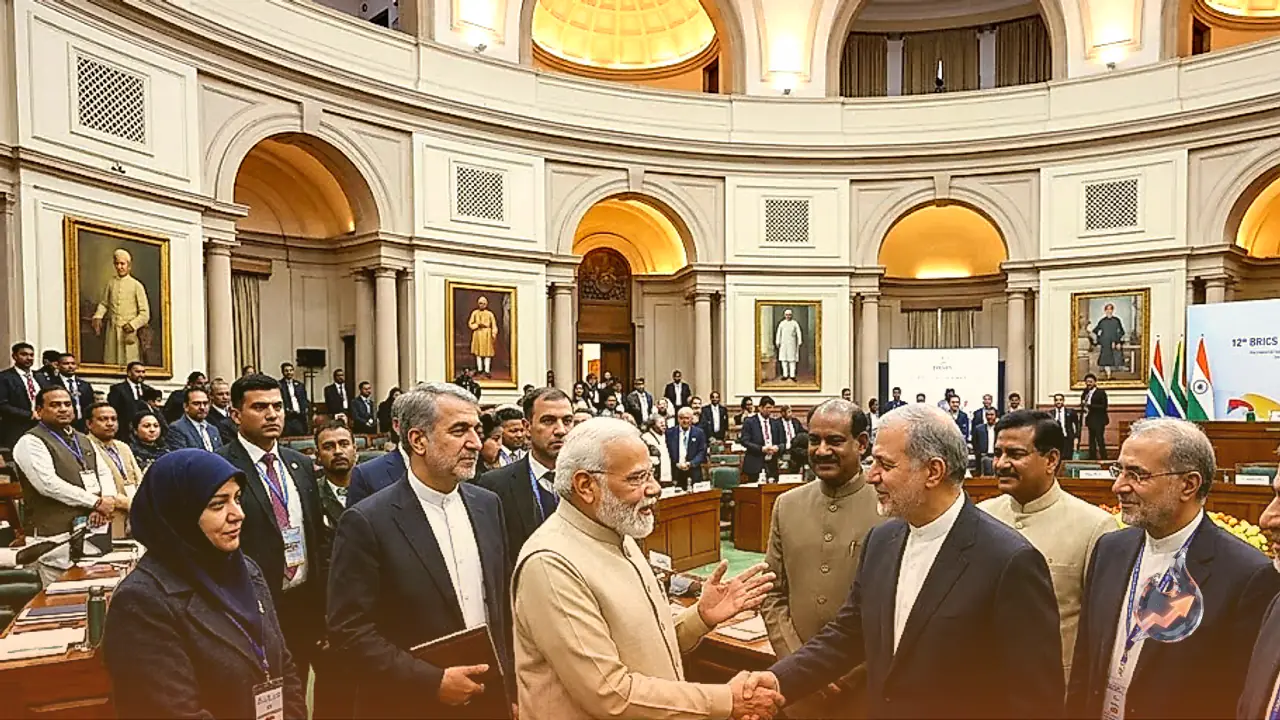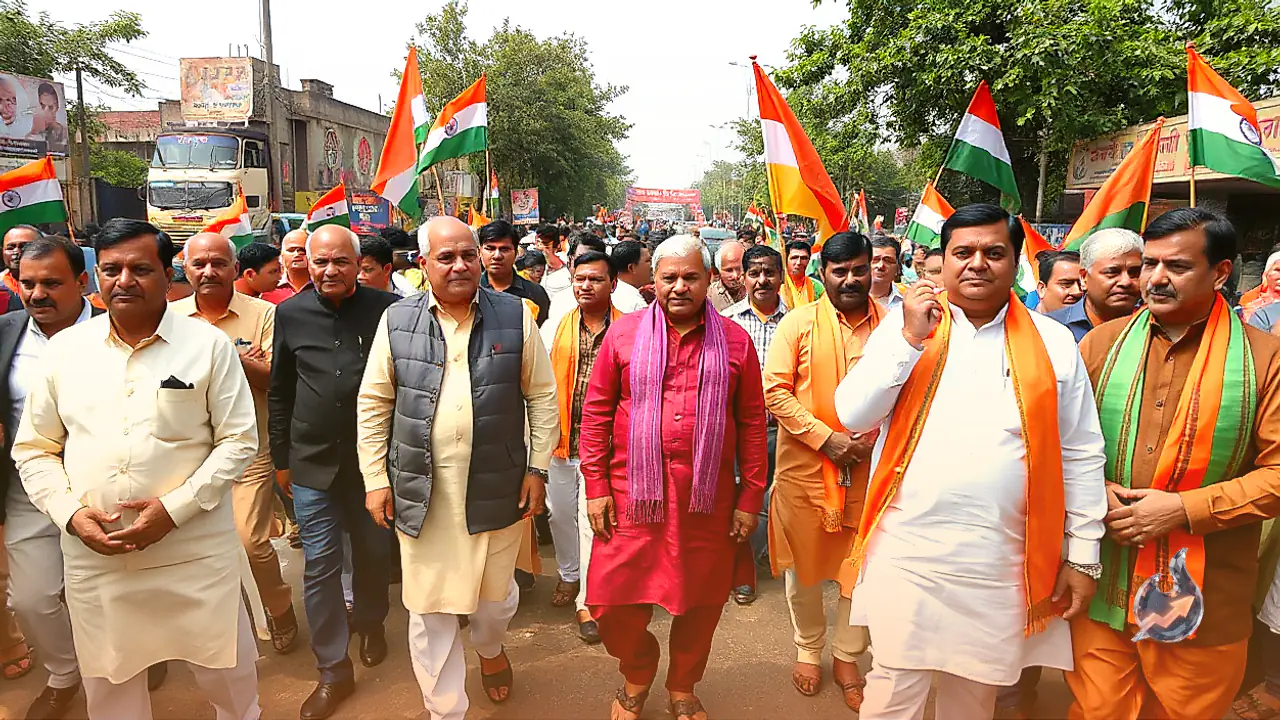




















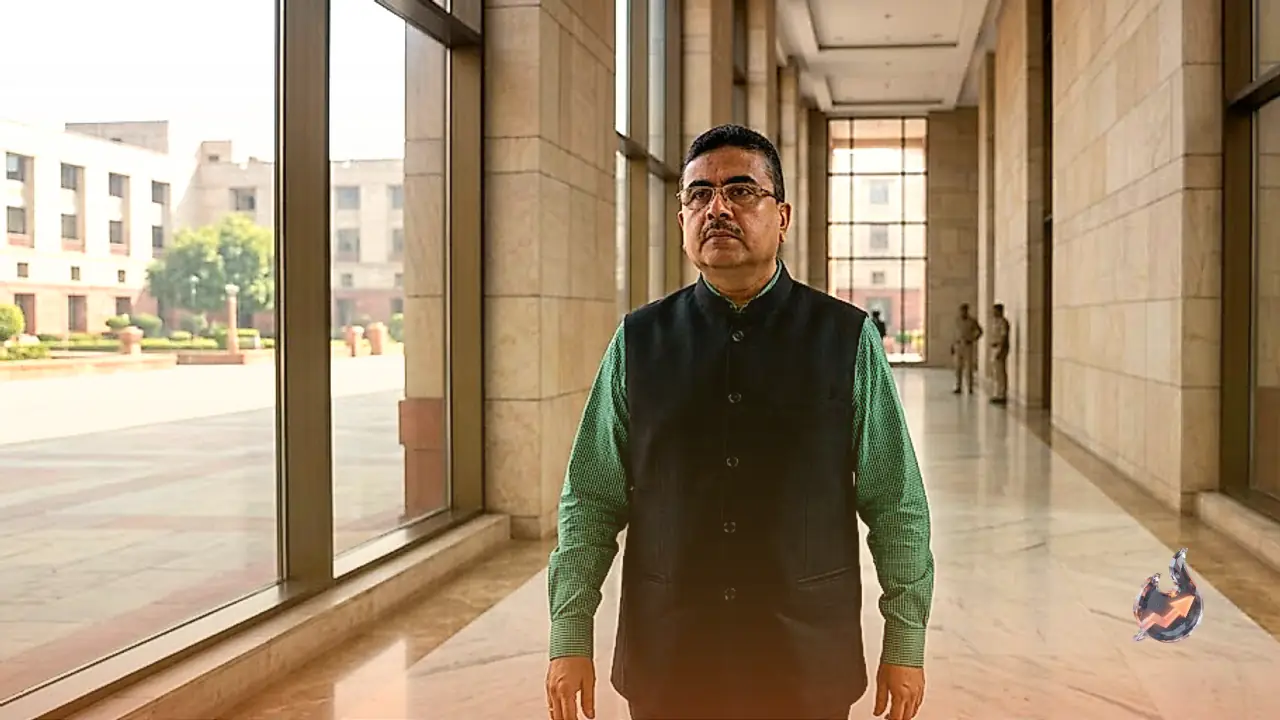

Political dynamics in West Bengal are experiencing a fresh surge of activity. The sudden Delhi trip by Suvendu Adhikari and his planned meeting with roughly twenty rebel members of parliament from the Trinamool Congress go far beyond a routine courtesy call, pointing instead toward a significant strategic realignment in state politics. Although the official agenda for tomorrow's gathering at Delhi's Banga Bhawan highlights the proper utilization of MPLADS funds and raising development issues concerning Bengal during the monsoon session of parliament, the underlying political implications run much deeper. Through this outreach, Suvendu Adhikari aims to leverage these dissenting lawmakers to channel central development schemes directly into key regions of the state and establish a parallel political counterweight in areas traditionally dominated by the ruling party's strongholds.
By means of this interaction, Suvendu Adhikari intends to forge a robust coordination mechanism with the rebel legislators, providing them with reassurance that their political standing remains secure at both the state and central levels. Nevertheless, these unfolding events have considerably heightened anxiety within the Trinamool Congress. Senior party figures including Abhishek Banerjee, Kalyan Banerjee, and Mahua Moitra approached Lok Sabha Speaker Om Birla to press for strict disciplinary actions against these rebel MPs under the anti-defection law.
While these parliamentarians have been granted separate seating arrangements within the lower house, a final decision regarding any formal merger or recognition as an independent faction is still pending. At such a politically sensitive juncture, Suvendu Adhikari's visit to the capital to meet these lawmakers clearly demonstrates that the opposition camp is leaving no stone unturned to corner the ruling party across every possible front, stretching from the ground level in Bengal all the way to Delhi.