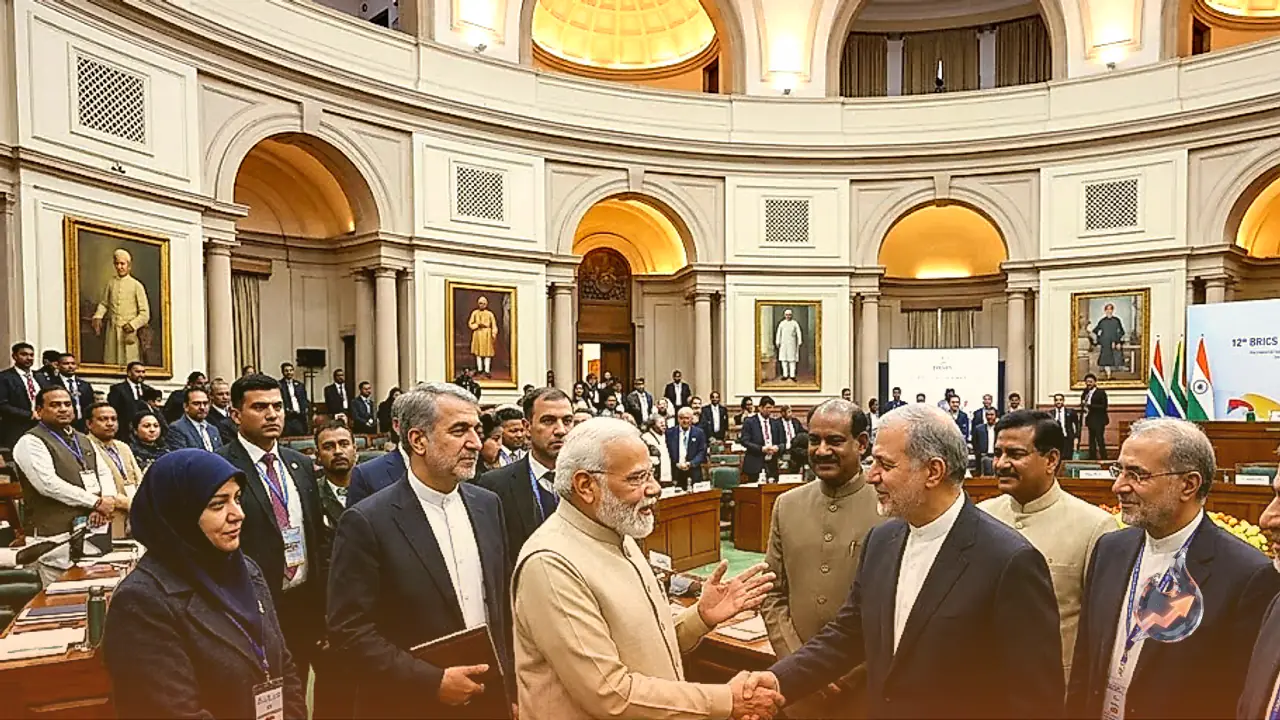


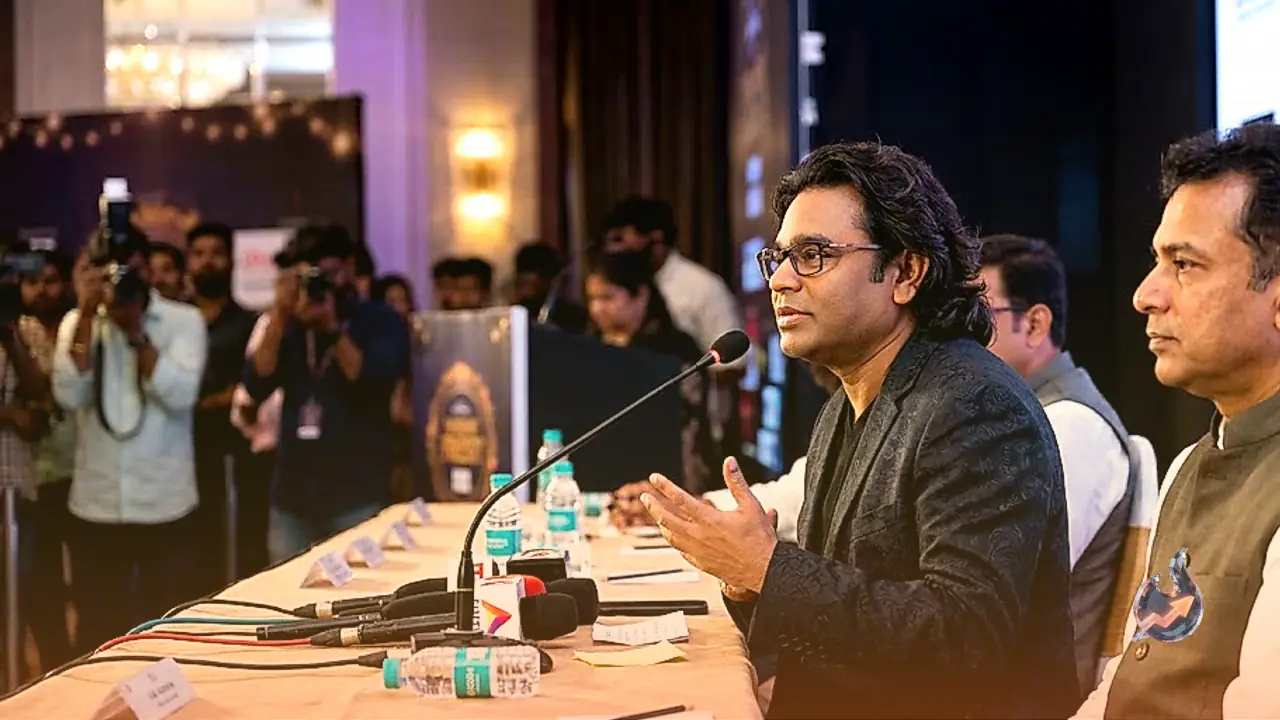


















Diplomatic friction between India and Bangladesh has surfaced as a major talking point, directly impacting the proposed official visit of Bangladeshi Prime Tarique Rahman to New Delhi. Dhaka has made it abundantly clear that a favorable political environment must be established before this high-profile tour can materialize, expecting prompt action from India on several critical matters. In an official statement released by the Ministry of Foreign Affairs in Dhaka, the government reiterated its call for India to expedite the extradition requests concerning former Prime Minister Sheikh Hasina and other fugitive defendants. Additionally, authorities have strongly demanded the handover of individuals accused in the assassination of Shaheed Sharif Osman Hadi, invoking the bilateral extradition treaty signed between the two nations.
The Red Lines in Dhaka-New Delhi Relations
These persistent demands are viewed within diplomatic circles in Dhaka as an absolute red line for the future trajectory of bilateral ties with India. Simultaneously, policymakers in New Delhi recognize the growing necessity to formulate a clear administrative stance and outline subsequent steps regarding the pending extradition appeals. The formal demand for Sheikh Hasina's return was initially raised back in 2024 during the tenure of the then interim government led by Muhammad Yunus. This stance has been firmly maintained and reiterated by the BNP administration, which assumed power in February 2026.
The Press Conference That Disrupted Bilateral Momentum
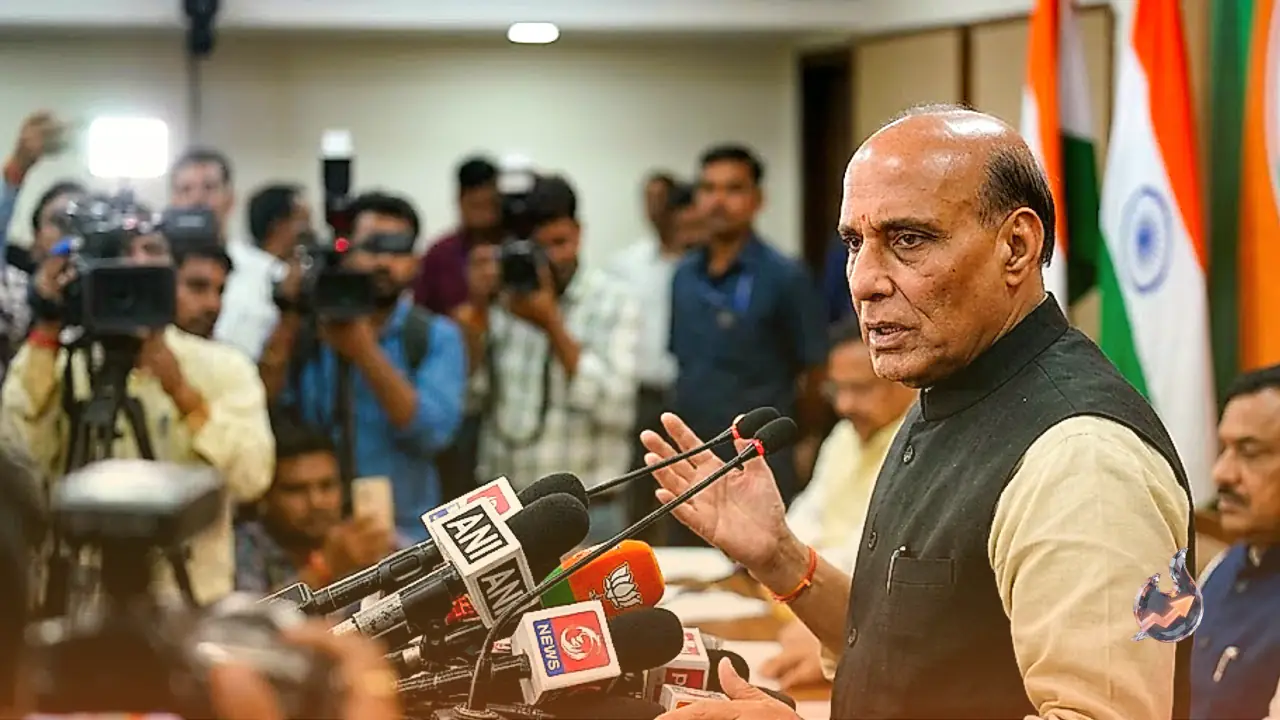
Initial diplomatic discussions between the two governments had tentatively earmarked August 21 as the proposed date for Tarique Rahman's maiden bilateral visit. However, the dialogue process suffered a significant setback following a public press conference hosted by Sheikh Hasina on August 5. Following this controversial event, the administration led by Tarique Rahman conveyed that concrete answers from New Delhi on the extradition file are a prerequisite for moving forward. In response to the diplomatic fallout, the Indian government distanced itself entirely from the press event, clarifying that it played no role in organizing the interaction and did not endorse any views expressed during the conference.
December Return Plans and Security Concerns
During her media address, Sheikh Hasina had openly outlined her intentions to return to Bangladesh by December of the current year while voicing serious apprehensions about potential threats to her life upon arrival. The Bangladeshi foreign ministry officially acknowledged that officials from both sides have remained in active communication for weeks regarding the potential bilateral summit. Nevertheless, the ministry emphasized that the open media interaction in New Delhi severely disrupted the diplomatic groundwork. Highlighting that Hasina has already been convicted of crimes against humanity by the International Crimes Tribunal and sentenced to death by domestic courts alongside the banning of her Awami League party, Dhaka remains firm on its position.
Reiterating its foundational foreign policy, the foreign ministry emphasized the continuation of the Bangladesh First framework, aimed at fostering friendly bilateral ties based on sovereign equality, mutual respect, non-interference in internal affairs, and shared benefits. Consultations regarding Rahman's visit had been progressing since early June, but were intermittently overshadowed by reports concerning the detention and repatriation of undocumented Bangladeshi nationals. Furthermore, Rahman's decision to travel to China for his first overseas bilateral trip was widely interpreted by observers as a diplomatic signal directed toward New Delhi.
High-Level Interventions and Intelligence Outreach
According to media reports, as discussions regarding the August 21 itinerary advanced, Dhaka learned that Hasina intended to address journalists at the Foreign Correspondents Club of South Asia in New Delhi. This prompted immediate diplomatic pushback, with Bangladeshi Foreign Minister Khalilur Rahman placing an urgent telephone call to National Security Advisor Ajit Doval to register a formal protest. Concurrently, Humayun Kabir, the foreign affairs advisor to the Bangladeshi Prime Minister, met with Indian High Commissioner Pranay Verma to escalate the issue.
Despite the high-profile media engagement proceeding as planned in front of foreign and domestic reporters, Dhaka's severe displeasure was formally conveyed to Indian representatives. The permission granted to Hasina to hold a press briefing was interpreted by Bangladeshi officials as tacit approval from New Delhi, despite Indian reiterations of non-involvement. Following these developments, Rahman met directly with the Indian High Commissioner, reiterating that Hasina's extradition remains an uncompromising priority for his administration. To de-escalate ongoing tensions, PARAG JAIN, head of India's external intelligence agency RAW, traveled to Dhaka on August 9 to hold crucial consultations with security and intelligence chiefs. While both nations continue to explore diplomatic avenues to salvage the scheduled August 21 timeline, current political realities suggest that reaching a substantive resolution within this brief window remains a challenging endeavor.