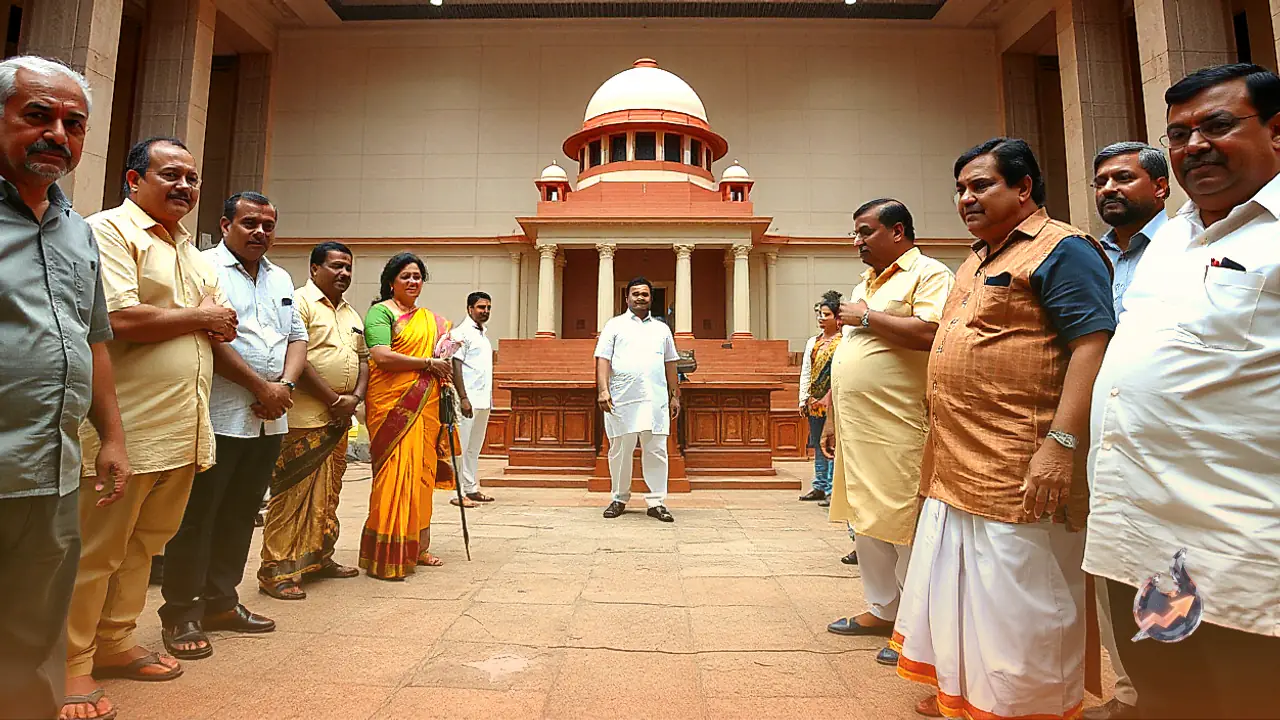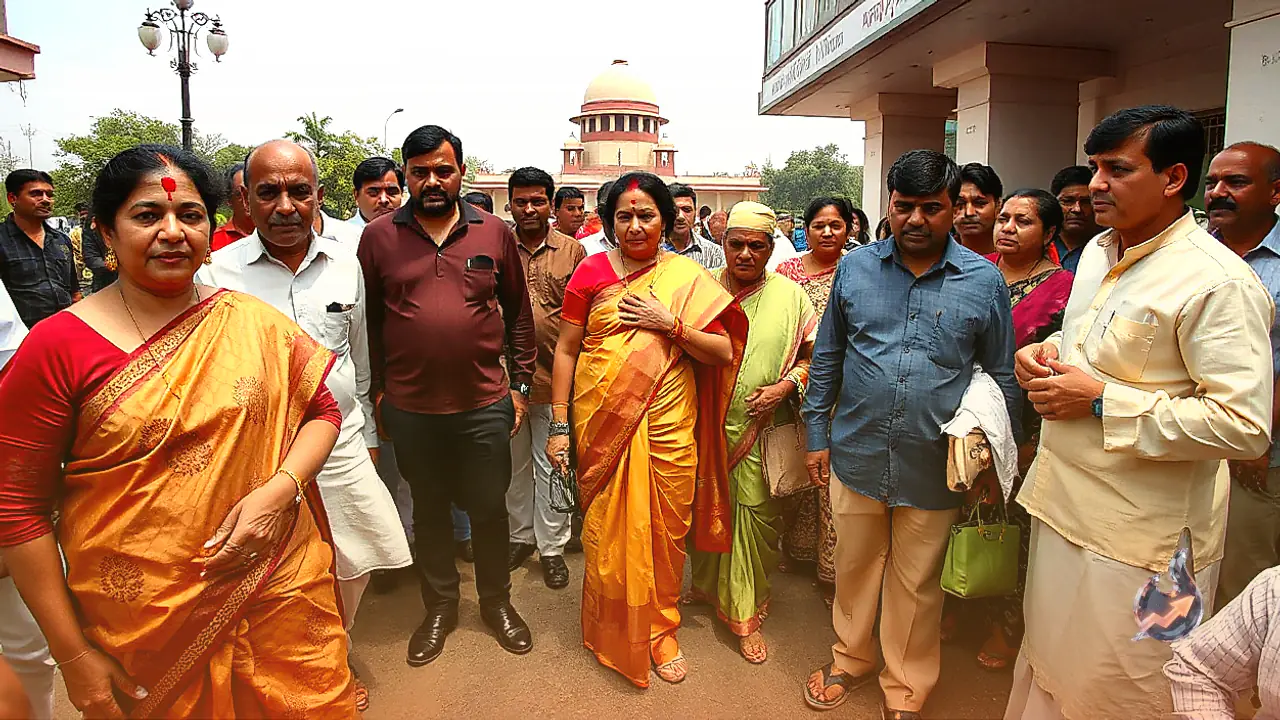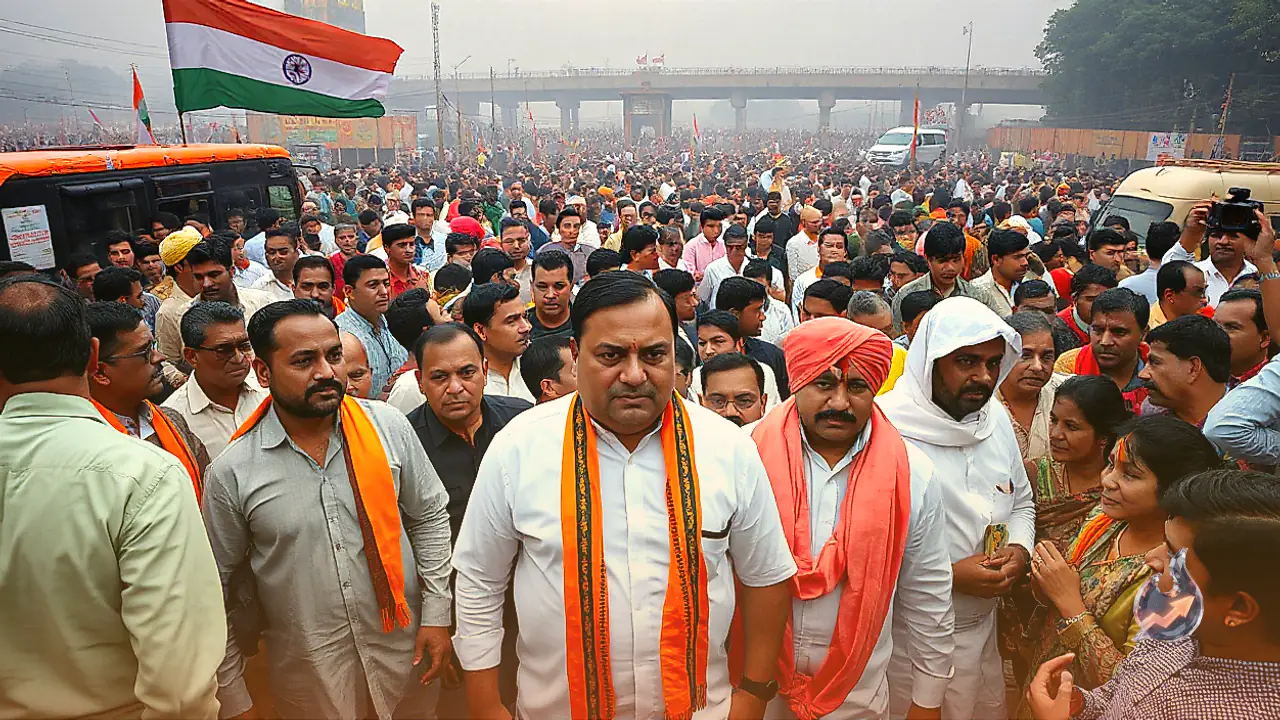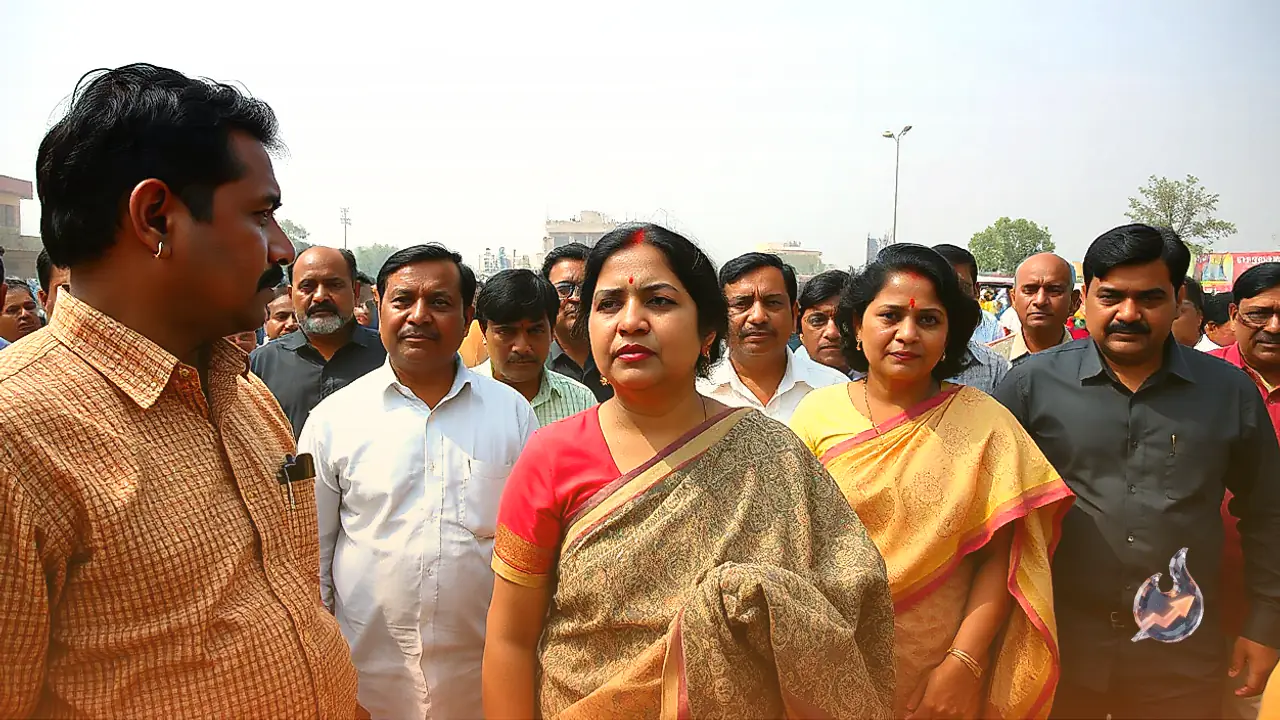






















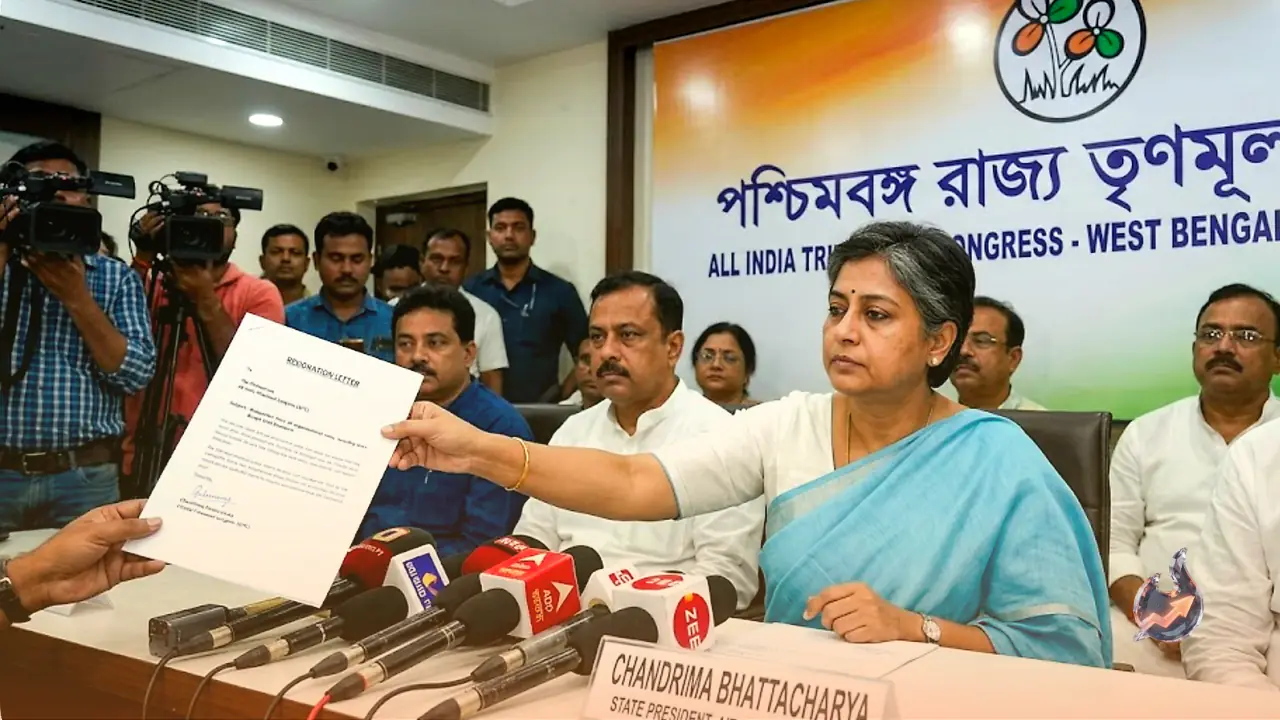

The All India Trinamool Congress has been hit by a severe political crisis following its defeat in the West Bengal assembly elections, as senior party leader Chandrima Bhattacharya has resigned from all organizational positions on Saturday. Having been appointed as the state president of the party in the wake of the electoral setback, her sudden departure has delivered a massive blow to Mamata Banerjee, who has been struggling to keep the party's factions united.
A Comprehensive Resignation From All Administrative Roles
In her official resignation letter, Chandrima Bhattacharya declared her decision to step down from the post of State President of the All India Trinamool Congress. This crucial responsibility was assigned to her during a key leadership meeting held at Kalighat on 03.06.2026. She added that she is simultaneously relinquishing all other secondary roles and positions she has been holding within the organization.
The operational impact of her exit is wide-ranging. Bhattacharya formally stated in her letter that she is withdrawing her name as an authorized signatory for all bank accounts maintained by the All India Trinamool Congress and its affiliated wings across various financial institutions. Furthermore, she has formally rescinded her status as the party's designated representative before the Election Commission of India, completely severing her organizational ties.
Transition from Subrata Bakshi and Career Profile
Following the assembly election defeat against the BJP, Mamata Banerjee had dissolved all active party committees to initiate a major organizational restructuring. As part of this overhaul, Chandrima Bhattacharya was selected to succeed Subrata Bakshi as the state president of the TMC. Her resignation now leaves the party leadership in a highly precarious situation.
Bhattacharya has historically been regarded as one of Mamata Banerjee's most trusted political allies. In successive TMC administrations, she managed key portfolios as a minister of state, including finance, land reforms, health and family welfare, along with refugee and rehabilitation. A law graduate from Calcutta University, she practiced as an advocate until the 2011 state elections. She was elected to the West Bengal Legislative Assembly from the Dum Dum Uttar constituency on a TMC ticket.
Growing Desertions and Legislative Mutiny
This high-profile exit comes at a time when the ruling party in West Bengal is facing a severe threat to its structural existence in both the state assembly and parliament. Ever since the heavy defeat against the BJP, a large section of the party's elected representatives has grown disillusioned with the leadership of Chief Minister Mamata Banerjee and her nephew Abhishek Banerjee.
Out of the party's 80 sitting MLAs, more than 50 have actively distanced themselves from the official party command. These dissenting legislators have broken ranks to support a rebel faction led by Ritabrata Banerjee. With the party already struggling to keep its legislative flock together, the loss of its state organizational chief threatens to further accelerate the internal collapse.