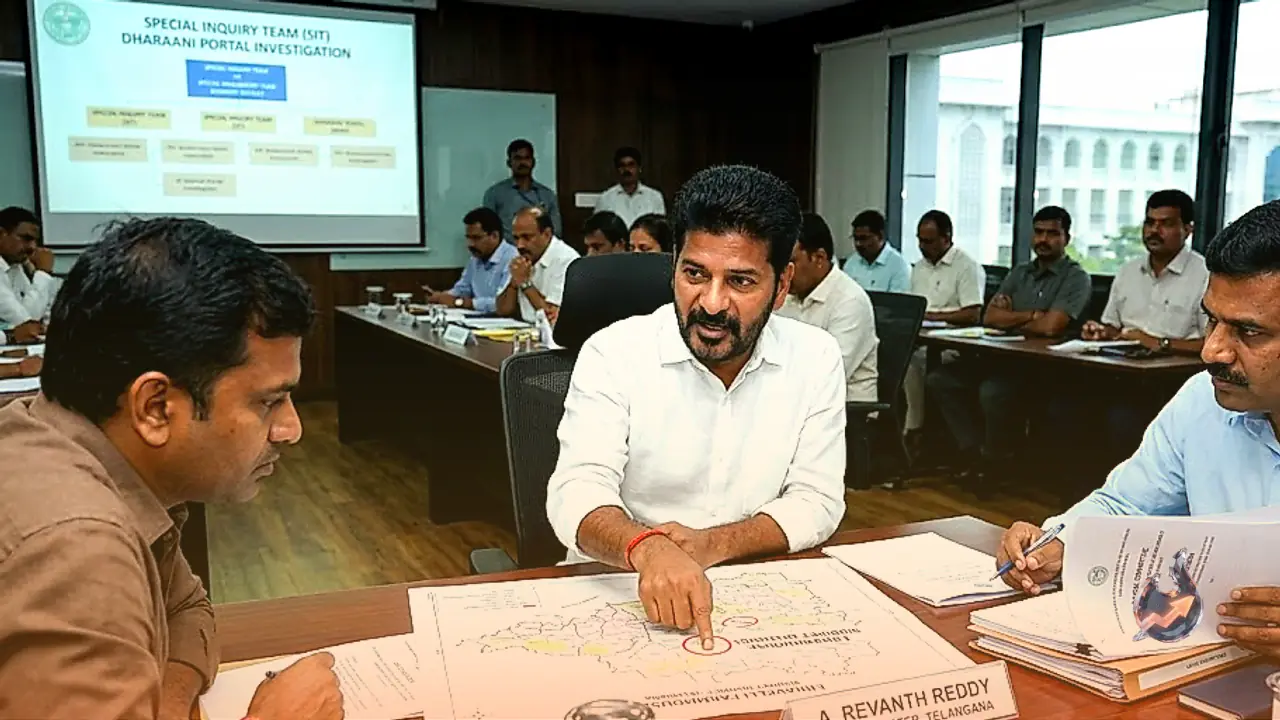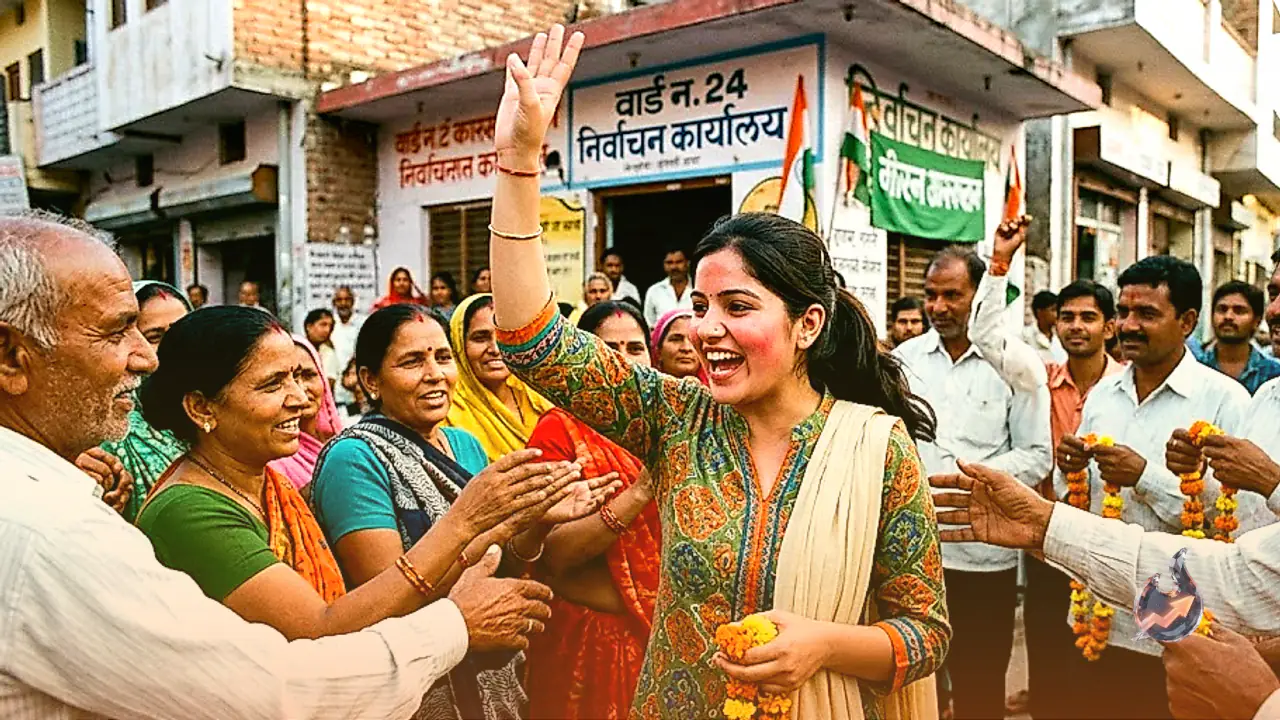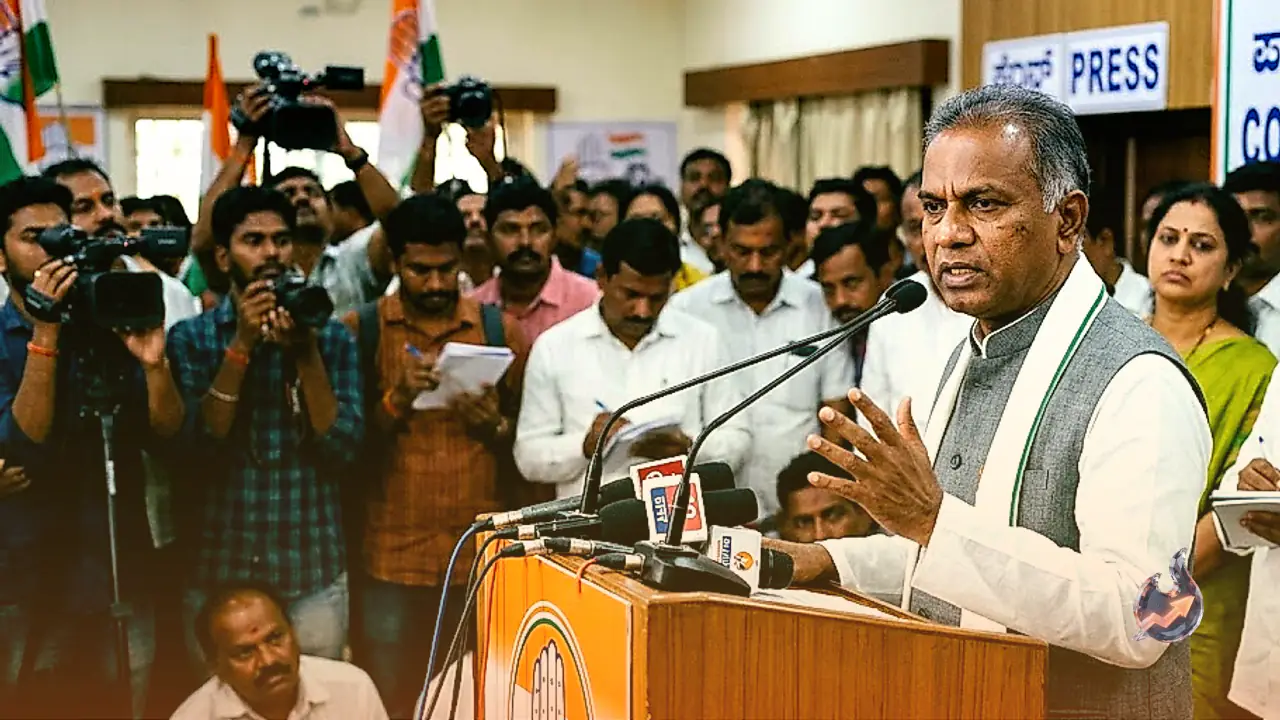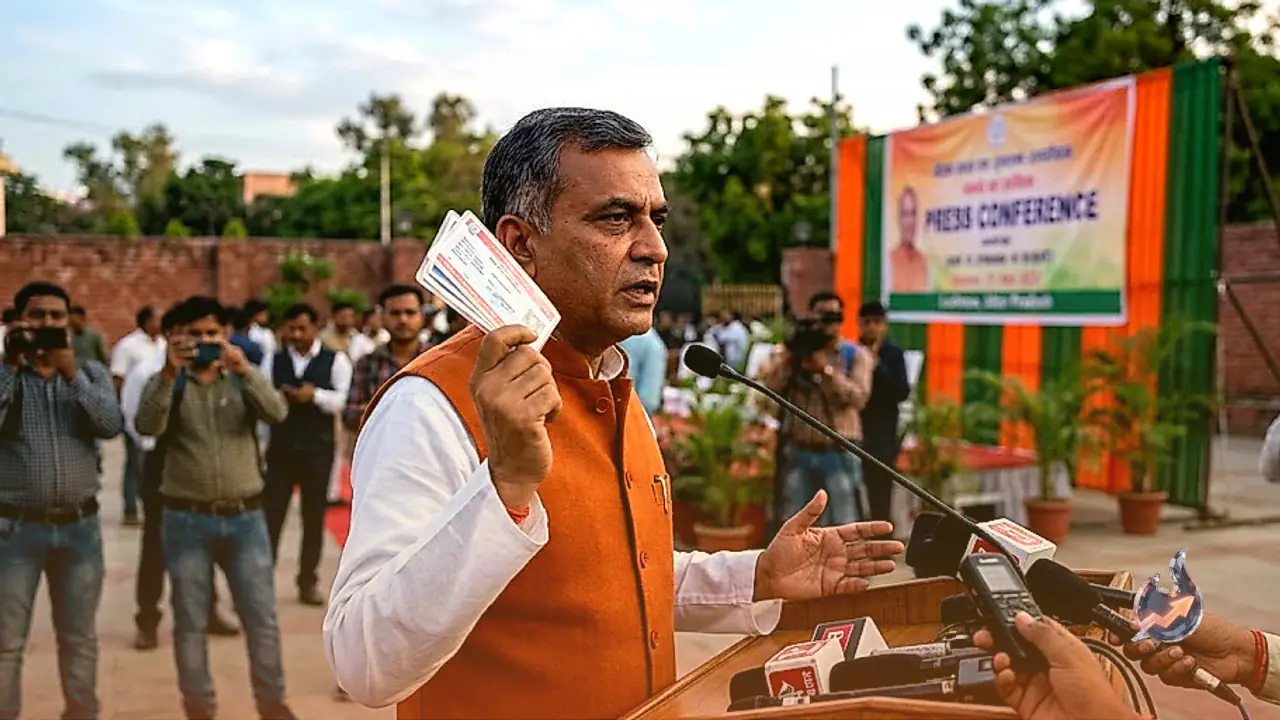







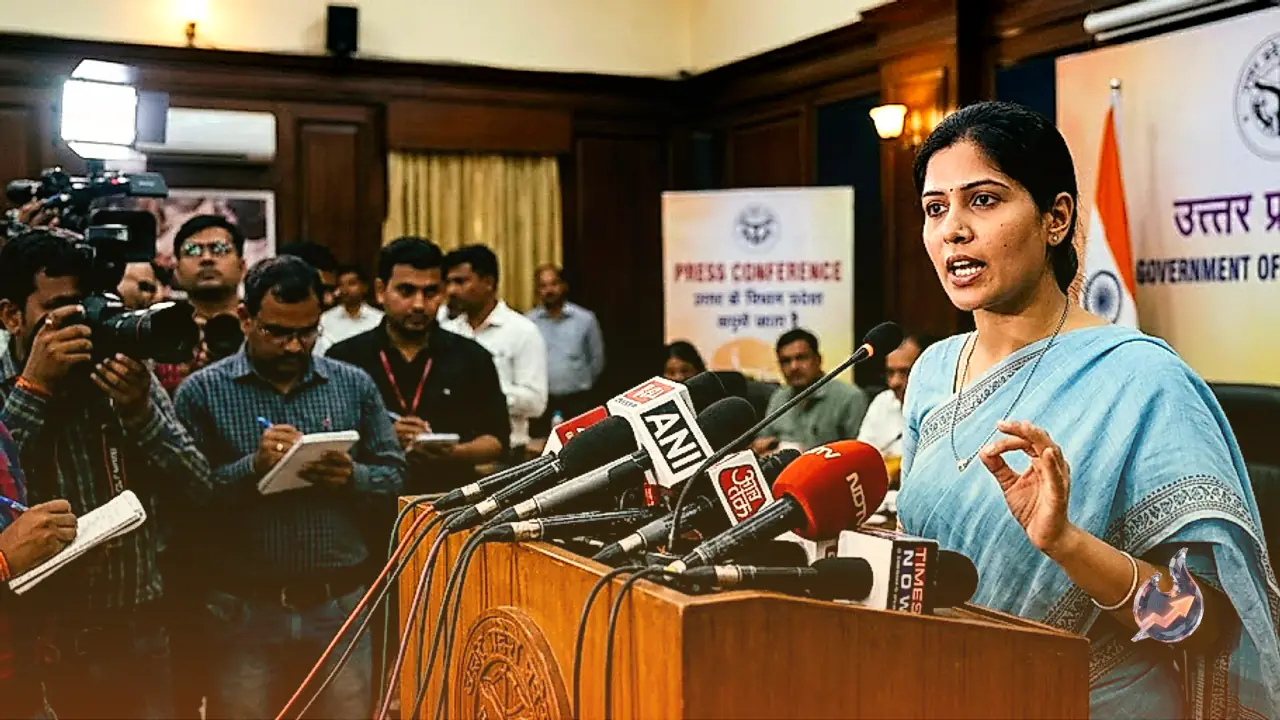














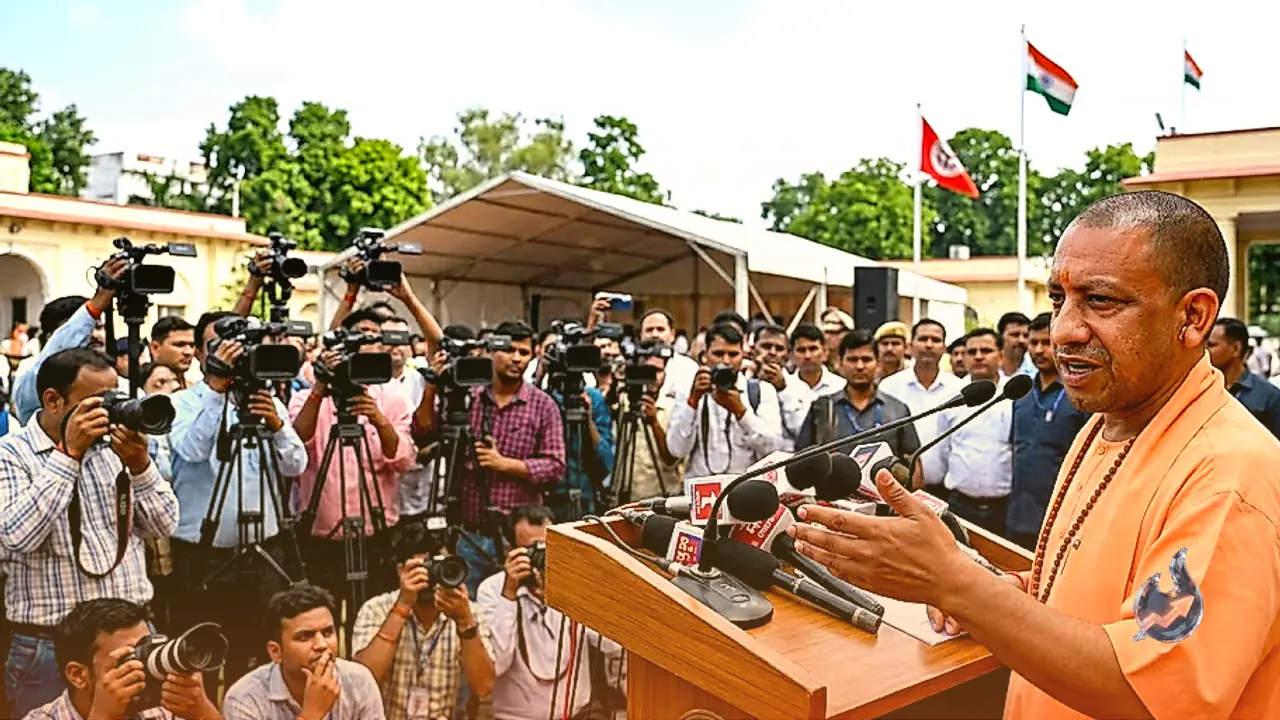

Ahead of the crucial 2027 Uttar Pradesh Assembly elections, Chief Minister Yogi Adityanath has made a major policy announcement that has sent shockwaves through the opposition camp, particularly the Samajwadi Party. The state government has committed to providing government jobs to 100,000 young individuals within the next six months. According to the Chief Minister, the formal recruitment process for this massive employment drive will commence on September 18 and September 19. This initiative is being viewed as a strategic masterstroke by the Bharatiya Janata Party to consolidate the youth vote. Following the recent Gen-Z protests in Delhi, the party has swiftly shifted its focus toward pro-youth initiatives, recognizing their decisive electoral power.
Breakdown of Job Vacancies and Recruitment Timeline
Speaking at a public gathering in Gorakhpur on Wednesday, Chief Minister Yogi Adityanath detailed the roadmap for this extensive hiring initiative. He specified that from September 19, the state would officially begin the process of recruiting 100,000 youth. A major portion of this recruitment campaign will be dedicated to the state's security apparatus, with approximately 77,000 vacancies allocated specifically for the UP Police force. Highlighting his administration's track record, the Chief Minister noted that since taking office in 2017, the government has already successfully provided employment to 950,000 young people. He contrasted this achievement with the hiring systems of previous administrations, which he claimed were plagued by systematic malpractice.
Strong Criticism of the Former "Saifai Syndicate"
Yogi Adityanath launched a scathing attack on the previous political regimes, referring to their operations as the "Saifai Syndicate." He alleged that prior to 2017, the announcement of any government vacancy would trigger an extortion racket by this syndicate. Ordinary young candidates were denied fair opportunities as jobs were openly bargained for, leading to widespread corruption. This corruption frequently forced the judiciary to intervene and place stays on the recruitment processes, leaving the futures of young candidates in jeopardy. The Chief Minister pointed out that this lack of transparency and deteriorating law and order not only ruined career opportunities but also paralyzed the state's developmental progress, leaving the administration with no clear vision other than looting and promoting anarchy.
Transition from a 'Bimaru' State to an Economic Engine
The Chief Minister asserted that the political manipulation of past governments was responsible for pushing Uttar Pradesh into the category of "Bimaru" (sick) states, creating a severe identity crisis for its residents. However, he emphasized that the state has shed this negative label and is now functioning as a vital growth engine for India's national economy. Uttar Pradesh is now recognized as one of the fastest-growing economies in the country. This economic revival has been supported by massive infrastructure projects, including modern expressways, an improved railway network, metro rail services in key cities, enhanced air connectivity, and a series of newly built airports and manufacturing plants.
Industrial Development and Stopping Youth Migration
To demonstrate this industrial progress, the Chief Minister highlighted that more than 500 new industries have been established in Gorakhpur alone, generating local employment for over 50,000 youth. In the past, young people from the state had to migrate to distant hubs like Punjab, Mumbai, Kolkata, Hyderabad, Bengaluru, and Chennai in search of livelihood. Today, however, industrialization has allowed them to secure jobs near their own villages and hometowns. In fact, the economic landscape has changed so dramatically that youth from other states and even foreign countries are now coming to Uttar Pradesh for employment. Yogi Adityanath attributed these milestones to the clean intentions, transparent policies, and strong leadership of Prime Minister Narendra Modi.
The Strategic Importance of Gen-Z Voters
The timing of this mega employment drive is deeply connected to a shift in political demographics. Following the Gen-Z movement in Delhi, the BJP has adapted its outreach strategy to target younger voters more aggressively. Projections indicate that by the 2029 Lok Sabha elections, there will be approximately 350 million Gen-Z voters in India. Similarly, in the 2027 Uttar Pradesh assembly polls, this segment of the electorate will be a decisive factor in determining the electoral outcome. By directly addressing the employment needs of the youth, the ruling party hopes to secure their support, dealing a significant blow to the opposition Samajwadi Party's electoral ambitions.