

















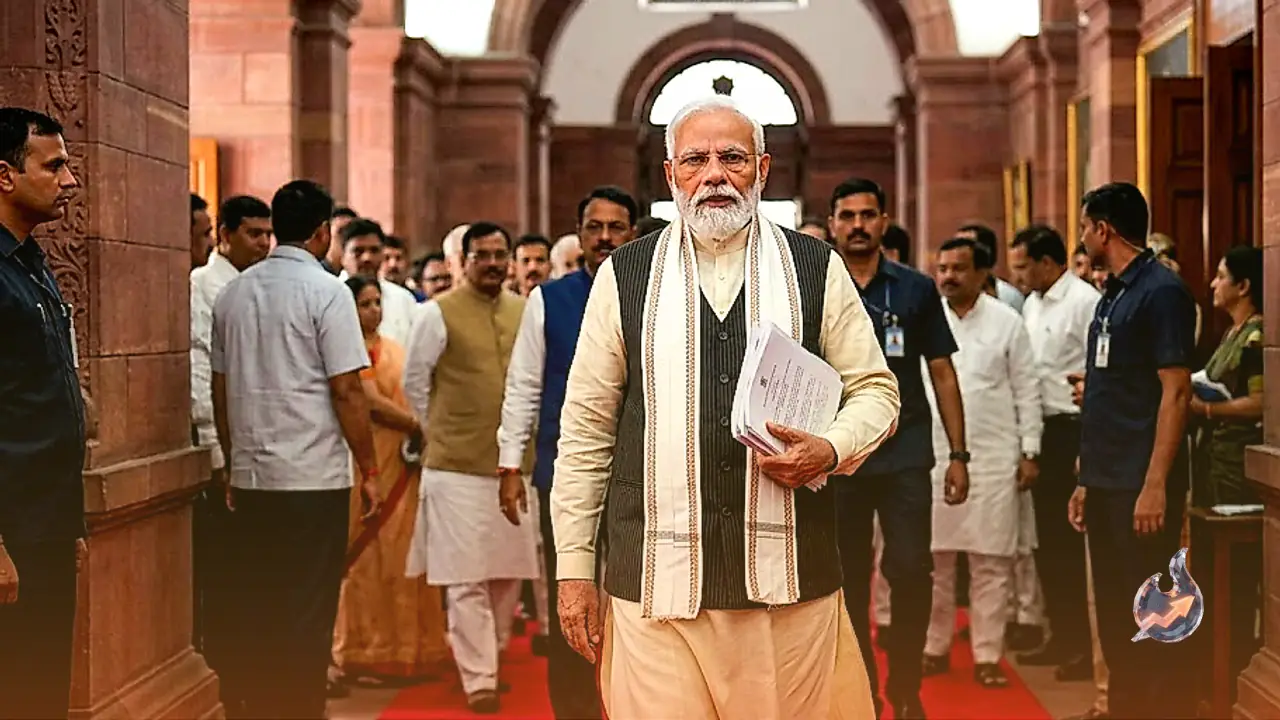

The political atmosphere in the national capital is intensifying as the upcoming monsoon session of Parliament is scheduled to commence on Monday. While the opposition alliance is actively formulating strategies to corner the government on multiple fronts, Prime Minister Narendra Modi has prepared a comprehensive legislative roadmap that has created considerable unease within the opposition ranks. Speculation is rife within political circles that the ruling National Democratic Alliance may seek to consolidate a two-thirds majority in Parliament to push forward with landmark legislative changes. Meanwhile, immense suspense remains regarding the introduction of the highly anticipated Delimitation and Women’s Reservation bills, with the government keeping its official stance closely guarded.
The Legislative Agenda: A Detailed Look at the Eight Proposed Bills
The government has finalized its legislative agenda for the monsoon session, preparing to table eight distinct bills. These legislative proposals encompass structural economic reforms, administrative modifications, and constitutional updates. The bills scheduled for introduction and passage include
- The Income Tax Amendment Bill, 2026: This piece of legislation is designed to replace an earlier ordinance, aiming to introduce key reforms in the existing direct tax structure.
- The Supreme Court Amendment Bill, 2026: To address the extensive backlog of cases in the judiciary, this bill proposes to increase the sanctioned strength of Supreme Court judges from 33 to 37.
- The Prevention of Insults to National Honour Amendment Bill, 2026: This draft law seeks to provide statutory protection to the national song, Vande Mataram, creating strict legal penalties for any deliberate disrespect shown toward it.
- The Registration of Births and Deaths Amendment Bill, 2026: This bill aims to tighten administrative procedures and introduce stricter penalties for delays in registering vital life events.
- The Micro, Small and Medium Enterprises Development Amendment Bill, 2026: This proposal seeks to deliver direct financial relief and streamline operations for the MSME sector, enhancing the ease of doing business across the country.
- The Foreign Contribution Amendment Bill, 2026: Aimed at intensifying supervision over the utilization of foreign funds, this bill was first introduced in the Lok Sabha on March 25, 2026.
- The Viksit Bharat Education Institution Bill, 2025: This major educational reform seeks to dissolve existing individual regulatory bodies like the UGC, AICTE, and NCTE, replacing them with a single, unified regulatory authority. The bill was initially tabled in the Lok Sabha on December 15, 2025, and subsequently referred to a Joint Parliamentary Committee.
Vande Mataram to Receive Legal Shield with Strict Punishment
One of the most legally and culturally significant proposals in this session is the Prevention of Insults to National Honour Amendment Bill, 2026. Home Minister Amit Shah is slated to table this historic amendment in the Rajya Sabha. The proposed legislation seeks to elevate the national song, Vande Mataram, to a legally protected status similar to other national symbols. Under the provisions of this amendment, anyone found guilty of intentionally disrespecting or dishonoring the national song will face stringent penal action. The legal penalties proposed include a prison sentence of up to three years, a financial penalty, or both, depending on the severity of the offense.
Tensions Explode at the All-Party Meeting Leading to Opposition Walkout
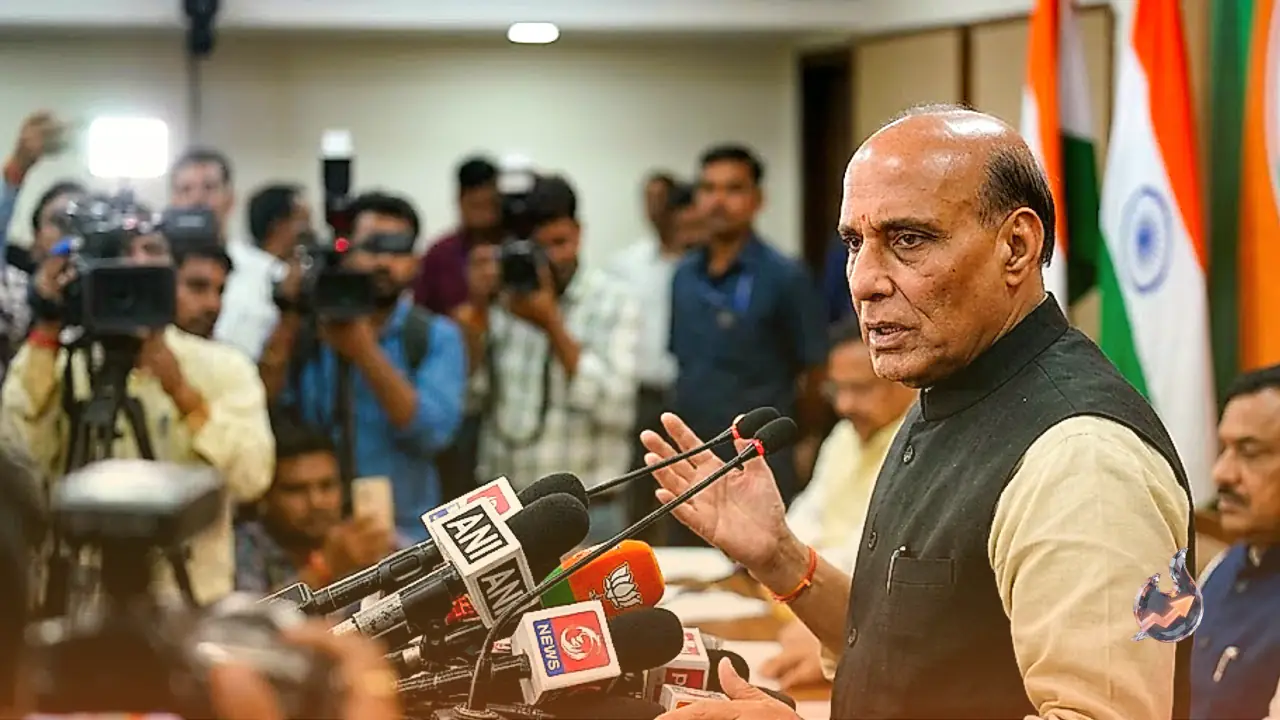
The political friction between the government and the opposition became evident during the traditional all-party meeting held ahead of the session. Chaired by Defense Minister Rajnath Singh, the meeting lasted for over three hours and saw representation from nearly 40 political parties, including the Congress, Samajwadi Party, and the DMK. However, the deliberations were disrupted when the opposition staged a symbolic walkout to protest against the government's invitation list.
The primary point of contention was the presence of a faction of 20 rebel members of Parliament from the Trinamool Congress. Raising strong objections, Trinamool Congress MP Mahua Moitra questioned the legality of their invitation. Mahua Moitra stated that the entire opposition walked out of the meeting because the NCPI is unrecognized, and the Speaker has not approved the rebel MPs' merger yet. She argued that since 20 disqualification petitions are still pending, there was no valid parliamentary basis to invite these rebel lawmakers to an official all-party consultation.
Responding to these allegations, Parliamentary Affairs Minister Kiren Rijiju defended the decision, explaining that 20 Lok Sabha MPs belonging to the NCPI had formally signed a petition requesting the Speaker to permit them to join the new party and receive separate seating arrangements in the house. Kiren Rijiju remarked that since 20 MPs have requested to join the new party and sit separately, the matter is under the Speaker's consideration and they cannot be deprived of their parliamentary participation. He added that the official recognition process is currently active within the Lok Sabha Secretariat and declined to comment on any pending administrative rulings.
Suspense Prevails Over Delimitation and Women’s Reservation
A major point of speculation surrounding the monsoon session is whether the government will move forward with the Delimitation Bill and the Women's Reservation Bill. The Delimitation Bill functions as a comprehensive two-bill legislative package. Its primary objective is to increase the total number of seats in the Lok Sabha from 550 to 850, alongside redrawing the boundaries of various parliamentary constituencies across India.
The central government had previously convened a special parliamentary session in April 2026 to introduce this proposal. At that time, the administration argued that restructuring parliamentary constituencies was an essential prerequisite to successfully implementing the 33 percent reservation for women by the 2029 general elections. However, the opposition had fiercely resisted the move, claiming that the ruling party was utilizing the delimitation exercise to further its own geopolitical and electoral interests. Ahead of this session, the DMK has indicated a potential softening of its stance on the issue, which could alter the parliamentary voting dynamics.
Opposition Gears Up to Raise NEET and Local Controversies
The opposition has made it clear that they intend to disrupt parliamentary proceedings by raising issues of national and regional concern. Chief among their targets are the alleged paper leaks in the NEET examinations and the ongoing controversy regarding land donations for the Ram Temple construction in Ayodhya. Opposition leaders plan to demand accountability and detailed explanations from the treasury benches on these matters.
Conversely, the government is prepared to counter the opposition's arguments by highlighting progress on these fronts. Government representatives point out that the NEET results have already been declared, minimizing the scope of administrative uncertainty. Furthermore, the Special Investigation Team, or SIT, is in the final stages of preparing its comprehensive investigation report on the temple donation controversy for submission before the Supreme Court. The ruling coalition intends to steer the focus of the session toward legislative productivity, presenting a detailed account of its governance achievements to the public.