







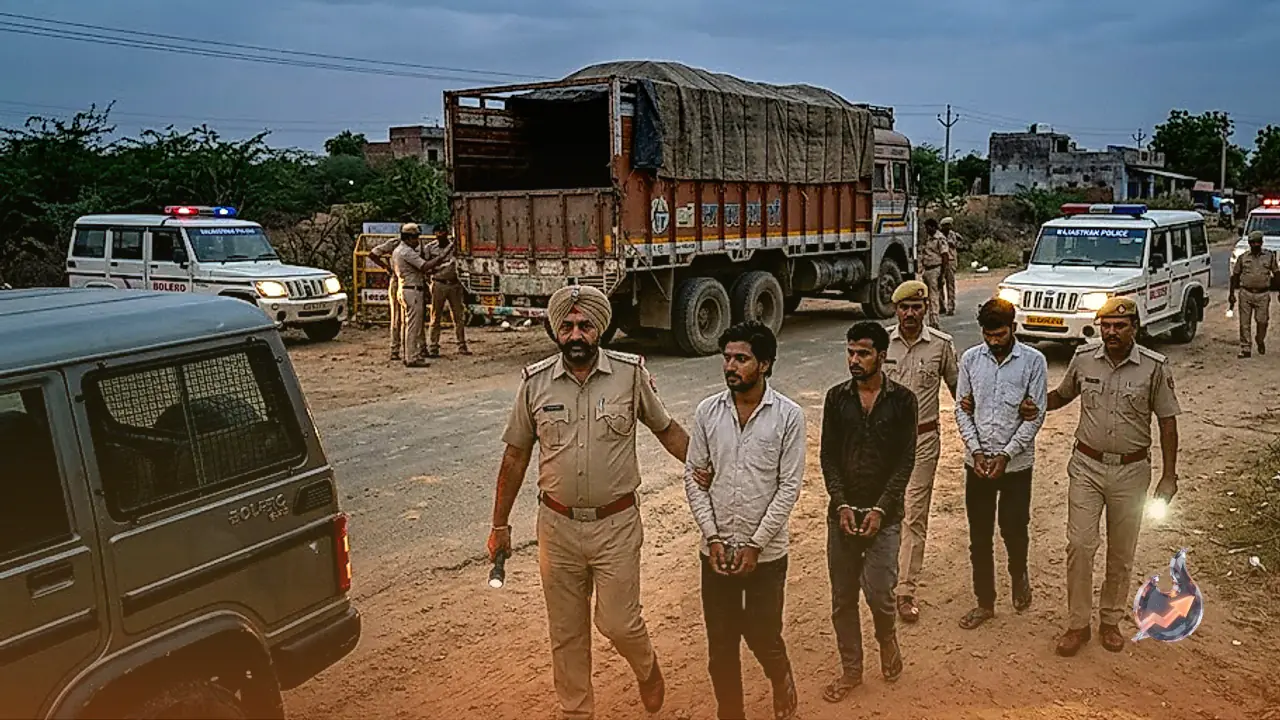















Mounting workload, unpredictable schedules, and the toll on personal life are prompting personnel within the Rajasthan Police to reconsider their career trajectories in favor of lower-tier government roles. The extent of this workplace strain became evident following the declaration of results for a class four staff recruitment drive conducted by the health department. Among the successful candidates are twenty-four serving police constables who have decided to leave their law enforcement duties behind. These personnel have tendered their official resignations to take up positions as peons within the state healthcare system.
Marginal Pay Gap Versus Better Quality of Life
The implementation of recommendations under the 7th Pay Commission has substantially narrowed the wage disparity between different government service cadres. Currently, the pay scale distinction between a police constable and a class four healthcare employee stands at a nominal ₹700. For many officers, this minor monetary difference does not justify the relentless physical and mental exhaustion associated with active policing. A peon position offers a structured eight-hour workday alongside reliable weekend breaks and public holidays. In contrast, personnel in the police force frequently endure shifts extending from 16 to 24 hours under continuous operational readiness, which severely disrupts personal routines.
Widespread Participation Across Other Government Departments
The health department conducted the recruitment examination for 7,903 class four vacancies, ultimately selecting 53,749 candidates across various categories. The pool of selected applicants is not restricted to police constables alone. It includes eleven personnel from Railway Group-D, alongside one employee each from the Central Reserve Police Force, Border Security Force, Income Tax Department, and SPM. A significant motivation for these candidates is geographic stability. The health department operates an extensive network of Primary Health Centres and Community Health Centres at the block and village level, offering selected staff a realistic prospect of serving within their native districts without the constant threat of distant transfers.
Occupational Hazards and Health Complications in Policing
Demanding duties encompassing crime prevention, patrol assignments, sensitive law-and-order management, and dignitary security leave little room for a predictable schedule. Law enforcement personnel frequently miss key family milestones and festive occasions like Holi and Diwali due to mandatory deployment. Sustained operational pressure and extended postings far from home have contributed to rising instances of hypertension, clinical depression, and psychological fatigue among personnel. These adverse health outcomes have driven young recruits toward roles that feature clearly defined limits on responsibility and operational accountability.
Resignations Pending Formal Clearance Ahead of November 23 Deadline
Although the selected constables have submitted their formal discharge notices, the police administration has not immediately accepted them due to routine technical evaluations and procedural clearances. Acknowledging these administrative delays, the health department has extended the reporting deadline for selected candidates until November 23. Meanwhile, senior leadership within the police establishment continues to express deep apprehension regarding the factors driving trained personnel to abandon the uniformed service in favor of lower-cadre civic employment.