


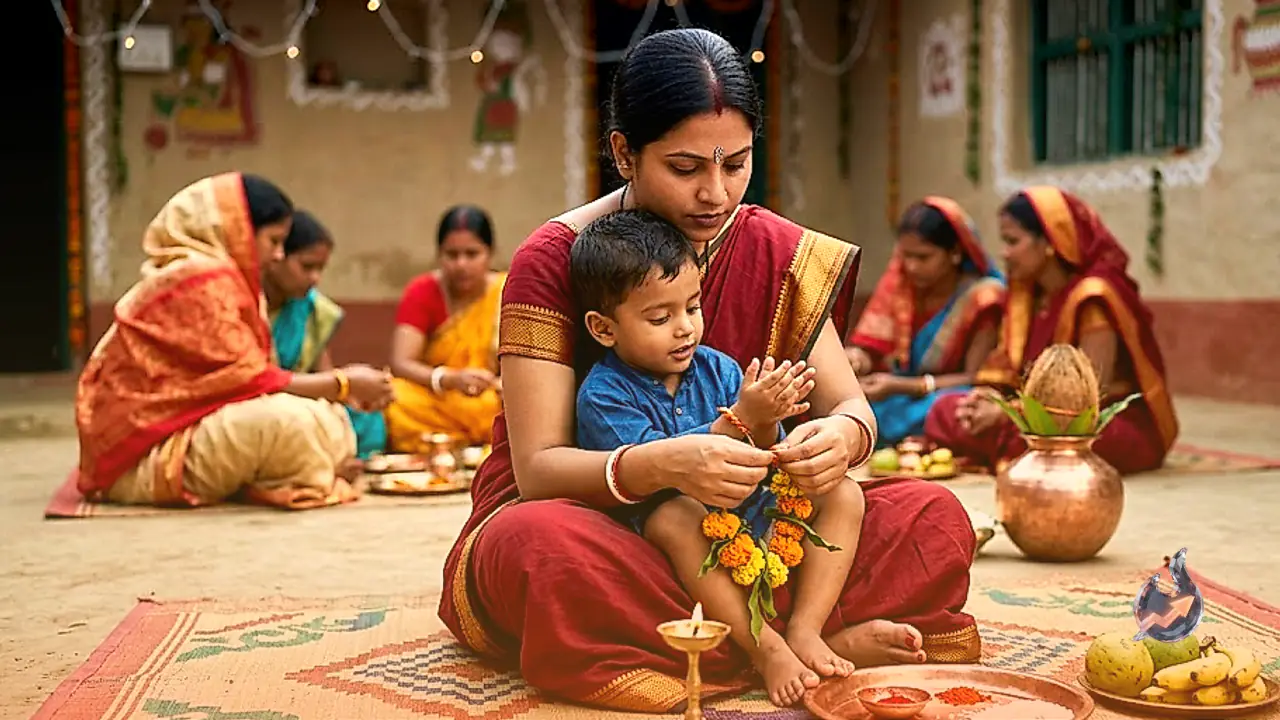

















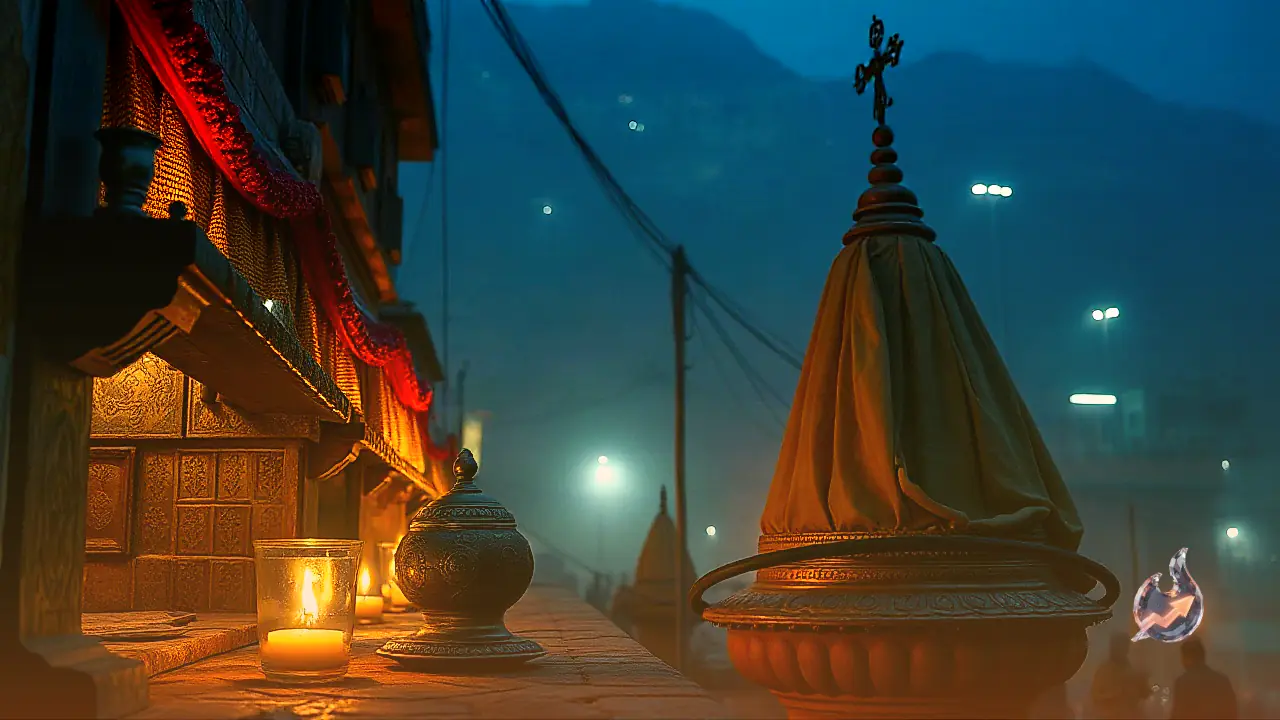

Within Hindu Sanatan tradition, the period of Pitru Paksha holds an exceptionally revered place as a dedicated fortnight for honoring departed ancestors. Across these sixteen days, devotees undertake holy dips, offer tarpan with sacred water and sesame seeds, and perform pinda daan ceremonies to pray for the peace and spiritual liberation of their forebears. While several pilgrimage hubs across India are renowned for ancestral rites, Pushkar in Rajasthan is regarded as a distinguished spiritual sanctuary for ancestral deliverance. Unlike most other pilgrimage centers where rituals typically encompass one or two ancestral generations, Pushkar tradition permits oblation ceremonies extending across seven distinct clans and five ancestral generations. This year, the solemn period culminates on October 10 on the day of Sarvapitri Amavasya, drawing seekers and families from far-flung corners of the country to its holy waters.
The Abode of Lord Brahma and Narayan in Sacred Waters
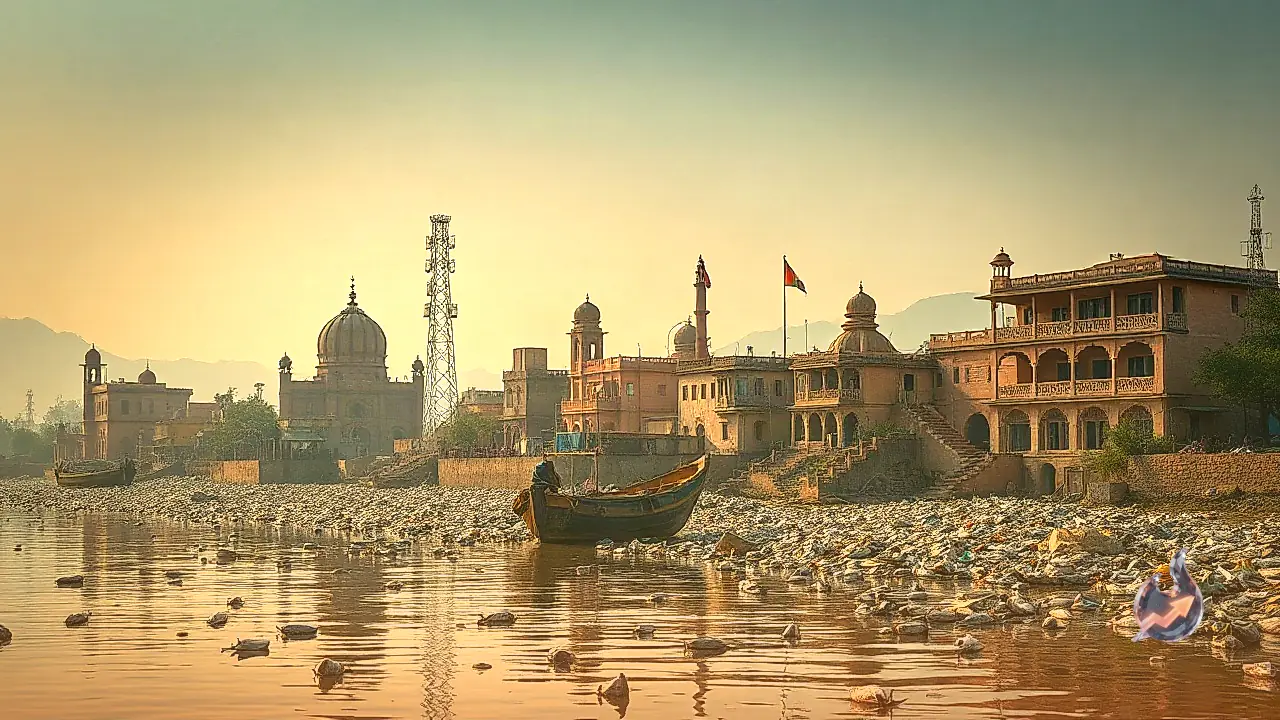
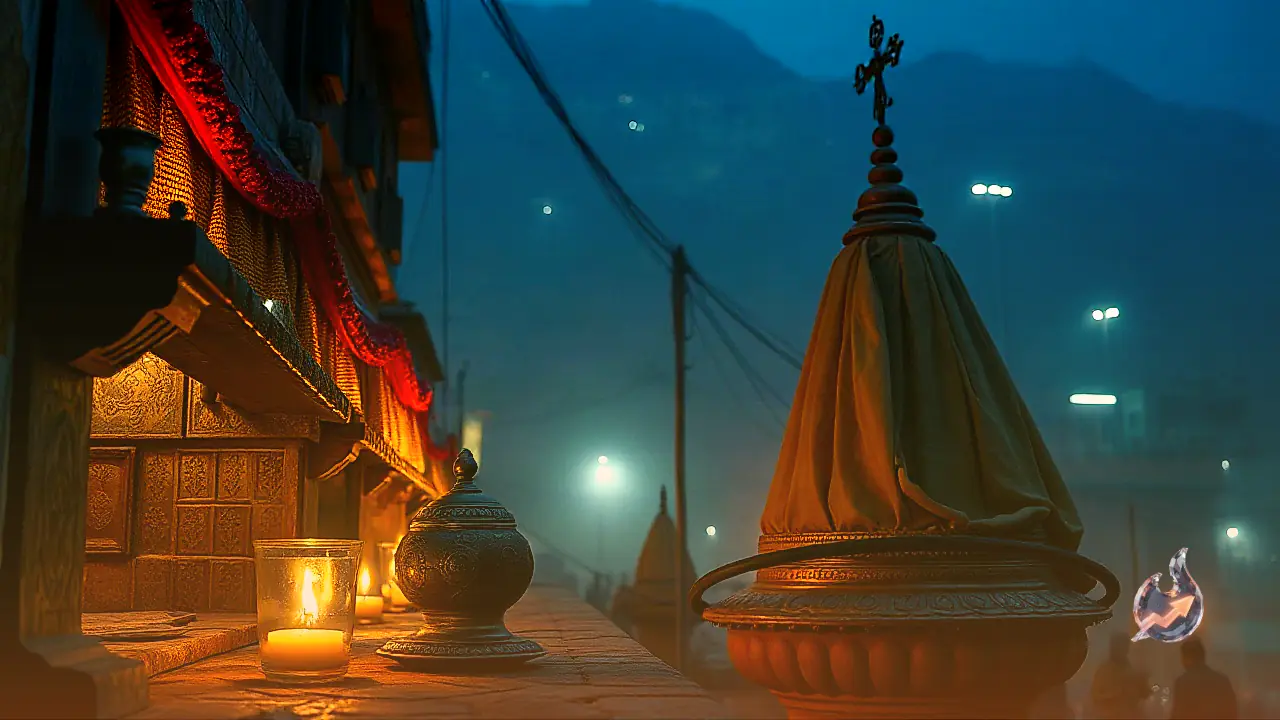
Pushkar occupies an unmatched historical and spiritual position among Indian pilgrimage destinations, universally revered with the honorific title of Tirtha Guru. Its most prominent architectural and spiritual landmark is the temple dedicated to Lord Brahma, the creator of the universe in Hindu cosmology. Because shrines dedicated to Brahma are exceedingly rare globally, this temple stands as a primary focus of devotional travel. Yet the sanctity of Pushkar extends well beyond the temple boundaries to its revered lake. Devotees regard the waters of Pushkar Sarovar as the living embodiment of Lord Narayan. Taking a ceremonial bath in the lake is believed to confer spiritual purity, and carrying out ancestral rites along its shores is traditionally seen as a direct conduit for granting eternal liberation and heavenly peace to departed souls.
Centuries of Ancestral Pedigree Kept in Sacred Genealogies
The continuity of ritual practices at Pushkar is preserved by local pilgrimage priests, known as tirtha purohits, who maintain detailed genealogical records spanning hundreds of years. Kept in large, meticulously preserved ledger manuscripts called pothis, these registers document the family trees, gotras, ancestral names, native towns, and past pilgrimage visits of families hailing from across the Indian subcontinent. When pilgrims arrive at the holy town, priests consult these records to trace their lineage and verify their generational roots. Based on the specific regional customs and domestic traditions of each visiting family, the priests guide devotees through step-by-step Vedic ceremonies, including tarpan, pinda offerings, and prayers for ancestral tranquility.
The Unique Scope of Seven Clans and Five Generations
What sets Pushkar apart from almost all other ancestral pilgrimage centers is the comprehensive generational reach of its rites. In standard domestic rituals elsewhere, oblations are often restricted to immediate parents and grandparents. In Pushkar, however, the ceremony is structured to benefit ancestors across seven interconnected family lines and five generations deep. This expansive scope enables worshippers to direct spiritual merits not only to paternal forebears but also to maternal lines and extended familial branches whose specific death anniversaries or names might have been lost to generational memory over time. Performing these comprehensive offerings before the sanctified waters is regarded as a complete release of ancestral obligations.
The Ancient Legend of Lord Ram Performing Shraddha
The custom of performing extensive ancestral ceremonies at Pushkar is rooted in sacred narratives passed down through generations. According to pilgrimage priests and scriptural beliefs, Lord Ram himself arrived at Pushkar during the Treta Yuga to carry out funerary and post-funerary rites for his forebears. Accompanied by his wife Sita and brother Lakshman, Lord Ram offered pinda daan and water oblations at the edge of Pushkar Sarovar specifically for his father, King Dasharath. Sacred accounts narrate that King Dasharath, thoroughly gratified by the devotion and sanctity of the ceremony, appeared in spiritual form to grant his divine blessings. It is said that Lord Ram redeemed seven lineages and five generations through his prayers here, firmly establishing Pushkar as a paramount seat for ancestor worship.
The Fifty-Two Ghats and the Sanctity of Gaya Kund
The expanse of Pushkar Sarovar is bordered by 52 distinct stone ghats, each serving as an active center for morning ablutions, meditative prayer, and Vedic rituals. Devotees believe that submerging oneself in these waters cleanses both past physical impurities and spiritual distress. Alongside the lake lies another vital landmark known as Gaya Kund. In orthodox belief, the city of Gaya in Bihar is considered the preeminent site for pinda daan; however, it is traditionally believed that those who are unable to undertake the long journey to Gaya can attain equivalent spiritual merit by conducting ancestral rituals at Pushkar's Gaya Kund. For centuries, visitors journeying to view Lord Brahma have made it an unbroken custom to perform tarpan beside these ghats.
Ritual Prohibitions and the Sacred Atmosphere of the Fortnight
Under Hindu cultural norms, the fortnight of Pitru Paksha is an introspective period reserved solely for remembrance, duty, and austerity. Consequently, commencing auspicious life events such as weddings, home warming ceremonies, or purchasing celebratory assets like brand new motor vehicles is strictly deferred until the fortnight concludes. During this time, the entire focus remains on feeding brahmins, giving charity, and reciting ancestral mantras. During the current season, the ghats around the lake are filled with worshippers carrying kusha grass, barley, and black sesame seeds. The collective chanting of sacred hymns and the rhythmic pouring of sanctified waters create a deeply solemn environment that defines Pushkar's status as a preeminent center for ancestral devotion.